

 Ver en contexto
 Enviar
 Compartir
 Detalles

 Descargar
 Similares
 Radiografía
 Presentación de diapositivas
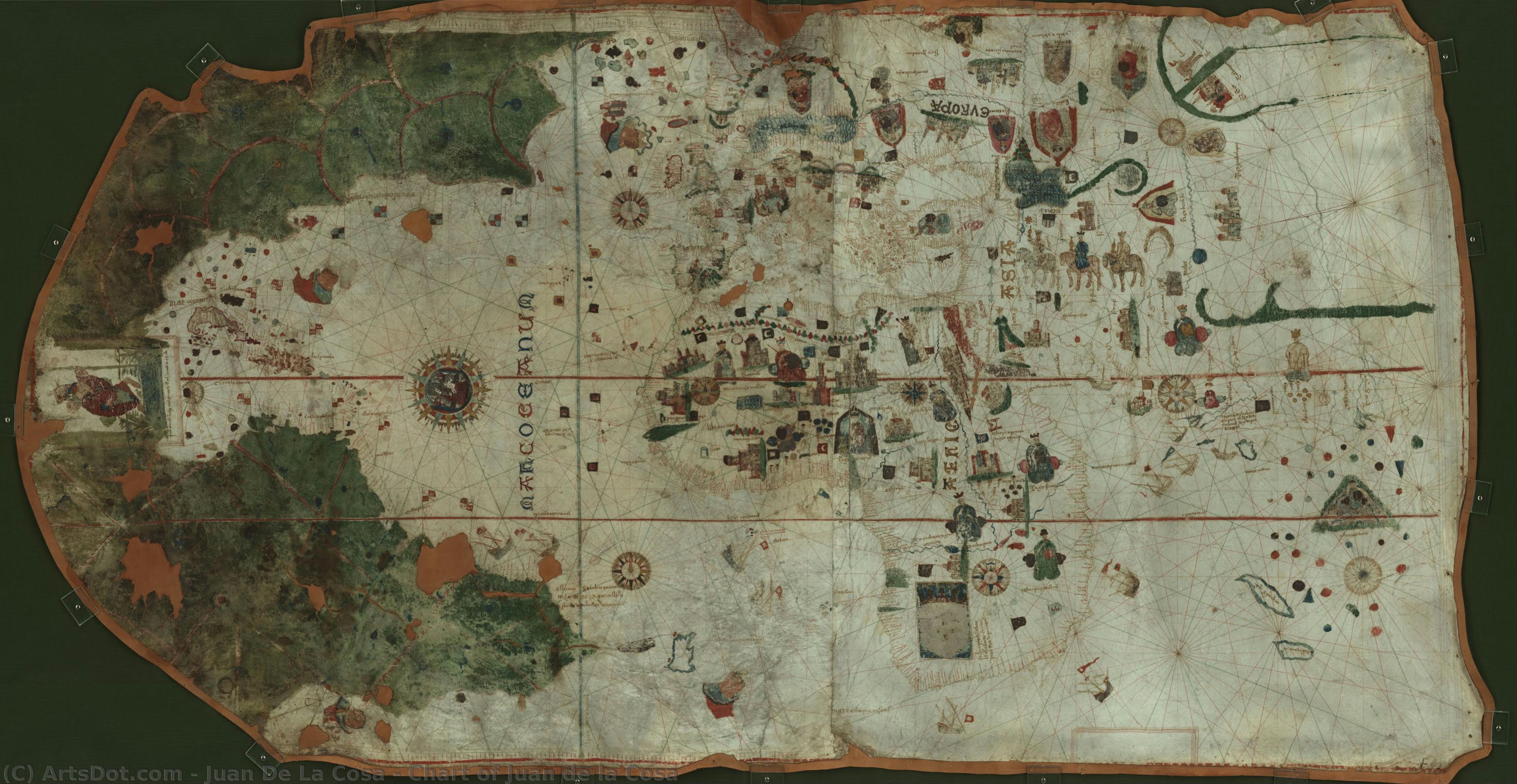
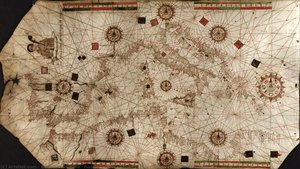
Chart of Juan de la Cosa


 Ver más
Reproducción al óleo hecha a mano
Óleo sobre lienzo pintado a mano en el tamaño y marco de su elección, realizado por encargo por nuestros artistas. ( Comprar impresión Comprar imagen)




































Elija entre nuestros tamaños predefinidos que respetan las proporciones originales de la obra.

Puede ingresar sus propias dimensiones para adaptarse a un marco o espacio específico. Si el tamaño seleccionado no coincide con las proporciones de la imagen original, recortaremos la obra o extenderemos la pintura con elementos adicionales pintados a mano. Se le enviará una maqueta digital para su aprobación antes de comenzar la producción.
Tenga en cuenta que la vista previa en pantalla no refleja el recorte o la extensión reales. Solo la maqueta mostrará con precisión la composición final.
Si bien existen tamaños personalizados, recomendamos seleccionar una dimensión de la lista predefinida para preservar las proporciones originales.
Tras realizar el pedido, el equipo de ArtsDot.com enviará un correo electrónico al cliente para solicitar instrucciones y proporcionarle una vista previa del boceto.
Envío a todo el mundo () en 3-4 semanas en lugar de las 5 semanas estándar. (24 agosto). Sin comprometer la calidad.

Envío exprés gratuito a todo el mundo

Lienzo de lino de alta calidad

Seguro de envío total

Garantía de reembolso de impuestos aduaneros

Garantía de fidelidad cromática exacta

Política de devolución de 60 días (solo por defectos)

Garantía de devolución del 100% del dinero

Descuento por cantidad
 La opción de vidrio solo está disponible en tamaños inferiores a 110 cm.

Chart of Juan de la Cosa
Técnica de reproducción
Dimensiones de la reproducción
-


Precio total final
$ 263
Descripción de la obra
Obras relacionadas
Biografía del artista
Juan de la Cosa: Pioneer of Americas Mapping and Columbus’ Navigator
Juan de la Cosa (c. 1450 – 28 february 1510) stands as a singular figure in Renaissance cartography, credited with crafting the earliest European world map incorporating the territories discovered during Christopher Columbus' voyages to the Americas. More than just a craftsman of parchment and pigment, he was an instrumental participant in one of history’s defining expeditions—a testament to Basque seafaring prowess and intellectual curiosity that continues to fascinate historians today.Early Life and Maritime Beginnings
Information regarding Juan de la Cosa’s birth is scarce, shrouded in the mists of Iberian archives. Born around 1450 in Santoña, Spain, he hailed from a family steeped in maritime tradition—his father was a shipwright, shaping his son's destiny before he could even walk. This upbringing instilled within him an innate understanding of navigation and shipbuilding, skills that would propel him to prominence as a master mariner and explorer. His early career involved voyages across the Atlantic, honing his expertise in charting unknown waters and mastering the art of celestial navigation—techniques vital for traversing the perilous seas of the fifteenth century.The Columbus Expeditions: A Pivotal Role
Juan de la Cosa’s fame rests primarily on his involvement with Christopher Columbus' groundbreaking expeditions to America. He served as chief pilot aboard *Santa María*, alongside Alonso Ojeda and Miguel Sánchez Argüelles, embarking on the first voyage in 1499. This mission aimed to explore the coasts of South America—a daring undertaking fueled by ambition and driven by the burgeoning desire for new trade routes and territories. La Cosa’s meticulous observations and navigational prowess proved invaluable to Columbus' success, solidifying his reputation as a visionary explorer and shaping the course of European history. He continued to sail with Columbus on subsequent voyages, furthering Spain’s claim over the New World.The Creation of *Mappa Mundi*: A Synthesis of Knowledge
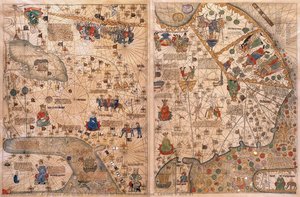
Perhaps Cosa’s most enduring legacy resides in his masterpiece—the *Mappa Mundi*, completed around 1500. This extraordinary parchment chart represents a monumental achievement in cartographic artistry and intellectual synthesis. Unlike previous maps that depicted the world as a flat disk centered on Jerusalem, Cosa's map embraced a more sophisticated Ptolemaic model—incorporating the knowledge gleaned from Greek astronomers and mathematicians. The map meticulously charted the coasts of Yucatan and Venezuela, reflecting the advancements made during Columbus’ voyages. It skillfully blended medieval traditions with precise nautical measurements—a testament to Cosa’s mastery of both art and science. Furthermore, it incorporated decorative elements—including depictions of St Christopher carrying Christ across the sea—that imbued the map with symbolic significance.Legacy and Influence
Juan de la Cosa's contribution to European exploration extended beyond mere navigation; he fostered a spirit of discovery and challenged prevailing conceptions of geography. His *Mappa Mundi* served as an inspiration for subsequent cartographers, shaping the visual language of world maps for centuries to come. The Museo Naval in Madrid houses a facsimile of his chart—a tangible reminder of Cosa’s pioneering role in unlocking the secrets of the Americas and propelling Europe into a new era of global interconnectedness. His meticulous work continues to be studied by historians and cartographers alike, cementing his place as one of the most influential figures of the Renaissance.- Notable Achievements: Designing the first European world map incorporating American discoveries.
- Instrumental Role: Serving as chief pilot in Columbus’ expeditions.
- Cartographic Innovation: Pioneering a Ptolemaic model blending medieval and scientific knowledge.
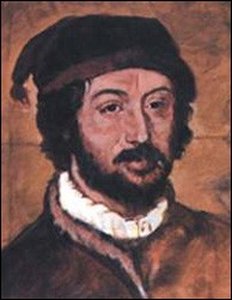
Juan de la Cosa
1510 , España
Datos clave
- Artistic Movement Or Style: Renaissance Navigation
- Artists Who Influenced This Artist:
- Leonardo da Vinci
- Ferdinand Magellan
- Date Of Death: 1510
- Full Name: Juan de la Cosa
- Nationality: Castilian
- Notable Artworks: ['Mapa de Juan de la Cosa']
- Place Of Birth: Santoña, España
Artículos relacionados

Goya: Las 25 Obras Maestras del Genio Español | Reproducciones de Arte en ArtsDot
Descubre las 25 obras maestras de Goya, el genio español. Explora retratos icónicos, 'Los Caprichos' y 'Las Pinturas Negras'. Reproducciones de arte en lienzo de alta calidad para decorar tu hogar con estilo. ¡Encuentra tu obra favorita en ArtsDot.com!
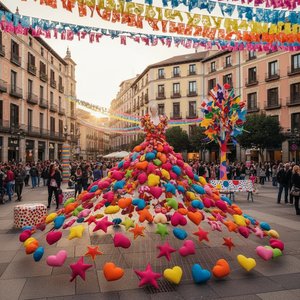
Águeda Ruiz de la Prada: A Study of Eclecticism & Emotional Resonance in Contemporary Spanish Painting
Discover the vibrant world of Ágatha Ruiz de la Prada, a leading figure in contemporary Spanish art. Explore her eclectic style, emotional depth & legacy – a must-read for discerning collectors.

Acerca de nosotros
Descubre nuestra historia! Llevamos el arte de clase mundial a tu vida gracias a una selección experta, creaciones personalizadas y vistas previas gratuitas. Aprobado por particulares y empresas desde el año 2000.

Maurice Quentin de La Tour: Light, Shadow & the Rococo Portrait
Explore the captivating world of Maurice Quentin de La Tour, a master of Rococo portraiture. Discover his innovative pastel techniques, intimate depictions of French aristocracy, and lasting artistic legacy. Learn more at ArtsDot.
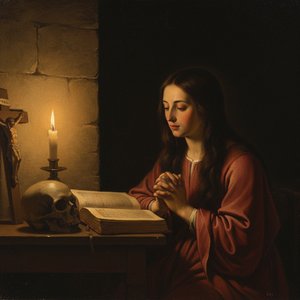
Georges de La Tour: Luminosity, Spirituality & Realism in Baroque Painting
Discover the captivating world of Georges de La Tour, a Baroque master renowned for his dramatic chiaroscuro & spiritual realism. Explore key works, influences, and his remarkable rediscovery. Learn more at ArtsDot.

