 Ver en contexto
 Enviar
 Compartir
 Detalles

 Descargar
 Similares
 Radiografía
 Presentación de diapositivas
Baptism of Christ
 Oil On Canvas
- WallArt
- Mannerism
 1568
1568- Early Modern
 49.0 x 37.0 cm
 Museo del Prado
 Ver más
Reproducción al óleo hecha a mano
Óleo sobre lienzo pintado a mano en el tamaño y marco de su elección, realizado por encargo por nuestros artistas. ( Comprar impresión Comprar imagen)




P118B $10

P118H $10

P118W $10

P438Z $10

P508JH $12

P508YH $12

P805H $10

P805Z $10

P919BZ $10

P919G $10

P919XJ $10

P959ZH $10

P968JZ $12

W106C $8

W218G $10

W218JH $8

W218Y $10

W307PJ $10

W316G $10

W316PJ $8

W316Y $10

W398PJ $8

W4111J $10

W500HY $15

W500JH $15

W692G $12

W849H $8

W940BG $15

W953PJ $8




Elija entre nuestros tamaños predefinidos que respetan las proporciones originales de la obra.

Puede ingresar sus propias dimensiones para adaptarse a un marco o espacio específico. Si el tamaño seleccionado no coincide con las proporciones de la imagen original, recortaremos la obra o extenderemos la pintura con elementos adicionales pintados a mano. Se le enviará una maqueta digital para su aprobación antes de comenzar la producción.
Tenga en cuenta que la vista previa en pantalla no refleja el recorte o la extensión reales. Solo la maqueta mostrará con precisión la composición final.
Si bien existen tamaños personalizados, recomendamos seleccionar una dimensión de la lista predefinida para preservar las proporciones originales.
Tras realizar el pedido, el equipo de ArtsDot.com enviará un correo electrónico al cliente para solicitar instrucciones y proporcionarle una vista previa del boceto.
Envío a todo el mundo () en 3-4 semanas en lugar de las 5 semanas estándar. (25 agosto). Sin comprometer la calidad.

Envío exprés gratuito a todo el mundo

Lienzo de lino de alta calidad

Seguro de envío total

Garantía de reembolso de impuestos aduaneros

Garantía de fidelidad cromática exacta

Política de devolución de 60 días (solo por defectos)

Garantía de devolución del 100% del dinero

Descuento por cantidad
 La opción de vidrio solo está disponible en tamaños inferiores a 110 cm.

Baptism of Christ
Técnica de reproducción
Dimensiones de la reproducción
-


Precio total final
$ 263
Descripción de la obra
The Divine Encounter: A Study in Spiritual Drama
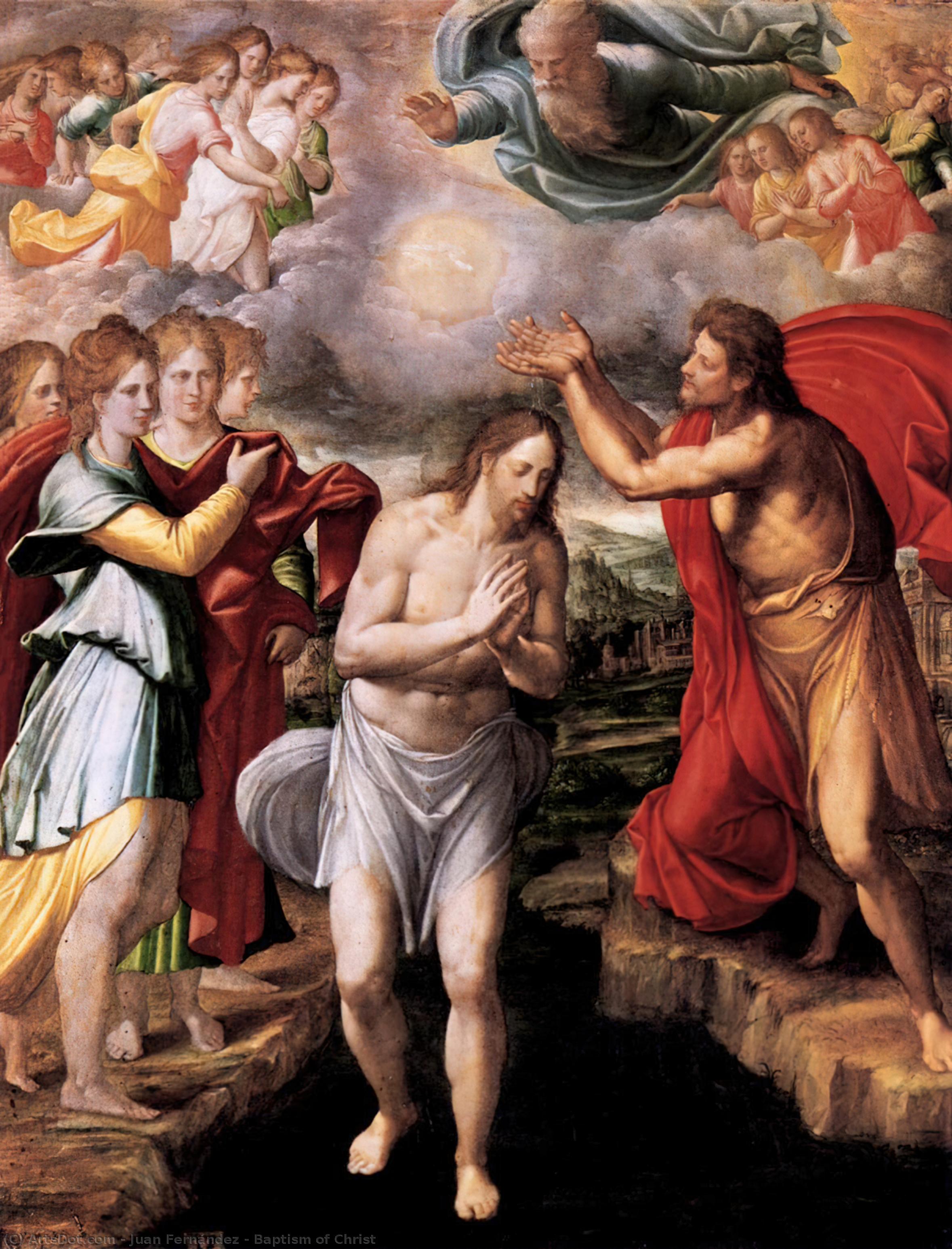
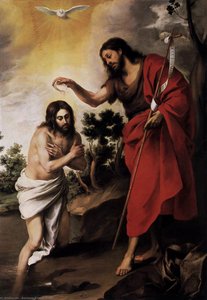
Before you stands a breathtaking vision of spiritual fervor—the Baptism of Christ. This masterpiece captures not merely an event, but a profound moment of divine transition. The composition is alive with energy; the gentle flow of the Jordan River seems to mirror the surging emotion surrounding the central figures. At its heart, we witness John the Baptist guiding Jesus through the sacred waters, an act that marks the beginning of Christ's public ministry. Look closely at the interaction between the three primary elements: the water, the men, and the celestial presence above. The artist has masterfully orchestrated this scene to feel both monumental in scope and intensely intimate in its spiritual weight.
Navarrete’s Mastery of Mannerist Drama
Painted around 1568 by Juan Fernández de Navarrete, this work is a quintessential example of Spanish Mannerism. Navarrete, known reverently as “El Mudo,” channeled the dramatic intensity characteristic of the period while remaining deeply devoted to religious narrative. His technique allows for a dynamic tension; notice how the figures are arranged—they do not rest statically but seem caught in a moment of unfolding revelation. The handling of light is particularly noteworthy, illuminating key gestures and faces while allowing the surrounding atmosphere, filled with dramatic clouds, to recede into sublime mystery. This skilled use of composition elevates the scene from mere depiction to an almost palpable spiritual experience.
Symbolism Woven into the Canvas
The symbolism here is rich and multilayered, inviting contemplation from every viewing angle. The baptism itself symbolizes purification, rebirth, and the acceptance of a divine mission. Above the figures, the scattering angels are not mere decoration; they represent the heavenly acknowledgment of this pivotal moment—a visual chorus praising the incarnation. Furthermore, the contrast between the earthly setting of the river and the ethereal glow emanating from above creates a powerful dialogue between humanity and divinity. For the collector or decorator, this piece offers more than just ornamentation; it offers a focal point for contemplation.
Bringing Sacred Grandeur Home
To bring such profound artistic gravity into your own space requires an appreciation for both history and execution. A reproduction of this size (49 x 37 cm) allows the drama to breathe, presenting the narrative scope without overwhelming a room's scale. When considering acquiring this piece, remember that you are inviting home a segment of Spain’s Golden Age devotion—a work steeped in the piety and dramatic flair of the High Renaissance transitioning into Mannerism. It serves as an immediate conversation starter, drawing viewers into its timeless mystery and compelling them to pause, reflect, and feel the weight of sacred history.
Obras relacionadas


Biografía del artista
Juan Fernández Navarrete (1526–1579): The Silent Master of El Escorial
Juan Fernández Navarrete, often referred to as “El Mudo” – meaning “The Silent” – stands as a pivotal figure in Spanish Mannerist painting and a devoted servant of Philip II. Born around 1526, his artistic journey unfolded against the backdrop of Spain’s Golden Age, marked by royal patronage and an unwavering fascination with Italian Renaissance ideals. Despite his quiet demeanor—a moniker earned due to his inability to speak—Navarrete achieved remarkable renown for his masterful depictions of religious subjects, particularly those commissioned for El Escorial, Philip II's monumental palace complex in Madrid. Early Life and Training: Precise biographical details remain elusive, but Navarrete’s formative years were spent honing his skills under the tutelage of Cristóbal Muñoz Sánchez, a prominent painter active in Valladolid. This training instilled in him a foundational understanding of classical principles and established a stylistic trajectory toward incorporating Italian Renaissance techniques into his own oeuvre. His dedication to mastering perspective and anatomical accuracy foreshadowed the meticulous realism that would characterize his later works. El Escorial: A Patron's Vision Navarrete’s career ascended to prominence during Philip II’s reign when he was appointed court artist, dedicating eleven years primarily to embellishing El Escorial with breathtaking altarpieces and frescoes. This commission allowed him to explore the expressive potential of Mannerism—characterized by stylized figures, dramatic lighting, and a deliberate rejection of naturalistic representation—drawing inspiration from artists like Correggio and Parmigianino. The sheer scale of this undertaking demanded exceptional artistic skill and unwavering commitment, resulting in monumental compositions that conveyed profound spiritual emotion. Correggio’s influence is palpable in the ethereal luminescence of “Nativity,” where radiant light emanates from the infant Jesus, creating an atmosphere of sublime beauty. Notable Works: Among Navarrete’s most celebrated achievements are “Nativity” (circa 1563), showcasing Correggio's influence with radiant light emanating from the infant Jesus, "Baptism of Christ" (1564), now housed in the Prado Museum, and “Abraham Receiving the Three Angels” (1576), residing at the National Gallery of Ireland. Each piece exemplifies Navarrete’s signature style—bold compositional arrangements combined with opulent coloration—solidifying his reputation as ‘the Spanish Titian.’ The meticulous detail evident in "Baptism of Christ," particularly the drapery folds and facial expressions, demonstrates Navarrete's unparalleled ability to capture human emotion through artistic representation. Technique and Style: Navarrete’s artistic approach was distinguished by a meticulous attention to detail and an exceptional command of pigment. He skillfully employed glazing techniques, layering translucent washes of color over underlying grounds to achieve luminous effects and imbue his paintings with depth and vibrancy. His palette favored warm hues—reds, golds, and browns—creating canvases that pulsated with emotional intensity. This masterful manipulation of light and color elevated his works beyond mere visual depiction, transforming them into vehicles for conveying spiritual contemplation and awe. Legacy: Navarrete’s influence extended beyond El Escorial, where he executed numerous altar-pieces across Spain. He left an indelible mark on the artistic landscape of his time, embodying the spirit of Mannerism's pursuit of idealized beauty and psychological drama. Though relatively little biographical information survives, his enduring legacy rests upon the grandeur and artistry of his monumental works—testaments to a singular talent devoted to serving royal majesty and elevating religious devotion through visual splendor. He remains an exemplar of artistic dedication and stylistic innovation within the context of Spanish Renaissance art.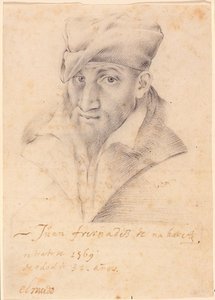
Juan Fernández Navarrete
1526 - 1579 , España
Datos clave
- Artistic Movement Or Style: Mannerism
- Artists Who Influenced This Artist:
- Correggio
- Titian
- Date Of Birth: 1526
- Date Of Death: 1579
- Full Name: Juan Fernández Navarrete
- Nationality: Spanish
- Notable Artworks:
- Nativity
- Baptism of Christ
- Abraham Receiving the Three Angels
- Place Of Birth: Spain
Artículos relacionados

Giclée Prints: Archival Quality & Aesthetic Nuances for the Discerning Collector
Explore the world of giclée prints with ArtsDot. Learn about archival quality, aesthetic nuances & investment potential. Expert guidance for discerning art collectors seeking museum-quality reproductions and lasting value.

The Enduring Legacy of Fine Art Prints: Technique, History & Aesthetic Impact
Explore the rich history & techniques of fine art prints. Discover investment potential, assess authenticity, and learn how to preserve your collection with expert guidance. Trusted insights for discerning collectors.

The Golden Age Reforged: Dramatic Realism & Religious Zeal in Spanish Baroque Art
Explore the dramatic world of Spanish Baroque art! Discover masters like Zurbarán & the powerful influence of religious zeal on painting techniques – a guide for collectors and enthusiasts.

Echoes of Time: Exploring the Enduring Appeal & Historical Context of Vintage Art Prints
Explore the captivating world of vintage art prints! Discover their history, collecting tips & enduring appeal. Expert insights on chromolithography and building a legacy collection with ArtsDot.

El Greco: Las 25 Obras Maestras que Definen un Genio del Arte y la Fe
Descubre las 25 obras maestras de El Greco, el genio del Renacimiento español. Explora su arte religioso, manierismo y la historia detrás de cuadros icónicos como 'El Entierro del Conde de Orgaz'. Encuentra reproducciones de alta calidad en ArtsDot.com.