

 Ver en contexto
 Enviar
 Compartir
 Detalles

 Descargar
 Similares
 Radiografía
 Presentación de diapositivas
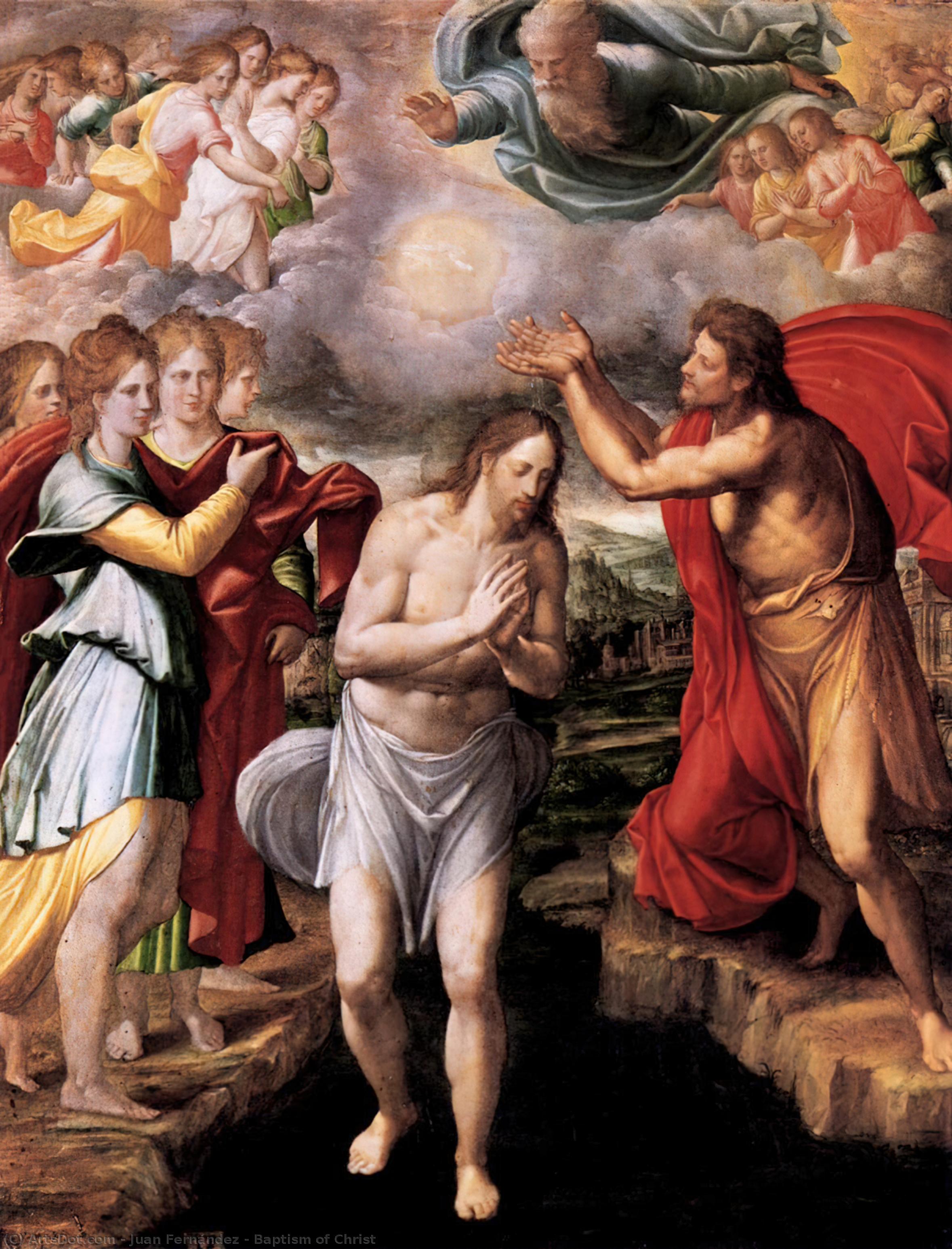
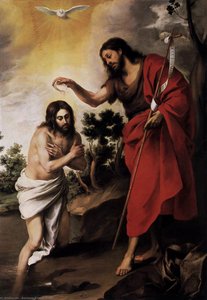
Baptism of Christ
 Oil On Canvas
- WallArt
- Mannerism
 1568
1568- Early Modern
 49.0 x 37.0 cm
 Museo del Prado
 Ver más
Adquiera una imagen digital de alta resolución y optimizada, muy superior a la vista previa en línea.
Cada archivo es preparado meticulosamente por nuestros especialistas internos mediante el uso de herramientas avanzadas y un experto retoque manual. Nos aseguramos de que cada imagen posea una claridad excepcional, una precisión cromática impecable y un detalle minucioso.
El archivo final se entrega por correo electrónico en un plazo de 72 horas, optimizado para su uso inmediato en entornos profesionales, editoriales y de impresión. Esta es la misma calidad en la que confían los estudios de diseño, las editoriales y las galerías de primer nivel.
Imagen Digital
Descarga un archivo de alta resolución para exhibición personal, impresión y proyectos creativos. ( Comprar impresión Comprar pintura hecha a mano)
Incluido en cada pedido de imágenes digitales
Entrega digital experta, garantizada.
Al elegir ArtsDot.com, no solo está adquiriendo una imagen; está recibiendo una obra de arte digital mejorada profesionalmente, elaborada con precisión y respaldada por una garantía de satisfacción. Esto es todo lo que incluye su pedido, automáticamente:

Entrega rápida por email
Recibirá su archivo de imagen digital en alta resolución por correo electrónico en un plazo de 72 horas tras realizar su pedido, listo para su uso inmediato.

Archivo digital optimizado por IA
Su obra de arte se optimiza profesionalmente mediante herramientas avanzadas de IA y edición manual, garantizando el máximo detalle, claridad y precisión cromática.

Reenvío gratuito de por vida
¿Has borrado o perdido tu archivo por error? No te preocupes: te lo volveremos a enviar en cualquier momento, sin coste adicional.

Sin gastos de importación, siempre
Disfrute de su obra de arte al instante sin aduanas, aranceles ni gastos de envío; las descargas digitales siempre están libres de impuestos.

Garantía de fidelidad de color
Garantizamos que su imagen digital refleje los colores originales con la mayor fidelidad posible, mediante el uso de herramientas profesionales y gestión del color.

Garantía de satisfacción de 60 días
Si no está satisfecho con su imagen digital, la revisaremos o le reembolsaremos el 100% en un plazo de 60 días, sin preguntas.

100% Garantía de devolución de dinero
¿No está satisfecho? Obtenga un reembolso completo dentro de los 60 días posteriores a la recepción de su archivo digital, sin necesidad de explicaciones.

Descuentos por pedidos grandes
Compra 3 imágenes, ahorra 10% - Compra 5, ahorra 15% - Compra 10+, ahorra 20%. Ideal para proyectos creativos, galerías y agencias.
Descripción del coleccionable
The Divine Encounter: A Study in Spiritual Drama
Before you stands a breathtaking vision of spiritual fervor—the Baptism of Christ. This masterpiece captures not merely an event, but a profound moment of divine transition. The composition is alive with energy; the gentle flow of the Jordan River seems to mirror the surging emotion surrounding the central figures. At its heart, we witness John the Baptist guiding Jesus through the sacred waters, an act that marks the beginning of Christ's public ministry. Look closely at the interaction between the three primary elements: the water, the men, and the celestial presence above. The artist has masterfully orchestrated this scene to feel both monumental in scope and intensely intimate in its spiritual weight.
Navarrete’s Mastery of Mannerist Drama
Painted around 1568 by Juan Fernández de Navarrete, this work is a quintessential example of Spanish Mannerism. Navarrete, known reverently as “El Mudo,” channeled the dramatic intensity characteristic of the period while remaining deeply devoted to religious narrative. His technique allows for a dynamic tension; notice how the figures are arranged—they do not rest statically but seem caught in a moment of unfolding revelation. The handling of light is particularly noteworthy, illuminating key gestures and faces while allowing the surrounding atmosphere, filled with dramatic clouds, to recede into sublime mystery. This skilled use of composition elevates the scene from mere depiction to an almost palpable spiritual experience.
Symbolism Woven into the Canvas
The symbolism here is rich and multilayered, inviting contemplation from every viewing angle. The baptism itself symbolizes purification, rebirth, and the acceptance of a divine mission. Above the figures, the scattering angels are not mere decoration; they represent the heavenly acknowledgment of this pivotal moment—a visual chorus praising the incarnation. Furthermore, the contrast between the earthly setting of the river and the ethereal glow emanating from above creates a powerful dialogue between humanity and divinity. For the collector or decorator, this piece offers more than just ornamentation; it offers a focal point for contemplation.
Bringing Sacred Grandeur Home
To bring such profound artistic gravity into your own space requires an appreciation for both history and execution. A reproduction of this size (49 x 37 cm) allows the drama to breathe, presenting the narrative scope without overwhelming a room's scale. When considering acquiring this piece, remember that you are inviting home a segment of Spain’s Golden Age devotion—a work steeped in the piety and dramatic flair of the High Renaissance transitioning into Mannerism. It serves as an immediate conversation starter, drawing viewers into its timeless mystery and compelling them to pause, reflect, and feel the weight of sacred history.
Obras relacionadas


Biografía del artista
Juan Fernández Navarrete (1526–1579): The Silent Master of El Escorial
Juan Fernández Navarrete, often referred to as “El Mudo” – meaning “The Silent” – stands as a pivotal figure in Spanish Mannerist painting and a devoted servant of Philip II. Born around 1526, his artistic journey unfolded against the backdrop of Spain’s Golden Age, marked by royal patronage and an unwavering fascination with Italian Renaissance ideals. Despite his quiet demeanor—a moniker earned due to his inability to speak—Navarrete achieved remarkable renown for his masterful depictions of religious subjects, particularly those commissioned for El Escorial, Philip II's monumental palace complex in Madrid. Early Life and Training: Precise biographical details remain elusive, but Navarrete’s formative years were spent honing his skills under the tutelage of Cristóbal Muñoz Sánchez, a prominent painter active in Valladolid. This training instilled in him a foundational understanding of classical principles and established a stylistic trajectory toward incorporating Italian Renaissance techniques into his own oeuvre. His dedication to mastering perspective and anatomical accuracy foreshadowed the meticulous realism that would characterize his later works. El Escorial: A Patron's Vision Navarrete’s career ascended to prominence during Philip II’s reign when he was appointed court artist, dedicating eleven years primarily to embellishing El Escorial with breathtaking altarpieces and frescoes. This commission allowed him to explore the expressive potential of Mannerism—characterized by stylized figures, dramatic lighting, and a deliberate rejection of naturalistic representation—drawing inspiration from artists like Correggio and Parmigianino. The sheer scale of this undertaking demanded exceptional artistic skill and unwavering commitment, resulting in monumental compositions that conveyed profound spiritual emotion. Correggio’s influence is palpable in the ethereal luminescence of “Nativity,” where radiant light emanates from the infant Jesus, creating an atmosphere of sublime beauty. Notable Works: Among Navarrete’s most celebrated achievements are “Nativity” (circa 1563), showcasing Correggio's influence with radiant light emanating from the infant Jesus, "Baptism of Christ" (1564), now housed in the Prado Museum, and “Abraham Receiving the Three Angels” (1576), residing at the National Gallery of Ireland. Each piece exemplifies Navarrete’s signature style—bold compositional arrangements combined with opulent coloration—solidifying his reputation as ‘the Spanish Titian.’ The meticulous detail evident in "Baptism of Christ," particularly the drapery folds and facial expressions, demonstrates Navarrete's unparalleled ability to capture human emotion through artistic representation. Technique and Style: Navarrete’s artistic approach was distinguished by a meticulous attention to detail and an exceptional command of pigment. He skillfully employed glazing techniques, layering translucent washes of color over underlying grounds to achieve luminous effects and imbue his paintings with depth and vibrancy. His palette favored warm hues—reds, golds, and browns—creating canvases that pulsated with emotional intensity. This masterful manipulation of light and color elevated his works beyond mere visual depiction, transforming them into vehicles for conveying spiritual contemplation and awe. Legacy: Navarrete’s influence extended beyond El Escorial, where he executed numerous altar-pieces across Spain. He left an indelible mark on the artistic landscape of his time, embodying the spirit of Mannerism's pursuit of idealized beauty and psychological drama. Though relatively little biographical information survives, his enduring legacy rests upon the grandeur and artistry of his monumental works—testaments to a singular talent devoted to serving royal majesty and elevating religious devotion through visual splendor. He remains an exemplar of artistic dedication and stylistic innovation within the context of Spanish Renaissance art.
Juan Fernández Navarrete
1526 - 1579 , España
Breves datos
- Artistic Movement Or Style: Mannerism
- Artists Who Influenced This Artist:
- Correggio
- Titian
- Date Of Birth: 1526
- Date Of Death: 1579
- Full Name: Juan Fernández Navarrete
- Nationality: Spanish
- Notable Artworks:
- Nativity
- Baptism of Christ
- Abraham Receiving the Three Angels
- Place Of Birth: Spain

