

 Vista previa
 Compartir
 Compartir
 Ver detalles

 Descargar
 Ver similares
 Radiografía
 Presentación de diapositivas
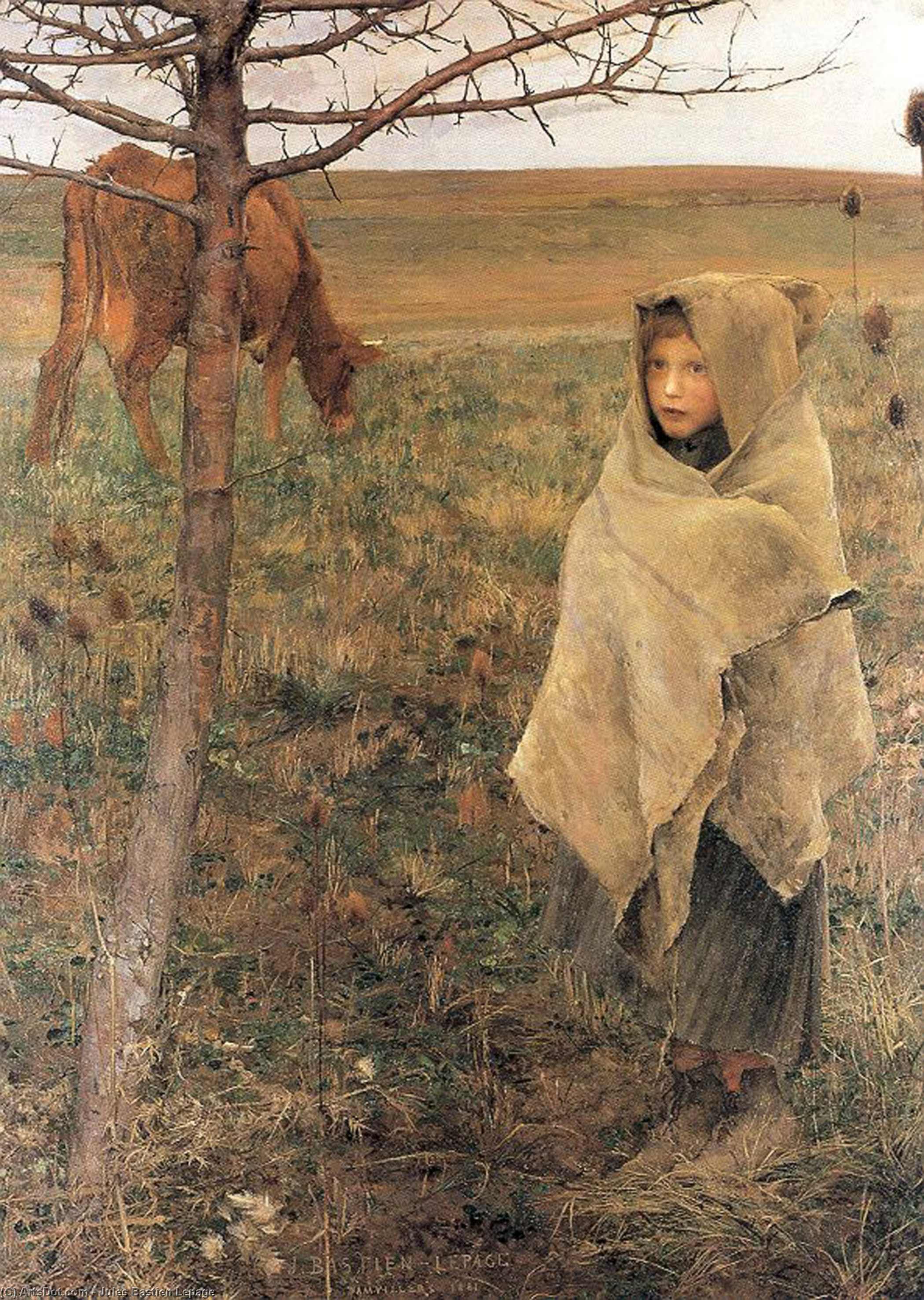
Pauvre Fauvette


 Leer más
Reproducción al óleo hecha a mano
Óleo sobre lienzo pintado a mano en el tamaño y marco de su elección, realizado por encargo por nuestros artistas. ( Pedir impresión Comprar descarga)




P118B $10

P118H $10

P118W $10

P438Z $10

P508JH $12

P508YH $12

P805H $10

P805Z $10

P919BZ $10

P919G $10

P919XJ $10

P959ZH $10

P968JZ $12

W106C $8

W218G $10

W218JH $8

W218Y $10

W307PJ $10

W316G $10

W316PJ $8

W316Y $10

W398PJ $8

W4111J $10

W500HY $15

W500JH $15

W692G $12

W849H $8

W940BG $15

W953PJ $8




Elija entre nuestros tamaños predefinidos que respetan las proporciones originales de la obra.

Puede ingresar sus propias dimensiones para adaptarse a un marco o espacio específico. Si el tamaño seleccionado no coincide con las proporciones de la imagen original, recortaremos la obra o extenderemos la pintura con elementos adicionales pintados a mano. Se le enviará una maqueta digital para su aprobación antes de comenzar la producción.
Tenga en cuenta que la vista previa en pantalla no refleja el recorte o la extensión reales. Solo la maqueta mostrará con precisión la composición final.
Si bien existen tamaños personalizados, recomendamos seleccionar una dimensión de la lista predefinida para preservar las proporciones originales.
Tras realizar el pedido, el equipo de ArtsDot.com enviará un correo electrónico al cliente para solicitar instrucciones y proporcionarle una vista previa del boceto.
Envío a todo el mundo () en 3-4 semanas en lugar de las 5 semanas estándar. (21 agosto). Sin comprometer la calidad.

Envío exprés gratuito a todo el mundo

Lienzo de lino de alta calidad

Seguro de envío completo

Garantía de reembolso de aranceles aduaneros

Garantía de fidelidad cromática exacta

Política de devolución de 60 días (solo por defectos)

Garantía de devolución del 100% del dinero

Oferta por volumen
 La opción de vidrio solo está disponible en tamaños inferiores a 110 cm.

Pauvre Fauvette
Técnica de reproducción
Tamaño de la reproducción
-


Precio total
$ 263
Descripción de la obra
The Heart of a French Landscape
Jules Bastien-Lepage’s “Pauvre Fauvette” (Poor Little Wild Girl) isn't merely a depiction of a young peasant child; it’s a poignant distillation of rural life in 19th-century France, imbued with a quiet dignity and profound melancholy. Painted in 1881, the artwork captures a fleeting moment – a girl, no older than seven or eight, huddled beneath a skeletal tree against the backdrop of a bleak winter landscape. The scene unfolds within the artist’s native region of Damvillers, Meuse, imbuing it with an authenticity that transcends simple representation and speaks to a deeply felt connection between the artist and his roots.
Naturalism’s Gentle Hand
Bastien-Lepage, a pivotal figure bridging Realism and Impressionism, belonged to the burgeoning Naturalist movement. Unlike the often idealized portrayals of peasant life prevalent at the time, he sought to capture the raw reality of rural existence – its hardships, its beauty, and its inherent dignity. “Pauvre Fauvette” exemplifies this approach. The girl’s face, etched with a subtle sadness, is rendered with remarkable detail; every wrinkle, every shadow speaks volumes about her life. The artist masterfully employs a muted palette—ochres, browns, and greys—to evoke the austerity of the winter season, emphasizing the vulnerability of the subject within this harsh environment. Bastien-Lepage’s technique is characterized by loose, expressive brushstrokes that create a sense of immediacy and movement, while simultaneously maintaining a meticulous attention to detail in capturing the textures of the girl's ragged clothing and the weathered bark of the tree.
Symbolism Woven into the Scene
Beyond its immediate depiction, “Pauvre Fauvette” is rich with symbolic resonance. The girl’s simple shawl, offering scant protection from the cold, represents the precariousness of her existence and the lack of material comforts. The tree itself, stripped bare by winter, symbolizes loss and hardship. Yet, despite this bleak setting, the girl's gaze—directed towards an unseen point beyond the canvas—suggests a quiet resilience, a sense of observation and perhaps even hope. The presence of the cows in the background further reinforces the theme of rural life, highlighting the symbiotic relationship between humans and nature. The composition’s asymmetry – with the girl positioned slightly off-center – creates a dynamic tension that draws the viewer's eye and amplifies the emotional impact of the scene.
A Legacy of Emotional Truth
Jules Bastien-Lepage’s “Pauvre Fauvette” remains a powerful testament to his artistic vision and his commitment to portraying the human condition with honesty and empathy. It's a painting that invites contemplation, prompting viewers to consider the lives of those often overlooked by society. The work’s enduring appeal lies in its ability to evoke a deep sense of emotion—a mixture of sadness, compassion, and perhaps even admiration for the girl’s quiet dignity. Reproductions of this masterpiece offer an opportunity to bring this evocative scene into any interior space, serving as a reminder of the beauty and fragility of life in rural France and the enduring power of art to capture the essence of human experience.
Obras relacionadas
![Pas Mèche [nothing Doing] — Jules Bastien-lepage, Naturalist Painting](/media/artworks/images/thumbnails/7e/ef/7eef15355f4b4c9cac0a91bcd75c9239.jpg)
Biografía del artista
Jules Bastien-Lepage: Pionero del Naturalismo
- Nacido: Damvillers, Francia (1848)
- Fallecido: 1884
Jules Bastien-Lepage fue un pintor francés estrechamente asociado con el inicio del naturalismo, un estilo artístico que surgió del movimiento realista y allanó el camino para el desarrollo del impresionismo. Sus representaciones al aire libre de la vida campesina en el campo fueron muy influyentes en muchos artistas internacionales.
Vida Temprana y Formación
Bastien-Lepage nació en 1848 en el pueblo de Damvillers, Meuse, donde pasó su infancia. Comenzó su formación artística bajo la tutela de su padre, que también era artista, antes de trasladarse a París en 1867 para estudiar en la École des Beaux-Arts. Allí, trabajó con Alexandre Cabanel y desarrolló sus habilidades como pintor.
Estilo Artístico e Influencias
El estilo de Bastien-Lepage se caracteriza por intrincados trazos y una paleta pura bañada con cálida luz natural. Se centró principalmente en los suburbios occidentales de París, pintando al aire libre siguiendo la tradición del plein air. Su obra estuvo influenciada por el movimiento realista, pero también sacó inspiración de otros artistas, como George Clausen y Tom Roberts.
- Características Clave: Trazos intrincados, paleta pura, cálida luz natural, pintura al aire libre (plein air).
- Influencias: Movimiento Realista, George Clausen, Tom Roberts.
Obras Principales y Reconocimiento
Bastien-Lepage logró un temprano éxito en 1874 con su pintura "Retrato de mi Abuelo", que obtuvo el reconocimiento de la crítica y recibió una medalla de tercer grado. También ganó renombre por sus pinturas históricas, incluyendo “Juana de Arco”, ahora expuesta en el Musée d'Orsay de París.
- Obras Notables:
- "Retrato de mi Abuelo" (1874)
- “Juana de Arco” (Musée d’Orsay, París)
- "Segando el Heno" (Les Foins) – reconocido como líder de la emergente escuela naturalista.
- "En Octubre - recolectando patatas"
- "A la Hora de la Cosecha"
- "Laura, Lady Alma Tadema"
- "Sarah Bernhardt" (1879) – un retrato que le valió importantes encargos.
- "Paisaje con carbón, invierno"
Tras el éxito de "Segando el Heno", Bastien-Lepage fue reconocido como líder de la emergente escuela naturalista. En 1883, un crítico podía proclamar que “todo el mundo pinta tanto hoy en día como m. bastien-lepage que m. bastien-lepage parece pintar como todo el mundo”. Esta fama le valió importantes encargos, incluido un retrato de Sarah Bernhardt en 1879.
Naturalismo y Legado
El naturalismo fue un movimiento artístico que surgió como reacción a la revolución industrial y su impacto en la sociedad. Representaba a la clase trabajadora y a los pobres, centrándose en sus luchas y dificultades. El movimiento comenzó en Francia y se extendió por Europa, convirtiéndose en un estilo artístico ampliamente reconocido.
- Significado: Bastien-Lepage fue una figura significativa en el desarrollo del naturalismo y el impresionismo. Sus pinturas continúan siendo celebradas por su belleza y profundidad emocional, y su influencia puede verse en muchos artistas que le siguieron.
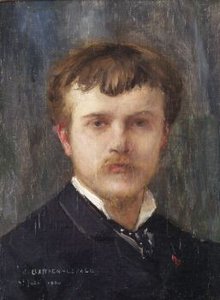
Jules Bastien-Lepage
1848 - 1884 , Francia
Datos clave
- Artistas Influenciados: ['Impresionismo']
- Artistas Que Influyeron:
- Alexandre Cabanel
- George Clausen
- Tom Roberts
- Fecha De Nacimiento: 1848
- Lugar De Nacimiento: Damvillers, Francia
- Movimiento Artístico: Naturalismo, Realismo
- Nacionalidad: Francés
- Nombre Completo: Jules Bastien-Lepage
- Obras Notables:
- Retrato de mi abuelo
- Juana de Arco
- Segando heno (Les Foins)
- Sarah Bernhardt
Artículos relacionados
Jules Breton: Capturing the Poetic Soul of French Rural Life
Explore the captivating world of Jules Breton, master of French Realism. Discover his iconic paintings of rural life, learn about his artistic journey, and find high-quality reproductions to elevate your art collection at ArtsDot.
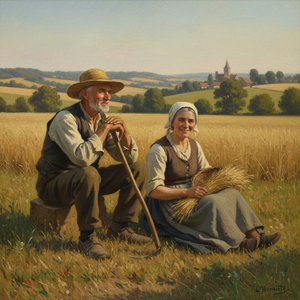
Léon Augustin L'Hermitte: Capturing the Soul of French Rural Life
Discover the captivating realist paintings of Léon Augustin L'Hermitte, masterfully depicting French rural life. Explore his technique, influences & legacy – a cornerstone of 19th-century art.
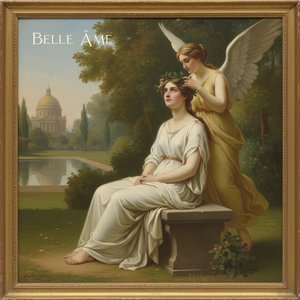
Jules Lefebvre: Master of Academic Realism & the Pursuit of Belle Âme
Explore the captivating figure paintings of Jules Lefebvre (1836-1911), a renowned French academic artist and educator. Discover his masterpieces, signature style, and lasting influence on art history. Shop high-quality reproductions at ArtsDot.
Echoes of Rural Life: Art's Enduring Representations of the Countryside
Explore the rich history of rural life in art! Discover masterpieces from Millet to Mauve & beyond. Learn about Realism, Barbizon School & find inspiration for your home with ArtsDot.
Cultivating Visions: Rural Life & Social Commentary in Art History
Explore the rich history of rural life in art! Discover masterpieces from Dutch Masters to Van Gogh & Courbet. Uncover artistic movements, social significance & expert collecting insights at ArtsDot.

