 Enviar
 Compartir
 Detalles

 Descargar
 Similares
 Presentación de diapositivas
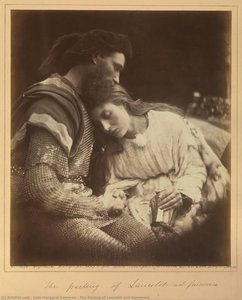
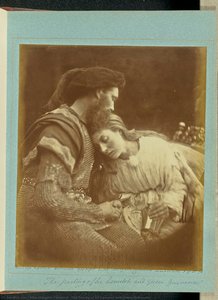
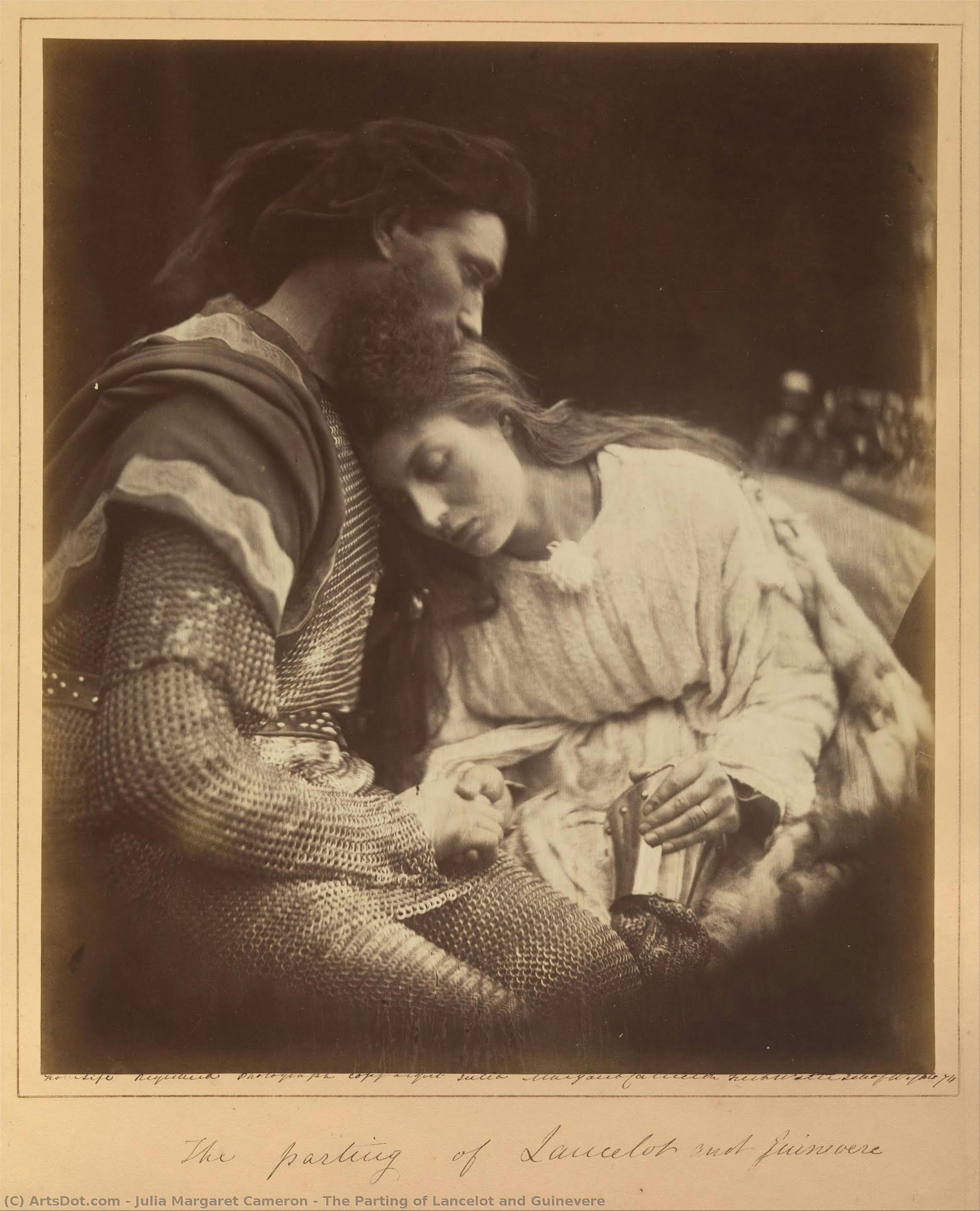
La partida de Lanzarote y Ginebra
 Arte digital
- Digital
- Fotografía Romántica
 1874
1874- Siglo XIX
 33.0 x 28.0 cm
 Museo Metropolitano de Arte
 Ver más
Reproducción al óleo hecha a mano
Óleo sobre lienzo pintado a mano en el tamaño y marco de su elección, realizado por encargo por nuestros artistas. ( Comprar impresión Comprar imagen)




































Elija entre nuestros tamaños predefinidos que respetan las proporciones originales de la obra.

Puede ingresar sus propias dimensiones para adaptarse a un marco o espacio específico. Si el tamaño seleccionado no coincide con las proporciones de la imagen original, recortaremos la obra o extenderemos la pintura con elementos adicionales pintados a mano. Se le enviará una maqueta digital para su aprobación antes de comenzar la producción.
Tenga en cuenta que la vista previa en pantalla no refleja el recorte o la extensión reales. Solo la maqueta mostrará con precisión la composición final.
Si bien existen tamaños personalizados, recomendamos seleccionar una dimensión de la lista predefinida para preservar las proporciones originales.
Tras realizar el pedido, el equipo de ArtsDot.com enviará un correo electrónico al cliente para solicitar instrucciones y proporcionarle una vista previa del boceto.
Envío a todo el mundo () en 3-4 semanas en lugar de las 5 semanas estándar. (26 agosto). Sin comprometer la calidad.

Envío exprés gratuito a todo el mundo

Lienzo de lino de alta calidad

Seguro de envío total

Garantía de reembolso de impuestos aduaneros

Garantía de fidelidad cromática exacta

Política de devolución de 60 días (solo por defectos)

Garantía de devolución del 100% del dinero

Descuento por cantidad
 La opción de vidrio solo está disponible en tamaños inferiores a 110 cm.

La partida de Lanzarote y Ginebra
Técnica de reproducción
Dimensiones de la reproducción
-


Precio total final
$ 263
Descripción de la obra
A Poignant Echo of Arthurian Tragedy
In the soft, silvered shadows of Julia Margaret Cameron’s 1874 masterpiece, "The Parting of Lancelot and Guinevere," we encounter more than a mere photographic record; we witness a soul-stirlyng fragment of legend brought to life. This evocative work captures the precise, agonizing moment of farewell between the legendary knight and his queen, as they prepare to part ways following their clandestine passion. Commissioned by the poet Alfred Lord Tennyson for his epic Idylls of the King, the image serves as a visual bridge between the written word and the photographic lens, translating the rhythmic sorrow of Tennyson’s verse into a tangible, haunting atmosphere. To gaze upon this piece is to step into a world where the boundaries between reality and myth dissolve, leaving only the raw, palpable ache of impending loss.
The composition is a masterclass in emotional intimacy, positioning the two figures in a closeness that suggests both their profound connection and the tragic weight of their separation. Clad in medieval-inspired attire that evokes the romanticism of the Pre-Raphaelite era, Lancelot and Guinevere are rendered not with the clinical sharpness of traditional portraiture, but with a dreamlike tenderness. The woman leans against the man’s shoulder, a gesture of vulnerability and reliance that speaks volumes about their shared history. For collectors and decorators, this piece offers a profound sense of narrative depth, making it an ideal centerpiece for spaces designed to evoke contemplation, nostalgia, or a sophisticated appreciation for historical romanticism.
The Alchemy of Soft Focus and Light
What truly distinguishes Cameron’s work is her revolutionary departure from the technical standards of her era. While her contemporaries sought the crisp, unyielding clarity of the Daguerreotype, Cameron embraced the aesthetic of Pictorialism. She deliberately utilized soft-focus techniques to create an ethereal haze, a deliberate blurring that mimics the way memory itself functions—fragmented, hazy, and colored by emotion rather than precise detail. This technique allows light to bleed softly around the edges of her subjects, creating an atmospheric illusion that feels less like a photograph and more like a fading dream.
This intentional lack of sharp definition serves a higher purpose: it prioritizes the essence of the human experience over the mere documentation of physical features. The muted, monochromatic palette emphasizes texture and shadow, drawing the eye to the subtle interplay of light on fabric and skin. For an interior designer, this soft-focus quality provides a unique advantage; the artwork does not demand attention through jarring brightness but rather invites the viewer into its quiet, melancholic orbit, complementing sophisticated, moody, or classically inspired decor with an understated elegance.
A Legacy of Symbolism and Artistic Vision
Beyond its technical brilliance, "The Parting of Lancelot and Guinevere" is steeped in a rich tapestry of symbolism. Every element, from the heavy drapery to the somber postures, reinforces the themes of duty, desire, and inevitable heartbreak. Cameron’s ability to capture the intangible—the weight of a secret, the sting of a goodbye—marks her as a pioneer who saw the camera not just as a tool for science, but as a medium for high art. Her work resonates with those who value art that tells a story, offering a window into the Victorian fascination with Arthurian legend and the Romantic movement's obsession with the sublime.
Owning a high-quality reproduction of this photograph allows one to bring this piece of history into a contemporary setting, bridging the gap between the 19th century and the present day. Whether placed in a private library, a grand hallway, or a curated gallery wall, the image acts as a silent storyteller, providing an anchor of historical depth and emotional resonance that continues to captivate the modern imagination.
Obras relacionadas
![[julia Jackson] — Julia Margaret Cameron, Fotografía Victoriana](/media/artworks/images-thumb/38/f1/38f1667da1e9e5ced766b2acd175f4c6.jpg)
Biografía del artista
Primeros años y trasfondo
Julia Margaret Cameron, una fotógrafa británica, nació el 11 de junio de 1815 en Calcuta, India, hija de Adeline de l'Etang y James Pattle. Su linaje aristocrático, con su tataranieta siendo la renombrada autora Virginia Woolf, sentó las bases para sus futuros esfuerzos artísticos.Carrera fotográfica (1864-1875)
El viaje fotográfico de Cameron comenzó a los 48 años, cuando recibió una cámara como regalo. Esto marcó el inicio de una carrera de once años que dejaría una huella imborrable en la fotografía británica. Su obra se caracterizó por:- Retratos de celebridades, mostrando su habilidad para capturar la esencia de sus sujetos.
- Temas arturianos y legendarios, que reflejaban su fascinación por la mitología y el folclore.
Estilo y técnica
El enfoque innovador de Cameron a la fotografía implicó:- Enfoque suave: Su uso deliberado de esta técnica resultó en retratos íntimos y cercanos que humanizaban a sus sujetos.
- Manipulación del proceso húmedo de colodión: Esto le permitió tratar la fotografía tanto como un arte como una ciencia, diferenciándola de sus contemporáneos.
Obras notables y legado
Algunas de las obras más destacadas de Cameron incluyen:-
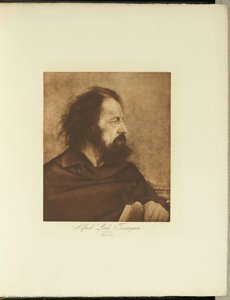
Alfred, Lord Tennyson (1865) - un testimonio de su capacidad para capturar la esencia de las figuras literarias británicas.
- Influencia en la fotografía moderna: Los retratos de Cameron con enfoque suave han influenciado a generaciones de fotógrafos.
Museos y colecciones
La obra de Cameron se puede encontrar en varios museos, incluyendo:- The Ingram Collection of Modern British and Contemporary Art - un renombrado museo de arte británico moderno en Londres, con una diversa gama de arte británico moderno.
- Plymouth Museum and Art Gallery - una institución cultural en Plymouth, Reino Unido, que alberga una impresionante colección de obras de arte.
Influencias y desarrollo artístico
Cameron no recibió una formación formal en fotografía, pero se inspiró en pioneros como Oscar Gustav Rejlander y Lewis Carroll. Experimentó con técnicas innovadoras, a menudo rechazando la nitidez técnica en favor de una estética más suave y evocadora. Su trabajo estuvo influenciado por el movimiento prerrafaelita, buscando capturar belleza idealizada y temas literarios y mitológicos. Su capacidad para crear retratos íntimos y atmosféricos la distinguió de sus contemporáneos.Significado histórico
Julia Margaret Cameron fue una figura pionera en la fotografía británica del siglo XIX. Su enfoque artístico y experimental desafió las convenciones fotográficas de su época, elevando el medio a un nivel de arte superior. Su trabajo ayudó a establecer la fotografía como una forma de expresión artística legítima y sentó las bases para futuras generaciones de fotógrafos que exploraron la subjetividad y la emoción en sus imágenes. Su legado perdura hoy en día, inspirando a artistas y fotógrafos por igual.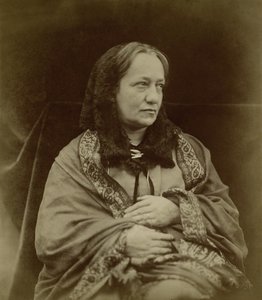
Julia Margaret Cameron
1815 - 1879 , India
Datos clave
- Artistas Influyentes:
- Oscar Gustav Rejlander
- Lewis Carroll
- Fecha De Fallecimiento: 26 de enero de 1879
- Fecha De Nacimiento: 11 de junio de 1815
- Influenciados Por El Artista:
- Diane Arbus
- Dorothea Lange
- Sally Mann
- Lugar De Nacimiento: Kolkata, India
- Movimiento Artístico: Fotografía victoriana
- Nacionalidad: Británica
- Nombre Completo: Julia Margaret Cameron
- Obras Notables: ['Alfred, Lord Tennyson (1865)']
Artículos relacionados
Pictorialismo: La Búsqueda del Alma de la Fotografía Artística – Estética, Técnicas y Legado
Descubre el Pictorialismo, un movimiento clave en la historia de la fotografía artística. Explora sus técnicas, figuras emblemáticas y su legado perdurable. Guía experta para coleccionistas y amantes del arte.
Beyond the Lens: Photography's Enduring Influence on Modern & Contemporary Art
Explore photography's pivotal role in shaping modern & contemporary art. Discover key movements, influential artists like Stieglitz, and expert collecting advice from ArtsDot.

Monochrome Visions: Exploring the Aesthetic & Historical Significance of Black & White Photography
Explore the rich history & artistic power of black and white photography. From early techniques to iconic masters like Ansel Adams, discover why monochrome continues to captivate art lovers today. Expert insights for collectors.
Witnessing History Through Lens & Light: Documentary Photography's Enduring Legacy
Explore the powerful history of documentary photography – from its origins to contemporary masters like Gordon Parks & W. Eugene Smith. Discover how this art form shapes our understanding of society and witness pivotal moments in time.
Los 10 Maestros de la Fotografía Documental: Obras que Cambiaron el Arte y la Decoración
Descubre los 10 iconos de la fotografía documental que cambiaron el arte. Explora las historias detrás de obras maestras de Dorothea Lange, Robert Capa y más. Reproducciones de alta calidad para decorar tu hogar con arte atemporal en .