

 Ver en contexto
 Enviar
 Compartir
 Detalles

 Descargar
 Similares
 Radiografía
 Presentación de diapositivas
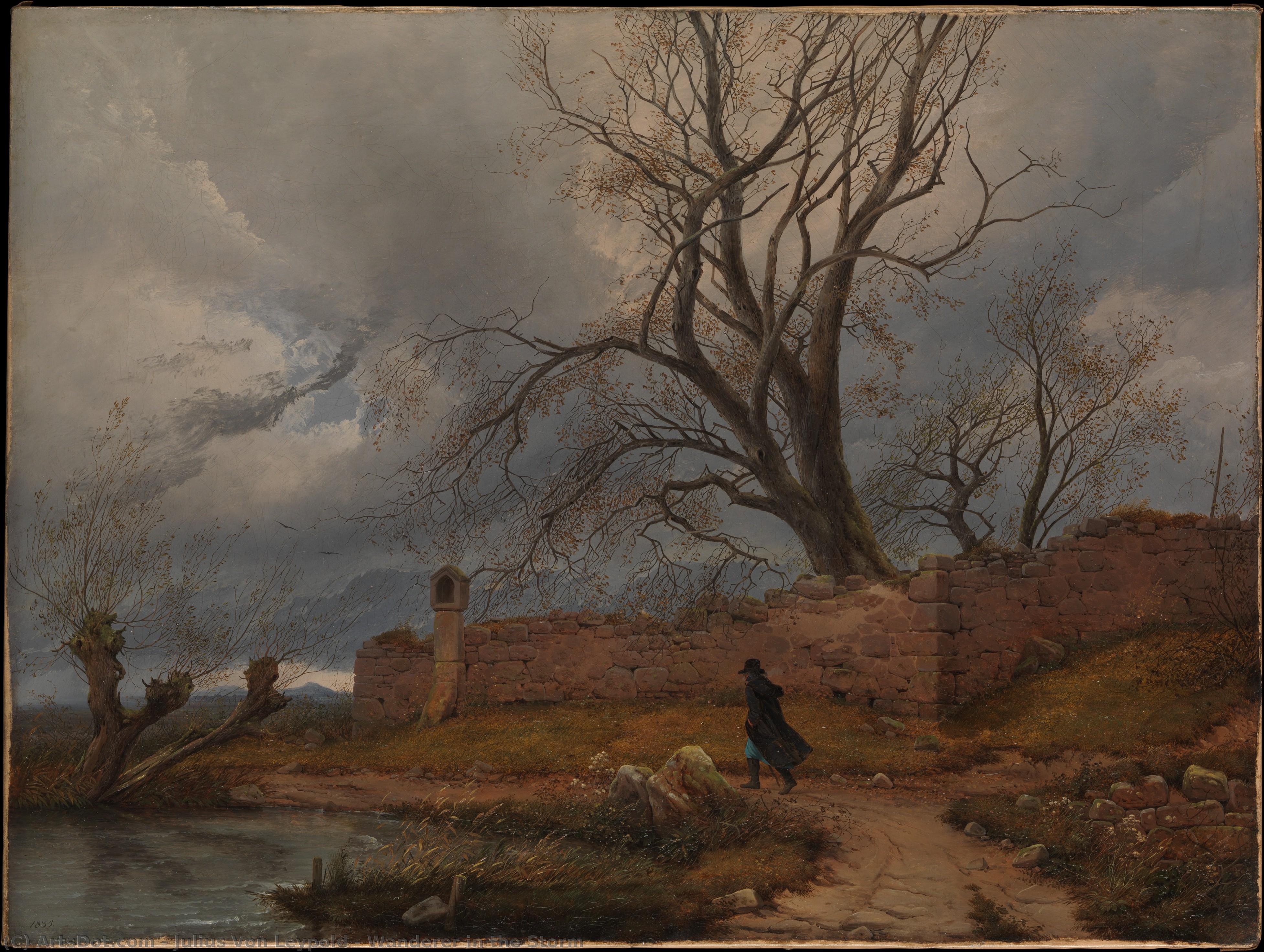
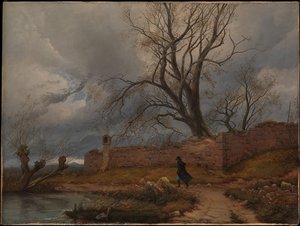
Wanderer in the Storm
 1835
1835 43.0 x 57.0 cm
 Museo Metropolitano de Arte
 Ver más
Adquiera una imagen digital de alta resolución y optimizada, muy superior a la vista previa en línea.
Cada archivo es preparado meticulosamente por nuestros especialistas internos mediante el uso de herramientas avanzadas y un experto retoque manual. Nos aseguramos de que cada imagen posea una claridad excepcional, una precisión cromática impecable y un detalle minucioso.
El archivo final se entrega por correo electrónico en un plazo de 72 horas, optimizado para su uso inmediato en entornos profesionales, editoriales y de impresión. Esta es la misma calidad en la que confían los estudios de diseño, las editoriales y las galerías de primer nivel.
Imagen Digital
Descarga un archivo de alta resolución para exhibición personal, impresión y proyectos creativos. ( Comprar impresión Comprar pintura hecha a mano)
Incluido en cada pedido de imágenes digitales
Entrega digital experta, garantizada.
Al elegir ArtsDot.com, no solo está adquiriendo una imagen; está recibiendo una obra de arte digital mejorada profesionalmente, elaborada con precisión y respaldada por una garantía de satisfacción. Esto es todo lo que incluye su pedido, automáticamente:

Entrega rápida por email
Recibirá su archivo de imagen digital en alta resolución por correo electrónico en un plazo de 72 horas tras realizar su pedido, listo para su uso inmediato.

Archivo digital optimizado por IA
Su obra de arte se optimiza profesionalmente mediante herramientas avanzadas de IA y edición manual, garantizando el máximo detalle, claridad y precisión cromática.

Reenvío gratuito de por vida
¿Has borrado o perdido tu archivo por error? No te preocupes: te lo volveremos a enviar en cualquier momento, sin coste adicional.

Sin gastos de importación, siempre
Disfrute de su obra de arte al instante sin aduanas, aranceles ni gastos de envío; las descargas digitales siempre están libres de impuestos.

Garantía de fidelidad de color
Garantizamos que su imagen digital refleje los colores originales con la mayor fidelidad posible, mediante el uso de herramientas profesionales y gestión del color.

Garantía de satisfacción de 100 días
Si no está satisfecho con su imagen digital, la revisaremos o le reembolsaremos el 100% en un plazo de 100 días, sin preguntas.

100% Garantía de devolución de dinero
¿No está satisfecho? Obtenga un reembolso completo dentro de los 100 días posteriores a la recepción de su archivo digital, sin preguntas.

Descuentos por pedidos grandes
Compra 3 imágenes, ahorra 10% - Compra 5, ahorra 15% - Compra 10+, ahorra 20%. Ideal para proyectos creativos, galerías y agencias.
Obras relacionadas



Biografía del artista
A Life Immersed in Romantic Landscapes
Carl Julius von Leypold, born in Dresden in 1806, was a painter deeply entwined with the spirit of German Romanticism. His life unfolded against a backdrop of burgeoning artistic expression and a fascination with nature’s power—a sensibility that would come to define his oeuvre. Coming from an artistic family, young Julius was naturally drawn to painting, beginning his formal studies at the Dresden Academy of Fine Arts in 1820. It was here he encountered Johan Christian Dahl, a pivotal figure who initially guided his hand and introduced him to the nuances of landscape painting. However, it was the profound influence of Caspar David Friedrich that truly shaped Leypold’s artistic vision, steering him toward themes of solitude, introspection, and the sublime beauty of the natural world.The Embrace of Friedrich's Legacy
Early in his career, von Leypold’s work bore a striking resemblance to that of Friedrich. He meticulously adopted similar compositional elements, subject matter, and an overall mood of quiet contemplation. This period led to some historical confusion, with several paintings initially attributed to the more renowned Friedrich before being correctly identified as Leypold's own through later scholarly research. While this early imitation might seem derivative, it was a crucial stage in his development—a dedicated study of a master whose work resonated deeply with his own emerging artistic sensibilities. He wasn’t merely copying; he was absorbing and internalizing the principles that underpinned Friedrich’s iconic style: the use of atmospheric perspective to convey depth, the symbolic weight placed on individual figures within vast landscapes, and the evocation of emotional responses through nature's grandeur.Finding a Distinct Voice
As his career progressed, von Leypold gradually moved beyond direct imitation, forging a unique path that blended Romantic idealism with a growing emphasis on topographical precision. While retaining the misty atmospheres, dramatic lighting, and picturesque ruins characteristic of the Romantic tradition, he began to incorporate more detailed renderings of specific locations. This shift resulted in landscapes that felt both emotionally evocative and grounded in reality—a delicate balance between subjective experience and objective observation. His paintings weren’t simply representations of nature; they were imbued with a sense of melancholy, isolation, and a yearning for something beyond the tangible world.Major Works and Artistic Achievements
Wanderer in the Storm, painted in 1835, remains his most celebrated work—a powerful embodiment of Romantic themes. The painting depicts a lone figure traversing a rugged landscape engulfed by an approaching storm. It’s not merely a depiction of inclement weather; it's a visual metaphor for the existential struggles and restless yearning that defined the era. Parallels can be drawn to Franz Schubert’s song cycle *Die Winterreise*, which explores similar themes of loneliness and alienation. Beyond this iconic piece, von Leypold produced numerous detailed graphite sketches of castles and landscapes, showcasing his technical skill and keen eye for architectural detail. His watercolors, often featuring moonlit winter scenes with Gothic churches and solitary figures, further exemplify his consistent stylistic trademarks—delicately rendered tree branches, eerie nocturnal isolation, and a pervasive sense of quiet drama.Recognition and Lasting Significance
In 1857, von Leypold was honored with an honorary membership in the Dresden Art Academy, acknowledging his contributions to the artistic community. However, after his death in Niederlößnitz in 1874, his reputation waned, overshadowed by the fame of Friedrich and other prominent Romantic painters. It wasn’t until the work of art historian Werner Sumowski in 1971 that a concerted effort was made to reattribute key paintings and restore von Leypold's rightful place within the canon of 19th-century German landscape art. Today, his oeuvre is valued for its ability to bridge early Romantic idealism with later precision, offering a nuanced perspective on the complexities of human experience and the enduring power of nature. His work continues to resonate with viewers who seek solace, contemplation, and a deeper connection to the world around them.- Born in Dresden, Saxony, into an artistic family.
- Studied at the Dresden Academy of Fine Arts under Johan Christian Dahl (1820-1829).
- Profoundly influenced by Caspar David Friedrich’s Romantic style.
- Achieved recognition with his painting, “Wanderer in the Storm” (1835).
- Became an honorary member of the Dresden Art Academy in 1857.
Breves datos
- Artistic Movement Or Style: Romantic landscape painting
- Artists Who Influenced This Artist:
- Johan Christian Dahl
- Caspar David Friedrich
- Date Of Birth: June 24, 1806
- Date Of Death: 1874
- Full Name: Carl Julius von Leypold
- Nationality: German
- Notable Artworks: ['Wanderer in the Storm']
- Place Of Birth: Dresden, Germany