

 Vista previa
 Compartir
 Compartir
 Ver detalles

 Descargar
 Ver similares
 Radiografía
 Presentación de diapositivas
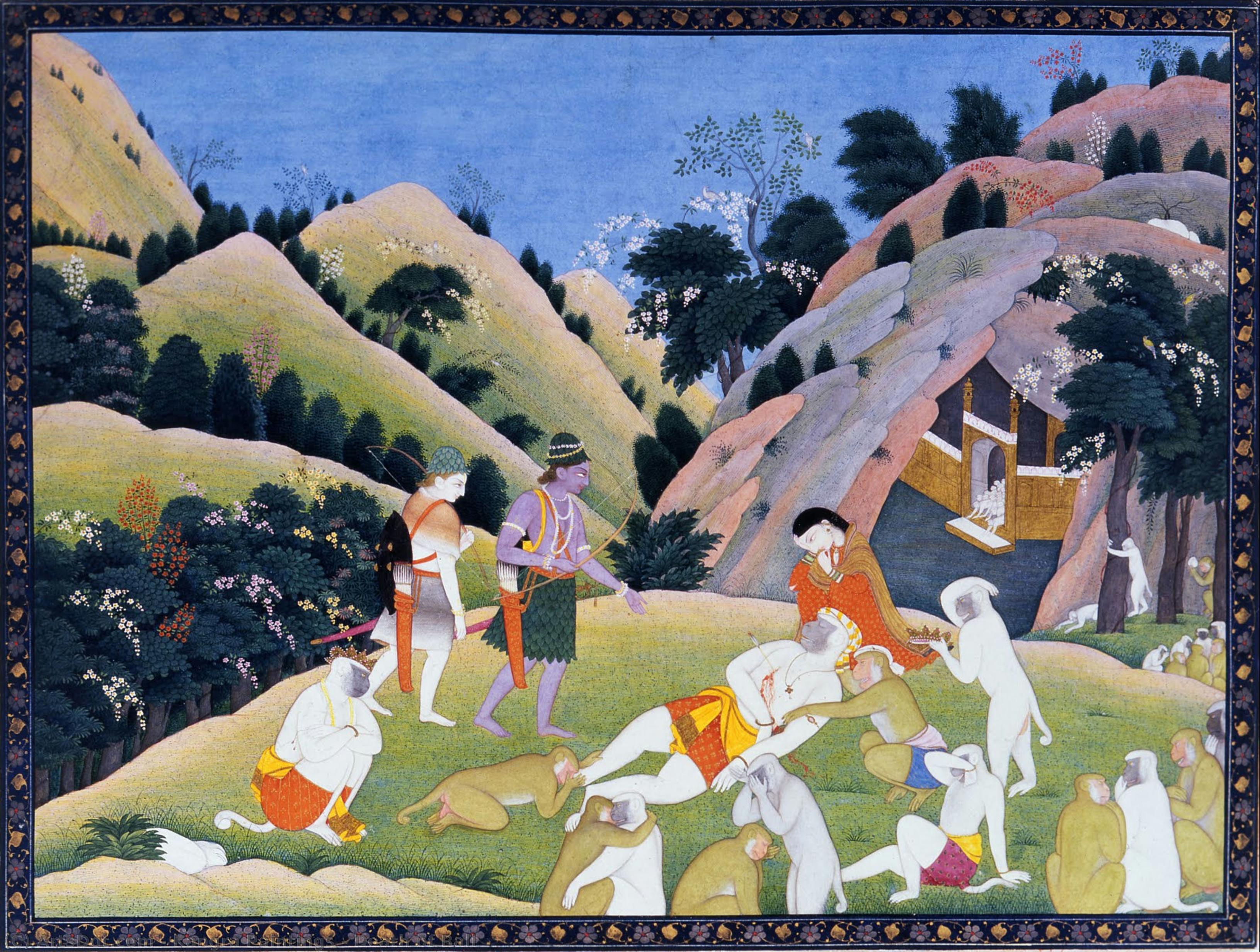
Death of Bali
 Gouache
- WallArt
- Pahari Painting
 1800
1800- 19th Century
 23.0 x 32.0 cm
 Toledo Museum of Art
 Leer más
Adquiera una imagen digital de alta resolución y optimizada, muy superior a la vista previa en línea.
Cada archivo es preparado meticulosamente por nuestros especialistas internos mediante el uso de herramientas avanzadas y un experto retoque manual. Nos aseguramos de que cada imagen posea una claridad excepcional, una precisión cromática impecable y un detalle minucioso.
El archivo final se entrega por correo electrónico en un plazo de 72 horas, optimizado para su uso inmediato en entornos profesionales, editoriales y de impresión. Esta es la misma calidad en la que confían los estudios de diseño, las editoriales y las galerías de primer nivel.
Imagen Digital
Descarga un archivo de alta resolución para exhibición personal, impresión y proyectos creativos. ( Pedir impresión Encargar reproducción pintada a mano)
Incluido en cada compra de imágenes digitales
Entrega digital experta, garantizada.
Al elegir ArtsDot.com, no solo está adquiriendo una imagen; está recibiendo una obra de arte digital mejorada profesionalmente, elaborada con precisión y respaldada por una garantía de satisfacción. Esto es todo lo que incluye su pedido, automáticamente:

Entrega rápida por email
Recibirá su archivo de imagen digital en alta resolución por correo electrónico en un plazo de 72 horas tras realizar su pedido, listo para su uso inmediato.

Archivo digital optimizado por IA
Su obra de arte se optimiza profesionalmente mediante herramientas avanzadas de IA y edición manual, garantizando el máximo detalle, claridad y precisión cromática.

Reenvío gratuito de por vida
¿Has borrado o perdido tu archivo por error? No te preocupes: te lo volveremos a enviar en cualquier momento, sin coste adicional.

Sin gastos de importación, siempre
Disfrute de su obra de arte al instante sin aduanas, aranceles ni gastos de envío; las descargas digitales siempre están libres de impuestos.

Garantía de precisión de color
Garantizamos que su imagen digital refleje los colores originales con la mayor fidelidad posible, mediante el uso de herramientas profesionales y gestión del color.

Garantía de satisfacción de 60 días
Si no está satisfecho con su imagen digital, la revisaremos o le reembolsaremos el 100% en un plazo de 60 días, sin preguntas.

100% Garantía de devolución de dinero
¿No está satisfecho? Obtenga un reembolso completo dentro de los 60 días posteriores a la recepción de su archivo digital, sin necesidad de explicaciones.

Descuentos por volumen
Compra 3 imágenes, ahorra 10% - Compra 5, ahorra 15% - Compra 10+, ahorra 20%. Ideal para proyectos creativos, galerías y agencias.
Descripción del coleccionable
A Poignant Moment in the Epic of Ramayana
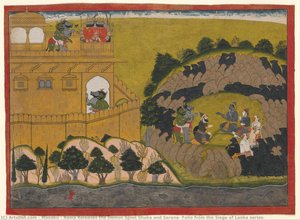
In the delicate, miniature world of the Kangra school, certain moments transcend the boundaries of paper and pigment to touch the very soul of human experience. The Death of Bali is one such masterpiece, a profound window into the emotional heart of the Ramayana. This exquisite painting from approximately 1800 captures a pivotal scene of grief, justice, and moral complexity. As the hero Rama stands unrepentant alongside his brother Laksmana, the dying king Bali directs his final, wounded breaths toward an admonishment of the archer who struck him from the shadows. It is a scene thick with pathos, where the boundaries between righteousness and treachery blur, inviting the viewer to contemplate the heavy cost of divine duty.
The artwork serves as a breathtaking example of the Pahari tradition, specifically the Kangra style, which flourished in the Himalayan foothills. Unlike larger-scale murals, this miniature painting relies on an intimate scale to convey grand, cosmic dramas. The composition is a masterclass in narrative layering; while the central conflict provides the dramatic tension, the surrounding landscape offers a serene, almost ethereal backdrop that contrasts sharply with the violence of the event. This juxtaposition creates a sense of eternal stillness, as if the tragedy is etched forever into the natural order of the world.
Mastery of Line and Lyrical Color
To behold this piece is to witness the pinnacle of Indian miniature technique. The artist employs incredibly fine, meticulous lines to define the forms of the figures, lending a rhythmic cadence to the entire composition. Every fold of Rama’s leafy attire and every subtle expression of agony on Bali's face is rendered with surgical precision. The technique involves the careful application of thin, translucent washes of color, building depth and luminosity through sheer patience. This method allows for a soft, diffused light to bathe the scene, creating an atmosphere that feels both grounded in reality and elevated by divinity.
The color palette is a sophisticated balance of cool and warm tones. Deep blues and lush greens dominate the landscape, evoking the fertile, life-giving essence of the Indian wilderness, yet these are punctuated by warmer accents of pink and yellow that draw the eye toward the central figures. This careful orchestration of hue does more than just decorate; it guides the viewer's emotional journey through the painting, moving from the tranquil beauty of the natural world to the heated, visceral moment of the fatal arrow's impact.
A Timeless Treasure for the Discerning Collector
For the art lover or interior designer, The Death of Bali offers much more than mere decoration. It is a profound narrative object that brings a sense of history, spirituality, and intellectual depth to any space. The painting’s symbolic richness—from the sacred landscape to the themes of dharma (duty) and karma (action)—makes it a conversation piece of unparalleled substance. Whether displayed in a private study or as a focal point in a curated gallery, its intricate details reward prolonged contemplation.
Owning a high-quality reproduction of such a significant work allows one to preserve the legacy of the Kangra masters. It brings the delicate elegance of 18th-century Indian artistry into the modern era, offering a touch of classical grace and an invitation to reflect on the timeless stories that continue to shape our understanding of morality and love. This piece is not merely an image; it is an emotional experience, captured in the eternal dance of pigment and prayer.
Obras relacionadas
![Vida De San Francisco - [04] - Muerte Y Ascensión De San Francisco — Giotto Di Bondone, Renacimiento Italiano](/media/artworks/images-thumb/08/8b/088b102b13c1a379233690905590f156.jpg)
Biografía del artista
Kangra Paintings: A Legacy of Lyricism and Intricate Detail
Kangra paintings, named after the former princely state of Himachal Pradesh, represent a distinctive school of Indian art that flourished in the 18th century. More than just decorative miniatures, these artworks embody a profound spiritual ethos—primarily centered on the eternal love between Hindu deities Krishna and Radha—characterized by lyrical prose, rhythmic cadence, and astonishingly detailed compositions. Their enduring appeal lies not only in their aesthetic beauty but also in their ability to convey complex emotions and narratives rooted in Hindu mythology.Origins and Evolution
The kangra painting style emerged as a reaction against the waning influence of the Basohli school of painting around 1750. Recognizing the need for fresh artistic expression, artists from Kangra swiftly established themselves as prominent figures within the broader Pahari painting tradition. This stylistic shift was fueled by patronage from royal families and fostered a prolific output of paintings that cemented Kangra’s reputation as a center for artistic innovation. The style quickly absorbed influences from Mughal and Rajput art schools, adapting their techniques while retaining its core identity—a testament to its adaptability and enduring relevance. Basawan is considered one of the most gifted artists of his time, renowned for his masterful portrayal of portraiture within kangra paintings. His depictions of royal figures are distinguished by remarkable realism and psychological depth, demonstrating a keen understanding of human anatomy and expression.Key Characteristics: A Symphony of Visual Elements
What distinguishes kangra paintings is their unparalleled attention to detail and their expressive use of color and composition. Artists meticulously rendered figures and landscapes with painstaking precision, capturing subtle nuances of emotion and gesture. The rhythmic cadence of the paintings—evident in the arrangement of elements and the flow of lines—creates a captivating visual experience that transcends mere representation. Furthermore, Kangra painters skillfully employed vibrant hues to convey mood and symbolism, reflecting Hindu cosmological beliefs and devotional fervor. Recurring motifs include lotus blossoms symbolizing purity and Krishna’s flute representing divine music – elements meticulously crafted to evoke spiritual contemplation. The influence of Mughal art is palpable in kangra paintings’ formal structure and decorative elements, while Rajput aesthetics contribute to their dramatic landscapes and heroic narratives.Notable Artists and Influences
Raja Ravi Verma's contributions to the style further solidified Kangra painting's reputation as a symbol of Indian artistic heritage. He skillfully blended traditional techniques with Western influences, resulting in canvases that captivated audiences worldwide. His works exemplify the harmonious fusion of Eastern spirituality and artistic innovation. The stylistic evolution of kangra paintings reflects a dynamic interplay between tradition and experimentation—a characteristic that distinguishes it from other art forms of its time.Historical Significance and Legacy
Kangra paintings hold a significant place within the history of Indian art, serving as a powerful visual record of Hindu mythology and devotional practices. Their exquisite craftsmanship continues to inspire artists today, demonstrating the enduring power of tradition and creativity. Today, masterpieces by kangra painters reside in prestigious institutions like the National Gallery of Modern Art in New Delhi, India, ensuring that their artistic legacy persists for generations to come. These paintings are not merely objects of beauty; they are windows into a rich cultural past—a testament to the spiritual values and artistic achievements of Himachal Pradesh’s illustrious heritage.
Kangra Pinturas
India
Datos clave
- Artistic Movement Or Style: Pahari Painting Style
- Artists Or Movements Influenced By This Artist:
- Mughal School
- Rajput Art India
- Artists Who Influenced This Artist: ['Basawan']
- Date Of Birth: (Living)
- Full Name: Kangra Paintings
- Nationality: India
- Notable Artworks: ['Death of Bali']
- Place Of Birth: Kangra, India

