

 Ver en contexto
 Enviar
 Compartir
 Detalles

 Descargar
 Similares
 Radiografía
 Presentación de diapositivas
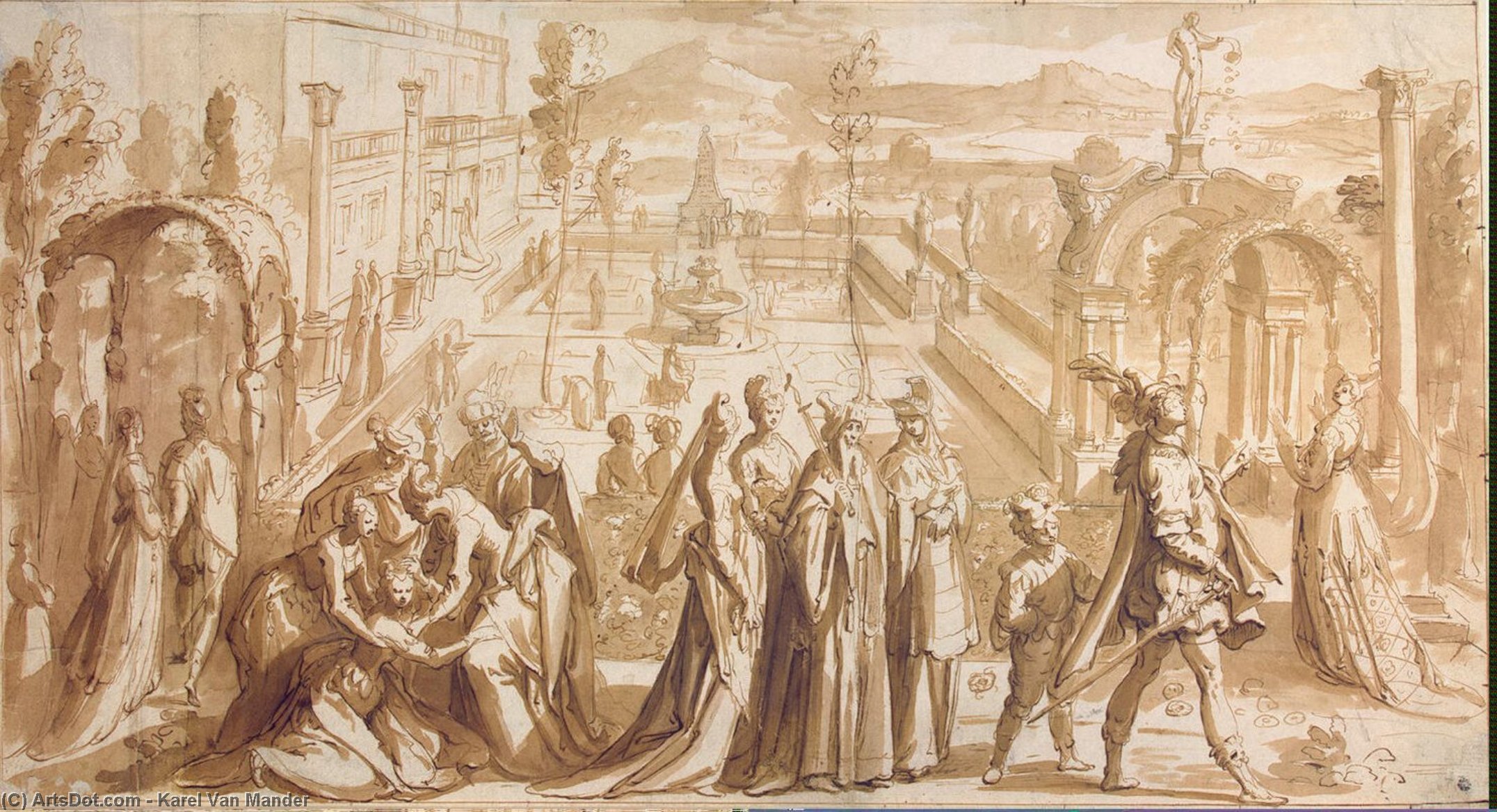
Oriane Endavours to Perform Feats of Magic in the Garden of Apolidon
 Oil On Canvas
- WallArt
- Northern Mannerism
 1595
1595- Early Modern
 272.0 x 496.0 cm
 Museo del Hermitage
 Ver más
Reproducción al óleo hecha a mano
Óleo sobre lienzo pintado a mano en el tamaño y marco de su elección, realizado por encargo por nuestros artistas. ( Comprar impresión Comprar imagen)




P118B $10

P118H $10

P118W $10

P438Z $10

P508JH $12

P508YH $12

P805H $10

P805Z $10

P919BZ $10

P919G $10

P919XJ $10

P959ZH $10

P968JZ $12

W106C $8

W218G $10

W218JH $8

W218Y $10

W307PJ $10

W316G $10

W316PJ $8

W316Y $10

W398PJ $8

W4111J $10

W500HY $15

W500JH $15

W692G $12

W849H $8

W940BG $15

W953PJ $8




Elija entre nuestros tamaños predefinidos que respetan las proporciones originales de la obra.

Puede ingresar sus propias dimensiones para adaptarse a un marco o espacio específico. Si el tamaño seleccionado no coincide con las proporciones de la imagen original, recortaremos la obra o extenderemos la pintura con elementos adicionales pintados a mano. Se le enviará una maqueta digital para su aprobación antes de comenzar la producción.
Tenga en cuenta que la vista previa en pantalla no refleja el recorte o la extensión reales. Solo la maqueta mostrará con precisión la composición final.
Si bien existen tamaños personalizados, recomendamos seleccionar una dimensión de la lista predefinida para preservar las proporciones originales.
Tras realizar el pedido, el equipo de ArtsDot.com enviará un correo electrónico al cliente para solicitar instrucciones y proporcionarle una vista previa del boceto.
Envío a todo el mundo () en 3-4 semanas en lugar de las 5 semanas estándar. (27 agosto). Sin comprometer la calidad.

Envío exprés gratuito a todo el mundo

Lienzo de lino de alta calidad

Seguro de envío total

Garantía de reembolso de impuestos aduaneros

Garantía de fidelidad cromática exacta

Política de devolución de 60 días (solo por defectos)

Garantía de devolución del 100% del dinero

Descuento por cantidad
 La opción de vidrio solo está disponible en tamaños inferiores a 110 cm.

Oriane Endavours to Perform Feats of Magic in the Garden of Apolidon
Técnica de reproducción
Dimensiones de la reproducción
-


Precio total final
$ 263
Descripción de la obra
A Flourish of Myth and Merriment in Apolidon's Garden
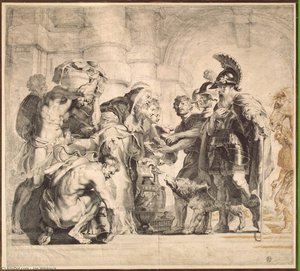
To gaze upon Karel van Mander’s depiction of Oriane Endavours to Perform Feats of Magic in the Garden of Apolidon is to step directly into a sun-drenched tableau lifted from the pages of classical mythology. This grand scene, executed around 1595, captures not merely an event, but a vibrant confluence of human curiosity and divine wonder. The composition unfolds within what appears to be a lush, idealized courtyard—the Garden of Apolidon itself—a setting ripe with potential for both spectacle and quiet contemplation. One senses the buzz of conversation mingling with the rustle of unseen foliage as figures gather, drawn by the captivating display of magic emanating from Oriane.
Mastery in Technique and Composition
Van Mander’s handling of paint here speaks to a sophisticated understanding of both narrative drama and atmospheric depth. The scale of this work, measuring an impressive 272 x 496 cm, demands the viewer's full attention, allowing the artist to populate the space with numerous characters without ever letting the scene feel cluttered. Observe the interplay between the foreground figures, whose gestures are immediate and engaging, and those receding into the background, lending a profound sense of spatial recession. The inclusion of the two watchful dogs adds an unexpected touch of domestic realism to the otherwise mythical gathering, grounding the extraordinary spectacle in something tangible. His technique allows light to play across varied textures—the richness of drapery against the verdancy of the garden—creating an almost palpable warmth that seems to emanate from the canvas itself.
The Allure of Mythological Gathering
Historically situated at a time when Renaissance humanism was deeply intertwined with classical revival, this painting taps into humanity’s enduring fascination with the marvelous. The subject matter invites us to consider the nature of performance and belief. Oriane, as the central figure enacting feats of magic, embodies the boundary between artifice and genuine wonder. It is a celebration of knowledge displayed—a moment where the boundaries between the mundane world and the realm of myth dissolve into shared awe. For the modern collector or designer, this piece offers an unparalleled focal point, suggesting an interior space that values storytelling, intellectual depth, and opulent natural beauty.
Symbolism and Emotional Resonance
The garden setting itself is a potent symbol throughout art history, representing paradise, fertility, and ordered nature. By placing the magical performance within this controlled Eden, Van Mander suggests that even the most extraordinary feats are rooted in a harmonious, if slightly theatrical, order. The emotional impact of the work is one of joyous engagement; it pulls the viewer into the circle of onlookers, making them complicit witnesses to the magic. It whispers tales of discovery and shared human experience—a perfect piece for those who find inspiration not just in beauty, but in the vibrant energy of life lived fully.
Obras relacionadas


Biografía del artista
Primeros Años y Formación
- Nacido: Mellebeke, Bélgica (1548)
- Fallecido: 1606
- Karel van Mander nació en una familia noble en Meulebeke, Condado de Flandes.
- Recibió su formación artística inicial bajo la tutela de Lucas de Heere en Gante (1568-1569) y posteriormente con Pieter Vlerick en Kortrijk.
- Desde temprana edad, también se dedicó a escribir obras de teatro religiosas y diseñar escenografías para ellas.
Viajes y Desarrollo Artístico
- Roma (1574-1577): Van Mander pasó tres años en Roma, donde conoció el arte clásico y desarrolló su propio estilo artístico. La biografía menciona que fue considerado como el "descubridor de cuevas", posiblemente refiriéndose a las catacumbas.
- Viena: Durante un viaje de regreso desde Italia, colaboró con Bartholomeus Spranger y Hans Mont en la creación de un arco triunfal para la entrada real del emperador Rodolfo II. Esta experiencia lo expuso aún más a las influencias manieristas.
Asentamiento en Haarlem y Liderazgo Artístico
- Haarlem (1583): Debido a los problemas religiosos y la peste, Van Mander se estableció en Haarlem, República Holandesa.
- Inventario del Arte de la Ciudad: Fue comisionado por los padres de la ciudad de Haarlem para inventariar el arte católico confiscado después de la Satisfactie van Haarlem. Este trabajo sentó las bases para sus escritos posteriores.
- Fundador de una Academia: Junto con Hubertus Goltzius y Cornelis van Haarlem, fundó una "academia para estudiar según la vida", que fomentaba el debate artístico e incluso podría haber incluido clases de dibujo.
El *Schilder-boeck* y Significado Histórico del Arte
- Obra Principal: Van Mander es recordado principalmente por su *Schilder-boeck* (Libro de Pintores), un diccionario biográfico de artistas flamencos primitivos y del Renacimiento nórdico.
- Influencia en el Manierismo: Su difusión de dibujos de Bartholomeus Spranger, a través de grabados de Hubertus Goltzius, contribuyó significativamente a la propagación del manierismo nórdico en la República Holandesa.
- Teórico del Arte: Desempeñó un papel crucial en la teorización del arte durante el siglo XVI, enfatizando el estilo y la elegancia cultivada sobre el naturalismo. Sus teorías promovieron la musculatura exagerada, las escenas dramáticas y los detalles ricos.
Legado y Estilo Artístico
- Pionero del Manierismo Nórdico: Karel van Mander es considerado una figura clave en el desarrollo del manierismo nórdico.
- Influencia en el Arte Holandés: Influyó significativamente a los artistas de Haarlem y más allá, moldeando el panorama artístico de la República Holandesa.
- Características Artísticas: Sus propias pinturas a menudo presentaban alegorías históricas caracterizadas por una fuerte conciencia del estilo, elegancia cultivada y una preferencia por las composiciones dramáticas.
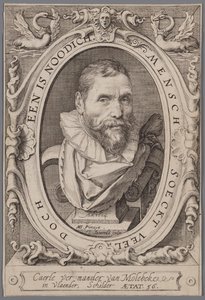
Karel van Mander
1548 - 1606 , Bélgica
Datos clave
- Artistas Que Influyeron:
- Lucas de Heere
- Pieter Vlerick
- Bartholomus Spranger
- Fecha De Muerte: Septiembre 1606
- Fecha De Nacimiento: Mayo 1548
- Influenciado A Artistas:
- Hendrick Goltzius
- Cornelis van Haarlem
- Lugar De Nacimiento: Meulebeke, Bélgica
- Movimiento Artístico: Manierismo del Norte
- Nacionalidad: Flamenco
- Nombre Completo: Karel van Mander
- Obras Notables:
- Diana y Actaeon
- Alegoría de la Naturaleza
- Jardín del Amor
Artículos relacionados

Rembrandt van Rijn: Las 25 Obras Maestras que Definen un Genio | Arte, Historia y Decoración
Descubre las 25 obras maestras de Rembrandt van Rijn, el genio del barroco holandés. Explora su historia, técnica y simbolismo en retratos icónicos como 'La Ronda Nocturna'. Encuentra reproducciones de arte exclusivas para decorar tu hogar con ArtsDot.com.
Cultivating Paradise: A Historical & Artistic Exploration of Gardens in Painting
Explore the rich history of gardens in painting! Discover masterpieces from Renaissance to Impressionism & beyond. Learn about symbolism, artists like Monet & Klimt, and find your perfect artwork at ArtsDot.

Los 10 Maestros del Primitivo Flamenco: Obras que Definen un Arte Inigualable | ArtsDot
Descubre los 10 imprescindibles del Primitivo Flamenco: Jan van Eyck, Robert Campin y más. Explora la historia, simbolismo y técnica de estas obras maestras renacentistas tempranas. Encuentra reproducciones de arte de museo en ArtsDot.com.

Renacimiento Flamenco Temprano: 10 Obras Maestras que Cambiaron la Historia del Arte | ArtsDot
Descubre las 10 obras maestras del Renacimiento Flamenco Temprano. Explora la historia de Jan van Eyck, Robert Campin y más. Reproducciones de arte en ArtsDot.com para decorar tu hogar con belleza y elegancia. ¡Explora la colección online!
Maerten van Heemskerck: Bridging Mannerism & Renaissance Ideals
Explore the captivating world of Maerten van Heemskerck, a pivotal Dutch Renaissance painter bridging Mannerism & Italian influence. Discover his masterpieces and legacy with ArtsDot.

