

 Ver en contexto
 Enviar
 Compartir
 Detalles

 Descargar
 Similares
 Radiografía
 Presentación de diapositivas
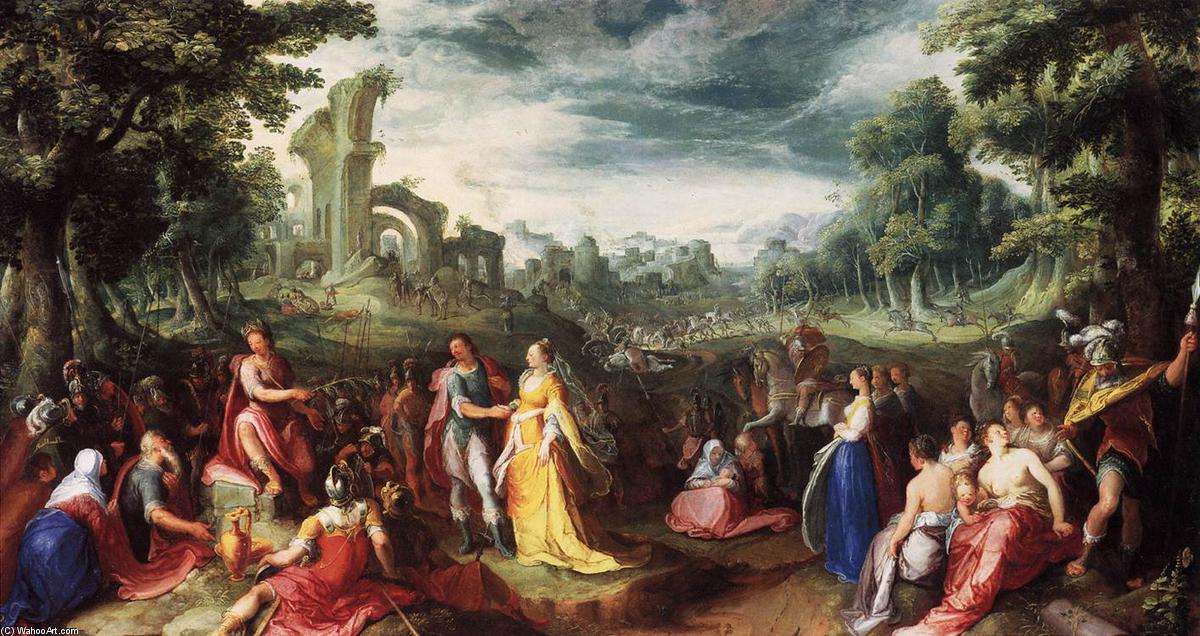
The Continence of Scipio
 Oil On Copper
- Northern Mannerism
 1600
1600 44.0 x 79.0 cm
 Rijksmuseum
 Ver más
Adquiera una imagen digital de alta resolución y optimizada, muy superior a la vista previa en línea.
Cada archivo es preparado meticulosamente por nuestros especialistas internos mediante el uso de herramientas avanzadas y un experto retoque manual. Nos aseguramos de que cada imagen posea una claridad excepcional, una precisión cromática impecable y un detalle minucioso.
El archivo final se entrega por correo electrónico en un plazo de 72 horas, optimizado para su uso inmediato en entornos profesionales, editoriales y de impresión. Esta es la misma calidad en la que confían los estudios de diseño, las editoriales y las galerías de primer nivel.
Imagen Digital
Descarga un archivo de alta resolución para exhibición personal, impresión y proyectos creativos. ( Comprar impresión Comprar pintura hecha a mano)
Incluido en cada pedido de imágenes digitales
Entrega digital experta, garantizada.
Al elegir ArtsDot.com, no solo está adquiriendo una imagen; está recibiendo una obra de arte digital mejorada profesionalmente, elaborada con precisión y respaldada por una garantía de satisfacción. Esto es todo lo que incluye su pedido, automáticamente:

Entrega rápida por email
Recibirá su archivo de imagen digital en alta resolución por correo electrónico en un plazo de 72 horas tras realizar su pedido, listo para su uso inmediato.

Archivo digital optimizado por IA
Su obra de arte se optimiza profesionalmente mediante herramientas avanzadas de IA y edición manual, garantizando el máximo detalle, claridad y precisión cromática.

Reenvío gratuito de por vida
¿Has borrado o perdido tu archivo por error? No te preocupes: te lo volveremos a enviar en cualquier momento, sin coste adicional.

Sin gastos de importación, siempre
Disfrute de su obra de arte al instante sin aduanas, aranceles ni gastos de envío; las descargas digitales siempre están libres de impuestos.

Garantía de fidelidad de color
Garantizamos que su imagen digital refleje los colores originales con la mayor fidelidad posible, mediante el uso de herramientas profesionales y gestión del color.

Garantía de satisfacción de 60 días
Si no está satisfecho con su imagen digital, la revisaremos o le reembolsaremos el 100% en un plazo de 60 días, sin preguntas.

100% Garantía de devolución de dinero
¿No está satisfecho? Obtenga un reembolso completo dentro de los 60 días posteriores a la recepción de su archivo digital, sin necesidad de explicaciones.

Descuentos por pedidos grandes
Compra 3 imágenes, ahorra 10% - Compra 5, ahorra 15% - Compra 10+, ahorra 20%. Ideal para proyectos creativos, galerías y agencias.
Descripción del coleccionable
A Moment of Magnanimity: Unveiling Karel van Mander’s “The Continence of Scipio”
Karel van Mander's "The Continence of Scipio," painted in 1600, isn’t merely a depiction of a historical event; it’s a profound meditation on leadership, generosity, and the enduring power of human kindness. This oil-on-copper masterpiece, now residing within the hallowed halls of the Rijksmuseum in Amsterdam, transports us to a pivotal moment in Roman history – the return of General Scipio Africanus after his legendary victory over Hannibal at Zama. More than just a battle scene, it’s a carefully constructed narrative brimming with symbolism and reflecting the artistic sensibilities of the Northern Renaissance.
Van Mander, a renowned art historian as well as painter, meticulously rendered this scene based on accounts from ancient historians like Polybius and Livy. The core story revolves around Scipio's encounter with the young woman, a captive of war, who was promised to Allucius, the leader of a conquered tribe. Instead of claiming her as his prize – a common practice among victorious generals – Scipio demonstrated remarkable restraint, returning her unharmed to her family and declaring that her ransom should be used as a wedding gift for her fiancé. This act of magnanimity, a testament to his character and judgment, became a celebrated example of virtuous leadership throughout the centuries.
A Symphony of Color and Light: Van Mander’s Technique
The painting's visual impact is immediately arresting, largely due to Van Mander’s masterful use of oil paint on copper. This medium allowed for rich, vibrant colors and a remarkable level of detail – particularly evident in the figures themselves. The foreground, dominated by Scipio in his crimson tunic and flowing cloak, is bathed in a warm, directional light that sculpts his form and draws the viewer's eye directly to him. The background, depicting Carthage with its imposing columns and arches, is rendered in cooler tones, creating a sense of depth and distance.
Notice how Van Mander employs *chiaroscuro* – the dramatic contrast between light and shadow – to heighten the three-dimensionality of the scene. The figures are not simply flat representations; they possess volume and presence, conveying a palpable sense of movement and emotion. The meticulous attention to detail extends to the textures of the clothing, the armor of the soldiers, and even the expressions on the faces of the onlookers, all contributing to the painting’s immersive quality.
Symbolism and Narrative Depth
Beyond the straightforward depiction of the event, “The Continence of Scipio” is laden with symbolic meaning. Scipio's gesture – pointing towards the kneeling father – represents his offering of generosity and goodwill. The exchange of gifts between the family and Allucius symbolizes a reconciliation and a promise of future peace. The presence of the young woman herself embodies virtue, modesty, and the value of human life—qualities highly prized in Renaissance thought.
The inclusion of the Carthaginian architecture in the background subtly reminds us of the conflict that has just been resolved, highlighting the importance of diplomacy and restraint over brute force. It’s a powerful statement about the potential for even enemies to find common ground through acts of kindness and understanding.
A Legacy of Virtue: The Painting's Enduring Appeal
“The Continence of Scipio” resonated deeply with its contemporary audience, serving as an ideal for civic leaders and a reminder of the importance of moral leadership. It was frequently reproduced and incorporated into town halls and government buildings throughout the Dutch Republic – a testament to its enduring appeal. Today, this painting continues to captivate viewers with its dramatic composition, exquisite detail, and profound message. It’s not simply a historical record; it's a timeless exploration of human nature—a celebration of generosity, wisdom, and the transformative power of a single act of compassion.
Obras relacionadas
Biografía del artista
Primeros Años y Formación
- Nacido: Mellebeke, Bélgica (1548)
- Fallecido: 1606
- Karel van Mander nació en una familia noble en Meulebeke, Condado de Flandes.
- Recibió su formación artística inicial bajo la tutela de Lucas de Heere en Gante (1568-1569) y posteriormente con Pieter Vlerick en Kortrijk.
- Desde temprana edad, también se dedicó a escribir obras de teatro religiosas y diseñar escenografías para ellas.
Viajes y Desarrollo Artístico
- Roma (1574-1577): Van Mander pasó tres años en Roma, donde conoció el arte clásico y desarrolló su propio estilo artístico. La biografía menciona que fue considerado como el "descubridor de cuevas", posiblemente refiriéndose a las catacumbas.
- Viena: Durante un viaje de regreso desde Italia, colaboró con Bartholomeus Spranger y Hans Mont en la creación de un arco triunfal para la entrada real del emperador Rodolfo II. Esta experiencia lo expuso aún más a las influencias manieristas.
Asentamiento en Haarlem y Liderazgo Artístico
- Haarlem (1583): Debido a los problemas religiosos y la peste, Van Mander se estableció en Haarlem, República Holandesa.
- Inventario del Arte de la Ciudad: Fue comisionado por los padres de la ciudad de Haarlem para inventariar el arte católico confiscado después de la Satisfactie van Haarlem. Este trabajo sentó las bases para sus escritos posteriores.
- Fundador de una Academia: Junto con Hubertus Goltzius y Cornelis van Haarlem, fundó una "academia para estudiar según la vida", que fomentaba el debate artístico e incluso podría haber incluido clases de dibujo.
El *Schilder-boeck* y Significado Histórico del Arte
- Obra Principal: Van Mander es recordado principalmente por su *Schilder-boeck* (Libro de Pintores), un diccionario biográfico de artistas flamencos primitivos y del Renacimiento nórdico.
- Influencia en el Manierismo: Su difusión de dibujos de Bartholomeus Spranger, a través de grabados de Hubertus Goltzius, contribuyó significativamente a la propagación del manierismo nórdico en la República Holandesa.
- Teórico del Arte: Desempeñó un papel crucial en la teorización del arte durante el siglo XVI, enfatizando el estilo y la elegancia cultivada sobre el naturalismo. Sus teorías promovieron la musculatura exagerada, las escenas dramáticas y los detalles ricos.
Legado y Estilo Artístico
- Pionero del Manierismo Nórdico: Karel van Mander es considerado una figura clave en el desarrollo del manierismo nórdico.
- Influencia en el Arte Holandés: Influyó significativamente a los artistas de Haarlem y más allá, moldeando el panorama artístico de la República Holandesa.
- Características Artísticas: Sus propias pinturas a menudo presentaban alegorías históricas caracterizadas por una fuerte conciencia del estilo, elegancia cultivada y una preferencia por las composiciones dramáticas.
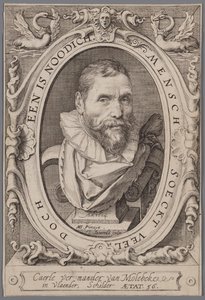
Karel van Mander
1548 - 1606 , Bélgica
Breves datos
- Artistas Que Influyeron:
- Lucas de Heere
- Pieter Vlerick
- Bartholomus Spranger
- Fecha De Muerte: Septiembre 1606
- Fecha De Nacimiento: Mayo 1548
- Influenciado A Artistas:
- Hendrick Goltzius
- Cornelis van Haarlem
- Lugar De Nacimiento: Meulebeke, Bélgica
- Movimiento Artístico: Manierismo del Norte
- Nacionalidad: Flamenco
- Nombre Completo: Karel van Mander
- Obras Notables:
- Diana y Actaeon
- Alegoría de la Naturaleza
- Jardín del Amor

