

 Ver en contexto
 Enviar
 Compartir
 Detalles

 Descargar
 Similares
 Radiografía
 Presentación de diapositivas
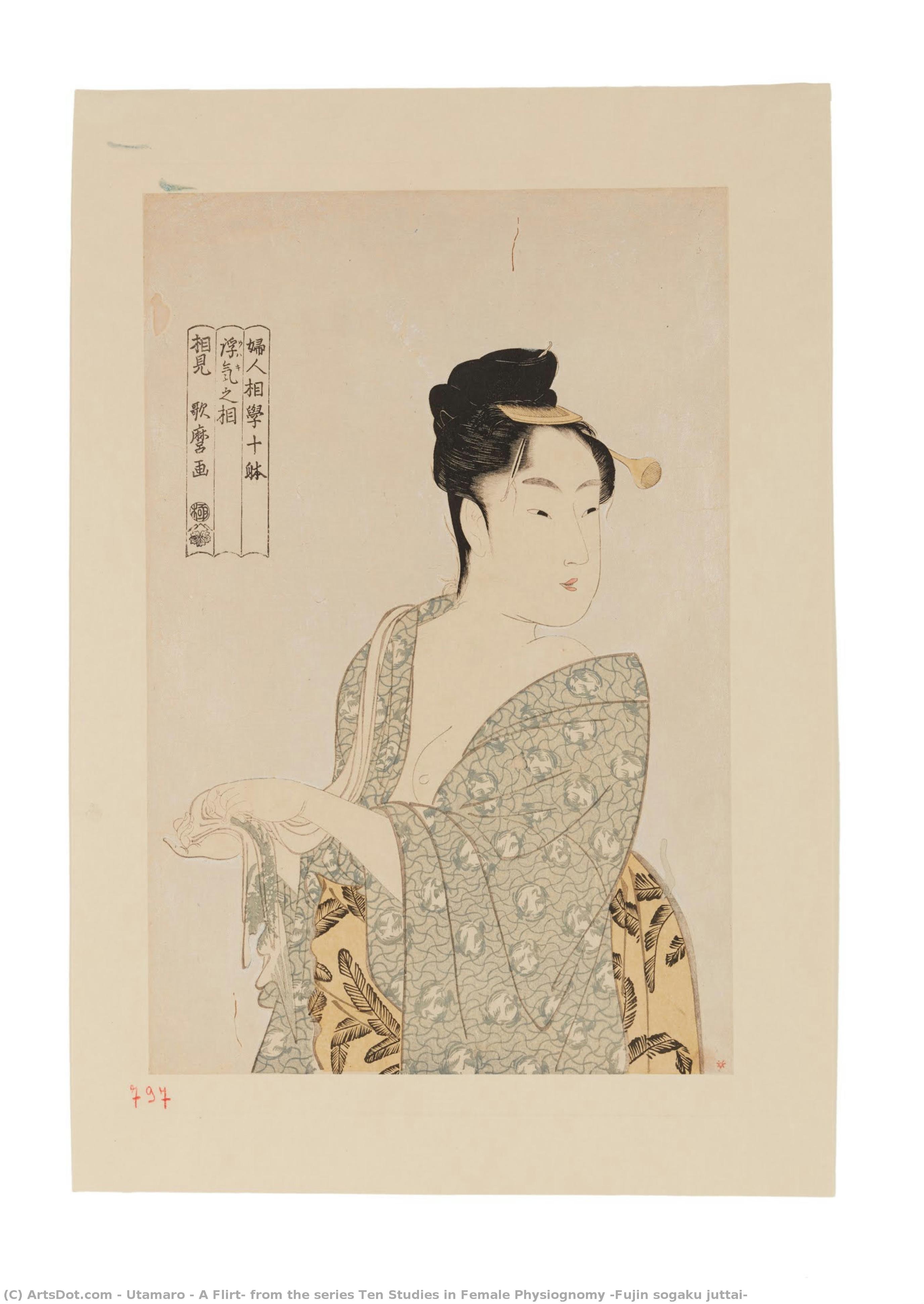
A Flirt, from the series Ten Studies in Female Physiognomy (Fujin sogaku juttai)


 Ver más
Reproducción al óleo hecha a mano
Óleo sobre lienzo pintado a mano en el tamaño y marco de su elección, realizado por encargo por nuestros artistas. ( Comprar impresión Comprar imagen)




P118B $10

P118H $10

P118W $10

P438Z $10

P508JH $12

P508YH $12

P805H $10

P805Z $10

P919BZ $10

P919G $10

P919XJ $10

P959ZH $10

P968JZ $12

W106C $8

W218G $10

W218JH $8

W218Y $10

W307PJ $10

W316G $10

W316PJ $8

W316Y $10

W398PJ $8

W4111J $10

W500HY $15

W500JH $15

W692G $12

W849H $8

W940BG $15

W953PJ $8




Elija entre nuestros tamaños predefinidos que respetan las proporciones originales de la obra.

Puede ingresar sus propias dimensiones para adaptarse a un marco o espacio específico. Si el tamaño seleccionado no coincide con las proporciones de la imagen original, recortaremos la obra o extenderemos la pintura con elementos adicionales pintados a mano. Se le enviará una maqueta digital para su aprobación antes de comenzar la producción.
Tenga en cuenta que la vista previa en pantalla no refleja el recorte o la extensión reales. Solo la maqueta mostrará con precisión la composición final.
Si bien existen tamaños personalizados, recomendamos seleccionar una dimensión de la lista predefinida para preservar las proporciones originales.
Tras realizar el pedido, el equipo de ArtsDot.com enviará un correo electrónico al cliente para solicitar instrucciones y proporcionarle una vista previa del boceto.
Envío a todo el mundo () en 3-4 semanas en lugar de las 5 semanas estándar. (27 agosto). Sin comprometer la calidad.

Envío exprés gratuito a todo el mundo

Lienzo de lino de alta calidad

Seguro de envío total

Garantía de reembolso de impuestos aduaneros

Garantía de fidelidad cromática exacta

Política de devolución de 60 días (solo por defectos)

Garantía de devolución del 100% del dinero

Descuento por cantidad
 La opción de vidrio solo está disponible en tamaños inferiores a 110 cm.

A Flirt, from the series Ten Studies in Female Physiognomy (Fujin sogaku juttai)
Técnica de reproducción
Dimensiones de la reproducción
-


Precio total final
$ 263
Descripción de la obra
A Portrait of Grace: Kitagawa Utamaro’s “A Flirt”
Kitagawa Utamaro's "A Flirt," from the series Ten Studies in Female Physiognomy (Fujin sogaku juttai), stands as a cornerstone of Edo-period bijin-ga artistry—a genre dedicated to portraying beautiful women with remarkable sensitivity and psychological depth. Published around 1792–93 by Tsutaya Jūzaburō, this woodblock print transcends mere visual representation; it embodies the spirit of its time and continues to resonate with audiences today thanks to Utamaro’s masterful command of technique and his profound understanding of human emotion. The image captures a young woman gazing intently outwards, her posture conveying both vulnerability and subtle defiance—a captivating glimpse into the complexities of female characterization that distinguishes Utamaro's work from earlier depictions.Composition and Technique: Mastering Illusion
Utamaro’s genius lies in his ability to convey emotion through meticulously crafted visual elements. The print is vertically oriented, prioritizing the woman’s face and upper torso—a deliberate choice reflecting the prevailing aesthetic conventions of the era where portraiture focused on conveying inner character rather than simply documenting physical appearance. Fine lines delineate facial features with exquisite precision, capturing nuances of expression that invite contemplation. Curved lines contribute to the graceful depiction of her form, mirroring the idealized beauty standards prevalent during Edo Japan. Crucially, Utamaro employed kirazuri—the application of mica dust—to create a shimmering background effect, adding an ethereal quality to the scene and elevating it beyond mere realism. This technique, combined with multiple woodblocks used for different colors, demonstrates Utamaro’s technical prowess and his commitment to achieving visual splendor.Historical Context: Edo Japan's Aesthetic Sensibilities
“A Flirt” emerged during a period of significant social and cultural transformation in Japan—the Edo Period (1615–1868). This era witnessed the rise of urban centers like Tokyo and Osaka, fueled by economic growth and facilitated by advancements in printing technology. The pleasure districts flourished, attracting artists, actors, and courtesans who shaped artistic trends and influenced popular culture. Bijin-ga prints served as a conduit for disseminating these cultural influences, reflecting both idealized notions of beauty and astute observations of human behavior. Utamaro’s series was particularly notable for its exploration of psychological states—a departure from earlier portraiture that prioritized formal elegance over nuanced emotion. The print's subtle gaze speaks to the spirit of the time, capturing a moment of quiet contemplation amidst the bustling urban landscape.Symbolism and Emotional Resonance: Beyond Surface Beauty
More than just aesthetically pleasing, “A Flirt” carries symbolic weight—a testament to Utamaro’s artistic vision. The woman's posture suggests both confidence and apprehension, hinting at the challenges faced by women navigating social expectations during Edo Japan. Her gaze directs attention outwards, conveying a desire for connection and engagement with the world beyond her immediate surroundings. The shimmering kirazuri background symbolizes refinement and aspiration—a visual metaphor for the idealized beauty standards of the period. Utamaro’s masterful use of color—soft greens, pinks, and creams accented by yellow and brown—creates a harmonious palette that enhances the emotional impact of the image. Ultimately, “A Flirt” invites viewers to contemplate themes of femininity, desire, and introspection—a timeless exploration of human psychology that continues to captivate audiences centuries later.Influence on Impressionism: A Legacy Enduring Through Time
The influence of Utamaro’s work extends far beyond Japan's borders, notably impacting the burgeoning Impressionist movement in France during the late 19th century. Artists like Claude Monet and Edgar Degas were drawn to Utamaro’s innovative compositional techniques—particularly his focus on capturing fleeting moments of emotion and atmosphere—and his masterful use of color—a bold departure from academic conventions. Utamaro's exploration of psychological states paved the way for Impressionists to prioritize subjective experience over objective representation, establishing a pivotal connection between Japanese art and Western artistic innovation. “A Flirt” remains an enduring emblem of artistic excellence—a testament to Utamaro’s genius and his lasting contribution to the history of visual culture.Obras relacionadas
![Untitled [uwaki No Sō (the Fickle Onethe Fickle One)] — Kitagawa Utamaro, Impressionistic Style](/media/artworks/images-thumb/46/8e/468eafb3b6da18ad90b6e962513246d1.jpg)
Biografía del artista
Kitagawa Utamaro: Un Maestro del Bijin-ga
- Nacido: Tokio, Japón (1753)
- Fallecido: 1806
Kitagawa Utamaro fue un artista japonés reconocido por sus contribuciones al *ukiyo-e*, particularmente sus representaciones de mujeres hermosas (*bijin-ga*). Se erige como uno de los diseñadores más celebrados de grabados y pinturas del período Edo, dejando un legado duradero tanto en el arte japonés como en el Impresionismo occidental.
Vida Temprana y Formación
- Se sabe poco con certeza sobre la vida temprana de Utamaro. Se cree que nació como Kitagawa Ichitarō alrededor de 1753, aunque su lugar de nacimiento sigue siendo incierto, con diversas ubicaciones sugeridas incluyendo Kioto, Osaka, Yoshiwara (Edo) y Kawagoe.
- Entró bajo la tutela de Toriyama Sekien, un practicante del *ukiyo-e* que también se formó en la prestigiosa escuela Kanō de pintura de clase alta. Sekien reconoció el talento de Utamaro y fomentó su desarrollo artístico.
- Su primera obra publicada conocida apareció alrededor de 1770, una ilustración para una antología de poesía haikai. Posteriormente trabajó bajo el nombre de Kitagawa Toyoaki, ilustrando literatura popular y ocasionalmente produciendo retratos de actores kabuki.
Ascenso a la Fama: El Maestro del Bijin-ga
- En 1782, Utamaro se unió al editor Tsutaya Jūzaburō, marcando un momento crucial en su carrera. Esta asociación condujo a la creación de obras innovadoras y solidificó su reputación.
- El estilo característico de Utamaro surgió a principios de la década de 1790: retratos de mujeres con rasgos exagerados y alargados. Estos *bijin-ga* se volvieron inmensamente populares, estableciéndolo como una figura líder en el mundo del arte.
- Innovó dentro del género al centrarse en figuras individuales y capturar momentos íntimos, alejándose de las representaciones tradicionales en grupo. Su atención al detalle al retratar telas, peinados y expresiones fue excepcional.
- Utamaro produjo más de 2000 grabados conocidos a lo largo de su carrera, demostrando una productividad y versatilidad artística notables.
Influencias y Desarrollo Artístico
- Kiyonaga: Utamaro fue influenciado por Torii Kiyonaga, un retratista preeminente de mujeres hermosas en la década de 1780, adoptando y refinando la estética elegante establecida por Kiyonaga.
- Shunshō: Se inspiró en Katsukawa Shunshō, quien introdujo el estilo *ōkubi-e* ("imagen de cabeza grande"), que Utamaro adaptó para sus retratos de mujeres.
- Impresionismo Europeo: La obra de Utamaro impactó significativamente a los pintores impresionistas europeos como Monet y Cassatt. Su uso de vistas parciales, énfasis en la luz y la sombra, y enfoque en temas cotidianos resonaron con estos artistas, que buscaban emular sus técnicas.
Vida Posterior, Controversia y Legado
- En 1804, Utamaro enfrentó problemas legales por crear grabados que representaban a Toyotomi Hideyoshi, un tema delicado debido a sus implicaciones políticas. Fue arrestado y esposado durante cincuenta días.
- Falleció dos años después en 1806, dejando atrás un rico legado artístico.
- La obra de Utamaro ganó reconocimiento generalizado en Europa a mediados del siglo XIX, particularmente en Francia, donde impulsó el movimiento Japonismo e influyó profundamente en el arte occidental.
- Sus *bijin-ga* siguen siendo representaciones icónicas de la belleza del período Edo y continúan siendo celebradas por su elegancia, arte y significado cultural.
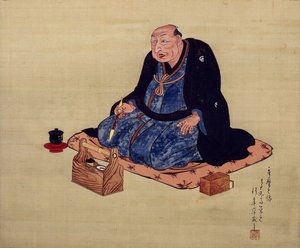
Kitagawa Utamaro
1753 - 1806 , Japón
Datos clave
- Artistas Que Influyeron:
- Kiyonaga
- Shunshō
- Fecha De Fallecimiento: 1806
- Fecha De Nacimiento: 1753
- Influenciado A Artistas:
- Impresionistas
- Toulouse-Lautrec
- Lugar De Nacimiento: Tokio, Japón
- Movimiento Artístico: Ukiyo-e
- Nacionalidad: Japonés
- Nombre Completo: Kitagawa Utamaro
- Obras Notables:
- Utamaro Okita
- Viajes fantásticos
Artículos relacionados

Katsushika Hokusai: Las 25 Obras Maestras del Ukiyo-e que Transformaron el Arte Japonés | ArtsDot
Descubre las 25 obras maestras de Katsushika Hokusai, el genio del ukiyo-e. Explora 'La Gran Ola', paisajes japoneses y su impacto en el arte moderno. Reproducciones de alta calidad para tu hogar en ArtsDot.com.
Ukiyo-e: Un Viaje al Corazón del Mundo Flotante Japonés y su Legado Artístico
Descubre el fascinante mundo del Ukiyo-e, el arte japonés del Período Edo. Explora las técnicas de grabado, los maestros Hokusai y Hiroshige, y su legado perdurable. ¡Un viaje cultural inolvidable!
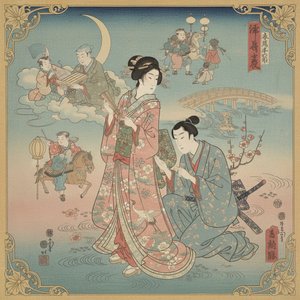
Suzuki Harunobu: Pioneering Ukiyo-e & the Refinement of Edo Period Printmaking
Discover the revolutionary world of Suzuki Harunobu, a pioneer of ukiyo-e printmaking. Explore his exquisite nishiki-e techniques, diverse subjects & lasting impact on Japanese art history. Learn more at ArtsDot.
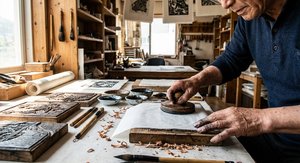
The Enduring Legacy of Woodblock Printmaking: Technique, History & Artistic Expression
Explore the rich history of woodblock printmaking – from ancient techniques to Ukiyo-e masterpieces. Discover expert insights on collecting, preserving & appreciating this enduring art form.
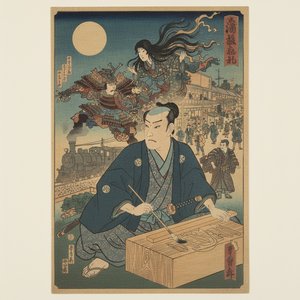
Tsukioka Yoshitoshi: A Master of Ukiyo-e's Final Flourish – Narrative, Innovation, and the Meiji Transition
Explore the life & art of Tsukioka Yoshitoshi, the last great master of ukiyo-e woodblock printing. Discover his dramatic warrior prints, innovative series like 'One Hundred Aspects of the Moon,' and legacy reflecting Japan's Meiji transition.

