 Ver en contexto
 Enviar
 Compartir
 Detalles

 Descargar
 Similares
 Radiografía
 Presentación de diapositivas
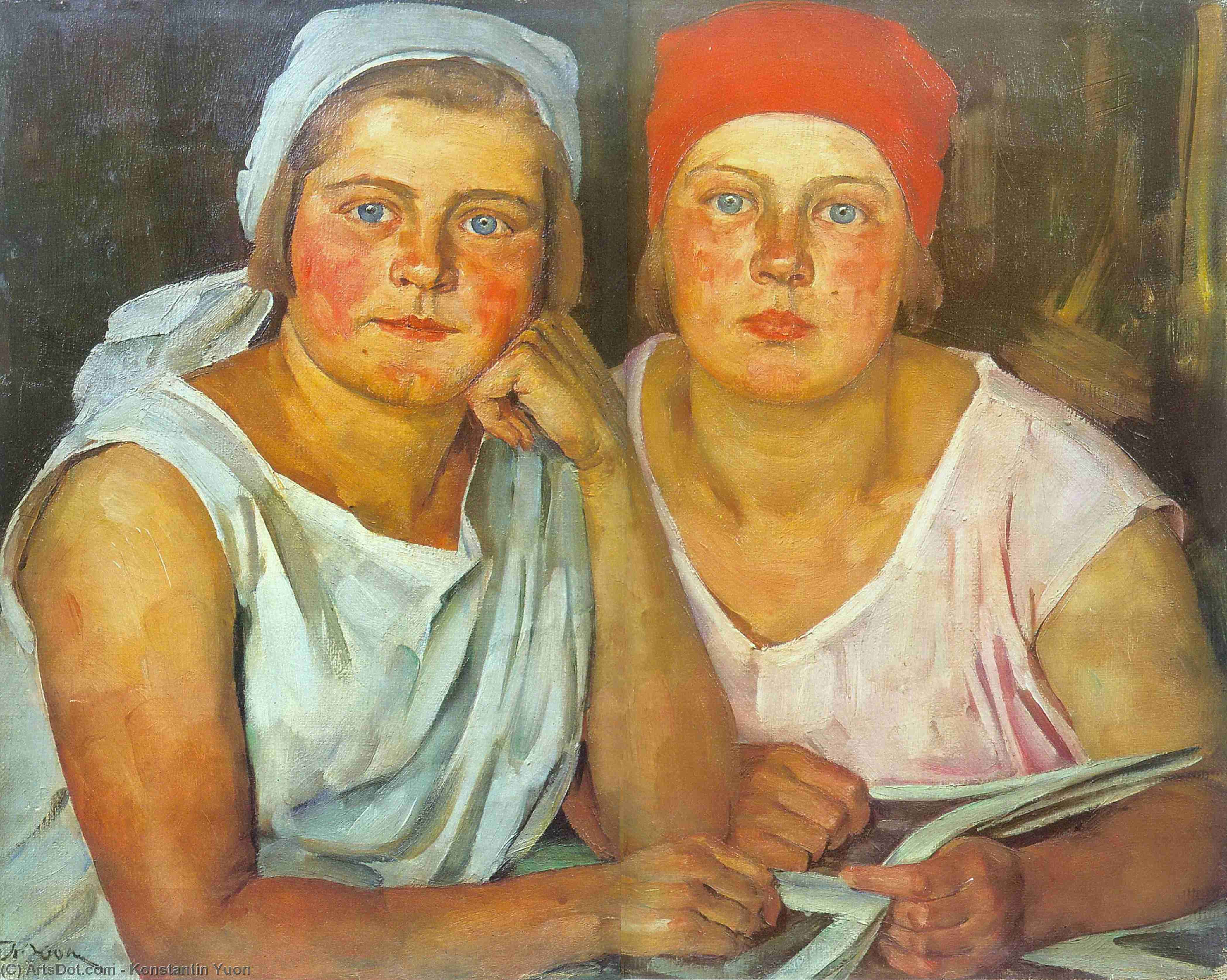
The Komsomol Girls


 Ver más
Giclée / Impresión de arte
Impresiones giclée o en lienzo de calidad de museo con producción rápida y opciones de acabado flexibles. ( Comprar pintura hecha a mano Comprar imagen)




P118B $10

P118H $10

P118W $10

P438Z $10

P508JH $12

P508YH $12

P805H $10

P805Z $10

P919BZ $10

P919G $10

P919XJ $10

P959ZH $10

P968JZ $12

W106C $8

W218G $10

W218JH $8

W218Y $10

W307PJ $10

W316G $10

W316PJ $8

W316Y $10

W398PJ $8

W4111J $10

W500HY $15

W500JH $15

W692G $12

W849H $8

W940BG $15

W953PJ $8




Elija entre nuestros tamaños predefinidos que respetan las proporciones originales de la obra.

Puede introducir sus propias dimensiones para adaptarse a un marco o espacio específico. Si el tamaño seleccionado no coincide con las proporciones de la imagen original, recortaremos la obra de arte o extenderemos la imagen con un borde con efecto espejo o de color sólido. Se enviará una maqueta digital para su aprobación antes de que comience la producción.
Tenga en cuenta que la vista previa en pantalla no refleja el recorte o la extensión real. Solo la maqueta mostrará con precisión la composición final.
Aunque existen tamaños personalizados, recomendamos seleccionar una dimensión de la lista predefinida para preservar las proporciones originales.
Envío a todo el mundo () en 2 semanas en lugar de las 4/5 semanas estándar. (23 agosto)

Envío exprés gratuito a todo el mundo

Lienzo de lino de alta calidad

Seguro de envío total

Garantía de reembolso de impuestos aduaneros

Garantía de fidelidad cromática exacta

Política de devolución de 60 días (solo por defectos)

Garantía de devolución del 100% del dinero

Descuento por cantidad
 La opción de vidrio solo está disponible en tamaños inferiores a 110 cm.

The Komsomol Girls
Giclée / Impresión de arte
Dimensiones de la reproducción
-


Precio total final
$ 62
Descripción de la pieza
A Moment of Quiet Camaraderie
In the soft, evocative strokes of Konstantin Yuon’s 1926 masterpiece, The Komsomol Girls, we are invited into an intimate sanctuary of friendship and shared contemplation. The painting presents a tender portrait of two young women, seated side by side in a pose that suggests both a formal sitting and a spontaneous moment of repose. With their hands delicately resting against their chins, they appear lost in thought, their gazes drifting toward something unseen beyond the frame. This subtle redirection of focus—away from the viewer and toward an external, perhaps even imagined, event—imbues the work with a profound sense of mystery and quiet introspection. The woman on the left, crowned with vibrant red hair, and her blonde companion, both draped in pristine white garments, create a luminous focal point that radiates purity and youthful grace.
The setting, though understated, plays a vital role in grounding this emotional connection. A dining table, upon which rests a solitary book, hints at an environment of intellect and cultured leisure. This small detail suggests that these women are not merely subjects of a portrait, but individuals with inner lives shaped by literature and reflection. The interplay between the domestic stillness of the room and the implied movement of the world outside creates a captivating tension, making the viewer wonder what has captured their collective attention. It is this very sense of shared experience—the silent bond of companionship—that makes the piece so deeply resonant for anyone who appreciates the beauty of human connection.
Mastery of Light and Impressionistic Influence
Konstantin Yuon, a master of his era, brings a sophisticated technical prowess to this composition that bridges the gap between classical Russian realism and the burgeoning influences of Western Impressionism. Having studied under legends like Konstantin Korovin and traveled through the artistic heart of Paris, Yuon possessed a unique ability to manipulate light to evoke atmosphere. In The Komsomol Girls, the light does not merely illuminate; it caresses the textures of the white dresses and softens the contours of the subjects' faces, lending the scene a dreamlike, ethereal quality. His brushwork, while precise enough to define the delicate features of the women, retains a fluid, painterly vitality that breathes life into the canvas.
For the discerning collector or interior designer, this painting offers an exquisite balance of color and composition. The palette is dominated by the luminous whites and the warm, natural tones of the subjects' hair, set against a backdrop that feels both grounded and atmospheric. This creates a sophisticated aesthetic that can anchor a room with elegance without overwhelming it. Whether placed in a sun-drenched morning room or a more formal study, the painting serves as a window into a bygone era of grace. It is a piece that does not demand attention through loud colors, but rather earns it through a subtle, enduring beauty that invites long periods of contemplation and admiration.
Obras relacionadas
Biografía del artista
Primeros años y educación
Konstantin Fiódorovich Yuon o Juon, un renombrado pintor ruso, nació el 24 de octubre de 1875 en Moscú, proveniente de una familia de origen suizo-ruso. Su hermano Paul Juon fue un notable compositor. De 1892 a 1898, Konstantin estudió en la Escuela de Pintura, Escultura y Arquitectura de Moscú, donde recibió la guía de distinguidos maestros como Constantin Savitski y Constantin Korovin.Evolución artística y estilo
El trabajo temprano de Konstantin se caracterizó por un estilo impresionista en paisajes con una nota simbolista, como se ve en sus pinturas A la Trinidad (1903) y el Bulevar Tverskoi (1909). Posteriormente, experimentó con paisajes líricos, combinándolos con elementos de la miniatura de Palekh y las artes iconográficas. A medida que avanzaba la era soviética, el estilo de Konstantin se desplazó hacia un enfoque más académico, adoptando el realismo socialista, como lo demuestra su pintura Desfile en la Plaza Roja el 7 de noviembre de 1941.Logros y aspectos destacados profesionales
- Co-fundador de la Unión de Artistas Rusos y la Asociación de Artistas de Rusia Revolucionaria
- Director del Instituto de Investigación de la Academia de Artes (1948–1950)
- Primer secretario de la Unión de Artistas Soviéticos (1956–1958)
- Recipiente del Premio Stalin (1943) y la Orden de Lenin, entre otros honores
Legado y presencia en línea
La obra de Konstantin Yuon se puede encontrar en varias plataformas en línea, incluyendo ArtsDot.com, que presenta una extensa colección de sus pinturas. Para obtener más información sobre Konstantin Yuon y sus contribuciones artísticas, visite wikiart.org.Obras notables y colecciones
- Nuevo Planeta (101 x 71 cm, simbolismo, témpera), expuesta en la Galería Tretiakov de Moscú
- Enredadera de Frijol (125.7 cm x 47.9 cm, papel), un boceto de una planta de frijol con un poema del monje zen Ōbaku Musen Jōzen
Museos e instituciones artísticas
- Museo de Arte de Taganrog (Rusia), que presenta una impresionante colección de obras de arte rusas y europeas
- El Museo de Arte Regional de Ryazan (Ryazan, Rusia), que exhibe una amplia gama de estilos y movimientos artísticos
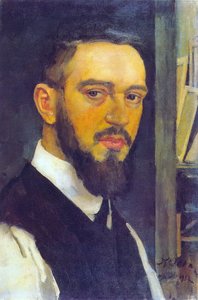
Konstantin Yuon
1875 - 1958 , Rusia
Datos clave
- Artistas Que Influyeron:
- Constantin Savitsky
- Constantin Korovin
- Fecha De Fallecimiento: 1958
- Fecha De Nacimiento: 24 de octubre de 1875
- Influenciado Por:
- Arte de los iconos
- Miniaturas Palekh
- Lugar De Nacimiento: Moscú, Rusia
- Movimiento Artístico:
- Impresionismo
- Simbolismo
- Realismo socialista
- Nacionalidad: Ruso
- Nombre Completo: Konstantin Yuon
- Obras Notables:
- A la Trinidad (1903)
- Bulevar Tverskoy (1909)
- Nuevo planeta
- Parada en la Plaza Roja
Artículos relacionados

Blanco Sublime: Los 10 Cuadros Más Famosos Dominados por la Luz y el Color
Descubre los 10 cuadros blancos más emblemáticos de la historia del arte. Explora Monet, Van Gogh y Klimt, y su magistral uso de la luz y el color. Encuentra reproducciones de alta calidad e inspírate para tu decoración en .
The Enduring Muse: Women as Subject & Symbol in Art History
Explore the rich history of women in art – from iconic muses to groundbreaking artists. Discover feminist movements, global perspectives & reclaim female narratives with ArtsDot.
The Subtleties of White: Exploring Absence, Light & Symbolism in Art History
Explore the profound symbolism & history of white in art! From ancient purity to modern abstraction, discover how artists have used absence & light. Expert insights from ArtsDot.
The Enduring Muse: Women as Subject & Symbol in Art History
Explore the rich history of women in art – from archetypal representations to contemporary voices challenging norms. Discover iconic artists & movements, and learn about reclaiming female narratives through painting and beyond.
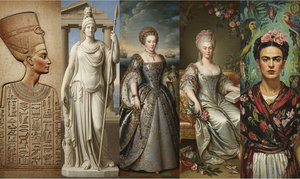
Portrayals of Power & Perception: A Historical Survey of Women in Art
Explore the rich history of women in art – from iconic muses to groundbreaking artists. Discover feminist movements & reclaim female narratives with ArtsDot. Expert insights for discerning collectors.