

 Ver en contexto
 Enviar
 Compartir
 Detalles

 Descargar
 Similares
 Radiografía
 Presentación de diapositivas
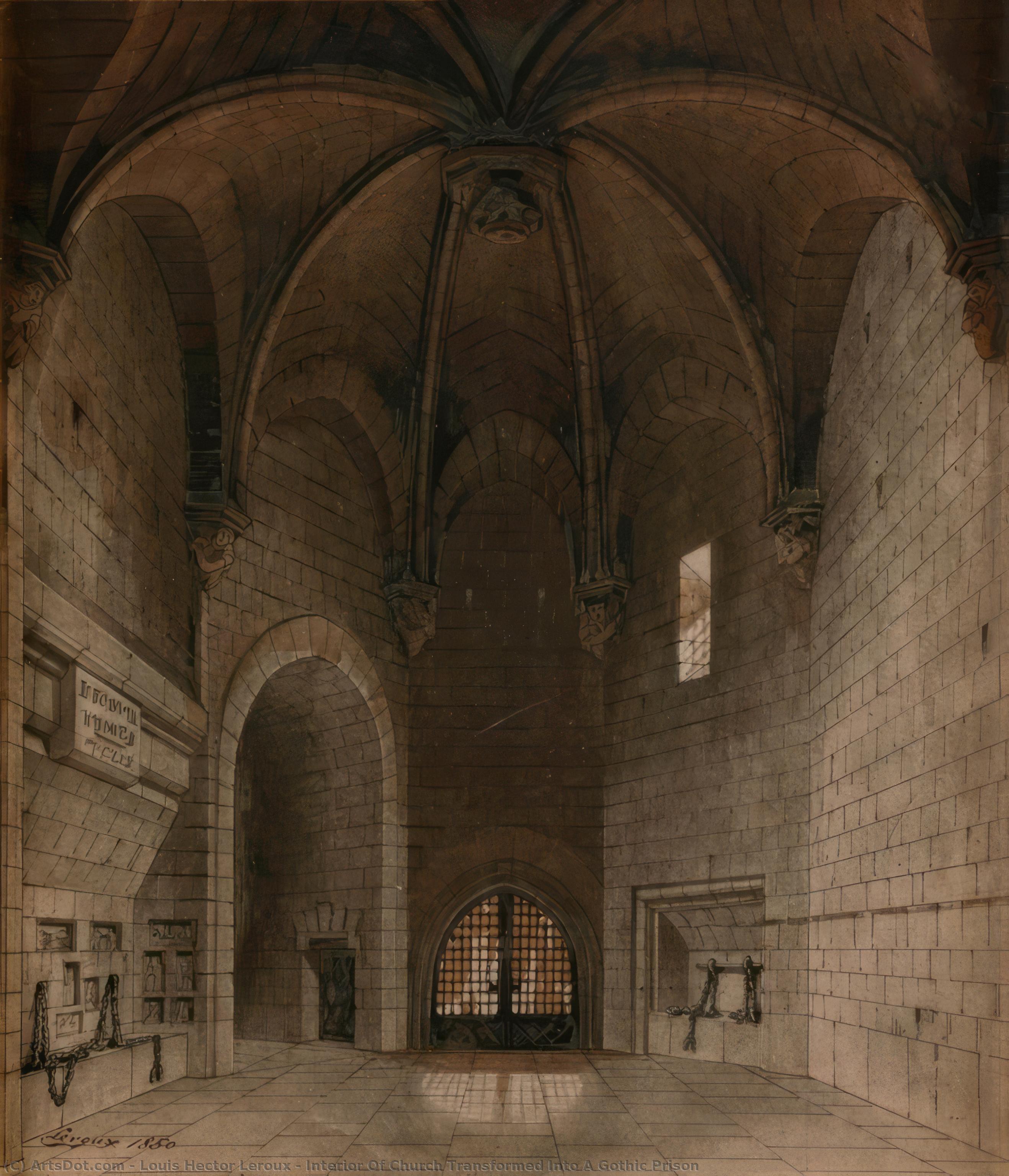
Interior Of Church Transformed Into A Gothic Prison

 Ver más
Giclée / Impresión de arte
Impresiones giclée o en lienzo de calidad de museo con producción rápida y opciones de acabado flexibles. ( Comprar pintura hecha a mano Comprar imagen)




































Elija entre nuestros tamaños predefinidos que respetan las proporciones originales de la obra.

Puede introducir sus propias dimensiones para adaptarse a un marco o espacio específico. Si el tamaño seleccionado no coincide con las proporciones de la imagen original, recortaremos la obra de arte o extenderemos la imagen con un borde con efecto espejo o de color sólido. Se enviará una maqueta digital para su aprobación antes de que comience la producción.
Tenga en cuenta que la vista previa en pantalla no refleja el recorte o la extensión real. Solo la maqueta mostrará con precisión la composición final.
Aunque existen tamaños personalizados, recomendamos seleccionar una dimensión de la lista predefinida para preservar las proporciones originales.
Envío a todo el mundo () en 2 semanas en lugar de las 4/5 semanas estándar. (22 agosto)

Envío exprés gratuito a todo el mundo

Lienzo de lino de alta calidad

Seguro de envío total

Garantía de reembolso de impuestos aduaneros

Garantía de fidelidad cromática exacta

Política de devolución de 60 días (solo por defectos)

Garantía de devolución del 100% del dinero

Descuento por cantidad
 La opción de vidrio solo está disponible en tamaños inferiores a 110 cm.

Interior Of Church Transformed Into A Gothic Prison
Giclée / Impresión de arte
Dimensiones de la reproducción
-


Precio total final
$ 62
Obras relacionadas







Biografía del artista
Louis Hector Leroux (1829-1900): The Painter of Lost Worlds
Louis Hector Leroux, born in Verdun on December 27, 1829, was a French Academic painter who achieved renown for his meticulous depictions of classical subjects—particularly Vestal Virgins and the grandeur of ancient Rome. His artistic journey began modestly, initially as a wigmaker alongside pursuing drawing instruction at Verdun’s art college where he consistently excelled, securing all available prizes. These accolades afforded him a crucial bursary to embark on formative studies in Paris, propelling him into the prestigious École nationale supérieure des Beaux-Arts in 1849 and placing him under the tutelage of François-Édouard Picot. Leroux’s artistic training focused on mastering techniques for replicating masterpieces—illustrative prints and museum artworks—a practice that supplemented his income while honing his craft.- Early Career & Training: Leroux's formative years were marked by a dedication to both practical skills (wigmaking) and artistic discipline, culminating in the École nationale supérieure des Beaux-Arts where he honed his abilities under Picot’s guidance. He diligently studied drawing fundamentals and experimented with various mediums—primarily watercolor—preparing him for the demands of academic painting.
- Prix de Rome Recognition: A pivotal moment arrived in 1857 when Leroux secured second prize in the Prix de Rome competition—a highly competitive scholarship awarded annually by the Académie royale des beaux-arts—establishing him as a rising talent and securing his residency in Rome from 1857 until 1874. This prestigious accolade provided invaluable access to Roman artistic traditions and fueled his ambition to emulate the masters of antiquity.
- Roman Patronage & Artistic Output: During his Roman period, Leroux benefited from significant patronage from the French state, undertaking the ambitious commission to produce a painted copy of Titian’s “Sacred and Profane Love,” alongside collaborating with Gobelins manufactory to recreate tapestries—a testament to his versatility and artistic ambition. He skillfully captured the luminous atmosphere and dramatic composition of Titian's masterpiece, demonstrating his mastery of color and perspective.
- Travels & Artistic Exploration: Leroux’s wanderlust extended beyond Rome, encompassing expeditions throughout Italy, Greece, Asia Minor, Turkey, and Egypt. These journeys instilled in him a profound appreciation for diverse cultures and landscapes—influences that subtly permeated his artistic vision. He meticulously documented his observations through sketches and watercolors, enriching his understanding of the visual world and informing his subsequent paintings.
- Mature Style & Legacy: From 1863 onwards, Leroux largely abandoned experimentation in favor of exclusively classical subjects—often interwoven with historical or biblical narratives—creating works that embody the ideals of Neo-classicism and reflecting the artistic sensibilities of the Second Empire. His unwavering commitment to accuracy and detail—traits that distinguished him from many of his contemporaries who prioritized imaginative interpretation over faithful reproduction—became hallmarks of his oeuvre. Leroux’s paintings, imbued with solemn grandeur and idealized beauty, stand as monuments to the artistic achievements of the 19th century—particularly his depictions of Vestal Virgins and scenes from ancient Rome—which continue to captivate audiences today. His daughter Laura Leroux was also a painter who followed in his footsteps.
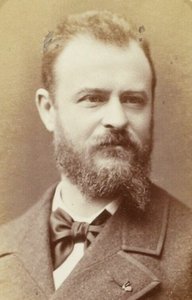
Louis Hector Leroux
1829 - 1900 , Francia
Datos clave
- Artistic Movement Or Style: Neoclasicismo
- Artists Or Movements Influenced By This Artist: ['École Supérieure des Beaux-Arts']
- Artists Who Influenced This Artist: ['François-Édouard Picot']
- Date Of Birth: December 27, 1829
- Date Of Death: November 11, 1900
- Full Name: Louis Hector Leroux
- Nationality: Francés
- Notable Artworks:
- Herculaneo
- Sapho de Mitylène
- Coriolano entre los Volscos
- Place Of Birth: Verdun, Francia

