

 Ver en contexto
 Enviar
 Compartir
 Detalles

 Descargar
 Similares
 Radiografía
 Presentación de diapositivas
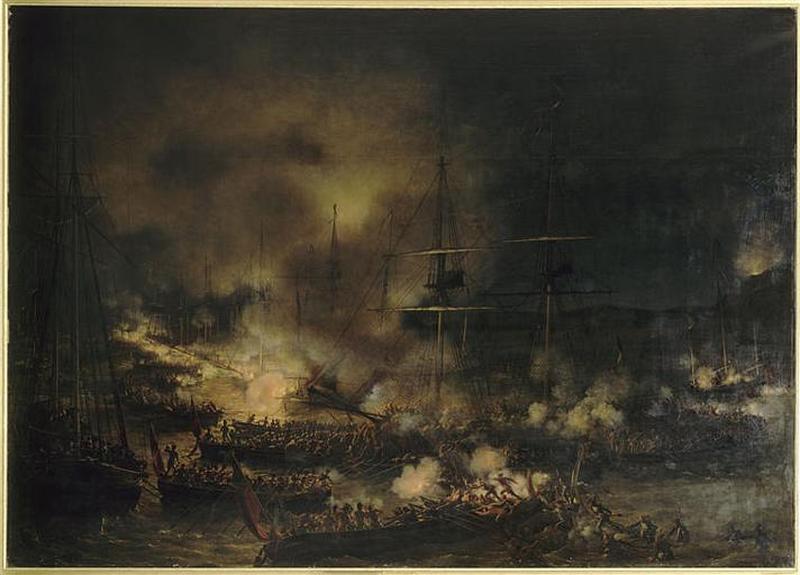
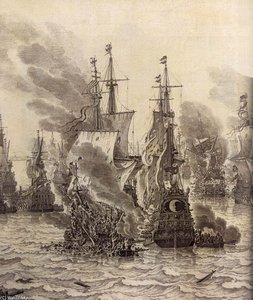
COMBAT NAVAL DEVANT BOULOGNE.NUIT DU 15 AU 16 AOUT 1801

 Ver más
Adquiera una imagen digital de alta resolución y optimizada, muy superior a la vista previa en línea.
Cada archivo es preparado meticulosamente por nuestros especialistas internos mediante el uso de herramientas avanzadas y un experto retoque manual. Nos aseguramos de que cada imagen posea una claridad excepcional, una precisión cromática impecable y un detalle minucioso.
El archivo final se entrega por correo electrónico en un plazo de 72 horas, optimizado para su uso inmediato en entornos profesionales, editoriales y de impresión. Esta es la misma calidad en la que confían los estudios de diseño, las editoriales y las galerías de primer nivel.
Imagen Digital
Descarga un archivo de alta resolución para exhibición personal, impresión y proyectos creativos. ( Comprar impresión Comprar pintura hecha a mano)
Incluido en cada pedido de imágenes digitales
Entrega digital experta, garantizada.
Al elegir ArtsDot.com, no solo está adquiriendo una imagen; está recibiendo una obra de arte digital mejorada profesionalmente, elaborada con precisión y respaldada por una garantía de satisfacción. Esto es todo lo que incluye su pedido, automáticamente:

Entrega rápida por email
Recibirá su archivo de imagen digital en alta resolución por correo electrónico en un plazo de 72 horas tras realizar su pedido, listo para su uso inmediato.

Archivo digital optimizado por IA
Su obra de arte se optimiza profesionalmente mediante herramientas avanzadas de IA y edición manual, garantizando el máximo detalle, claridad y precisión cromática.

Reenvío gratuito de por vida
¿Has borrado o perdido tu archivo por error? No te preocupes: te lo volveremos a enviar en cualquier momento, sin coste adicional.

Sin gastos de importación, siempre
Disfrute de su obra de arte al instante sin aduanas, aranceles ni gastos de envío; las descargas digitales siempre están libres de impuestos.

Garantía de fidelidad de color
Garantizamos que su imagen digital refleje los colores originales con la mayor fidelidad posible, mediante el uso de herramientas profesionales y gestión del color.

Garantía de satisfacción de 60 días
Si no está satisfecho con su imagen digital, la revisaremos o le reembolsaremos el 100% en un plazo de 60 días, sin preguntas.

100% Garantía de devolución de dinero
¿No está satisfecho? Obtenga un reembolso completo dentro de los 60 días posteriores a la recepción de su archivo digital, sin necesidad de explicaciones.

Descuentos por pedidos grandes
Compra 3 imágenes, ahorra 10% - Compra 5, ahorra 15% - Compra 10+, ahorra 20%. Ideal para proyectos creativos, galerías y agencias.
Obras relacionadas
Biografía del artista
Louis-Philippe Crépin: A Master of the Turbulent Sea
Louis-Philippe Crépin (1772 – 1851) stands as a pivotal figure in French marine painting, a period marked by both romantic fervor and burgeoning scientific observation. More than simply depicting ships at sea, Crépin’s canvases capture the raw power of nature, the drama of naval battles, and the psychological intensity of human experience confronting the elements. His legacy rests not only on his technical skill – meticulously rendered details combined with dynamic compositions – but also on his role as one of the first officially recognized “Peintres de la Marine,” a distinction that cemented his place within the French artistic establishment.
Born in Paris, Crépin’s early life was far removed from the world of maritime art. He began his career as a sailor, gaining invaluable experience as a helmsman and gabier – a crucial role responsible for managing the ship's sails. This practical knowledge, combined with a nascent artistic talent nurtured under the tutelage of renowned landscape painter Hubert Robert and marine artist Joseph Vernet, provided him with a unique perspective. Robert’s influence is particularly evident in Crépin’s early works, characterized by a meticulous attention to detail and a fascination with light and shadow; Vernet instilled within him an understanding of capturing the essence of the sea – its moods, textures, and relentless energy.
The Rise as a Peintre de la Marine
The appointment of Crépin as one of France’s first “Peintres de la Marine” in 1830 marked a significant turning point. This official recognition, bestowed by the Minister of the Navy and Colonies, Laurent de Gouvion Saint-Cyr, provided him with unprecedented access to naval subjects and commissions. However, this position was not without its complexities. The role of “painter to the Admiral” had already been awarded to Louis Garneray, leading to a somewhat diminished status for Crépin within the official hierarchy. Despite this setback, he persevered, securing numerous contracts to depict significant naval engagements and historical events related to France’s maritime past.
Crucially, Crépin's work during this period was deeply intertwined with the political climate of Restoration France. His paintings served as powerful propaganda tools, glorifying the Bourbon monarchy and celebrating French naval victories. The most famous example is undoubtedly “Combat de la frégate française La Bayonnaise contre la frégate anglaise l’Embuscade 14 décembre 1798,” commissioned by Napoleon himself for display at the Tuileries Palace. This dramatic depiction of a fierce naval battle, replete with billowing sails and cannon fire, became an enduring symbol of French military prowess. Later, after the restoration of Louis XVIII, the painting was moved to Versailles, further solidifying its association with the restored monarchy.
A Palette of Storms: Style and Technique
Crépin’s artistic style is characterized by a dramatic Romanticism, infused with a keen sense of realism. He eschewed idealized depictions of naval life in favor of portraying the brutal realities of combat – the splintering wood, the chaos of battle, and the vulnerability of sailors facing the unforgiving sea. His compositions are often dynamic and asymmetrical, creating a powerful sense of movement and tension. He masterfully employed chiaroscuro—the dramatic contrast between light and dark—to heighten the emotional impact of his scenes, emphasizing the drama of the moment.
His technique was equally impressive. Crépin meticulously rendered every detail – from the intricate rigging of a ship to the expressions on the faces of the sailors – demonstrating an extraordinary level of observation and skill. He frequently worked en plein air (outdoors), allowing him to directly capture the changing light and atmosphere of the sea. This commitment to realism, combined with his expressive brushwork, resulted in paintings that are both visually stunning and emotionally resonant.
Notable Works and Legacy
Beyond “Combat de la frégate française La Bayonnaise contre la frégate anglaise l’Embuscade 14 décembre 1798,” Crépin produced a substantial body of work, including "Le Havre vu de la mer," a captivating depiction of the port city bathed in atmospheric light; “Le Chien du naufrage” – a haunting image of a shipwrecked sailor clinging to a piece of driftwood; and numerous other scenes depicting naval battles, coastal landscapes, and maritime life. His paintings are now housed in prestigious collections such as the Musée National de la Marine in Paris and the Palace of Versailles.
Louis-Philippe Crépin’s contribution to French art is significant not only for his technical skill but also for his role in establishing marine painting as a legitimate genre within the official artistic establishment. He remains an important figure in the history of 19th-century French art, a testament to the power of observation, dramatic composition, and the enduring allure of the sea.
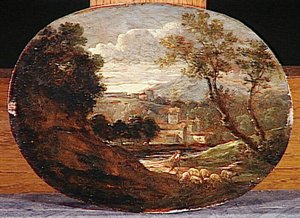
louis philippe crepin
1772 - 1851
Breves datos
- Artistic Movement Or Style: Marine painting
- Artists Who Influenced This Artist: ['Joseph Vernet, Hubert Robert],\n "Artists or movements influenced by this artist": ["Romanticism"]\n}']
- Date Of Birth: 1772
- Date Of Death: 1851
- Full Name: Louis-Philippe Crépin
- Nationality: French
- Notable Artworks:
- Combat Naval Devant Boulogne
- Le Havre vu de la mer
- Le Chien du naufrage
- Place Of Birth: Paris, France

