 Ver en contexto
 Enviar
 Compartir
 Detalles

 Descargar
 Similares
 Radiografía
 Presentación de diapositivas
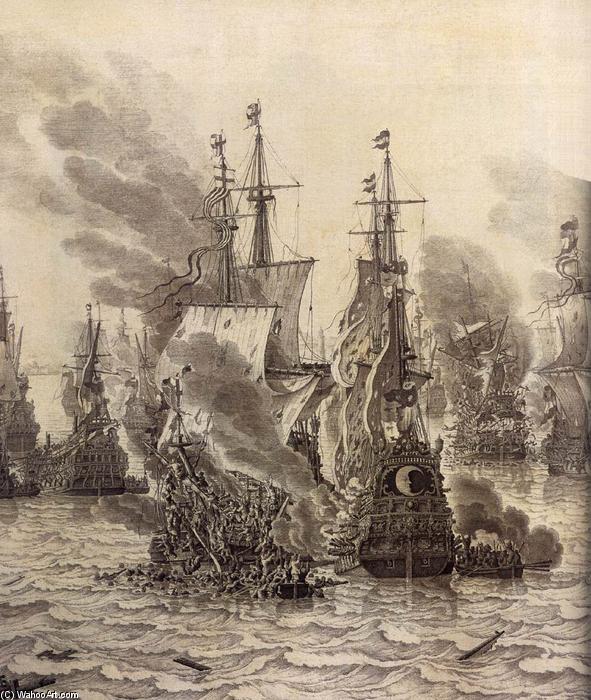
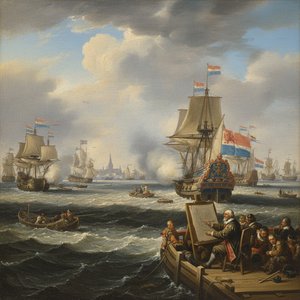
The Battle of Livorno (detail)


 Ver más
Reproducción al óleo hecha a mano
Óleo sobre lienzo pintado a mano en el tamaño y marco de su elección, realizado por encargo por nuestros artistas. ( Comprar impresión Comprar imagen)




P118B $10

P118H $10

P118W $10

P438Z $10

P508JH $12

P508YH $12

P805H $10

P805Z $10

P919BZ $10

P919G $10

P919XJ $10

P959ZH $10

P968JZ $12

W106C $8

W218G $10

W218JH $8

W218Y $10

W307PJ $10

W316G $10

W316PJ $8

W316Y $10

W398PJ $8

W4111J $10

W500HY $15

W500JH $15

W692G $12

W849H $8

W940BG $15

W953PJ $8




Elija entre nuestros tamaños predefinidos que respetan las proporciones originales de la obra.

Puede ingresar sus propias dimensiones para adaptarse a un marco o espacio específico. Si el tamaño seleccionado no coincide con las proporciones de la imagen original, recortaremos la obra o extenderemos la pintura con elementos adicionales pintados a mano. Se le enviará una maqueta digital para su aprobación antes de comenzar la producción.
Tenga en cuenta que la vista previa en pantalla no refleja el recorte o la extensión reales. Solo la maqueta mostrará con precisión la composición final.
Si bien existen tamaños personalizados, recomendamos seleccionar una dimensión de la lista predefinida para preservar las proporciones originales.
Tras realizar el pedido, el equipo de ArtsDot.com enviará un correo electrónico al cliente para solicitar instrucciones y proporcionarle una vista previa del boceto.
Envío a todo el mundo () en 3-4 semanas en lugar de las 5 semanas estándar. (7 septiembre). Sin comprometer la calidad.

Envío exprés gratuito a todo el mundo

Lienzo de lino de alta calidad

Seguro de envío total

Garantía de reembolso de impuestos aduaneros

Garantía de fidelidad cromática exacta

Política de devolución de 100 días (solo por defectos)

Garantía de devolución del 100% del dinero

Descuento por cantidad
 La opción de vidrio solo está disponible en tamaños inferiores a 110 cm.

The Battle of Livorno (detail)
Técnica de reproducción
Dimensiones de la reproducción
-


Precio total final
$ 263
A Dramatic Depiction of Maritime Conflict
Willem van de Velde the Elder’s “The Battle of Livorno” (detail), a work meticulously rendered in black and white, offers a visceral glimpse into the chaotic drama of 17th-century naval warfare. Housed within the esteemed Rijksmuseum in Amsterdam, this painting transcends mere documentation; it's a powerful testament to the artist’s skill and his ability to capture both the brutal reality and the inherent grandeur of maritime combat. The scene unfolds with an almost frenetic energy – sinking ships spewing smoke, smaller vessels engaged in desperate rescue efforts, and figures caught in the maelstrom of battle. Van de Velde doesn't shy away from depicting the carnage; the damaged hulls, splintered wood, and billowing flames speak volumes about the ferocity of the engagement.

Pen Painting and the Pursuit of Realism
What distinguishes Van de Velde’s work is his pioneering use of “penschilderij,” a technique he largely developed himself. Rather than relying solely on oil paints, he employed meticulously crafted ink drawings on panel or canvas, creating an astonishing level of detail and durability. This method allowed him to achieve the appearance of intricate drawings while ensuring the artwork possessed the longevity typically associated with paintings. The artist’s mastery is evident in the incredibly fine lines that delineate the sails, masts, and rigging – each element rendered with painstaking precision. Cross-hatching techniques are skillfully deployed to convey the movement of water, creating a sense of depth and dynamism within the composition. The shading subtly suggests the texture of wood, metal, and fabric, further enhancing the realism of the scene.
Historical Context: Livorno and the Dutch Golden Age
“The Battle of Livorno” was painted in 1654, a period marked by intense rivalry between England and the Netherlands. The battle depicted took place at Livorno, a strategically important port city on the Tuscan coast. This conflict wasn’t merely about territorial control; it represented a clash of naval ideologies and economic interests. Van de Velde's commission to document this event reflects the Dutch Republic’s commitment to maintaining its maritime dominance. The painting is therefore not just a record of a specific battle, but also a symbol of Dutch power and strategic acumen during the Golden Age. The inclusion of various flags and banners—a visual shorthand for the different nations involved—adds another layer of historical significance.
Symbolism and Emotional Impact
Beyond its historical accuracy, “The Battle of Livorno” evokes a profound sense of drama and human vulnerability. The figures struggling to escape sinking ships represent the chaos and uncertainty inherent in war. The smoke rising from the damaged vessels creates an atmosphere of impending doom, while the dynamic poses of the sailors convey both courage and desperation. Van de Velde doesn’t glorify warfare; instead, he presents it as a brutal and unpredictable event with devastating consequences. The painting's stark monochrome palette further amplifies its emotional impact, forcing the viewer to confront the grim realities of naval combat without the distraction of color.
Bringing History Home: A ArtsDot Reproduction
ArtsDot offers high-quality reproductions of “The Battle of Livorno,” allowing you to bring this remarkable masterpiece into your home or office. Our hand-painted reproductions meticulously recreate Van de Velde’s intricate details and dramatic composition, ensuring that the artwork retains its original power and impact. Choose from a range of sizes to perfectly complement your space. Explore our options for custom sizing and discover how ArtsDot can transform this iconic work into a cherished addition to your collection.
Obras relacionadas
Biografía del artista
Vida temprana y carrera
Willem van de Velde el Anciano, un renombrado pintor holandés del Siglo de Oro especializado en paisajes marinos, nació en Leiden, Países Bajos, alrededor de 1611. Su padre, Willem Willemsz van de Velde, era un patrón flamenco, lo que probablemente influyó en el interés de su hijo por el arte marítimo.Estilo artístico y técnica
El trabajo de Van de Velde se caracteriza por su precisión y atención al detalle. Fue pionero en la técnica de pintura con pluma (penschilderij), que consistía en crear obras de arte detalladas y duraderas utilizando tinta sobre panel o lienzo. Este enfoque innovador permitía que sus piezas se asemejaran a elaborados dibujos, manteniendo al mismo tiempo la durabilidad de una pintura. Su habilidad para capturar la textura del agua, el movimiento de las velas y los detalles intrincados de los barcos lo distinguieron de otros artistas de su época.Obras notables y colaboraciones
- La batalla de Texel, 1687 (óleo sobre lienzo) - Una representación dramática de una importante batalla naval.
- El incendio del Royal James en la batalla de Solebay (dibujo) - Un estudio detallado de un evento trágico durante una batalla naval.
- Colaboración con Carlos II de Inglaterra, produciendo pinturas de barcos británicos y batallas navales – Esta colaboración real le proporcionó acceso a información privilegiada sobre los buques de la marina inglesa, lo que enriqueció sus representaciones.
Influencias y desarrollo
Van de Velde se benefició de una rica tradición artística holandesa centrada en el retrato marítimo. Aunque su padre influyó inicialmente en su interés por el mar, desarrolló un estilo único que trascendía las convenciones existentes. Su técnica de pintura con pluma le permitió crear obras de arte increíblemente detalladas y duraderas, lo que era particularmente valioso para documentar eventos navales importantes. Su trabajo evolucionó desde representaciones más simples a escenas complejas y dinámicas que capturaban la emoción y el caos de la batalla naval.Legado e importancia histórica
Willem van de Velde el Anciano dejó un legado duradero en la pintura paisajista holandesa del Siglo de Oro. Sus técnicas innovadoras, su atención al detalle y sus colaboraciones con figuras prominentes han consolidado su lugar en la historia del arte. Sus obras son valiosas no solo por su belleza artística sino también como documentos históricos que ofrecen información sobre los barcos, las tácticas navales y la vida marítima de su época. El Museo Universiteitsbibliotheek (Leiden, Países Bajos) - una guía completa en ArtsDot.com proporciona más información sobre el contexto cultural del trabajo de Van de Velde.
Willem van de Velde el Anciano
1611 - 1693 , Países Bajos
Datos clave
- Fechas Importantes: {'Fallecimiento': '1693', 'Nacimiento': 'c. 1611'}
- Lugar De Nacimiento: Leiden, Países Bajos
- Movimiento Artístico O Estilo: Pintura marina del Siglo de Oro Neerlandés
- Nacionalidad: Neerlandés
- Nombre Completo: Willem van de Velde el Anciano
- Obras Notables:
- La batalla de Texel (1687)
- El incendio del Royal James
- Embarque del rey Carlos II
Artículos relacionados
Willem van de Velde the Elder: Master of Maritime Painting & Chronicler of the Dutch Golden Age
Discover the captivating maritime paintings of Willem van de Velde the Elder, a master chronicler of the Dutch Golden Age. Explore his unparalleled realism and lasting influence on naval art history.

Goya: Las 25 Obras Maestras del Genio Español | Reproducciones de Arte en ArtsDot
Descubre las 25 obras maestras de Goya, el genio español. Explora retratos icónicos, 'Los Caprichos' y 'Las Pinturas Negras'. Reproducciones de arte en lienzo de alta calidad para decorar tu hogar con estilo. ¡Encuentra tu obra favorita en ArtsDot.com!

Rembrandt van Rijn: Las 25 Obras Maestras que Definen un Genio | Arte, Historia y Decoración
Descubre las 25 obras maestras de Rembrandt van Rijn, el genio del barroco holandés. Explora su historia, técnica y simbolismo en retratos icónicos como 'La Ronda Nocturna'. Encuentra reproducciones de arte exclusivas para decorar tu hogar con ArtsDot.com.

Acerca de nosotros
Descubre nuestra historia! Llevamos el arte de clase mundial a tu vida gracias a una selección experta, creaciones personalizadas y vistas previas gratuitas. Aprobado por particulares y empresas desde el año 2000.

Theo van Doesburg: Pioneering De Stijl & the Evolution of Neo-Plasticism
Explore the revolutionary De Stijl movement & Neo-Plasticism with our expert guide. Discover Piet Mondrian, Theo van Doesburg, and the lasting impact of this influential art style. Learn about collecting & investing in De Stijl masterpieces.