 Vista previa
 Compartir
 Compartir
 Ver detalles

 Descargar
 Ver similares
 Radiografía
 Presentación de diapositivas
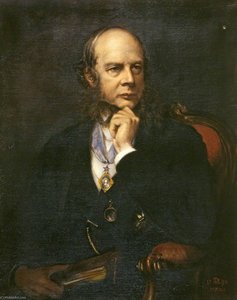
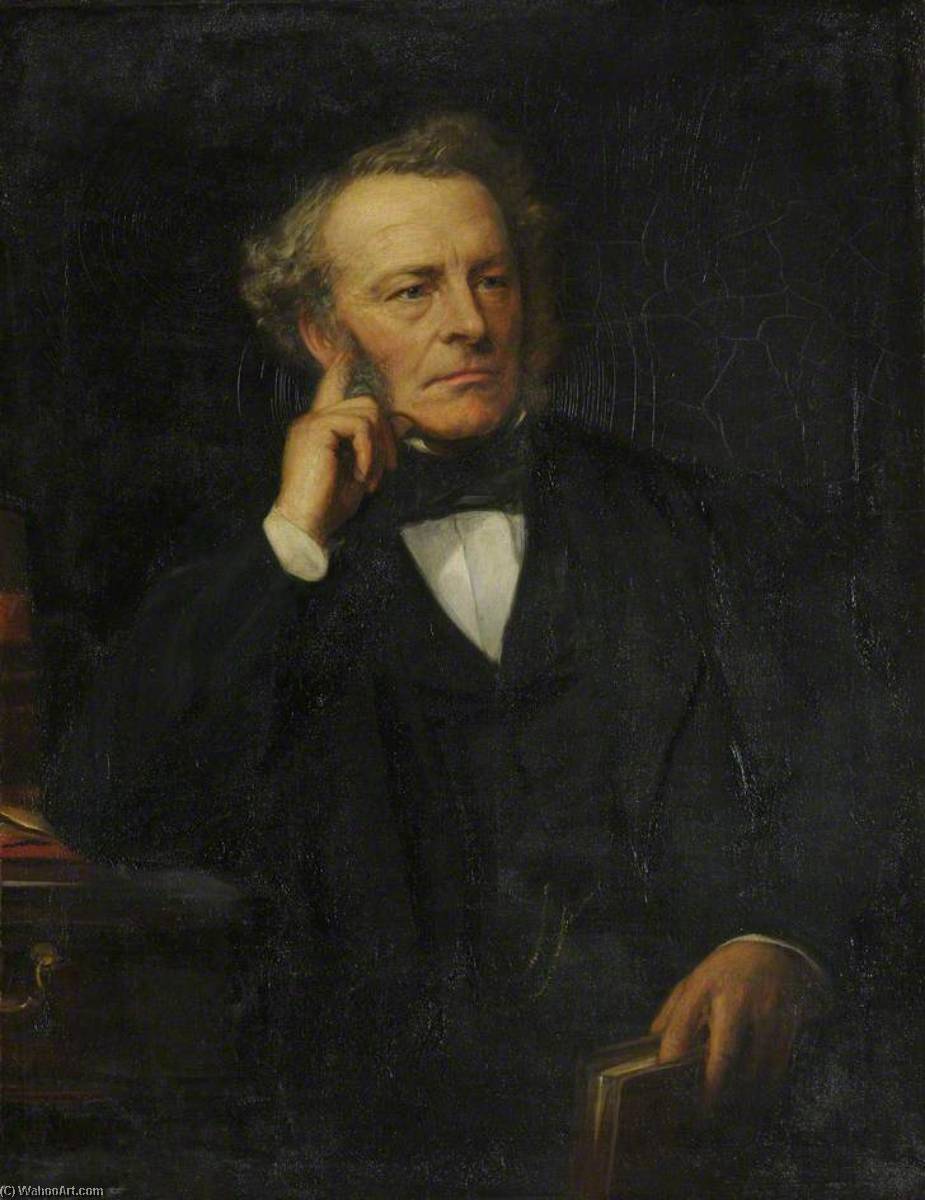
Sir George Gabriel Stokes (1819–1903)
 Oil On Canvas
- WallArt
- Victorian Academic Painting
 1874
1874- 19th Century
 93.0 x 73.0 cm
 Pembroke College
 Leer más
Reproducción al óleo hecha a mano
Óleo sobre lienzo pintado a mano en el tamaño y marco de su elección, realizado por encargo por nuestros artistas. ( Pedir impresión Comprar descarga)




P118B $10

P118H $10

P118W $10

P438Z $10

P508JH $12

P508YH $12

P805H $10

P805Z $10

P919BZ $10

P919G $10

P919XJ $10

P959ZH $10

P968JZ $12

W106C $8

W218G $10

W218JH $8

W218Y $10

W307PJ $10

W316G $10

W316PJ $8

W316Y $10

W398PJ $8

W4111J $10

W500HY $15

W500JH $15

W692G $12

W849H $8

W940BG $15

W953PJ $8




Elija entre nuestros tamaños predefinidos que respetan las proporciones originales de la obra.

Puede ingresar sus propias dimensiones para adaptarse a un marco o espacio específico. Si el tamaño seleccionado no coincide con las proporciones de la imagen original, recortaremos la obra o extenderemos la pintura con elementos adicionales pintados a mano. Se le enviará una maqueta digital para su aprobación antes de comenzar la producción.
Tenga en cuenta que la vista previa en pantalla no refleja el recorte o la extensión reales. Solo la maqueta mostrará con precisión la composición final.
Si bien existen tamaños personalizados, recomendamos seleccionar una dimensión de la lista predefinida para preservar las proporciones originales.
Tras realizar el pedido, el equipo de ArtsDot.com enviará un correo electrónico al cliente para solicitar instrucciones y proporcionarle una vista previa del boceto.
Envío a todo el mundo () en 3-4 semanas en lugar de las 5 semanas estándar. (21 agosto). Sin comprometer la calidad.

Envío exprés gratuito a todo el mundo

Lienzo de lino de alta calidad

Seguro de envío completo

Garantía de reembolso de aranceles aduaneros

Garantía de fidelidad cromática exacta

Política de devolución de 60 días (solo por defectos)

Garantía de devolución del 100% del dinero

Oferta por volumen
 La opción de vidrio solo está disponible en tamaños inferiores a 110 cm.

Sir George Gabriel Stokes (1819–1903)
Técnica de reproducción
Tamaño de la reproducción
-


Precio total
$ 263
Descripción de la obra
Sir George Gabriel Stokes (1819–1903)
Lowes Cato Dickinson’s portrait of Sir George Gabriel Stokes stands as a testament to Victorian artistic sensibilities and the enduring fascination with scientific intellect. Executed in 1874, this oil painting on canvas captures not merely the likeness of a prominent physicist but embodies a broader ethos—a dedication to observation, reasoned inquiry, and the pursuit of knowledge within a rapidly changing intellectual landscape. Dickinson’s masterful technique skillfully renders Stokes's features with meticulous detail, utilizing chiaroscuro – dramatic contrasts between light and shadow – to imbue the figure with gravitas and psychological depth. The artist’s careful brushstrokes convey texture, particularly in the suit jacket and waistcoat, reflecting the materiality of Victorian dress while simultaneously hinting at a deeper exploration of human form.- Composition: Centered around Stokes's seated posture, Dickinson employs a balanced arrangement that prioritizes visual stability. The figure occupies the dominant space within the frame, subtly angled towards the viewer to foster engagement without resorting to direct eye contact—a characteristic gesture reflecting Victorian portraiture’s emphasis on dignified composure.
- Color Palette: Employing a monochromatic palette dominated by shades of gray and black, Dickinson eschews vibrant hues in favor of tonal variations that heighten the painting's emotional impact. This deliberate restraint underscores the seriousness of Stokes’s subject matter and contributes to an overall mood of contemplative solemnity.
- Lighting: Dramatic directional lighting originates from the left side of the frame, casting strong highlights on Stokes’s forehead, nose, and hands—elements strategically positioned to emphasize his facial expression and convey a sense of intellectual focus. The shadows deepen along the right side of his face, adding complexity and nuance to the portrait’s visual narrative.
- Symbolism: The backdrop of a bookshelf laden with books serves as a potent symbol of Stokes's scholarly pursuits—a deliberate allusion to Victorian ideals of erudition and intellectual achievement. Dickinson’s inclusion of this element underscores the importance of knowledge and contemplation within the artist’s worldview.
- Materials Used: Dickinson utilized oil paints on canvas—a standard medium for portraiture during the period—allowing for nuanced tonal gradations and conveying a rich textural surface.
- Size: The painting measures 93 x 73 cm (approximately 36.6 x 28.7 inches), providing ample space to showcase Stokes’s figure in detail while maintaining compositional balance.
- Historical Context: Created during the Victorian era, Dickinson's portrait reflects the prevailing intellectual climate—characterized by a fervent belief in scientific progress and a commitment to rational thought. It aligns with broader artistic trends of the time, notably Academic Impressionism, which sought to reconcile realism with expressive brushwork.
Obras relacionadas
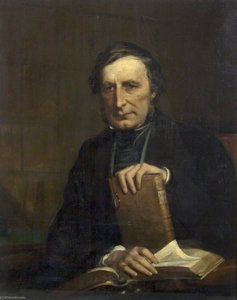
Biografía del artista
Vida y Orígenes
- Nacimiento: Kilburn, Reino Unido (1819)
- Fallecimiento: 1908
- Lowes Cato Dickinson nació el 27 de noviembre de 1819 en Kilburn, Londres. Pertenecía a una familia numerosa de once hermanos y hermanas.
- Su padre, Joseph Dickinson, era un litógrafo y editor de arte de Bond Street. Lowes recibió su educación temprana en Topsham School y Dr Lord's School en Tooting.
- Tras la muerte de su padre en 1849, se convirtió en socio de sus dos hermanos mayores, Gilbert Bell Dickinson y William Robert Dickinson, en la firma Dickinson Brothers of Bond Street.
Desarrollo Artístico e Influencias
- Dickinson inicialmente se formó con su padre, adquiriendo experiencia en litografía y publicación de arte.
- Viajó a Italia alrededor de 1850 durante tres años, lo que influyó significativamente en su desarrollo artístico.
- Estuvo asociado con la Hermandad Prerrafaelita, correspondiendo y trabajando con figuras clave como Dante Gabriel Rossetti y John Ruskin. Les dio conferencias junto a ellos.
- Dickinson enseñó dibujo en el Working Men's College junto a Ruskin y Rossetti.
- Ford Madox Brown trabajó para Dickinson Brothers, lo que demuestra una conexión con importantes círculos artísticos.
Obras Principales y Estilo
- Retrato: Dickinson fue conocido principalmente como retratista, capturando numerosas figuras victorianas.
- Retratos de Grupo: Creó notables retratos de grupo, incluido el gabinete de 1868 del Sr. Gladstone fotografiado en la Sala del Gabinete del número 10 de Downing Street.
- Retratos Postumos: Desarrolló una habilidad única para crear retratos postumos a partir de fotografías o descripciones.
- Temas: Sus temas incluyeron a la Reina Victoria, miembros del Parlamento, científicos (Arthur Cayley, James Clerk Maxwell) y socialistas cristianos (Charles Kingsley, Thomas Hughes).
- Estilo: Si bien estuvo influenciado por los prerrafaelitas, su estilo se caracterizó por un enfoque en el realismo y la representación detallada. A menudo pintaba solo rostros, con otros artistas completando la ropa.
Socialismo Cristiano y Compromiso Social
- Dickinson estuvo profundamente involucrado en el movimiento socialista cristiano.
- Co-fundó el Working Men's College en Londres en 1854, dedicado a proporcionar educación liberal para personas de clase trabajadora.
- Sus retratos a menudo representaban figuras destacadas dentro del círculo socialista cristiano, reflejando su compromiso con la reforma social.
Legado y Significado Histórico
- Las obras de Dickinson se conservan en la National Portrait Gallery en Londres, lo que muestra su importante contribución al retrato británico.
- El Working Men's College continúa honrándolo a través del Premio Lowes Dickinson, un premio anual de arte para estudiantes.
- Sus hijos establecieron una beca de viajes en su memoria, solidificando aún más su legado.
- Los documentos de Dickinson se encuentran en Princeton, Oxford y Cambridge Universities, proporcionando valiosos recursos para los estudiosos que estudian el arte y la historia social victoriana.
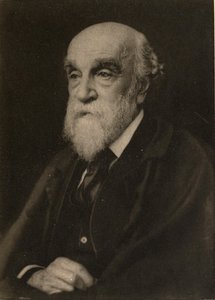
Lowes Cato Dickinson
1819 - 1908 , Reino Unido
Datos clave
- Artistas Que Influyeron:
- John Ruskin
- Dante Gabriel Rossetti
- Fecha De Fallecimiento: 15 de diciembre de 1908
- Fecha De Nacimiento: 27 de noviembre de 1819
- Influenciado Por Artistas: ['Ford Madox Brown']
- Lugar De Nacimiento: Kilburn, Reino Unido
- Movimiento Artístico: Retrato, Socialismo cristiano
- Nacionalidad: Británico
- Nombre Completo: Lowes Cato Dickinson
Artículos relacionados

Georges Braque: Las 25 Obras Maestras del Cubismo y su Legado en el Arte Moderno
Descubre las 25 obras maestras de Georges Braque, pionero del cubismo. Explora su innovadora técnica, colores y el legado del arte moderno francés. Reproducciones de alta calidad en ArtsDot.com. ¡Encuentra tu inspiración!
Sir Joshua Reynolds: Las 25 Obras Maestras del Retrato Inglés | ArtsDot
Descubre las 25 obras maestras de Sir Joshua Reynolds, el pintor inglés que elevó el retrato a la categoría de arte. Explora su técnica clásica, estilo rococó y significado histórico en ArtsDot.com. ¡Encuentra reproducciones de alta calidad para tu hogar!

Georges Seurat: Las 25 Obras Maestras del Pionero Puntillista | ArtsDot
Descubre las 25 obras maestras de Georges Seurat, el innovador del puntillismo. Explora su técnica única, colores vibrantes y legado artístico en ArtsDot.com. Reproducciones de arte de museo para tu hogar.

Alfred Munnings: Las 25 Obras Maestras del Pintor de Caballos | ArtsDot
Descubre las 25 obras maestras de Alfred Munnings, el pintor británico de caballos por excelencia. Explora su impresionismo inglés, escenas campestres y técnica única. Encuentra reproducciones de arte de alta calidad en ArtsDot.com.

The Enduring Legacy of Oil on Canvas: Technique, History & Aesthetic Impact
Explore the rich history & techniques of oil painting – from Renaissance masters to Impressionism. Discover pigments, layering methods, and why this timeless medium endures. Expert insights for artists & art enthusiasts.