 Vista previa
 Compartir
 Compartir
 Ver detalles

 Descargar
 Ver similares
 Radiografía
 Presentación de diapositivas
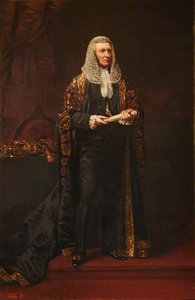
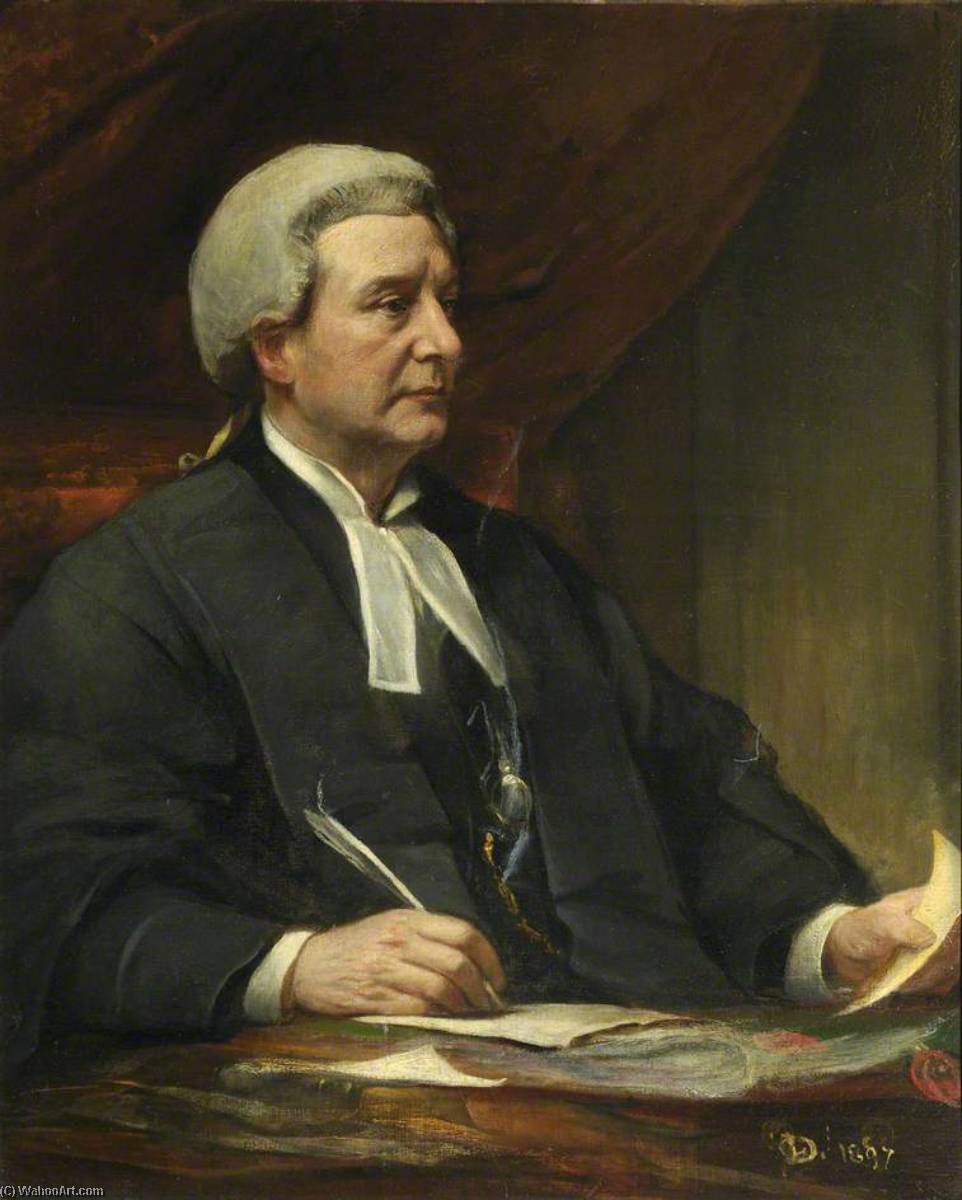
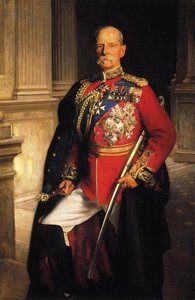
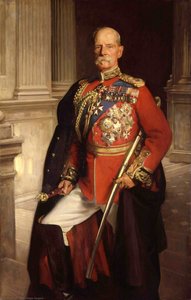
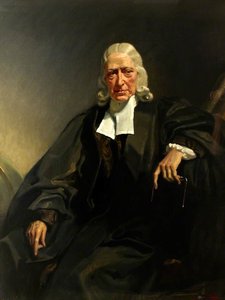
The Right Honourable Lord Justice Sir Robert Romer (1840–1918), PC, KC, GCB
 Acrylic On Canvas
- WallArt
- Victorian Portraiture
 1897
1897 94.0 x 76.0 cm
 Trinity Hall
 Leer más
Reproducción al óleo hecha a mano
Óleo sobre lienzo pintado a mano en el tamaño y marco de su elección, realizado por encargo por nuestros artistas. ( Pedir impresión Comprar descarga)




P118B $10

P118H $10

P118W $10

P438Z $10

P508JH $12

P508YH $12

P805H $10

P805Z $10

P919BZ $10

P919G $10

P919XJ $10

P959ZH $10

P968JZ $12

W106C $8

W218G $10

W218JH $8

W218Y $10

W307PJ $10

W316G $10

W316PJ $8

W316Y $10

W398PJ $8

W4111J $10

W500HY $15

W500JH $15

W692G $12

W849H $8

W940BG $15

W953PJ $8




Elija entre nuestros tamaños predefinidos que respetan las proporciones originales de la obra.

Puede ingresar sus propias dimensiones para adaptarse a un marco o espacio específico. Si el tamaño seleccionado no coincide con las proporciones de la imagen original, recortaremos la obra o extenderemos la pintura con elementos adicionales pintados a mano. Se le enviará una maqueta digital para su aprobación antes de comenzar la producción.
Tenga en cuenta que la vista previa en pantalla no refleja el recorte o la extensión reales. Solo la maqueta mostrará con precisión la composición final.
Si bien existen tamaños personalizados, recomendamos seleccionar una dimensión de la lista predefinida para preservar las proporciones originales.
Tras realizar el pedido, el equipo de ArtsDot.com enviará un correo electrónico al cliente para solicitar instrucciones y proporcionarle una vista previa del boceto.
Envío a todo el mundo () en 3-4 semanas en lugar de las 5 semanas estándar. (22 agosto). Sin comprometer la calidad.

Envío exprés gratuito a todo el mundo

Lienzo de lino de alta calidad

Seguro de envío completo

Garantía de reembolso de aranceles aduaneros

Garantía de fidelidad cromática exacta

Política de devolución de 60 días (solo por defectos)

Garantía de devolución del 100% del dinero

Oferta por volumen
 La opción de vidrio solo está disponible en tamaños inferiores a 110 cm.

The Right Honourable Lord Justice Sir Robert Romer (1840–1918), PC, KC, GCB
Técnica de reproducción
Tamaño de la reproducción
-


Precio total
$ 263
Descripción de la obra
A Portrait Steeped in Victorian Dignity: Exploring Lowes Cato Dickinson’s Masterpiece
The painting “The Right Honourable Lord Justice Sir Robert Romer (1840–1918), PC, KC, GCB” stands as a testament to the artistic prowess of Lowes Cato Dickinson and the prevailing ethos of Victorian England. Completed in 1897, this portrait transcends mere likeness; it embodies the moral seriousness and intellectual ambition characteristic of the era’s legal elite. Dickinson, inheriting his father's lithographic skills and establishing Dickinson Brothers on Bond Street alongside his brothers, skillfully captured a moment frozen in time—a glimpse into the life of Sir Robert Romer, a prominent jurist who served with distinction during Queen Victoria’s reign.Style and Technique: Impressionistic Refinement
Dickinson eschewed the rigid conventions of academic portraiture, opting instead for an impressionistic approach that prioritizes capturing light and atmosphere over meticulous detail. While retaining a recognizable depiction of Romer's features—the meticulously styled wig, the dark suit adorned with a crisp white bow tie—Dickinson employed loose brushstrokes and subtle tonal variations to imbue the canvas with a sense of dynamism. This technique wasn’t merely stylistic choice; it reflected the broader artistic movement that sought to convey emotion and immediacy rather than simply reproducing reality. The artist skillfully blended pigments on wet canvas, layering colors to create depth and luminosity—a hallmark of Impressionism's influence on Victorian art.Historical Context: Legal Reform and Victorian Idealism
The portrait’s creation coincided with a period of significant legal reform in Britain, driven by figures like Romer who championed principles of fairness and justice. Dickinson’s depiction captures Romer not merely as a legal professional but as an embodiment of Victorian ideals—integrity, duty, and unwavering commitment to upholding moral standards. The inclusion of the desk and book serves as symbolic representation of Romer's intellectual pursuits and his role in shaping legal discourse during a transformative era. It speaks to the Victorian fascination with reason and order amidst societal anxieties about progress and morality.Symbolism: Dignity and Responsibility
Beyond its stylistic considerations, “The Right Honourable Lord Justice Sir Robert Romer” is laden with symbolic significance. The formal attire—the wig and suit—represents respectability and authority within the legal profession, highlighting the importance placed on social decorum during Victorian society. Furthermore, Romer’s gaze directly at the viewer conveys a sense of solemn responsibility – he confronts the observer with unwavering conviction, embodying the moral seriousness demanded by his position. The muted palette contributes to this contemplative mood, reinforcing the painting's overarching theme of dignified contemplation and intellectual fortitude.Emotional Impact: A Window into Victorian Character
Ultimately, Dickinson’s masterpiece succeeds in conveying a profound understanding of Victorian character—a blend of intellect, moral conviction, and social obligation. It invites viewers to contemplate not just Romer’s appearance but also his inner life, prompting reflection on the values that underpinned Victorian society. The painting's enduring appeal lies in its ability to capture a specific moment in history while simultaneously resonating with universal themes of ambition, duty, and the pursuit of excellence—a legacy that continues to inspire admiration and appreciation for Dickinson’s artistic vision.Obras relacionadas
Biografía del artista
Vida y Orígenes
- Nacimiento: Kilburn, Reino Unido (1819)
- Fallecimiento: 1908
- Lowes Cato Dickinson nació el 27 de noviembre de 1819 en Kilburn, Londres. Pertenecía a una familia numerosa de once hermanos y hermanas.
- Su padre, Joseph Dickinson, era un litógrafo y editor de arte de Bond Street. Lowes recibió su educación temprana en Topsham School y Dr Lord's School en Tooting.
- Tras la muerte de su padre en 1849, se convirtió en socio de sus dos hermanos mayores, Gilbert Bell Dickinson y William Robert Dickinson, en la firma Dickinson Brothers of Bond Street.
Desarrollo Artístico e Influencias
- Dickinson inicialmente se formó con su padre, adquiriendo experiencia en litografía y publicación de arte.
- Viajó a Italia alrededor de 1850 durante tres años, lo que influyó significativamente en su desarrollo artístico.
- Estuvo asociado con la Hermandad Prerrafaelita, correspondiendo y trabajando con figuras clave como Dante Gabriel Rossetti y John Ruskin. Les dio conferencias junto a ellos.
- Dickinson enseñó dibujo en el Working Men's College junto a Ruskin y Rossetti.
- Ford Madox Brown trabajó para Dickinson Brothers, lo que demuestra una conexión con importantes círculos artísticos.
Obras Principales y Estilo
- Retrato: Dickinson fue conocido principalmente como retratista, capturando numerosas figuras victorianas.
- Retratos de Grupo: Creó notables retratos de grupo, incluido el gabinete de 1868 del Sr. Gladstone fotografiado en la Sala del Gabinete del número 10 de Downing Street.
- Retratos Postumos: Desarrolló una habilidad única para crear retratos postumos a partir de fotografías o descripciones.
- Temas: Sus temas incluyeron a la Reina Victoria, miembros del Parlamento, científicos (Arthur Cayley, James Clerk Maxwell) y socialistas cristianos (Charles Kingsley, Thomas Hughes).
- Estilo: Si bien estuvo influenciado por los prerrafaelitas, su estilo se caracterizó por un enfoque en el realismo y la representación detallada. A menudo pintaba solo rostros, con otros artistas completando la ropa.
Socialismo Cristiano y Compromiso Social
- Dickinson estuvo profundamente involucrado en el movimiento socialista cristiano.
- Co-fundó el Working Men's College en Londres en 1854, dedicado a proporcionar educación liberal para personas de clase trabajadora.
- Sus retratos a menudo representaban figuras destacadas dentro del círculo socialista cristiano, reflejando su compromiso con la reforma social.
Legado y Significado Histórico
- Las obras de Dickinson se conservan en la National Portrait Gallery en Londres, lo que muestra su importante contribución al retrato británico.
- El Working Men's College continúa honrándolo a través del Premio Lowes Dickinson, un premio anual de arte para estudiantes.
- Sus hijos establecieron una beca de viajes en su memoria, solidificando aún más su legado.
- Los documentos de Dickinson se encuentran en Princeton, Oxford y Cambridge Universities, proporcionando valiosos recursos para los estudiosos que estudian el arte y la historia social victoriana.
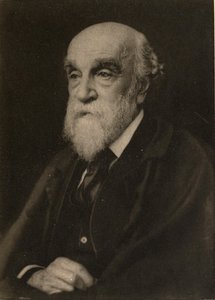
Lowes Cato Dickinson
1819 - 1908 , Reino Unido
Datos clave
- Artistas Que Influyeron:
- John Ruskin
- Dante Gabriel Rossetti
- Fecha De Fallecimiento: 15 de diciembre de 1908
- Fecha De Nacimiento: 27 de noviembre de 1819
- Influenciado Por Artistas: ['Ford Madox Brown']
- Lugar De Nacimiento: Kilburn, Reino Unido
- Movimiento Artístico: Retrato, Socialismo cristiano
- Nacionalidad: Británico
- Nombre Completo: Lowes Cato Dickinson
Artículos relacionados

David Roberts: A Scottish Pioneer of Topographical Art & Orientalist Vision
Explore the captivating world of David Roberts, a pioneering Scottish painter renowned for his detailed Orientalist scenes & stunning Egyptian landscapes. Discover his legacy and find museum-quality reproductions at ArtsDot.
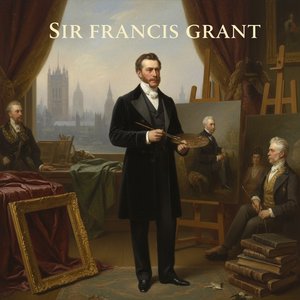
Sir Francis Grant: Portraiture, Patronage & Victorian Society
Explore the life & work of Sir Francis Grant, a leading Victorian portraitist. Discover his aristocratic clientele, role at the Royal Academy, and enduring artistic legacy. Learn about art patronage in 19th-century Britain.
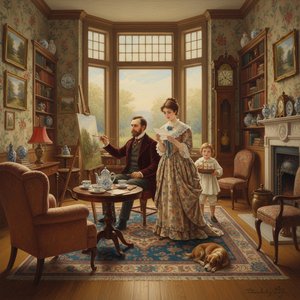
Robert Lillie: A Study in Victorian Genre Painting and Domestic Narrative
Explore the captivating Victorian genre paintings of Robert Lillie (1867-1949). Discover his serene Scottish landscapes and intimate domestic scenes, reflecting a unique artistic vision. Learn about his life, style & legacy.
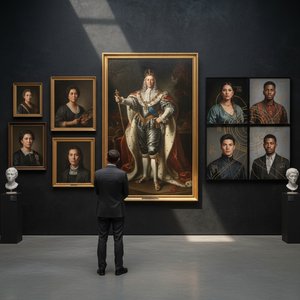
The Enduring Legacy of Formal Portraiture: Power, Identity & Artistic Exploration
Explore the rich history of formal portraiture & its enduring power to capture identity and shape perception. Discover investment-worthy artworks, expert appraisals, and custom reproduction services at ArtsDot.
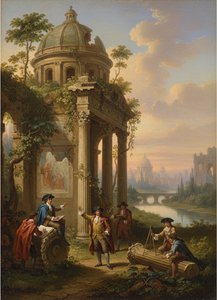
Hubert Robert: Picturing Ruins, Preserving Memory – A Study of Romantic Antiquarianism & Artistic Innovation
Explore the captivating world of Hubert Robert, master of Romantic landscape painting & 'capriccio' ruins. Discover his historical context, artistic innovations, and collecting insights with ArtsDot.