 Ver en contexto
 Enviar
 Compartir
 Detalles

 Descargar
 Similares
 Radiografía
 Presentación de diapositivas
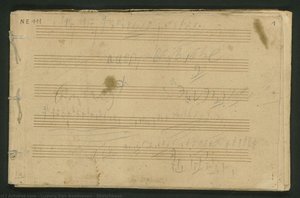
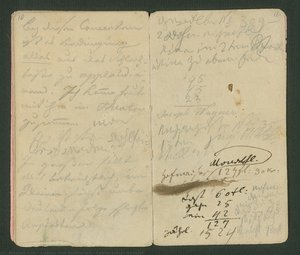
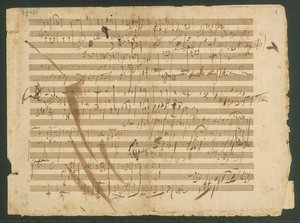
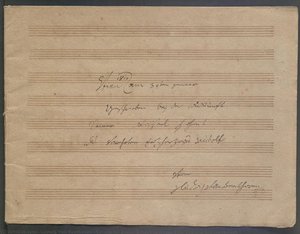
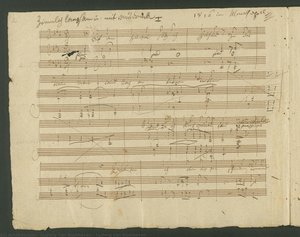
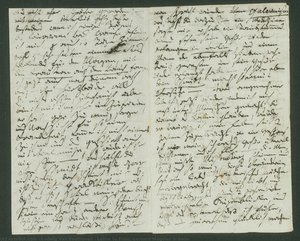
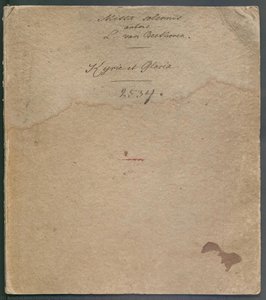
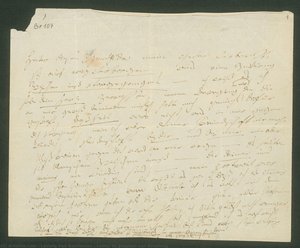
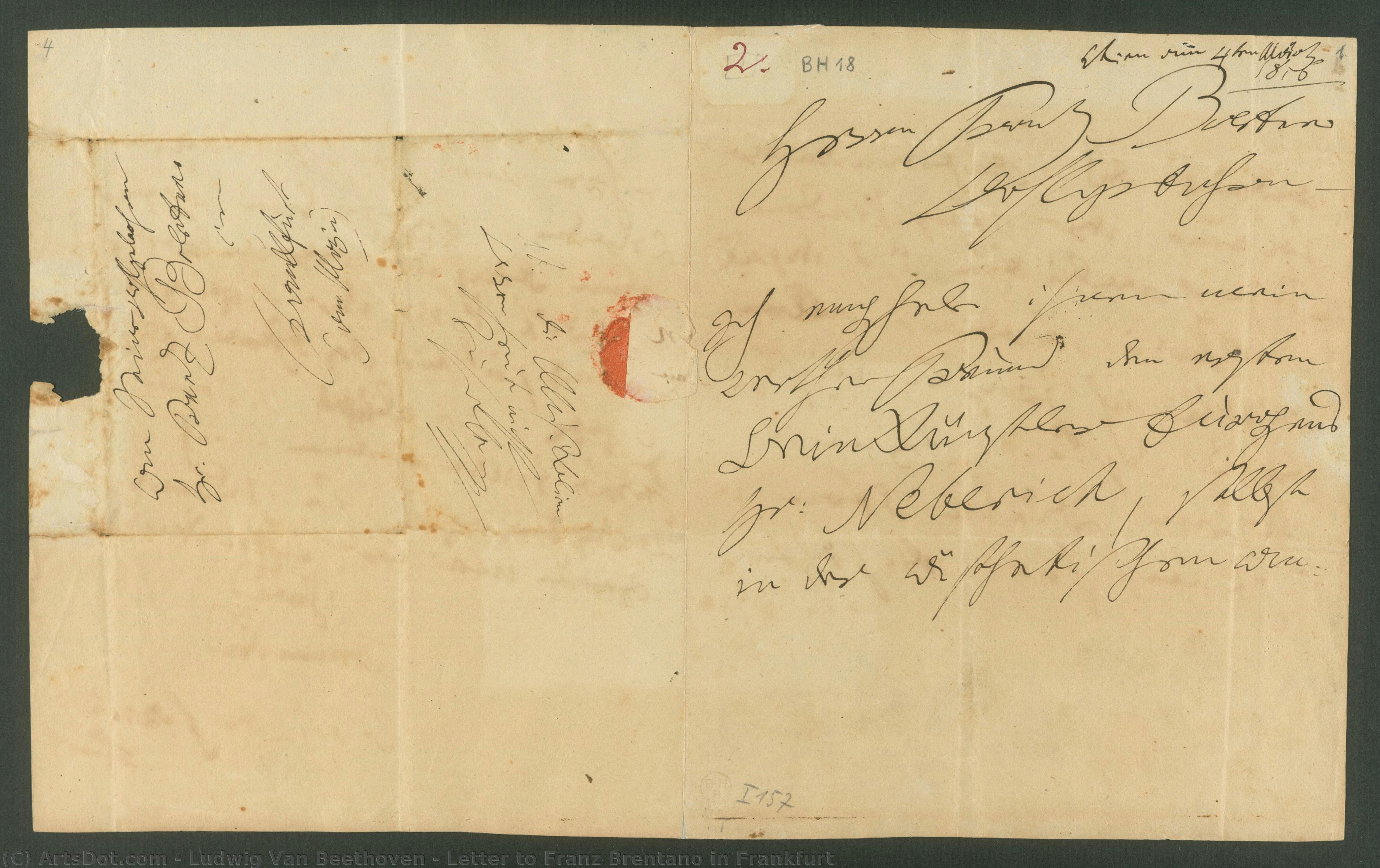
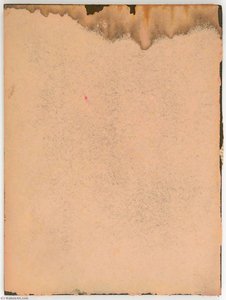
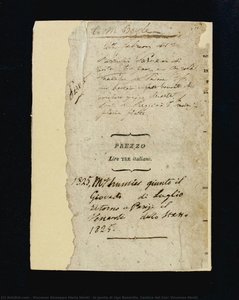
Letter to Franz Brentano in Frankfurt
 1816
1816- 19th Century
 22.0 x 18.0 cm
 Beethoven-Haus Bonn
 Ver más
Giclée / Impresión de arte
Impresiones giclée o en lienzo de calidad de museo con producción rápida y opciones de acabado flexibles. ( Comprar pintura hecha a mano Comprar imagen)




































Elija entre nuestros tamaños predefinidos que respetan las proporciones originales de la obra.

Puede introducir sus propias dimensiones para adaptarse a un marco o espacio específico. Si el tamaño seleccionado no coincide con las proporciones de la imagen original, recortaremos la obra de arte o extenderemos la imagen con un borde con efecto espejo o de color sólido. Se enviará una maqueta digital para su aprobación antes de que comience la producción.
Tenga en cuenta que la vista previa en pantalla no refleja el recorte o la extensión real. Solo la maqueta mostrará con precisión la composición final.
Aunque existen tamaños personalizados, recomendamos seleccionar una dimensión de la lista predefinida para preservar las proporciones originales.
Envío a todo el mundo () en 2 semanas en lugar de las 4/5 semanas estándar. (31 agosto)

Envío exprés gratuito a todo el mundo

Lienzo de lino de alta calidad

Seguro de envío total

Garantía de reembolso de impuestos aduaneros

Garantía de fidelidad cromática exacta

Política de devolución de 60 días (solo por defectos)

Garantía de devolución del 100% del dinero

Descuento por cantidad
 La opción de vidrio solo está disponible en tamaños inferiores a 110 cm.

Letter to Franz Brentano in Frankfurt
Giclée / Impresión de arte
Dimensiones de la reproducción
-


Precio total final
$ 62
A Whisper from the Past: The Intimacy of Beethoven’s Correspondence
In the quiet corners of art history, some of the most profound connections are not found in grand orchestral crescendos, but in the delicate, ink-stained traces of a handwritten letter. Letter to Franz Brentano in Frankfurt serves as a poignant window into the private world of Ludwig van Beethoven, capturing a moment of personal communication frozen in time. This piece transcends mere documentation; it is an evocative study of texture and historical presence. The painting presents us with the tactile reality of 1816, where the rhythmic flow of cursive script dances across aged paper, inviting the viewer to lean in and decipher the thoughts of a genius. There is a profound sense of vulnerability in the way the paper appears slightly weathered, suggesting a document that has been handled, read, and perhaps even treasured by its recipient.
The composition is masterfully intimate, focusing our gaze on the interplay between light and the physical artifacts of correspondence. The presence of an envelope, tucked toward the upper left corner, adds a layer of narrative depth, hinting at the journey this message took from Frankfurt to its destination. Through the artist's lens, we see more than just ink; we see the weight of history. The technique emphasizes the organic imperfections of the era—the slight fraying of edges and the way light catches the subtle undulations of the parchment. For the collector or interior designer, this work offers a sophisticated touch of historical gravity, making it an ideal centerpiece for a study, a library, or any space dedicated to intellectual reflection and the appreciation of classical heritage.
Beyond its visual charm, the artwork carries a heavy emotional resonance, tapping into the romanticism of the early 19th century. To look upon this letter is to contemplate the solitude and the social connections of Beethoven during a period of immense personal struggle and musical innovation. The piece symbolizes the enduring power of the written word and the human desire to bridge distances through thought and sentiment. It serves as a reminder that even the most monumental figures in history were bound by the same fundamental need for connection that we feel today. Incorporating a high-quality reproduction of this work into a curated collection allows one to bring a piece of the Romantic era's soul into the modern home, fostering an atmosphere of timeless elegance and deep, contemplative beauty.
Obras relacionadas
Biografía del artista
early life and musical beginnings
Ludwig van Beethoven, a titan of classical music, was born in Bonn, Germany, on December 17, 1770—the son of Johann Van Beethoven, a singer, and Magdalena Kreutzer—a pianist. From his earliest years, Beethoven demonstrated an extraordinary aptitude for music, captivating audiences with performances that belied his youth. Recognizing this prodigious talent, his father diligently nurtured his musical inclinations, securing lessons from Christian Gottlob Schulze, Bonn’s court organist, who instilled in him a foundational understanding of counterpoint and harmony. However, Beethoven's formal education was somewhat curtailed by familial circumstances; Johann Van Beethoven’s financial struggles hampered the family’s ability to provide extensive resources for his son’s musical pursuits. Despite these limitations, Beethoven persevered, honing his skills independently and immersing himself in the works of composers like Franz Joseph Haydn—a formative influence that would shape his artistic vision.movements and influences
Beethoven's relocation to Vienna in 1792 marked a pivotal juncture in his life and career. Seeking patronage and artistic recognition, he joined forces with Anton Reichstädt, a wealthy Viennese musician who served as his benefactor and introduced him to influential circles within the city’s musical elite. This association fostered collaborations with composers like Joseph Haydn and Johann Georg Albrechtsberger—further enriching Beethoven's intellectual landscape and propelling him toward groundbreaking innovations. Vienna became the crucible of Beethoven’s artistic evolution, where he wrestled with stylistic debates surrounding Classical versus Romantic aesthetics. The prevailing sentiment was that instrumental music should be subservient to vocal music; Beethoven vehemently rejected this notion, asserting its primacy as a form of artistic expression—a stance that challenged established conventions and foreshadowed the burgeoning Romantic movement.major achievements
Beethoven’s musical legacy transcends mere technical brilliance; it embodies an unwavering commitment to emotional depth and expressive power. His symphonies—particularly Symphony No. 5 (“Fate knocking at the door”), Symphony No. 9 (“Ode to Joy”), and Symphony No. 3 ("Eroica")—remain cornerstones of orchestral repertoire, captivating audiences worldwide with their dramatic narratives and harmonic complexity. Beyond his symphonic masterpieces, Beethoven’s piano sonatas—such as Moonlight Sonata and Für Elise—are universally beloved for their lyrical beauty and profound psychological insight. He revolutionized the piano concerto form, elevating it to new heights of artistic sophistication and demonstrating unparalleled mastery of musical technique. Furthermore, Beethoven's choral works, notably Missa Solemnis, stand as monuments to his ambition to fuse music and spirituality—a daring undertaking that cemented his place among history’s most transformative composers.deafness and continued creativity
Beginning in 1796, Beethoven endured a gradual but inexorable descent into deafness—a condition that profoundly impacted his life and artistic practice. Initially experiencing tinnitus (ringing in the ears), he progressively lost hearing until, by the early 1820s, he was effectively mute. Despite this debilitating affliction, Beethoven refused to abandon his musical vocation, channeling his grief and frustration into an astonishing outpouring of creativity—producing some of his most enduring works during a period of profound isolation. He experimented with innovative compositional techniques—such as utilizing hammers and wax cylinders to transcribe music—demonstrating unwavering determination and intellectual resilience. His deafness served not as an impediment but rather as a catalyst for artistic introspection, prompting him to delve deeper into the expressive possibilities of silence and instrumental timbre.historical significance
Ludwig van Beethoven’s influence on subsequent generations of composers is undeniable—his pioneering spirit irrevocably altered the trajectory of Western music. He championed the Romantic ideal of emotional sincerity and individualism—challenging the rigid formalism of the Classical era and paving the way for a more expansive artistic vision. His works continue to inspire musicians and audiences alike, resonating with themes of struggle, triumph, and transcendence—affirming Beethoven’s enduring relevance as a symbol of human creativity and perseverance. He remains an icon of musical genius—a testament to the transformative power of art in confronting adversity and elevating the human spirit.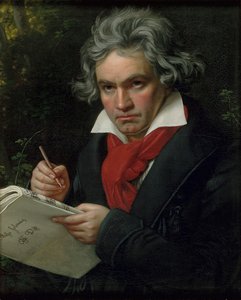
Ludwig Van Beethoven
1770 - 1827 , Alemania
Datos clave
- Artistic Movement Or Style: Clásico Romántico
- Artists Or Movements Influenced By This Artist: ['Johannes Brahms']
- Artists Who Influenced This Artist:
- Franz Joseph Haydn
- Christian Gottlob Schulze
- Date Of Birth: 1770 Bonn Alemania
- Date Of Death: 1827 Viena Austria
- Full Name: Ludwig van Beethoven
- Nationality: Alemania
- Notable Artworks:
- Moonlight Sonata
- Sinfonía No 9
- Place Of Birth: Bonn Alemania
Artículos relacionados
Acrílico sobre Papel: Materialidad y Expresión en el Arte Contemporáneo
Explore la fascinante técnica de la pintura acrílica sobre papel en el arte contemporáneo. Descubra la materialidad, las técnicas mixtas y consejos para coleccionistas exigentes. Guía experta.
The Tactile Canvas: Exploring Texture as Subject, Materiality & Meaning in Art History
Explore the rich history of texture in art! Discover how artists from Van Gogh to contemporary masters use materiality & technique to create captivating tactile experiences. Deepen your art appreciation with ArtsDot.

Los 10 Maestros del Siglo de Oro Holandés: Arte, Historia y Decoración Exclusiva
Descubre los 10 imprescindibles del Siglo de Oro Holandés: Rembrandt, Vermeer y más. Explora la historia, técnica y belleza de estos lienzos clásicos. Encuentra reproducciones de arte exclusivas para decorar tu hogar en .
F.A.Q.: ¿Las Impresiones con Textura se Ven como Pinturas Reales? Una Guía para Coleccionistas Exigentes
¿Las reproducciones de arte con textura se ven como pinturas reales? Descubra cómo garantiza autenticidad, calidad superior y una experiencia excepcional para coleccionistas exigentes. ¡Invierta en arte con confianza!
Las 10 Obras Maestras en Acrílico sobre Papel que Revolucionaron el Arte | ArtsDot
Descubre las 10 obras maestras en acrílico sobre papel que revolucionaron el arte moderno. Explora la historia, técnica y emoción de artistas como Pollock y Rothko. Encuentra reproducciones de alta calidad e inspira tu hogar con ArtsDot.com.