 Ver en contexto
 Enviar
 Compartir
 Detalles

 Descargar
 Similares
 Radiografía
 Presentación de diapositivas
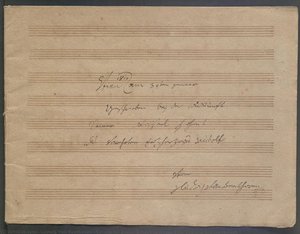
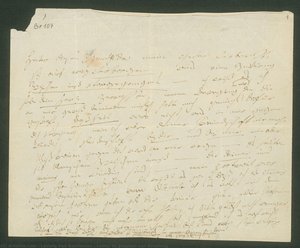
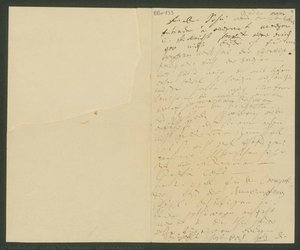
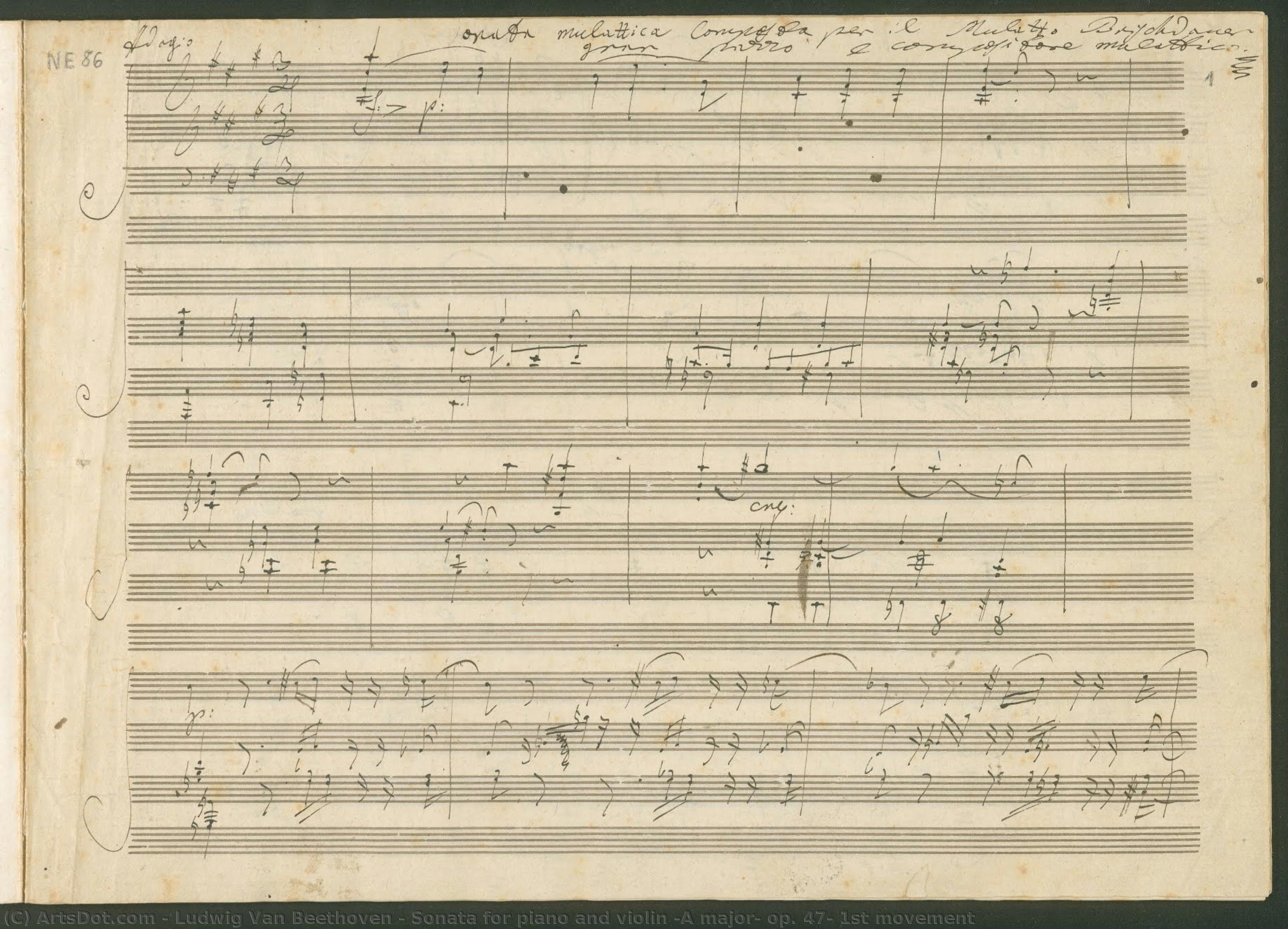
Sonata for piano and violin (A major) op. 47, 1st movement


 Ver más
Giclée / Impresión de arte
Impresiones giclée o en lienzo de calidad de museo con producción rápida y opciones de acabado flexibles. ( Comprar pintura hecha a mano Comprar imagen)




P118B $10

P118H $10

P118W $10

P438Z $10

P508JH $12

P508YH $12

P805H $10

P805Z $10

P919BZ $10

P919G $10

P919XJ $10

P959ZH $10

P968JZ $12

W106C $8

W218G $10

W218JH $8

W218Y $10

W307PJ $10

W316G $10

W316PJ $8

W316Y $10

W398PJ $8

W4111J $10

W500HY $15

W500JH $15

W692G $12

W849H $8

W940BG $15

W953PJ $8




Elija entre nuestros tamaños predefinidos que respetan las proporciones originales de la obra.

Puede introducir sus propias dimensiones para adaptarse a un marco o espacio específico. Si el tamaño seleccionado no coincide con las proporciones de la imagen original, recortaremos la obra de arte o extenderemos la imagen con un borde con efecto espejo o de color sólido. Se enviará una maqueta digital para su aprobación antes de que comience la producción.
Tenga en cuenta que la vista previa en pantalla no refleja el recorte o la extensión real. Solo la maqueta mostrará con precisión la composición final.
Aunque existen tamaños personalizados, recomendamos seleccionar una dimensión de la lista predefinida para preservar las proporciones originales.
Envío a todo el mundo () en 2 semanas en lugar de las 4/5 semanas estándar. (27 agosto)

Envío exprés gratuito a todo el mundo

Lienzo de lino de alta calidad

Seguro de envío total

Garantía de reembolso de impuestos aduaneros

Garantía de fidelidad cromática exacta

Política de devolución de 60 días (solo por defectos)

Garantía de devolución del 100% del dinero

Descuento por cantidad
 La opción de vidrio solo está disponible en tamaños inferiores a 110 cm.

Sonata for piano and violin (A major) op. 47, 1st movement
Giclée / Impresión de arte
Dimensiones de la reproducción
-


Precio total final
$ 62
Beethoven’s Sonata for Piano and Violin: A Journey Through Passion and Innovation
Ludwig van Beethoven's "Sonata for Piano and Violin in A major, Op. 47," often known as the “Kreutzer Sonata,” isn’t merely a musical composition; it’s a visceral experience, a window into the turbulent soul of one of history’s most transformative composers. Completed in 1803 during a period of intense personal and professional upheaval for Beethoven – marked by increasing deafness and shifting patronage – this sonata stands as a testament to his unwavering artistic vision and his ability to translate profound emotion into sound.
The piece immediately captivates with its dramatic opening, eschewing the typical elegance of early Classical sonatas. Instead, it plunges directly into a chromatic introduction in D minor, a stark departure that establishes an atmosphere of brooding intensity. This initial darkness serves as a powerful counterpoint to the subsequent movements, creating a dynamic tension that defines the entire work. The first movement, marked “Adagio sostenuto – Presto,” unfolds with a deliberate slowness, building gradually towards a frenzied climax—a whirlwind of notes and rhythms that mirrors the composer’s own inner turmoil. The interplay between the piano and violin is not one of simple accompaniment; rather, it's a passionate dialogue, a push and pull of ideas and emotions.
A Tale of Rivalry and Dedication
The story behind the “Kreutzer Sonata” is as compelling as the music itself. Initially dedicated to the celebrated violinist George Bridgetower, the sonata’s creation was intertwined with a scandalous affair and a bitter dispute. Beethoven, deeply attached to a woman, became embroiled in a quarrel with Bridgetower, fueled by jealousy and resentment. The resulting estrangement led Beethoven to ultimately dedicate the work to Rodolphe Kreutzer, a fellow violinist known for his virtuosity and connections within the Viennese musical circles. This act of dedication, born from conflict, adds another layer of intrigue to the sonata’s narrative.
Interestingly, Kreutzer himself reportedly found the piece baffling and refused to perform it, suggesting that its complexity and emotional intensity were beyond his capabilities. This reluctance further cemented the “Kreutzer Sonata”’s reputation as a challenging and demanding work—a testament to Beethoven's willingness to push the boundaries of musical expression.
Form and Technique: A Masterclass in Duo Performance
Structurally, the sonata is divided into three distinct movements. The second movement, an “Andante,” offers a brief respite from the intensity of the first, presenting a more lyrical and contemplative theme. However, even here, Beethoven employs unexpected harmonic shifts and rhythmic irregularities, preventing it from becoming overly sentimental. The final movement, a spirited “Presto” in A major, is a whirlwind of energy and virtuosity—a dazzling display of technical skill and compositional ingenuity.
Beethoven’s use of dynamics and orchestration is particularly noteworthy. He masterfully employs contrasting levels of volume to heighten the emotional impact of each movement, creating moments of overwhelming power and delicate beauty. The interplay between the piano and violin is meticulously crafted, with each instrument taking turns to dominate the texture—a testament to Beethoven's understanding of duo performance.
Symbolism and Emotional Resonance
Beyond its technical brilliance, the “Kreutzer Sonata” resonates deeply with listeners due to its profound emotional content. The sonata’s turbulent energy reflects the composer’s own struggles with deafness and his personal relationships—a poignant exploration of love, loss, jealousy, and ambition. The story of the sonata's dedication is itself imbued with symbolism, representing not only a musical work but also a complex human drama.
Listening to the “Kreutzer Sonata” is akin to embarking on a journey through the depths of the human psyche—a powerful reminder of the enduring capacity for both beauty and suffering within the creative spirit. It remains a cornerstone of the classical repertoire, captivating audiences with its dramatic intensity and timeless emotional resonance.
Obras relacionadas
Biografía del artista
early life and musical beginnings
Ludwig van Beethoven, a titan of classical music, was born in Bonn, Germany, on December 17, 1770—the son of Johann Van Beethoven, a singer, and Magdalena Kreutzer—a pianist. From his earliest years, Beethoven demonstrated an extraordinary aptitude for music, captivating audiences with performances that belied his youth. Recognizing this prodigious talent, his father diligently nurtured his musical inclinations, securing lessons from Christian Gottlob Schulze, Bonn’s court organist, who instilled in him a foundational understanding of counterpoint and harmony. However, Beethoven's formal education was somewhat curtailed by familial circumstances; Johann Van Beethoven’s financial struggles hampered the family’s ability to provide extensive resources for his son’s musical pursuits. Despite these limitations, Beethoven persevered, honing his skills independently and immersing himself in the works of composers like Franz Joseph Haydn—a formative influence that would shape his artistic vision.movements and influences
Beethoven's relocation to Vienna in 1792 marked a pivotal juncture in his life and career. Seeking patronage and artistic recognition, he joined forces with Anton Reichstädt, a wealthy Viennese musician who served as his benefactor and introduced him to influential circles within the city’s musical elite. This association fostered collaborations with composers like Joseph Haydn and Johann Georg Albrechtsberger—further enriching Beethoven's intellectual landscape and propelling him toward groundbreaking innovations. Vienna became the crucible of Beethoven’s artistic evolution, where he wrestled with stylistic debates surrounding Classical versus Romantic aesthetics. The prevailing sentiment was that instrumental music should be subservient to vocal music; Beethoven vehemently rejected this notion, asserting its primacy as a form of artistic expression—a stance that challenged established conventions and foreshadowed the burgeoning Romantic movement.major achievements
Beethoven’s musical legacy transcends mere technical brilliance; it embodies an unwavering commitment to emotional depth and expressive power. His symphonies—particularly Symphony No. 5 (“Fate knocking at the door”), Symphony No. 9 (“Ode to Joy”), and Symphony No. 3 ("Eroica")—remain cornerstones of orchestral repertoire, captivating audiences worldwide with their dramatic narratives and harmonic complexity. Beyond his symphonic masterpieces, Beethoven’s piano sonatas—such as Moonlight Sonata and Für Elise—are universally beloved for their lyrical beauty and profound psychological insight. He revolutionized the piano concerto form, elevating it to new heights of artistic sophistication and demonstrating unparalleled mastery of musical technique. Furthermore, Beethoven's choral works, notably Missa Solemnis, stand as monuments to his ambition to fuse music and spirituality—a daring undertaking that cemented his place among history’s most transformative composers.deafness and continued creativity
Beginning in 1796, Beethoven endured a gradual but inexorable descent into deafness—a condition that profoundly impacted his life and artistic practice. Initially experiencing tinnitus (ringing in the ears), he progressively lost hearing until, by the early 1820s, he was effectively mute. Despite this debilitating affliction, Beethoven refused to abandon his musical vocation, channeling his grief and frustration into an astonishing outpouring of creativity—producing some of his most enduring works during a period of profound isolation. He experimented with innovative compositional techniques—such as utilizing hammers and wax cylinders to transcribe music—demonstrating unwavering determination and intellectual resilience. His deafness served not as an impediment but rather as a catalyst for artistic introspection, prompting him to delve deeper into the expressive possibilities of silence and instrumental timbre.historical significance
Ludwig van Beethoven’s influence on subsequent generations of composers is undeniable—his pioneering spirit irrevocably altered the trajectory of Western music. He championed the Romantic ideal of emotional sincerity and individualism—challenging the rigid formalism of the Classical era and paving the way for a more expansive artistic vision. His works continue to inspire musicians and audiences alike, resonating with themes of struggle, triumph, and transcendence—affirming Beethoven’s enduring relevance as a symbol of human creativity and perseverance. He remains an icon of musical genius—a testament to the transformative power of art in confronting adversity and elevating the human spirit.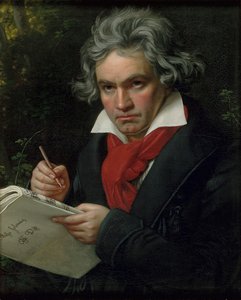
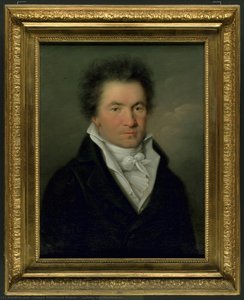
Ludwig Van Beethoven
1770 - 1827 , Alemania
Datos clave
- Artistic Movement Or Style: Clásico Romántico
- Artists Or Movements Influenced By This Artist: ['Johannes Brahms']
- Artists Who Influenced This Artist:
- Franz Joseph Haydn
- Christian Gottlob Schulze
- Date Of Birth: 1770 Bonn Alemania
- Date Of Death: 1827 Viena Austria
- Full Name: Ludwig van Beethoven
- Nationality: Alemania
- Notable Artworks:
- Moonlight Sonata
- Sinfonía No 9
- Place Of Birth: Bonn Alemania
Artículos relacionados
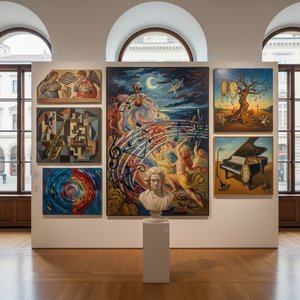
Harmonies on Canvas: Exploring the Visual Representation of Music in Art History
Explore the fascinating history of music's visual representation in art! From ancient symbolism to modern abstraction, discover how artists have captured sound and emotion on canvas. Expert insights & stunning examples.
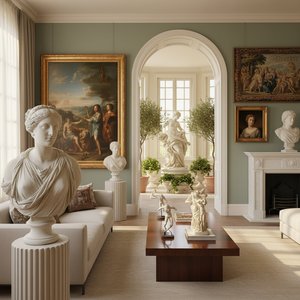
Los 10 Maestros del Neoclasicismo: Obras que Definieron una Era |
Descubre los 10 imprescindibles del Neoclasicismo con . Obras de David, Ingres y Canova que marcaron una era. Historia, técnica y significado de cada pieza. Encuentra reproducciones de arte de museo en
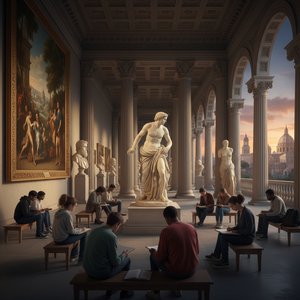
El Legado Perenne del Clasicismo: Principios Fundamentales, Evolución e Influencia en el Arte Occidental
Descubre la historia del arte clásico occidental: desde sus orígenes en Grecia y Roma hasta su influencia en el Renacimiento y las corrientes contemporáneas. Análisis experto, artistas clave y obras maestras imperdibles.
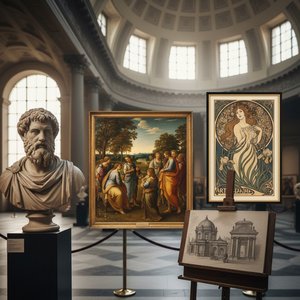
Resonancia Atemporal: Explorando el Vibe Clásico en el Arte – Un Análisis Histórico y Estético
Explora la atemporal belleza del arte clásico y neoclásico con nuestro análisis histórico y estético. Descubre cómo integrar estos estilos en tu hogar con ArtsDot.com.
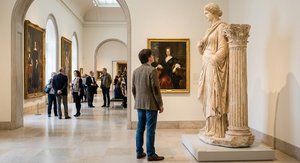
The Enduring Legacy of Classical Style: Form, Narrative & Influence in Art
Explore the enduring legacy of classical art – from ancient Greece & Rome to Neoclassicism. Discover key artists, philosophical roots & build a timeless collection with ArtsDot's expert guidance.