

 Ver en contexto
 Enviar
 Compartir
 Detalles

 Descargar
 Similares
 Radiografía
 Presentación de diapositivas
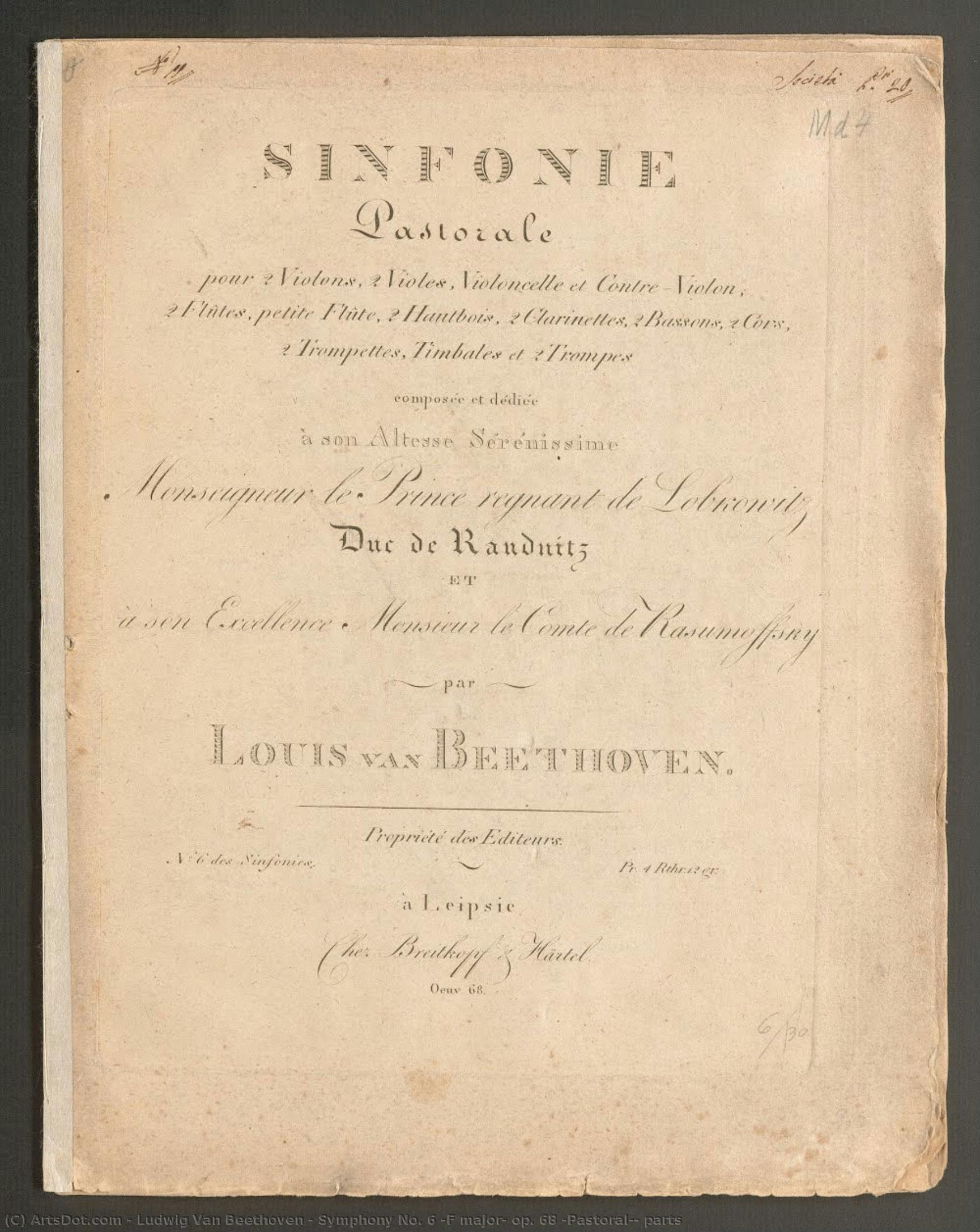
Symphony No. 6 (F major) op. 68 (Pastoral), parts


 Ver más
Adquiera una imagen digital de alta resolución y optimizada, muy superior a la vista previa en línea.
Cada archivo es preparado meticulosamente por nuestros especialistas internos mediante el uso de herramientas avanzadas y un experto retoque manual. Nos aseguramos de que cada imagen posea una claridad excepcional, una precisión cromática impecable y un detalle minucioso.
El archivo final se entrega por correo electrónico en un plazo de 72 horas, optimizado para su uso inmediato en entornos profesionales, editoriales y de impresión. Esta es la misma calidad en la que confían los estudios de diseño, las editoriales y las galerías de primer nivel.
Imagen Digital
Descarga un archivo de alta resolución para exhibición personal, impresión y proyectos creativos. ( Comprar impresión Comprar pintura hecha a mano)
Incluido en cada pedido de imágenes digitales
Entrega digital experta, garantizada.
Al elegir ArtsDot.com, no solo está adquiriendo una imagen; está recibiendo una obra de arte digital mejorada profesionalmente, elaborada con precisión y respaldada por una garantía de satisfacción. Esto es todo lo que incluye su pedido, automáticamente:

Entrega rápida por email
Recibirá su archivo de imagen digital en alta resolución por correo electrónico en un plazo de 72 horas tras realizar su pedido, listo para su uso inmediato.

Archivo digital optimizado por IA
Su obra de arte se optimiza profesionalmente mediante herramientas avanzadas de IA y edición manual, garantizando el máximo detalle, claridad y precisión cromática.

Reenvío gratuito de por vida
¿Has borrado o perdido tu archivo por error? No te preocupes: te lo volveremos a enviar en cualquier momento, sin coste adicional.

Sin gastos de importación, siempre
Disfrute de su obra de arte al instante sin aduanas, aranceles ni gastos de envío; las descargas digitales siempre están libres de impuestos.

Garantía de fidelidad de color
Garantizamos que su imagen digital refleje los colores originales con la mayor fidelidad posible, mediante el uso de herramientas profesionales y gestión del color.

Garantía de satisfacción de 60 días
Si no está satisfecho con su imagen digital, la revisaremos o le reembolsaremos el 100% en un plazo de 60 días, sin preguntas.

100% Garantía de devolución de dinero
¿No está satisfecho? Obtenga un reembolso completo dentro de los 60 días posteriores a la recepción de su archivo digital, sin necesidad de explicaciones.

Descuentos por pedidos grandes
Compra 3 imágenes, ahorra 10% - Compra 5, ahorra 15% - Compra 10+, ahorra 20%. Ideal para proyectos creativos, galerías y agencias.
A Window into the Soul of Nature
Behold a captivating reproduction of Ludwig van Beethoven’s Symphony No. 6 in F major, affectionately known as the “Pastoral” Symphony – an evocative journey rendered on aged parchment that transcends mere musical notation and becomes a portal to the composer's profound connection with the natural world. This isn’t simply a sheet music page; it’s a tangible artifact whispering tales of rolling hills, babbling brooks, and the quiet majesty of rural life, all meticulously captured within the constraints of 19th-century print design. The deliberate choice of a vintage aesthetic—the subtle yellowing of the paper, the delicate creases hinting at years spent in careful study—immediately establishes an atmosphere of reverence and historical significance, inviting us to step back into a time when music was intimately linked with observation and emotion.
The design itself is a testament to the elegance of classical European printmaking. The typography, a refined serif font, commands attention while maintaining a sense of formality befitting Beethoven’s stature. Handwritten annotations, scattered throughout the score, add a layer of intimacy, suggesting the composer's own meticulous revisions and personal reflections. These details aren’t mere flourishes; they are integral to understanding the work’s genesis – a deliberate attempt by Beethoven to translate his experiences in nature into musical form, moving beyond the rigid structures of earlier classical music.
The Genesis of Pastoralism
Beethoven's Sixth Symphony emerged during a pivotal period in his life—a time marked by increasing deafness and a growing desire for respite from the pressures of Viennese society. Seeking solace and inspiration, he retreated to the countryside, immersing himself in the sights and sounds of nature. This experience profoundly shaped the symphony, which became a deliberate attempt to evoke these sensory impressions through music. The work’s programmatic titles—"Awakening," "Scene by the Brook," "Merry Gathering of Country Folk," and “Thunderstorm”—provide explicit clues to the musical landscape Beethoven sought to portray.
The symphony's structure mirrors this pastoral journey, unfolding in five movements that capture distinct aspects of rural life. The opening movement, “Awakening,” establishes a sense of tranquility and anticipation, while the second, "Scene by the Brook," utilizes delicate string textures and evocative melodic fragments to mimic the sound of flowing water. The third movement, “Merry Gathering of Country Folk,” bursts with lively energy, depicting a boisterous tavern scene filled with dancing and merriment. Finally, the fourth movement, “Thunderstorm,” unleashes a dramatic torrent of orchestral sound, capturing the raw power and awe-inspiring beauty of nature’s fury.
Symbolism and Emotional Resonance
Beyond its programmatic content, Beethoven's Sixth Symphony is rich in symbolism. The pastoral themes resonate with a longing for simplicity, peace, and connection to the natural world—emotions that were particularly poignant during the Romantic era, when artists and writers sought to escape the constraints of industrial society. The symphony’s emotional impact is profound, evoking feelings of joy, serenity, wonder, and even melancholy. It's a testament to Beethoven's ability to tap into universal human experiences through his music.
The aged manuscript itself serves as a powerful symbol—a reminder of the passage of time, the enduring legacy of artistic genius, and the beauty that can be found in both nature and art. This reproduction isn’t just a copy; it's an invitation to connect with Beethoven’s vision, to lose oneself in the music’s evocative landscapes, and to appreciate the profound emotional depth of this timeless masterpiece.
Obras relacionadas
Biografía del artista
early life and musical beginnings
Ludwig van Beethoven, a titan of classical music, was born in Bonn, Germany, on December 17, 1770—the son of Johann Van Beethoven, a singer, and Magdalena Kreutzer—a pianist. From his earliest years, Beethoven demonstrated an extraordinary aptitude for music, captivating audiences with performances that belied his youth. Recognizing this prodigious talent, his father diligently nurtured his musical inclinations, securing lessons from Christian Gottlob Schulze, Bonn’s court organist, who instilled in him a foundational understanding of counterpoint and harmony. However, Beethoven's formal education was somewhat curtailed by familial circumstances; Johann Van Beethoven’s financial struggles hampered the family’s ability to provide extensive resources for his son’s musical pursuits. Despite these limitations, Beethoven persevered, honing his skills independently and immersing himself in the works of composers like Franz Joseph Haydn—a formative influence that would shape his artistic vision.movements and influences
Beethoven's relocation to Vienna in 1792 marked a pivotal juncture in his life and career. Seeking patronage and artistic recognition, he joined forces with Anton Reichstädt, a wealthy Viennese musician who served as his benefactor and introduced him to influential circles within the city’s musical elite. This association fostered collaborations with composers like Joseph Haydn and Johann Georg Albrechtsberger—further enriching Beethoven's intellectual landscape and propelling him toward groundbreaking innovations. Vienna became the crucible of Beethoven’s artistic evolution, where he wrestled with stylistic debates surrounding Classical versus Romantic aesthetics. The prevailing sentiment was that instrumental music should be subservient to vocal music; Beethoven vehemently rejected this notion, asserting its primacy as a form of artistic expression—a stance that challenged established conventions and foreshadowed the burgeoning Romantic movement.major achievements
Beethoven’s musical legacy transcends mere technical brilliance; it embodies an unwavering commitment to emotional depth and expressive power. His symphonies—particularly Symphony No. 5 (“Fate knocking at the door”), Symphony No. 9 (“Ode to Joy”), and Symphony No. 3 ("Eroica")—remain cornerstones of orchestral repertoire, captivating audiences worldwide with their dramatic narratives and harmonic complexity. Beyond his symphonic masterpieces, Beethoven’s piano sonatas—such as Moonlight Sonata and Für Elise—are universally beloved for their lyrical beauty and profound psychological insight. He revolutionized the piano concerto form, elevating it to new heights of artistic sophistication and demonstrating unparalleled mastery of musical technique. Furthermore, Beethoven's choral works, notably Missa Solemnis, stand as monuments to his ambition to fuse music and spirituality—a daring undertaking that cemented his place among history’s most transformative composers.deafness and continued creativity
Beginning in 1796, Beethoven endured a gradual but inexorable descent into deafness—a condition that profoundly impacted his life and artistic practice. Initially experiencing tinnitus (ringing in the ears), he progressively lost hearing until, by the early 1820s, he was effectively mute. Despite this debilitating affliction, Beethoven refused to abandon his musical vocation, channeling his grief and frustration into an astonishing outpouring of creativity—producing some of his most enduring works during a period of profound isolation. He experimented with innovative compositional techniques—such as utilizing hammers and wax cylinders to transcribe music—demonstrating unwavering determination and intellectual resilience. His deafness served not as an impediment but rather as a catalyst for artistic introspection, prompting him to delve deeper into the expressive possibilities of silence and instrumental timbre.historical significance
Ludwig van Beethoven’s influence on subsequent generations of composers is undeniable—his pioneering spirit irrevocably altered the trajectory of Western music. He championed the Romantic ideal of emotional sincerity and individualism—challenging the rigid formalism of the Classical era and paving the way for a more expansive artistic vision. His works continue to inspire musicians and audiences alike, resonating with themes of struggle, triumph, and transcendence—affirming Beethoven’s enduring relevance as a symbol of human creativity and perseverance. He remains an icon of musical genius—a testament to the transformative power of art in confronting adversity and elevating the human spirit.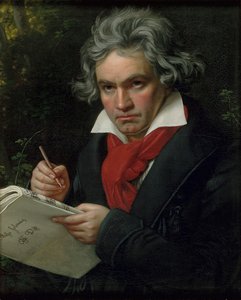
Ludwig Van Beethoven
1770 - 1827 , Alemania
Breves datos
- Artistic Movement Or Style: Clásico Romántico
- Artists Or Movements Influenced By This Artist: ['Johannes Brahms']
- Artists Who Influenced This Artist:
- Franz Joseph Haydn
- Christian Gottlob Schulze
- Date Of Birth: 1770 Bonn Alemania
- Date Of Death: 1827 Viena Austria
- Full Name: Ludwig van Beethoven
- Nationality: Alemania
- Notable Artworks:
- Moonlight Sonata
- Sinfonía No 9
- Place Of Birth: Bonn Alemania

