 Ver en contexto
 Enviar
 Compartir
 Detalles

 Descargar
 Similares
 Radiografía
 Presentación de diapositivas
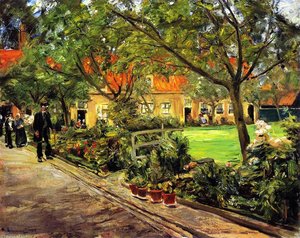
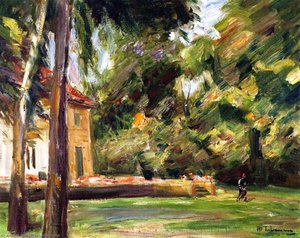
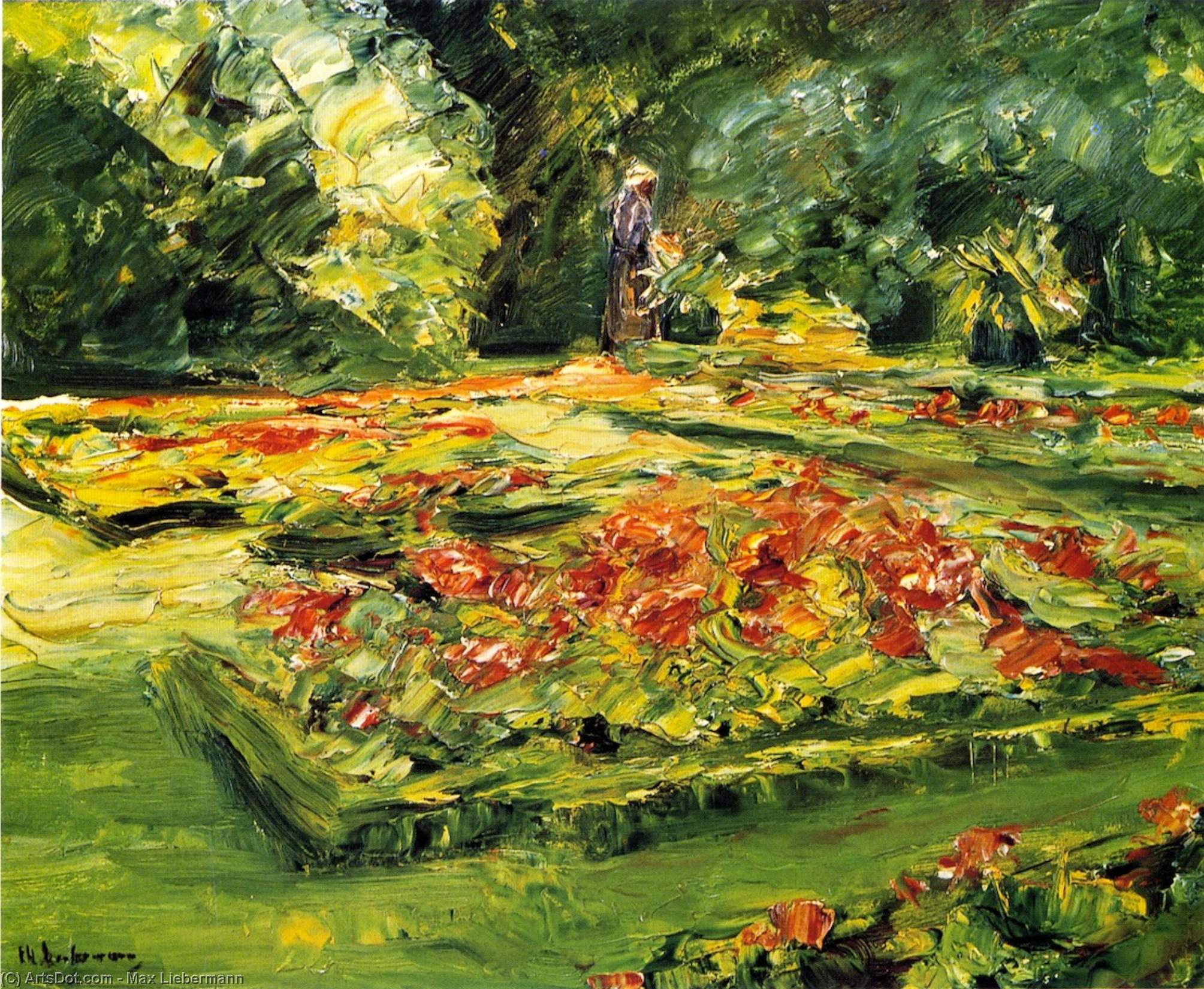
Flower Terrace in the Wannsee Garden, Facing East


 Ver más
Reproducción al óleo hecha a mano
Óleo sobre lienzo pintado a mano en el tamaño y marco de su elección, realizado por encargo por nuestros artistas. ( Comprar impresión Comprar imagen)




P118B $10

P118H $10

P118W $10

P438Z $10

P508JH $12

P508YH $12

P805H $10

P805Z $10

P919BZ $10

P919G $10

P919XJ $10

P959ZH $10

P968JZ $12

W106C $8

W218G $10

W218JH $8

W218Y $10

W307PJ $10

W316G $10

W316PJ $8

W316Y $10

W398PJ $8

W4111J $10

W500HY $15

W500JH $15

W692G $12

W849H $8

W940BG $15

W953PJ $8




Elija entre nuestros tamaños predefinidos que respetan las proporciones originales de la obra.

Puede ingresar sus propias dimensiones para adaptarse a un marco o espacio específico. Si el tamaño seleccionado no coincide con las proporciones de la imagen original, recortaremos la obra o extenderemos la pintura con elementos adicionales pintados a mano. Se le enviará una maqueta digital para su aprobación antes de comenzar la producción.
Tenga en cuenta que la vista previa en pantalla no refleja el recorte o la extensión reales. Solo la maqueta mostrará con precisión la composición final.
Si bien existen tamaños personalizados, recomendamos seleccionar una dimensión de la lista predefinida para preservar las proporciones originales.
Tras realizar el pedido, el equipo de ArtsDot.com enviará un correo electrónico al cliente para solicitar instrucciones y proporcionarle una vista previa del boceto.
Envío a todo el mundo () en 3-4 semanas en lugar de las 5 semanas estándar. (28 agosto). Sin comprometer la calidad.

Envío exprés gratuito a todo el mundo

Lienzo de lino de alta calidad

Seguro de envío total

Garantía de reembolso de impuestos aduaneros

Garantía de fidelidad cromática exacta

Política de devolución de 60 días (solo por defectos)

Garantía de devolución del 100% del dinero

Descuento por cantidad
 La opción de vidrio solo está disponible en tamaños inferiores a 110 cm.

Flower Terrace in the Wannsee Garden, Facing East
Técnica de reproducción
Dimensiones de la reproducción
-


Precio total final
$ 263
A Symphony of Light and Bloom in Liebermann's Garden
To gaze upon Max Liebermann’s Flower Terrace in the Wannsee Garden, Facing East, is to step directly into a moment suspended between vibrant life and profound tranquility. This 1924 oil on panel does more than merely depict a beautiful garden; it captures the very essence of an afternoon spent observing nature's effortless artistry. The scene unfolds with an almost palpable sense of peace, inviting the viewer to slow their pace and breathe in the imagined scent of countless blossoms. Liebermann, ever the master observer of modern life, has rendered this lush setting not just as a backdrop, but as a living entity pulsating with color and light.
Mastery of Impressionistic Brushwork
Technically, the painting is a testament to Liebermann's celebrated handling of paint. His signature bold brushstrokes are evident throughout the composition, lending the entire piece a dynamic energy that belies its serene subject matter. The interplay between the deep, verdant greens of the foliage and the startling pops of color—particularly those vibrant red flowers scattered across the terrace—is breathtaking. This vivid palette, achieved through oil on panel, allows the light to seem almost tangible, catching on every petal and leaf. Notice how the artist builds depth; the foreground feels immediate and richly detailed, while the background recedes into a soft, atmospheric haze, giving the entire garden an expansive, breathable quality.
The Human Element in Nature's Embrace
Central to the composition is the solitary figure positioned thoughtfully within the scene. This man acts as both a focal point and a measure of scale, grounding the viewer within the vastness of the garden. His presence suggests contemplation—perhaps he has paused mid-stroll, or perhaps he is capturing the perfect moment with his own lens. This inclusion of humanity prevents the scene from becoming merely decorative; instead, it imbues it with narrative weight. It speaks to our enduring human need to find moments of quiet reflection amidst the bustle of existence.
Symbolism and Emotional Resonance
The garden itself has always been a potent symbol throughout art history—a microcosm of life, beauty, and cyclical renewal. In this piece, the abundance of flowers symbolizes flourishing life and transient perfection; they are beautiful precisely because their bloom is temporary. The "Facing East" aspect hints at beginnings, dawn, or perhaps simply the direction from which the day's light bathes the scene. For the collector or decorator, owning this reproduction means bringing home not just a painting, but an emotional anchor—a visual promise of calm and natural rejuvenation for any room.
Bringing the Garden Home
Whether you are curating a gallery wall or seeking to infuse a living space with artistic depth, Flower Terrace offers unparalleled versatility. The rich saturation of color ensures it will complement both muted, sophisticated interiors and more vibrant, eclectic settings. Reproducing this work allows art lovers everywhere to connect intimately with the Impressionist spirit of Max Liebermann, transforming a mere wall into a portal to an idealized, sun-drenched sanctuary.
Obras relacionadas
Biografía del artista
Primeros años y educación
- Nacimiento: Berlín, Alemania (1847)
- Fallecimiento: 1935
Carrera artística e influencias
- Impresionismo: Liebermann se convirtió en un destacado defensor del Impresionismo en Alemania, capturando momentos fugaces de la vida moderna con un enfoque en la luz y el color.
- Influencias: Su estilo estuvo notablemente influenciado por Édouard Manet, evidente en su espíritu y enfoque pictórico.
- Motivos: Frecuentemente representaba escenas de la burguesía y aspectos de su jardín cerca del lago Wannsee.
- Retratista: Liebermann ganó reconocimiento como un renombrado retratista, creando más de 200 retratos encargados, incluyendo los de Albert Einstein y Paul von Hindenburg.
Obras destacadas y logros
- "El niño Jesús de doce años en el templo": Una obra temprana que generó debate debido a su representación de un niño Jesús con rasgos semíticos.
- Elección a la Academia Prusiana de las Artes: Un reconocimiento significativo de su mérito artístico y contribución.
- Liderazgo de la Secesión de Berlín (1899-1911): Lideró esta destacada formación vanguardista en Alemania, desafiando las normas artísticas tradicionales.
Vida posterior y significado histórico
- Renuncia a la Academia Prusiana: En 1933, renunció tras la decisión de la academia de excluir a los artistas judíos.
- Fallecimiento y legado: Falleció en Berlín en 1935, dejando atrás una importante obra que continúa siendo celebrada por su estilo impresionista y su retrato perspicaz de la sociedad alemana.
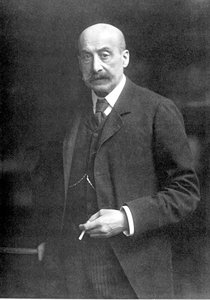
Max Liebermann
1847 - 1935 , Alemania
Datos clave
- Artistas Influenciados: ['Lovis Corinth']
- Artistas Que Influyeron: ['Édouard Manet']
- Fecha De Fallecimiento: 8 de febrero de 1935
- Fecha De Nacimiento: 20 de julio de 1847
- Lugar De Nacimiento: Berlín, Alemania
- Movimiento Artístico: Impresionismo
- Nacionalidad: Alemán
- Nombre Completo: Max Liebermann
- Obras Notables:
- El niño Jesús en el templo
- Granja holandesa
- Retrato del Dr. Max Linde
Artículos relacionados
Max Ernst: Las 25 Obras Maestras del Surrealismo para Decorar tu Hogar con Arte
Descubre las 25 obras maestras de Max Ernst, el rey del surrealismo. Explora su arte onírico, técnicas innovadoras y simbolismo profundo. Reproducciones de alta calidad para decorar tu hogar con estilo en ArtsDot.com
Cultivating Paradise: A Historical & Artistic Exploration of Gardens in Painting
Explore the rich history of gardens in painting! Discover masterpieces from Renaissance to Impressionism & beyond. Learn about symbolism, artists like Monet & Klimt, and find your perfect artwork at ArtsDot.

The Enduring Legacy of Oil on Canvas: Technique, History & Aesthetic Impact
Explore the rich history & techniques of oil painting – from Renaissance masters to Impressionism. Discover pigments, layering methods, and why this timeless medium endures. Expert insights for artists & art enthusiasts.

El Óleo sobre Lienzo: Historia, Técnica y la Persistencia de un Medio Artístico Atemporal
Descubre la historia y técnica del óleo sobre lienzo. Explora reproducciones fieles hechas a mano, personalización artística y consejos de expertos con ArtsDot. ¡Colecciona arte con confianza!

The Enduring Power of Painting: A Historical & Contemporary Exploration of Form and Emotion
Explore the rich history & enduring techniques of oil painting with ArtsDot. Discover masterpieces, learn about art collecting, and find authentic handmade reproductions crafted by skilled artists.