 Ver en contexto
 Enviar
 Compartir
 Detalles

 Descargar
 Similares
 Radiografía
 Presentación de diapositivas
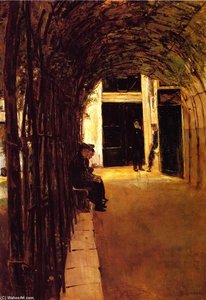
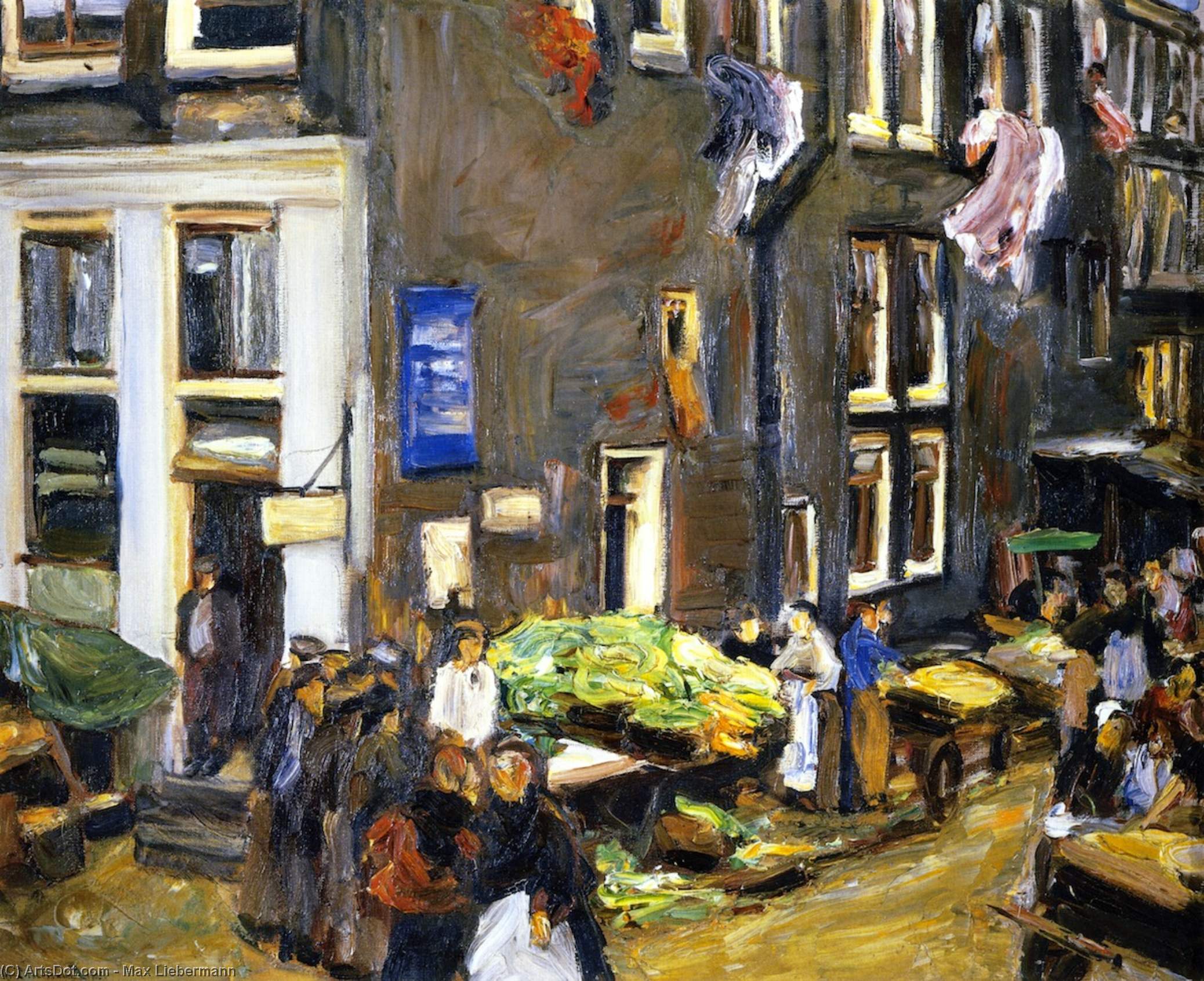
Street in the Jewish Quarter of Amsterdam
 Acrylic On Canvas
- WallArt
- Impressionist Style
 1905
1905 59.0 x 73.0 cm
 Museo Wallraf-Richartz
 Ver más
Giclée / Impresión de arte
Impresiones giclée o en lienzo de calidad de museo con producción rápida y opciones de acabado flexibles. ( Comprar pintura hecha a mano Comprar imagen)




P118B $10

P118H $10

P118W $10

P438Z $10

P508JH $12

P508YH $12

P805H $10

P805Z $10

P919BZ $10

P919G $10

P919XJ $10

P959ZH $10

P968JZ $12

W106C $8

W218G $10

W218JH $8

W218Y $10

W307PJ $10

W316G $10

W316PJ $8

W316Y $10

W398PJ $8

W4111J $10

W500HY $15

W500JH $15

W692G $12

W849H $8

W940BG $15

W953PJ $8




Elija entre nuestros tamaños predefinidos que respetan las proporciones originales de la obra.

Puede introducir sus propias dimensiones para adaptarse a un marco o espacio específico. Si el tamaño seleccionado no coincide con las proporciones de la imagen original, recortaremos la obra de arte o extenderemos la imagen con un borde con efecto espejo o de color sólido. Se enviará una maqueta digital para su aprobación antes de que comience la producción.
Tenga en cuenta que la vista previa en pantalla no refleja el recorte o la extensión real. Solo la maqueta mostrará con precisión la composición final.
Aunque existen tamaños personalizados, recomendamos seleccionar una dimensión de la lista predefinida para preservar las proporciones originales.
Envío a todo el mundo () en 2 semanas en lugar de las 4/5 semanas estándar. (1 septiembre)

Envío exprés gratuito a todo el mundo

Lienzo de lino de alta calidad

Seguro de envío total

Garantía de reembolso de impuestos aduaneros

Garantía de fidelidad cromática exacta

Política de devolución de 60 días (solo por defectos)

Garantía de devolución del 100% del dinero

Descuento por cantidad
 La opción de vidrio solo está disponible en tamaños inferiores a 110 cm.

Street in the Jewish Quarter of Amsterdam
Giclée / Impresión de arte
Dimensiones de la reproducción
-


Precio total final
$ 62
Street in the Jewish Quarter of Amsterdam – A Window into Impressionistic Life
Max Liebermann’s “Street in the Jewish Quarter of Amsterdam,” painted in 1905, stands as a quintessential example of Impressionism's ability to capture not just visual appearances but also the pulse of everyday existence. More than simply depicting a marketplace scene, Liebermann’s canvas offers a poignant glimpse into the social fabric of Amsterdam during its Belle Époque – a time marked by burgeoning modernity alongside deeply rooted traditions.
- Subject Matter: The painting focuses on a bustling market square nestled within Amsterdam's Jewish Quarter. Vendors hawk fresh produce—apples, pears, plums—creating a vibrant tableau populated by shoppers engaged in animated conversation and commerce.
- Style & Technique: Liebermann’s masterful Impressionist technique is immediately apparent. He eschews meticulous detail in favor of capturing the fleeting effects of light and color. Loose brushstrokes blend seamlessly to convey the warmth of sunlight filtering through the buildings, illuminating the fruits and vegetables with radiant hues. The artist skillfully utilizes complementary colors—such as reds and greens—to heighten visual impact and create a sense of dynamism.
- Historical Context: Created at the cusp of the 20th century, “Street in the Jewish Quarter” reflects the optimism and cultural exchange characteristic of its era. Amsterdam’s Jewish community was experiencing significant growth during this period, fostering a lively social environment that Liebermann expertly portrays. The painting serves as an invaluable document for understanding urban life and artistic sensibilities of the time.
The composition itself is thoughtfully constructed. Dominating the foreground are overflowing fruit stands—a deliberate choice by Liebermann to emphasize abundance and vitality. Scattered amongst them are chairs, suggesting moments of respite amidst the activity of the market. These figures – shoppers and vendors alike – contribute to the overall sense of movement and immediacy, immersing the viewer in the scene.
Symbolism: Beyond its aesthetic beauty, “Street in the Jewish Quarter” carries subtle symbolic resonance. The fruits represent nourishment and prosperity—themes prevalent in Impressionist art’s celebration of nature and human experience. Furthermore, the depiction of a multicultural community underscores Liebermann's humanist perspective, reflecting the broader artistic movement’s interest in portraying diverse aspects of human life.Ultimately, Liebermann’s “Street in the Jewish Quarter” transcends mere representation; it evokes emotion. The painting captures not only what was seen but also how it felt—the warmth of sunlight, the energy of conversation, and the richness of cultural interaction. It remains a captivating testament to Impressionism's enduring power to illuminate the human condition.
Obras relacionadas
Biografía del artista
Primeros años y educación
- Nacimiento: Berlín, Alemania (1847)
- Fallecimiento: 1935
Carrera artística e influencias
- Impresionismo: Liebermann se convirtió en un destacado defensor del Impresionismo en Alemania, capturando momentos fugaces de la vida moderna con un enfoque en la luz y el color.
- Influencias: Su estilo estuvo notablemente influenciado por Édouard Manet, evidente en su espíritu y enfoque pictórico.
- Motivos: Frecuentemente representaba escenas de la burguesía y aspectos de su jardín cerca del lago Wannsee.
- Retratista: Liebermann ganó reconocimiento como un renombrado retratista, creando más de 200 retratos encargados, incluyendo los de Albert Einstein y Paul von Hindenburg.
Obras destacadas y logros
- "El niño Jesús de doce años en el templo": Una obra temprana que generó debate debido a su representación de un niño Jesús con rasgos semíticos.
- Elección a la Academia Prusiana de las Artes: Un reconocimiento significativo de su mérito artístico y contribución.
- Liderazgo de la Secesión de Berlín (1899-1911): Lideró esta destacada formación vanguardista en Alemania, desafiando las normas artísticas tradicionales.
Vida posterior y significado histórico
- Renuncia a la Academia Prusiana: En 1933, renunció tras la decisión de la academia de excluir a los artistas judíos.
- Fallecimiento y legado: Falleció en Berlín en 1935, dejando atrás una importante obra que continúa siendo celebrada por su estilo impresionista y su retrato perspicaz de la sociedad alemana.
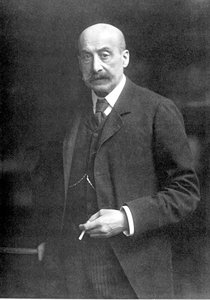
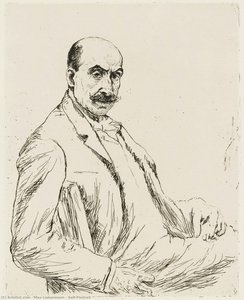
Max Liebermann
1847 - 1935 , Alemania
Datos clave
- Artistas Influenciados: ['Lovis Corinth']
- Artistas Que Influyeron: ['Édouard Manet']
- Fecha De Fallecimiento: 8 de febrero de 1935
- Fecha De Nacimiento: 20 de julio de 1847
- Lugar De Nacimiento: Berlín, Alemania
- Movimiento Artístico: Impresionismo
- Nacionalidad: Alemán
- Nombre Completo: Max Liebermann
- Obras Notables:
- El niño Jesús en el templo
- Granja holandesa
- Retrato del Dr. Max Linde
Artículos relacionados
Max Ernst: Las 25 Obras Maestras del Surrealismo para Decorar tu Hogar con Arte
Descubre las 25 obras maestras de Max Ernst, el rey del surrealismo. Explora su arte onírico, técnicas innovadoras y simbolismo profundo. Reproducciones de alta calidad para decorar tu hogar con estilo en ArtsDot.com

Paul Cézanne: Las 25 Obras Maestras que Definieron el Arte Moderno | ArtsDot
Descubre las 25 obras maestras de Paul Cézanne que revolucionaron el arte moderno. Explora su técnica, inspiración y significado en paisajes, bodegones y retratos. Reproducciones de alta calidad para decorar tu hogar con arte inolvidable. ¡Explora la colección completa en ArtsDot.com!
Impresionismo: 10 Obras Maestras que Capturan la Luz y el Momento
Descubre 10 obras maestras del impresionismo de Monet, Renoir y Degas. Explora la luz, el color y las historias detrás de estos icónicos cuadros. Reproducciones de arte en ArtsDot.com para decorar tu hogar con estilo.
Impresionismo y Postimpresionismo: Una Exploración de la Evolución Artística y sus Distinciones Clave
Explora la evolución del Impresionismo al Postimpresionismo. Descubre sus características, artistas clave y las diferencias esenciales en este análisis experto.
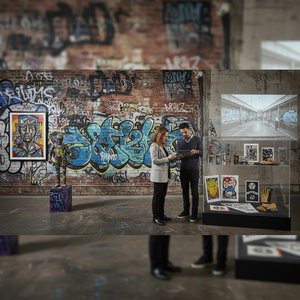
Más Allá del Graffiti: Evolución e Impacto Cultural del Arte Callejero para Coleccionistas
Descubre la evolución del arte urbano y su impacto en el coleccionismo. Análisis de artistas clave, técnicas innovadoras e inversión en obras de street art. Guía experta para coleccionistas.