 Ver en contexto
 Enviar
 Compartir
 Detalles

 Descargar
 Similares
 Radiografía
 Presentación de diapositivas
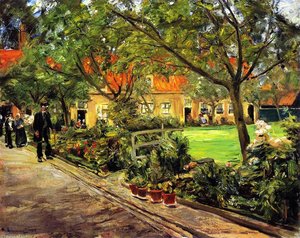
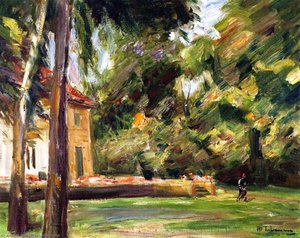
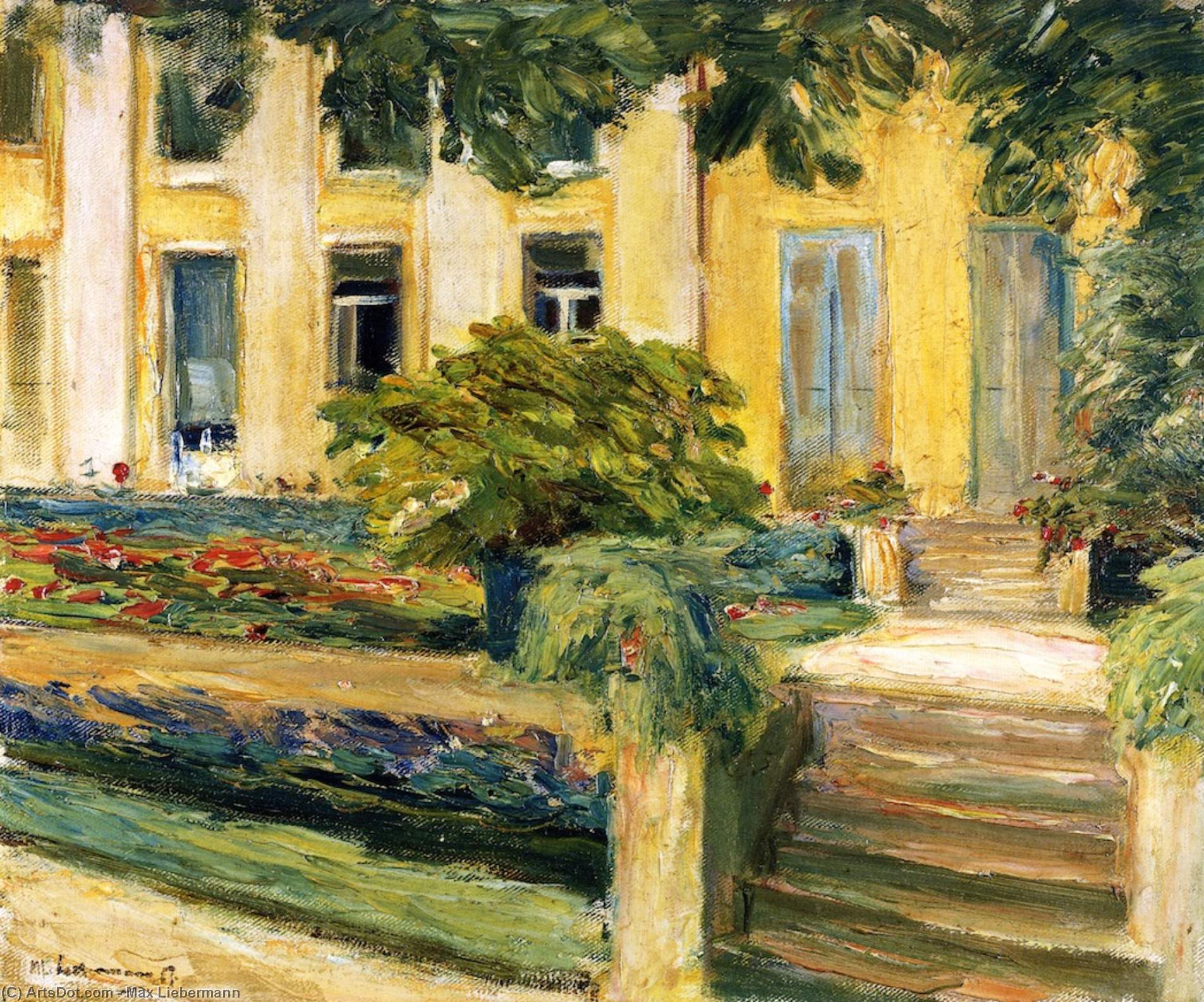
Terrace in the Garden near the Wannsee toward Southwest
 Oil On Canvas
- WallArt
- Impressionism
 1919
1919- 19th Century
 43.0 x 52.0 cm
 Ver más
Giclée / Impresión de arte
Impresiones giclée o en lienzo de calidad de museo con producción rápida y opciones de acabado flexibles. ( Comprar pintura hecha a mano Comprar imagen)




P118B $10

P118H $10

P118W $10

P438Z $10

P508JH $12

P508YH $12

P805H $10

P805Z $10

P919BZ $10

P919G $10

P919XJ $10

P959ZH $10

P968JZ $12

W106C $8

W218G $10

W218JH $8

W218Y $10

W307PJ $10

W316G $10

W316PJ $8

W316Y $10

W398PJ $8

W4111J $10

W500HY $15

W500JH $15

W692G $12

W849H $8

W940BG $15

W953PJ $8




Elija entre nuestros tamaños predefinidos que respetan las proporciones originales de la obra.

Puede introducir sus propias dimensiones para adaptarse a un marco o espacio específico. Si el tamaño seleccionado no coincide con las proporciones de la imagen original, recortaremos la obra de arte o extenderemos la imagen con un borde con efecto espejo o de color sólido. Se enviará una maqueta digital para su aprobación antes de que comience la producción.
Tenga en cuenta que la vista previa en pantalla no refleja el recorte o la extensión real. Solo la maqueta mostrará con precisión la composición final.
Aunque existen tamaños personalizados, recomendamos seleccionar una dimensión de la lista predefinida para preservar las proporciones originales.
Envío a todo el mundo () en 2 semanas en lugar de las 4/5 semanas estándar. (1 septiembre)

Envío exprés gratuito a todo el mundo

Lienzo de lino de alta calidad

Seguro de envío total

Garantía de reembolso de impuestos aduaneros

Garantía de fidelidad cromática exacta

Política de devolución de 60 días (solo por defectos)

Garantía de devolución del 100% del dinero

Descuento por cantidad
 La opción de vidrio solo está disponible en tamaños inferiores a 110 cm.

Terrace in the Garden near the Wannsee toward Southwest
Giclée / Impresión de arte
Dimensiones de la reproducción
-


Precio total final
$ 62
A Sunlit Interlude: Capturing Serenity in Liebermann's Garden
To gaze upon Max Liebermann’s Terrace in the Garden near the Wannsee toward Southwest is to step directly into a moment suspended in time—a breath of pure, sun-drenched tranquility. This painting, executed in 1919, transcends a mere depiction of a garden; it is an immersion into the very essence of leisure and natural harmony. Liebermann, the master chronicler of modern German life, uses this scene to celebrate the quiet dignity found within everyday beauty. The composition immediately draws the eye toward the central architectural element: a charming yellow house whose symmetrical facade suggests both order and welcoming repose. It is a visual anchor against the lush, breathing backdrop of the Wannsee landscape.
The Impressionist Brushstroke and Light's Embrace
Technically, this work is a quintessential example of Liebermann’s masterful Impressionism. He does not simply paint objects; he captures the quality of light as it interacts with them. Notice how the sunlight seems to filter through the abundant greenery, dappling the surfaces and lending an almost palpable warmth to the scene. The artist employs visible brushstrokes that allow the viewer's eye to blend color and texture, mimicking the way real light dissolves solid forms into shimmering patches of hue. From the potted plants clustered around the structure to the gentle suggestion of foliage shading the windows, every element is treated with a painterly delicacy that speaks volumes about his technical prowess.
Symbolism of Place and Pause
The garden setting itself carries deep symbolic weight. Gardens have always been human attempts to cultivate order within the wildness of nature, and here, Liebermann presents this cultivated peace. The placement of the bench near the center is not accidental; it functions as an invitation—a silent prompt for the viewer to pause their own hurried existence and simply sit back. This painting speaks to a yearning for respite, a desire to find pockets of perfect calm amidst the bustle of modern life. The yellow house, bright against the greens and blues, acts almost like a beacon of domestic comfort and enduring stability.
Bringing Bohemian Calm Home
For those who appreciate art that enhances the spirit of a room or grounds an interior space with historical resonance, this reproduction offers unparalleled depth. Imagine the soft glow of Liebermann’s palette illuminating a drawing-room or overlooking a quiet patio. The combination of vibrant color—the cheerful yellow against deep emerald greens—ensures that the piece remains lively without ever feeling jarring. It is art that breathes; it suggests the scent of blooming flowers and the gentle murmur of water from the nearby Wannsee. Owning this work is not just acquiring a painting, but curating an atmosphere of enduring, sunlit serenity.
Obras relacionadas

Biografía del artista
Primeros años y educación
- Nacimiento: Berlín, Alemania (1847)
- Fallecimiento: 1935
Carrera artística e influencias
- Impresionismo: Liebermann se convirtió en un destacado defensor del Impresionismo en Alemania, capturando momentos fugaces de la vida moderna con un enfoque en la luz y el color.
- Influencias: Su estilo estuvo notablemente influenciado por Édouard Manet, evidente en su espíritu y enfoque pictórico.
- Motivos: Frecuentemente representaba escenas de la burguesía y aspectos de su jardín cerca del lago Wannsee.
- Retratista: Liebermann ganó reconocimiento como un renombrado retratista, creando más de 200 retratos encargados, incluyendo los de Albert Einstein y Paul von Hindenburg.
Obras destacadas y logros
- "El niño Jesús de doce años en el templo": Una obra temprana que generó debate debido a su representación de un niño Jesús con rasgos semíticos.
- Elección a la Academia Prusiana de las Artes: Un reconocimiento significativo de su mérito artístico y contribución.
- Liderazgo de la Secesión de Berlín (1899-1911): Lideró esta destacada formación vanguardista en Alemania, desafiando las normas artísticas tradicionales.
Vida posterior y significado histórico
- Renuncia a la Academia Prusiana: En 1933, renunció tras la decisión de la academia de excluir a los artistas judíos.
- Fallecimiento y legado: Falleció en Berlín en 1935, dejando atrás una importante obra que continúa siendo celebrada por su estilo impresionista y su retrato perspicaz de la sociedad alemana.
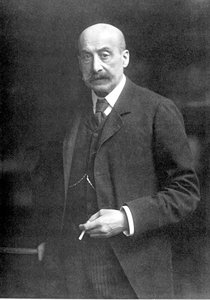
Max Liebermann
1847 - 1935 , Alemania
Datos clave
- Artistas Influenciados: ['Lovis Corinth']
- Artistas Que Influyeron: ['Édouard Manet']
- Fecha De Fallecimiento: 8 de febrero de 1935
- Fecha De Nacimiento: 20 de julio de 1847
- Lugar De Nacimiento: Berlín, Alemania
- Movimiento Artístico: Impresionismo
- Nacionalidad: Alemán
- Nombre Completo: Max Liebermann
- Obras Notables:
- El niño Jesús en el templo
- Granja holandesa
- Retrato del Dr. Max Linde
Artículos relacionados
Max Ernst: Las 25 Obras Maestras del Surrealismo para Decorar tu Hogar con Arte
Descubre las 25 obras maestras de Max Ernst, el rey del surrealismo. Explora su arte onírico, técnicas innovadoras y simbolismo profundo. Reproducciones de alta calidad para decorar tu hogar con estilo en ArtsDot.com
Los 10 Maestros del Paisaje Impresionista: Obras que Cambiaron la Historia del Arte
Descubre los 10 lienzos impresionistas que revolucionaron el arte. Monet, Renoir y más… Explora la historia, técnica y belleza de cada obra maestra. Encuentra reproducciones de alta calidad para tu hogar en ArtsDot.com.
Cultivating Paradise: A Historical & Artistic Exploration of Gardens in Painting
Explore the rich history of gardens in painting! Discover masterpieces from Renaissance to Impressionism & beyond. Learn about symbolism, artists like Monet & Klimt, and find your perfect artwork at ArtsDot.

Los 10 Maestros del Paisaje Impresionista: Obras que Cambiaron la Historia del Arte
Descubre los 10 lienzos impresionistas que revolucionaron el arte. Explora la historia de Monet, Van Gogh y Renoir, sus técnicas y colores vibrantes. Encuentra reproducciones de alta calidad para decorar tu hogar en ArtsDot.com

Evocations of Place: A Historical Journey Through Landscape Art
Explore the rich history of landscape art with ArtsDot. Discover renowned artists, movements like Impressionism & Romanticism, and expert guidance for collecting timeless pieces. Find your perfect serene escape today!