


 Ver en contexto
 Enviar
 Compartir
 Detalles

 Descargar
 Similares
 Radiografía
 Presentación de diapositivas
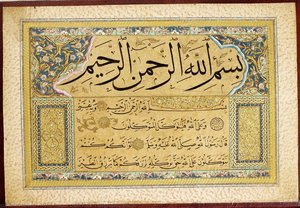
Levha (calligraphic inscription)
 Acrylic On Paper
- Ottoman Calligraphy
 1879
1879- 19th Century
 49.0 x 50.0 cm
 Museo Sakıp Sabancı
 Ver más
Giclée / Impresión de arte
Impresiones giclée o en lienzo de calidad de museo con producción rápida y opciones de acabado flexibles. ( Comprar pintura hecha a mano Comprar imagen)




P118B $10

P118H $10

P118W $10

P438Z $10

P508JH $12

P508YH $12

P805H $10

P805Z $10

P919BZ $10

P919G $10

P919XJ $10

P959ZH $10

P968JZ $12

W106C $8

W218G $10

W218JH $8

W218Y $10

W307PJ $10

W316G $10

W316PJ $8

W316Y $10

W398PJ $8

W4111J $10

W500HY $15

W500JH $15

W692G $12

W849H $8

W940BG $15

W953PJ $8




Elija entre nuestros tamaños predefinidos que respetan las proporciones originales de la obra.

Puede introducir sus propias dimensiones para adaptarse a un marco o espacio específico. Si el tamaño seleccionado no coincide con las proporciones de la imagen original, recortaremos la obra de arte o extenderemos la imagen con un borde con efecto espejo o de color sólido. Se enviará una maqueta digital para su aprobación antes de que comience la producción.
Tenga en cuenta que la vista previa en pantalla no refleja el recorte o la extensión real. Solo la maqueta mostrará con precisión la composición final.
Aunque existen tamaños personalizados, recomendamos seleccionar una dimensión de la lista predefinida para preservar las proporciones originales.
Envío a todo el mundo () en 2 semanas en lugar de las 4/5 semanas estándar. (26 agosto)

Envío exprés gratuito a todo el mundo

Lienzo de lino de alta calidad

Seguro de envío total

Garantía de reembolso de impuestos aduaneros

Garantía de fidelidad cromática exacta

Política de devolución de 60 días (solo por defectos)

Garantía de devolución del 100% del dinero

Descuento por cantidad
 La opción de vidrio solo está disponible en tamaños inferiores a 110 cm.

Levha (calligraphic inscription)
Giclée / Impresión de arte
Dimensiones de la reproducción
-


Precio total final
$ 62
Descripción de la pieza
A Testament to Ottoman Grace: Levha (Calligraphic Inscription) by Mehmed Ali Efendi
This exquisite hand-painted reproduction captures the essence of “Levha” (calligraphic inscription), a seminal work by the esteemed Ottoman calligrapher, Mehmed Ali Efendi. Executed in 1879, just months before his passing, this piece stands as a poignant testament to a lifetime dedicated to elevating the art of Arabic script into a breathtaking visual experience. Measuring 49 x 50 cm, it’s a remarkably intimate scale that belies the profound depth and historical significance contained within.
The Celî Style and its Spiritual Resonance
Mehmed Ali Efendi was a master of the celî style – a hallmark of Ottoman calligraphy during his era. Characterized by its dynamic, flowing lines and generous flourishes, the celî script wasn’t merely about conveying words; it sought to embody spiritual meaning. The intricate patterns surrounding the text are not mere decoration but integral components of this visual prayer, reflecting the deep religious convictions that informed Mehmed Ali Efendi's artistic practice. The use of red paper itself carries symbolic weight – often associated with passion, sacrifice, and divine revelation within Islamic tradition.
Technique and Materials: A Window into Ottoman Craftsmanship
- Paper: The artwork utilizes high-quality red paper, a deliberate choice reflecting the importance of color in Ottoman aesthetics.
- Ink: Traditional Arabic inks, meticulously ground and mixed, provide rich blacks and deep tones that enhance the calligraphy’s legibility and visual impact.
- Gold Leaf: The strategically placed gold accents are not just decorative; they represent divine illumination and signify the sacred nature of the text. Gold was a precious material, reserved for religious and imperial contexts, further elevating the work's status.
- Brushwork: The piece showcases Mehmed Ali Efendi’s exceptional control and skill with the brush, demonstrating the precision and artistry required to execute celî script flawlessly.
Historical Context and Legacy
Created in 1879, “Levha” represents a crucial moment in Ottoman artistic history – a period of both decline and enduring tradition. Mehmed Ali Efendi’s work exemplifies the continued relevance of classical forms within a rapidly changing world. Today, reproductions like this allow us to appreciate not only his technical brilliance but also the cultural richness of the Ottoman Empire. The piece is currently held at the Sakıp Sabancı Museum in Istanbul, a testament to its enduring value and importance within Turkish art heritage.
Bringing Beauty into Your Space
This hand-painted reproduction offers more than just an image; it’s an opportunity to own a piece of Ottoman artistic history. Its elegant design and rich colors will undoubtedly add a touch of sophistication and spiritual depth to any interior space. Perfect for collectors, art enthusiasts, or those seeking unique decorative elements, “Levha” is a timeless investment in beauty and cultural heritage.
Obras relacionadas
Biografía del artista
primeros años y antecedentes
mehmed ali efendi, un calígrafo de renombre, nació en Estambul, Turquía, a principios del siglo XIX (1800) y falleció en 1879. Su obra tuvo un impacto profundo en el desarrollo de la caligrafía otomana, otorgándole un lugar venerado en los anales de la historia del arte.contribuciones artísticas
mehmed ali efendi poseía una destreza excepcional en el estilo celî de la caligrafía, caracterizado por su escritura fluida e intrincados adornos. Este estilo, predominante durante el Imperio Otomano, añadía una dimensión estética a las obras escritas, transformándolas en auténticas obras maestras.obras notables y colecciones
varias de las obras más destacadas de mehmed ali efendi se encuentran resguardadas en museos prominentes, entre ellos:- mehmed ali efendi: levha (inscripción caligráfica), exhibida en el museo sakıp sabancı (estambul, türkiye), ejemplifica su maestría en la caligrafía. Esta pieza, con unas dimensiones de 49 x 50 cm, es un testimonio de su habilidad para crear obras visualmente impactantes sobre papel.
- otro ejemplo notable es el yedikuleli seyyid abdullah efendi: kıt’a (pieza única), que también forma parte de la colección del museo sakıp sabancı, y demuestra la influencia del estilo de mehmed ali efendi en los calígrafos posteriores.
legado e influencia
las contribuciones de mehmed ali efendi a la caligrafía otomana han sido ampliamente reconocidas. Su trabajo puede entenderse como parte de un movimiento cultural más amplio que buscaba elevar la belleza de la escritura, influyendo no solo en el arte, sino también en la literatura y la educación.- para obtener más información sobre mehmed ali efendi y sus obras, visite la página de mehmed ali efendi en ArtsDot.
- explore el movimiento artístico iljánida, el cual, aunque distinto al estilo de mehmed ali efendi, ofrece una visión del contexto más amplio del arte islámico durante aquel periodo.
conclusión
mehmed ali efendi sigue siendo una figura fundamental en la historia de la caligrafía otomana, y sus obras continúan inspirando tanto a artistas como a académicos. A través de su uso magistral del estilo celî, ha dejado una huella indeleble en el mundo del arte.
Mehmed Ali Efendi
1800 - 1879 , Turquía
Datos clave
- Artistas O Movimientos Influenciados Por Este Artista: ['Artistas posteriores en WahooArt']
- Artistas Que Influyeron En Este Artista:
- Caspar David Friedrich
- J.M.W. Turner
- George Catlin
- Fecha De Fallecimiento: 1879
- Movimiento O Estilo Artístico: Arte del siglo XIX
- Nacionalidad: WahooArt
Artículos relacionados
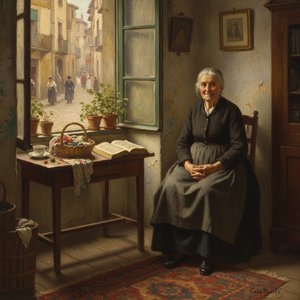
Celis Pérez: Exploring Spanish Realism's Poetics of Everyday Life
Explore the captivating world of Celis Pérez, an Argentine master of geometric abstraction and Spanish realism. Discover his vibrant murals, Pop Art influences & enduring legacy with ArtsDot.
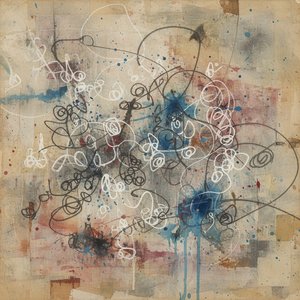
Cy Twombly: Scribbles of Emotion – Deconstructing Post-War Expressionism Through Calligraphy & Abstraction
Explore the captivating world of Cy Twombly with ArtsDot. Discover the emotional depth & artistic significance behind his abstract calligraphy. Expert insights for collectors.

