

 Ver en contexto
 Enviar
 Compartir
 Detalles

 Descargar
 Similares
 Radiografía
 Presentación de diapositivas
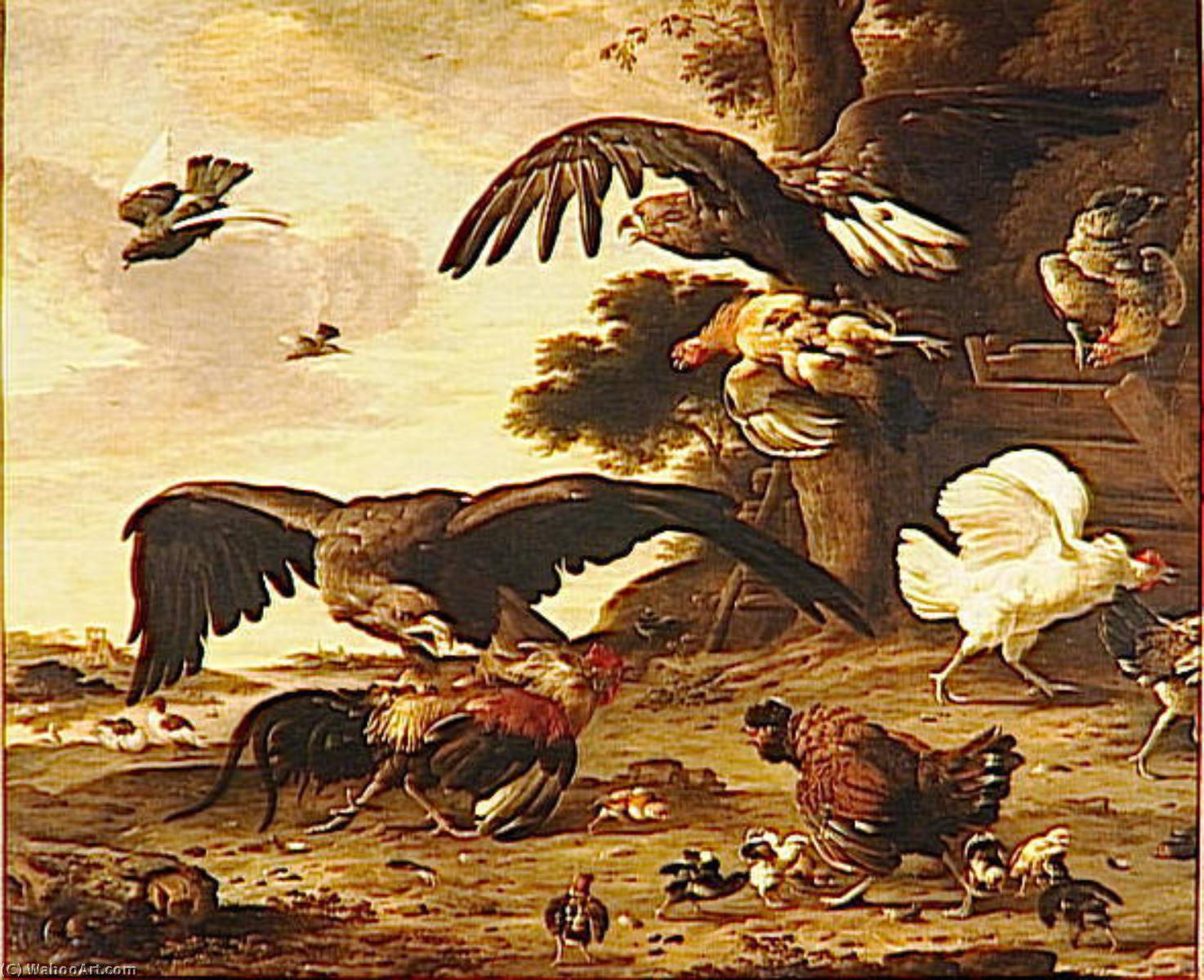
AIGLES ATTAQUANT DES POULES


 Ver más
Reproducción al óleo hecha a mano
Óleo sobre lienzo pintado a mano en el tamaño y marco de su elección, realizado por encargo por nuestros artistas. ( Comprar impresión Comprar imagen)




P118B $10

P118H $10

P118W $10

P438Z $10

P508JH $12

P508YH $12

P805H $10

P805Z $10

P919BZ $10

P919G $10

P919XJ $10

P959ZH $10

P968JZ $12

W106C $8

W218G $10

W218JH $8

W218Y $10

W307PJ $10

W316G $10

W316PJ $8

W316Y $10

W398PJ $8

W4111J $10

W500HY $15

W500JH $15

W692G $12

W849H $8

W940BG $15

W953PJ $8




Elija entre nuestros tamaños predefinidos que respetan las proporciones originales de la obra.

Puede ingresar sus propias dimensiones para adaptarse a un marco o espacio específico. Si el tamaño seleccionado no coincide con las proporciones de la imagen original, recortaremos la obra o extenderemos la pintura con elementos adicionales pintados a mano. Se le enviará una maqueta digital para su aprobación antes de comenzar la producción.
Tenga en cuenta que la vista previa en pantalla no refleja el recorte o la extensión reales. Solo la maqueta mostrará con precisión la composición final.
Si bien existen tamaños personalizados, recomendamos seleccionar una dimensión de la lista predefinida para preservar las proporciones originales.
Tras realizar el pedido, el equipo de ArtsDot.com enviará un correo electrónico al cliente para solicitar instrucciones y proporcionarle una vista previa del boceto.
Envío a todo el mundo () en 3-4 semanas en lugar de las 5 semanas estándar. (24 agosto). Sin comprometer la calidad.

Envío exprés gratuito a todo el mundo

Lienzo de lino de alta calidad

Seguro de envío total

Garantía de reembolso de impuestos aduaneros

Garantía de fidelidad cromática exacta

Política de devolución de 60 días (solo por defectos)

Garantía de devolución del 100% del dinero

Descuento por cantidad
 La opción de vidrio solo está disponible en tamaños inferiores a 110 cm.

AIGLES ATTAQUANT DES POULES
Técnica de reproducción
Dimensiones de la reproducción
-


Precio total final
$ 263
Descripción de la obra
The Drama of Descent: Capturing Baroque Chaos
To gaze upon this scene is to be plunged headfirst into a moment suspended between violence and survival. The composition explodes with the raw energy characteristic of the Baroque period, where life itself was depicted at its most dramatic peak. Here, the air crackles with unseen tension as powerful eagles execute their predatory descent upon a scattered flock of vulnerable chickens. It is not merely a depiction of wildlife; it is a visceral narrative painted across the canvas, demanding that the viewer feel the rush of wind and the sudden panic of flight.
A Masterclass in Avian Dynamics
The artist, whose hand echoes the spirit of masters like Melchior de Hondecoetter, has achieved a breathtaking study in movement. Observe how the strong diagonal lines formed by the outstretched wings slice through the muted sky, creating an immediate sense of urgency. The contrast between the sharp angles of the scattered rocks and foliage, and the soft, voluminous textures suggested in the feathers, is masterful. This attention to tactile detail—the rough earth against the sleek plumage—elevates the piece beyond mere genre painting into a profound study of natural forces at play.
Symbolism Woven into Earth Tones
Beyond the immediate action, the artwork invites contemplation on deeper themes. The eagles, symbols of untamed power and aggressive vitality, confront the chickens, emblems of fragile innocence. This predator-prey dynamic serves as a timeless allegory for struggle itself—the constant push and pull between strength and vulnerability that defines the human condition. Set against an earthy palette of browns, ochres, and muted blues, the emotional impact is one of high drama tempered by a sense of inevitable natural order.
Technique and Timeless Appeal
The technique employed suggests the richness of oil paint on canvas, allowing for visible brushwork that lends authenticity to every feather and every pebble. The lighting, diffused yet dramatic, sculpts the forms, giving depth through careful perspective—the foreground action feels immediate, while the background structure anchors the chaos in a believable space. For those seeking an artwork to anchor a grand hall or a richly decorated study, this reproduction offers not just decoration, but a conversation piece; it is drama rendered permanent.
Obras relacionadas



Biografía del artista
Melchior de Hondecoetter: A Master of Baroque Bird Painting
Melchior de Hondecoetter (c. 1636 – 3 April 1695) stands as a pivotal figure in Dutch Golden Age art, celebrated primarily for his breathtaking depictions of birds—particularly exotic specimens—that embody the spirit and precision characteristic of the Baroque style. Born in Utrecht, Netherlands, he ascended to prominence as an animalier painter, meticulously capturing the dynamism and beauty of avian life with unparalleled skill. His legacy resides not only in the sheer artistry of his canvases but also in his contribution to establishing a distinct visual language that continues to inspire artists today.Early Life and Artistic Training
Information regarding Hondecoetter’s formative years remains somewhat sparse, reflecting the limitations of archival records during the seventeenth century. However, he apprenticed under Willem van Royen, a respected Utrecht painter known for his landscapes and genre scenes, providing him with a foundational understanding of artistic principles and techniques. This early training instilled in Hondecoetter a commitment to observation and realism—qualities that would define his oeuvre throughout his career. He was the grandson of Gilles d’Hondecoeter, whose artistic lineage stretched back centuries, fostering an environment rich in artistic tradition. His father, Gijsbrecht de Hondecoeter, similarly pursued painting, demonstrating a familial dedication to visual arts. Recognizing the importance of formal education, Melchior studied under Jan Baptist Weenix, a prominent Utrecht artist who championed dramatic lighting and expressive brushwork—influences that would profoundly shape Hondecoetter’s artistic vision.Style and Technique: Bold Strokes and Precise Observation
Hondecoetter’s distinctive style is immediately recognizable by its bold brushstrokes, vibrant colors, and masterful rendering of texture. Unlike many of his contemporaries who favored subtle tonal gradations, Hondecoetter embraced expressive marks that conveyed movement and energy—a hallmark of Baroque art. Crucially, he achieved this dynamism through painstaking anatomical study and meticulous attention to detail. He dissected birds with scientific accuracy, meticulously documenting their plumage, musculature, and skeletal structure before translating these observations onto canvas. This dedication to realism elevated Hondecoetter’s paintings beyond mere representation; they communicated a profound understanding of the natural world. His technique involved layering pigments with remarkable precision, creating textures that mimicked feathers and foliage—a testament to his mastery of artistic craftmanship.Notable Works and Commissions
Hondecoeter's artistic reputation soared during his lifetime thanks to numerous prestigious commissions—most notably adorning the royal palaces of Bensberg and Oranienstein. His masterpiece, “The Floating Feather,” exemplifies his stylistic prowess and technical virtuosity. This monumental canvas showcases a magnificent peacock in flight amidst lush foliage, rendered with breathtaking detail and luminous color. Beyond these grand commissions, Hondecoetter produced an impressive body of work encompassing landscapes populated by birds, portraits of avian subjects, and decorative panels for interiors—demonstrating his versatility as an artist. His paintings are housed in prominent collections worldwide, including the Wallace Collection in London and Belton House in England, cementing his place among the most revered painters of his era.Influences and Legacy
Hondecoetter’s artistic vision was shaped by influences ranging from Flemish Baroque masters like Peter Paul Rubens to Italian Mannerist artists such as Caravaggio. He absorbed techniques of dramatic lighting and expressive brushwork—elements that would become integral to his own distinctive style. Furthermore, Hondecoetter fostered a collaborative spirit among his pupils, including Willem Hendrik Wilhemus van Royen and Jan Weenix, ensuring the continuation of his artistic legacy. Today, Melchior de Hondecoetter’s paintings continue to captivate audiences with their beauty and scientific rigor—serving as enduring symbols of Dutch Baroque artistry and demonstrating the transformative power of observation and meticulous craftsmanship. He remains an inspiration for artists striving to capture the essence of nature with unparalleled skill and emotional intensity.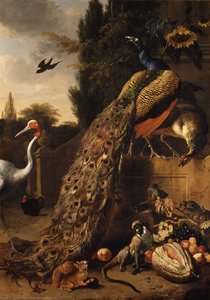
Melchior de Hondecoetter
1636 - 1695 , Países Bajos
Datos clave
- Artistic Movement Or Style: Baroque
- Artists Or Movements Influenced By This Artist: ['William Hendrik Wilhemus van Royen']
- Artists Who Influenced This Artist: ['None Known']
- Date Of Birth: c. 1636
- Full Name: Melchior de Hondecoetter
- Nationality: Dutch
- Notable Artworks:
- The Fight Between a Cock and a Turkey
- Ornamental Fowl in and beside a Pond in a Park, with a Peacock in Flight
- Place Of Birth: Utrecht, Netherlands
Artículos relacionados

Reflejos de una Época Dorada: La Pintura Barroca Holandesa y la Innovación Cultural
Descubra la riqueza y el detalle de la pintura barroca holandesa del Siglo de Oro. Explore las obras maestras de Rembrandt, Vermeer y otros artistas clave. Análisis experto e historia cultural.

Los 10 Maestros del Siglo de Oro Holandés: Arte, Historia y Decoración Exclusiva
Descubre los 10 imprescindibles del Siglo de Oro Holandés: Rembrandt, Vermeer y más. Explora la historia, técnica y belleza de estos lienzos clásicos. Encuentra reproducciones de arte exclusivas para decorar tu hogar en .

Los 10 Maestros del Barroco Holandés: Obras que Definen una Época | ArtsDot
Descubre los 10 imprescindibles del Barroco holandés: Rembrandt, Vermeer y más. Explora la historia, técnica y belleza de estas obras maestras. Reproducciones de arte en ArtsDot.com para decorar tu hogar con elegancia.

La Luz y la República: Innovación Artística en el Siglo de Oro Neerlandés
Descubra la innovación artística del Siglo de Oro Neerlandés. Explore las obras maestras de Rembrandt y Vermeer, técnicas revolucionarias y el legado perdurable de este florecimiento cultural. ¡Sumérjase en la luz y la belleza!

Illuminating Realism: Exploring the Dutch Golden Age of Painting (1600-1700)
Explore the Dutch Golden Age of painting (1600-1700) with ArtsDot. Discover Rembrandt, Vermeer & other masters. Learn about techniques, history & find museum-quality reproductions.

