

 Ver en contexto
 Enviar
 Compartir
 Detalles

 Descargar
 Similares
 Radiografía
 Presentación de diapositivas
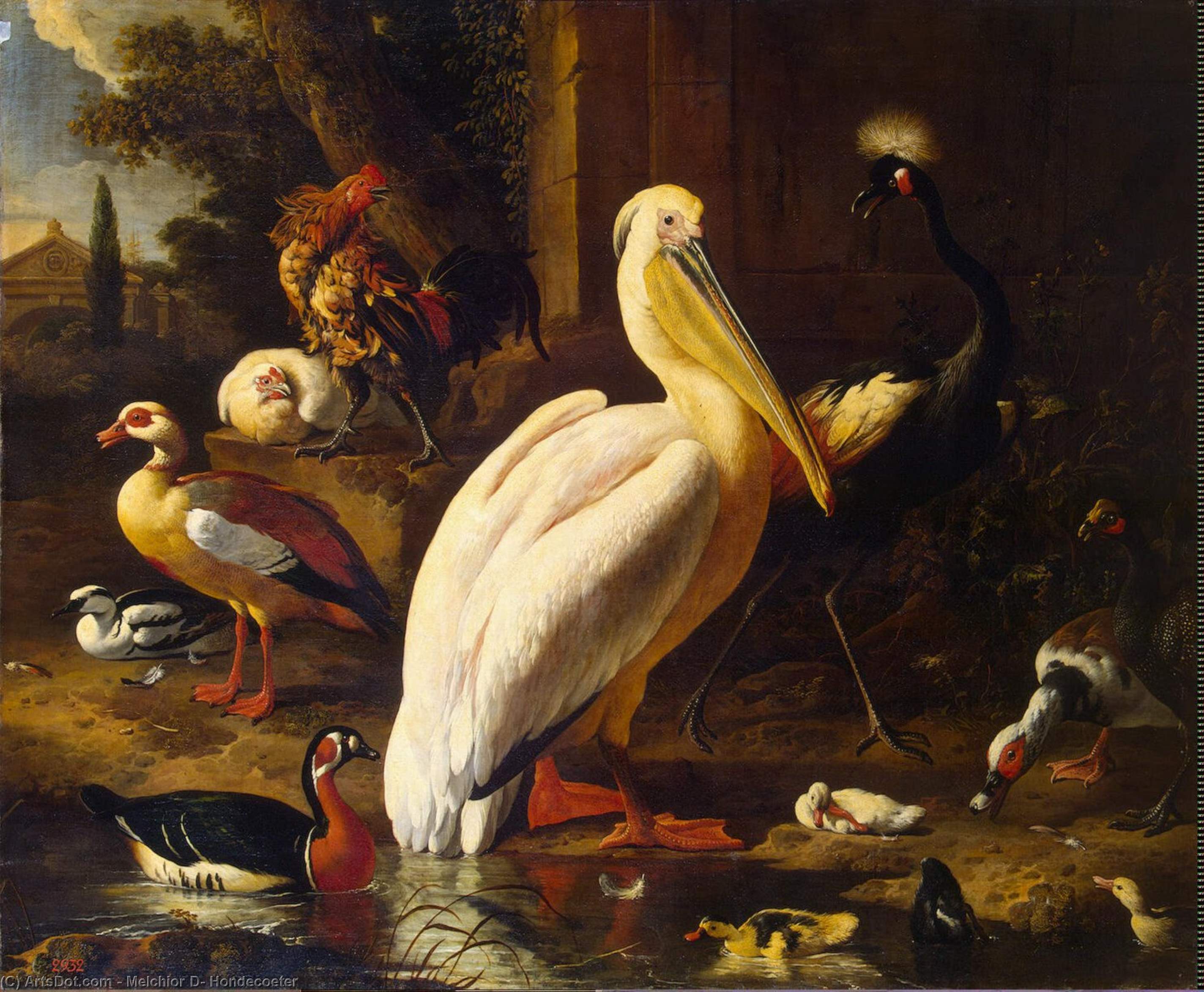
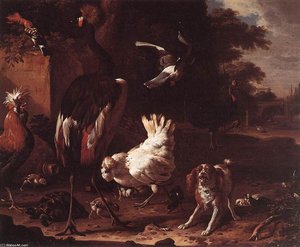
Birds in a Park
 Acrylic On Canvas
- WallArt
- Baroque
 1686
1686 135.0 x 155.0 cm
 Museo del Hermitage
 Ver más
Adquiera una imagen digital de alta resolución y optimizada, muy superior a la vista previa en línea.
Cada archivo es preparado meticulosamente por nuestros especialistas internos mediante el uso de herramientas avanzadas y un experto retoque manual. Nos aseguramos de que cada imagen posea una claridad excepcional, una precisión cromática impecable y un detalle minucioso.
El archivo final se entrega por correo electrónico en un plazo de 72 horas, optimizado para su uso inmediato en entornos profesionales, editoriales y de impresión. Esta es la misma calidad en la que confían los estudios de diseño, las editoriales y las galerías de primer nivel.
Imagen Digital
Descarga un archivo de alta resolución para exhibición personal, impresión y proyectos creativos. ( Comprar impresión Comprar pintura hecha a mano)
Incluido en cada pedido de imágenes digitales
Entrega digital experta, garantizada.
Al elegir ArtsDot.com, no solo está adquiriendo una imagen; está recibiendo una obra de arte digital mejorada profesionalmente, elaborada con precisión y respaldada por una garantía de satisfacción. Esto es todo lo que incluye su pedido, automáticamente:

Entrega rápida por email
Recibirá su archivo de imagen digital en alta resolución por correo electrónico en un plazo de 72 horas tras realizar su pedido, listo para su uso inmediato.

Archivo digital optimizado por IA
Su obra de arte se optimiza profesionalmente mediante herramientas avanzadas de IA y edición manual, garantizando el máximo detalle, claridad y precisión cromática.

Reenvío gratuito de por vida
¿Has borrado o perdido tu archivo por error? No te preocupes: te lo volveremos a enviar en cualquier momento, sin coste adicional.

Sin gastos de importación, siempre
Disfrute de su obra de arte al instante sin aduanas, aranceles ni gastos de envío; las descargas digitales siempre están libres de impuestos.

Garantía de fidelidad de color
Garantizamos que su imagen digital refleje los colores originales con la mayor fidelidad posible, mediante el uso de herramientas profesionales y gestión del color.

Garantía de satisfacción de 60 días
Si no está satisfecho con su imagen digital, la revisaremos o le reembolsaremos el 100% en un plazo de 60 días, sin preguntas.

100% Garantía de devolución de dinero
¿No está satisfecho? Obtenga un reembolso completo dentro de los 60 días posteriores a la recepción de su archivo digital, sin necesidad de explicaciones.

Descuentos por pedidos grandes
Compra 3 imágenes, ahorra 10% - Compra 5, ahorra 15% - Compra 10+, ahorra 20%. Ideal para proyectos creativos, galerías y agencias.
Descripción del coleccionable
A Baroque Symphony of Flight: Melchior de Hondecoetter’s “Birds in a Park”
Melchior de Hondecoetter's "Birds in a Park," painted in 1686, isn’t merely a depiction of avian life; it’s a meticulously crafted window into the opulent world of Dutch Golden Age art and a testament to the artist’s extraordinary skill. This captivating scene, now faithfully reproduced as a stunning canvas print by ArtsDot.com, transports the viewer to a serene park setting teeming with an astonishing array of birds – ducks gliding across a tranquil pond, geese paddling alongside, and a vibrant peacock displaying its magnificent plumage. The painting's enduring appeal lies not just in its technical brilliance but also in the palpable sense of tranquility and natural beauty it evokes.
Hondecoetter’s mastery is immediately evident in his painstaking attention to detail. Each bird is rendered with an almost photographic realism, capturing their individual postures, plumage textures, and subtle expressions. The artist's use of light and shadow creates a remarkable sense of depth and volume, drawing the eye into the heart of the composition. Notice how the dappled sunlight filters through the trees, illuminating the birds and casting intricate patterns on the ground – a testament to Hondecoetter’s deep understanding of atmospheric perspective. The inclusion of the dog adds an unexpected element of domesticity, grounding the scene in a familiar human context while simultaneously enhancing the sense of observation and intimacy.
A Masterclass in Baroque Technique
“Birds in a Park” exemplifies the hallmarks of the Baroque style – a dramatic use of light, rich colors, and dynamic composition. Hondecoetter employed a technique known as ‘grisaille,’ utilizing shades of gray to build up the forms and values before adding color. This approach allowed him to achieve an unparalleled level of realism and control over the painting’s overall mood. The layering of glazes – thin, transparent washes of paint applied in multiple layers – creates a luminous quality that seems to emanate from within the canvas. The brushwork is remarkably delicate, almost invisible in places, contributing to the painting's smooth and polished surface.
Furthermore, Hondecoetter’s choice of subject matter—the observation of birds in their natural habitat—was a relatively novel approach at the time. While animal paintings were certainly produced before, Hondecoetter elevated them to an art form, demonstrating a profound respect for the beauty and complexity of the natural world. This fascination with nature was a defining characteristic of the Dutch Golden Age, reflecting a growing interest in scientific observation and a desire to capture the wonders of the outside world.
Symbolism and Context within Dutch Society
Beyond its aesthetic qualities, “Birds in a Park” offers valuable insights into the cultural values of 17th-century Holland. Birds were frequently depicted in art as symbols of freedom, beauty, and prosperity – attributes highly prized by the wealthy merchant class who dominated Dutch society. The presence of exotic birds like the peacock suggests an appreciation for luxury and foreign cultures, reflecting the Netherlands’ role as a major trading hub. The park itself represents a carefully cultivated landscape—a miniature world designed to provide pleasure and respite from the demands of urban life.
Melchior de Hondecoetter's biography reveals a man deeply connected to Utrecht, his birthplace, and a significant figure in the artistic community of that era. His dedication to capturing the nuances of avian forms speaks volumes about his meticulous approach and profound understanding of animal anatomy. The painting’s creation coincided with a period of immense prosperity for the Dutch Republic, fostering an environment where art flourished and artists like Hondecoetter could dedicate themselves to their craft.
Bringing “Birds in a Park” into Your Space
ArtsDot.com offers exceptional reproductions of "Birds in a Park," allowing you to bring this Baroque masterpiece into your home or office. The high-quality canvas prints capture the painting’s original luminosity and detail, while the carefully selected framing options complement its elegant aesthetic. Whether you're an art collector, interior designer, or simply someone who appreciates beauty, this reproduction is a stunning addition to any space – a timeless reminder of the artistry and tranquility captured by Melchior de Hondecoetter over three centuries ago.
Useful Links:
Obras relacionadas

![Vida De Miguel De Cervantes Saavedra (life Of Miguel De Cervantes Saavedra). Libro V De La Edición De Don Quijote (biblioteca Nacional De España) [7] — Martín Fernández De Navarrete, Arte Académico](/media/artworks/images-thumb/8c/b6/8cb67a4dd450447373a546c8dd039e57.jpg)
Biografía del artista
Melchior de Hondecoetter: A Master of Baroque Bird Painting
Melchior de Hondecoetter (c. 1636 – 3 April 1695) stands as a pivotal figure in Dutch Golden Age art, celebrated primarily for his breathtaking depictions of birds—particularly exotic specimens—that embody the spirit and precision characteristic of the Baroque style. Born in Utrecht, Netherlands, he ascended to prominence as an animalier painter, meticulously capturing the dynamism and beauty of avian life with unparalleled skill. His legacy resides not only in the sheer artistry of his canvases but also in his contribution to establishing a distinct visual language that continues to inspire artists today.Early Life and Artistic Training
Information regarding Hondecoetter’s formative years remains somewhat sparse, reflecting the limitations of archival records during the seventeenth century. However, he apprenticed under Willem van Royen, a respected Utrecht painter known for his landscapes and genre scenes, providing him with a foundational understanding of artistic principles and techniques. This early training instilled in Hondecoetter a commitment to observation and realism—qualities that would define his oeuvre throughout his career. He was the grandson of Gilles d’Hondecoeter, whose artistic lineage stretched back centuries, fostering an environment rich in artistic tradition. His father, Gijsbrecht de Hondecoeter, similarly pursued painting, demonstrating a familial dedication to visual arts. Recognizing the importance of formal education, Melchior studied under Jan Baptist Weenix, a prominent Utrecht artist who championed dramatic lighting and expressive brushwork—influences that would profoundly shape Hondecoetter’s artistic vision.Style and Technique: Bold Strokes and Precise Observation
Hondecoetter’s distinctive style is immediately recognizable by its bold brushstrokes, vibrant colors, and masterful rendering of texture. Unlike many of his contemporaries who favored subtle tonal gradations, Hondecoetter embraced expressive marks that conveyed movement and energy—a hallmark of Baroque art. Crucially, he achieved this dynamism through painstaking anatomical study and meticulous attention to detail. He dissected birds with scientific accuracy, meticulously documenting their plumage, musculature, and skeletal structure before translating these observations onto canvas. This dedication to realism elevated Hondecoetter’s paintings beyond mere representation; they communicated a profound understanding of the natural world. His technique involved layering pigments with remarkable precision, creating textures that mimicked feathers and foliage—a testament to his mastery of artistic craftmanship.Notable Works and Commissions
Hondecoeter's artistic reputation soared during his lifetime thanks to numerous prestigious commissions—most notably adorning the royal palaces of Bensberg and Oranienstein. His masterpiece, “The Floating Feather,” exemplifies his stylistic prowess and technical virtuosity. This monumental canvas showcases a magnificent peacock in flight amidst lush foliage, rendered with breathtaking detail and luminous color. Beyond these grand commissions, Hondecoetter produced an impressive body of work encompassing landscapes populated by birds, portraits of avian subjects, and decorative panels for interiors—demonstrating his versatility as an artist. His paintings are housed in prominent collections worldwide, including the Wallace Collection in London and Belton House in England, cementing his place among the most revered painters of his era.Influences and Legacy
Hondecoetter’s artistic vision was shaped by influences ranging from Flemish Baroque masters like Peter Paul Rubens to Italian Mannerist artists such as Caravaggio. He absorbed techniques of dramatic lighting and expressive brushwork—elements that would become integral to his own distinctive style. Furthermore, Hondecoetter fostered a collaborative spirit among his pupils, including Willem Hendrik Wilhemus van Royen and Jan Weenix, ensuring the continuation of his artistic legacy. Today, Melchior de Hondecoetter’s paintings continue to captivate audiences with their beauty and scientific rigor—serving as enduring symbols of Dutch Baroque artistry and demonstrating the transformative power of observation and meticulous craftsmanship. He remains an inspiration for artists striving to capture the essence of nature with unparalleled skill and emotional intensity.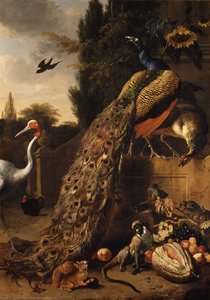
Melchior de Hondecoetter
1636 - 1695 , Países Bajos
Breves datos
- Artistic Movement Or Style: Baroque
- Artists Or Movements Influenced By This Artist: ['William Hendrik Wilhemus van Royen']
- Artists Who Influenced This Artist: ['None Known']
- Date Of Birth: c. 1636
- Full Name: Melchior de Hondecoetter
- Nationality: Dutch
- Notable Artworks:
- The Fight Between a Cock and a Turkey
- Ornamental Fowl in and beside a Pond in a Park, with a Peacock in Flight
- Place Of Birth: Utrecht, Netherlands

