

 Ver en contexto
 Enviar
 Compartir
 Detalles

 Descargar
 Similares
 Radiografía
 Presentación de diapositivas
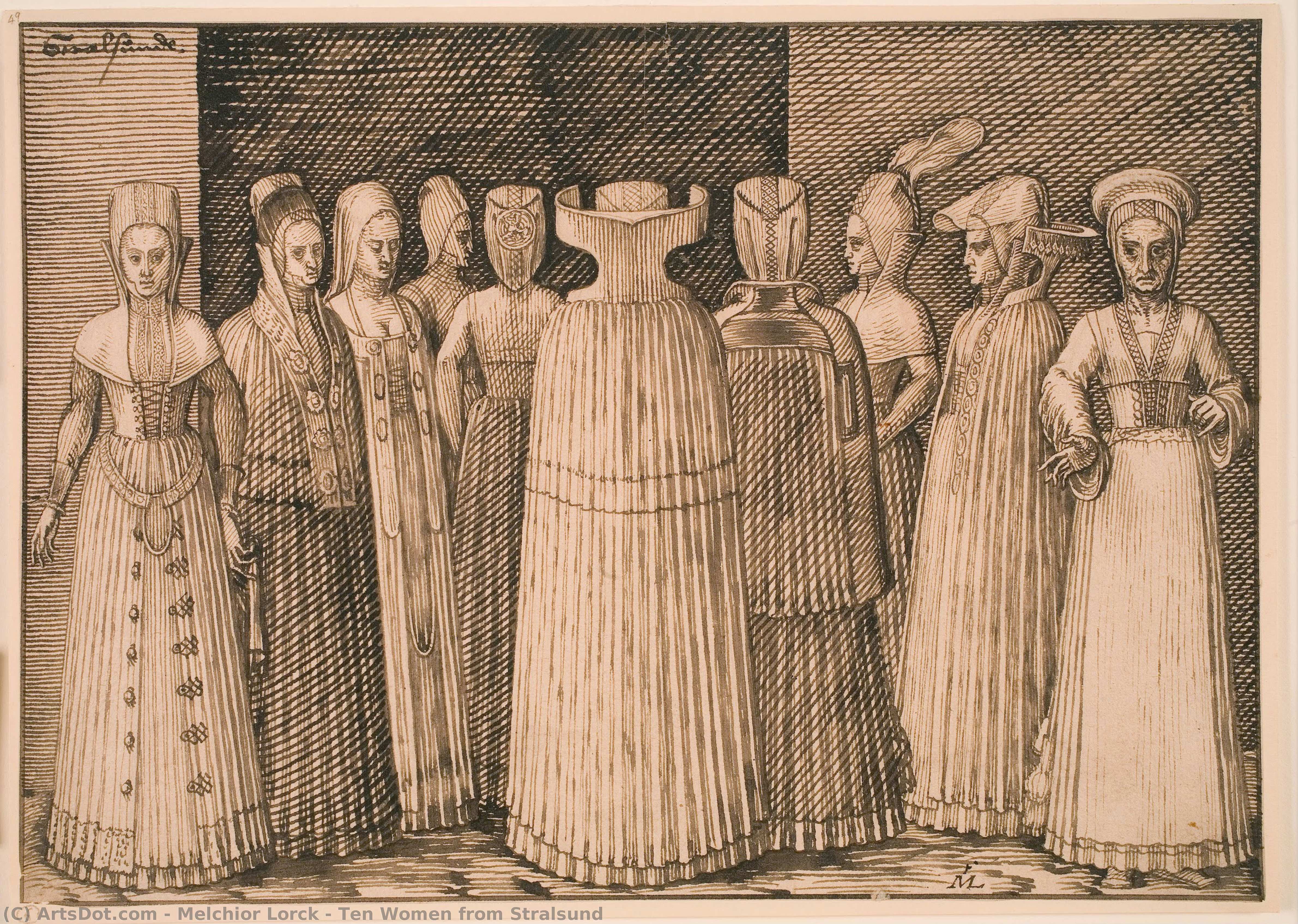
Ten Women from Stralsund
 Engraving
- Baroque
 1571
1571- Renaissance
 31.0 x 22.0 cm
 Galería Nacional de Dinamarca
 Ver más
Reproducción al óleo hecha a mano
Óleo sobre lienzo pintado a mano en el tamaño y marco de su elección, realizado por encargo por nuestros artistas. ( Comprar impresión Comprar imagen)




P118B $10

P118H $10

P118W $10

P438Z $10

P508JH $12

P508YH $12

P805H $10

P805Z $10

P919BZ $10

P919G $10

P919XJ $10

P959ZH $10

P968JZ $12

W106C $8

W218G $10

W218JH $8

W218Y $10

W307PJ $10

W316G $10

W316PJ $8

W316Y $10

W398PJ $8

W4111J $10

W500HY $15

W500JH $15

W692G $12

W849H $8

W940BG $15

W953PJ $8




Elija entre nuestros tamaños predefinidos que respetan las proporciones originales de la obra.

Puede ingresar sus propias dimensiones para adaptarse a un marco o espacio específico. Si el tamaño seleccionado no coincide con las proporciones de la imagen original, recortaremos la obra o extenderemos la pintura con elementos adicionales pintados a mano. Se le enviará una maqueta digital para su aprobación antes de comenzar la producción.
Tenga en cuenta que la vista previa en pantalla no refleja el recorte o la extensión reales. Solo la maqueta mostrará con precisión la composición final.
Si bien existen tamaños personalizados, recomendamos seleccionar una dimensión de la lista predefinida para preservar las proporciones originales.
Tras realizar el pedido, el equipo de ArtsDot.com enviará un correo electrónico al cliente para solicitar instrucciones y proporcionarle una vista previa del boceto.
Envío a todo el mundo () en 3-4 semanas en lugar de las 5 semanas estándar. (1 septiembre). Sin comprometer la calidad.

Envío exprés gratuito a todo el mundo

Lienzo de lino de alta calidad

Seguro de envío total

Garantía de reembolso de impuestos aduaneros

Garantía de fidelidad cromática exacta

Política de devolución de 60 días (solo por defectos)

Garantía de devolución del 100% del dinero

Descuento por cantidad
 La opción de vidrio solo está disponible en tamaños inferiores a 110 cm.

Ten Women from Stralsund
Técnica de reproducción
Dimensiones de la reproducción
-


Precio total final
$ 263
Ten Women from Stralsund: A Window into Sixteenth-Century Fashion and Artistic Innovation
Melchior Lorck’s “Ten Women from Stralsund,” executed in 1571, is more than just a meticulously rendered depiction of ten women; it's a captivating snapshot of fashion, a testament to the burgeoning artistic techniques of the Renaissance, and a poignant reflection of a pivotal moment in European history. Created during a period of intense cultural exchange – Lorck’s travels took him from the courts of Denmark and the Holy Roman Empire to the exotic world of Ottoman Turkey – this drawing offers a rare glimpse into the sartorial elegance and social customs of 16th-century Stralsund, a bustling port city on the Baltic Sea. The work's enduring appeal lies not only in its technical brilliance but also in its ability to transport us back to a time when art served as both documentation and inspiration.
- Subject Matter: The central focus is undeniably the women themselves, presented with remarkable attention to detail. Their attire, representative of the period’s fashion trends, showcases luxurious fabrics, intricate embroidery, and elaborate headwear – a visual feast for the discerning eye.
- Composition & Rhythm: Lorck masterfully employs compositional techniques, arranging the figures in two rows to create a dynamic rhythm that draws the viewer's attention across the entire sheet. Each woman’s unique pose contributes to this sense of movement and vitality.
- Technical Mastery: Executed with precise pen and brown ink, the drawing demonstrates Lorck’s exceptional draughtsmanship. The level of detail – from the folds of the fabric to the delicate features of the women – is astonishing for its time.
The drawing's significance extends beyond its aesthetic qualities. It was conceived as a study for woodcuts, suggesting a practical purpose alongside its artistic merit. This reveals Lorck’s role as a keen observer and recorder of his surroundings, documenting the evolving styles of clothing with an artist’s eye. The fact that it was later exhibited and acquired by the English Evelyn Collection underscores its importance within the art historical canon.
The Artist: Melchior Lorck – A Renaissance Polymath
Melchior Lorck (1527-1564), a Danish-German artist, stands as a fascinating figure at the intersection of Renaissance artistic trends and encounters with the Ottoman Empire. Born in Flensburg, Germany, his early life was shaped by the Reformation movement, providing him with a unique perspective on religious and social change. His royal stipend from King Christian III afforded him an unparalleled opportunity to travel extensively throughout Europe, immersing himself in diverse artistic traditions.
- Early Influences: Lorck’s training likely began with apprenticeship as a goldsmith in Lübeck, equipping him with technical skills and an appreciation for intricate detail.
- Dürer & Cranach: He was profoundly influenced by the works of Albrecht Dürer and Lucas Cranach, evident in his early engravings which demonstrate a deep understanding of perspective, shading, and figure drawing.
- The Ottoman Connection: His most remarkable contribution came from his time spent with the Imperial embassy to Sultan Suleiman the Magnificent, where he meticulously documented the sights, sounds, and customs of Constantinople – a city brimming with exotic beauty and cultural richness. This experience profoundly shaped his artistic vision and led to some of his most celebrated works.
Style & Technique: A Legacy of Renaissance Precision
“Ten Women from Stralsund” exemplifies the meticulous style characteristic of Renaissance artists, particularly those working in Germany during this period. Lorck’s use of pen and ink demonstrates a mastery of line drawing – a technique valued for its clarity, precision, and ability to capture subtle nuances of form and texture. The drawing's monochrome palette enhances the dramatic effect, emphasizing the contours of the figures and their clothing. The influence of Dürer is particularly evident in the careful rendering of drapery folds and the use of linear perspective to create a sense of depth.
Furthermore, the drawing’s creation reflects the broader trend of artists utilizing drawings as preliminary studies for larger-scale works, such as woodcuts and copperplate engravings. This practice allowed artists to refine their compositions, experiment with different techniques, and ultimately produce more polished and impactful artworks. The work's legacy extends through its translation into woodcuts and copperplates, ensuring Lorck’s artistic vision reached a wider audience.
Collecting & Displaying: A Timeless Masterpiece
This hand-painted reproduction of “Ten Women from Stralsund” offers an exceptional opportunity to own a piece of art history. Measuring 31 x 22 cm, this artwork is perfectly suited for display in a variety of settings – from private residences to corporate offices. Its timeless appeal and historical significance make it a valuable addition to any collection. The meticulous detail and masterful technique employed by Melchior Lorck ensure that this drawing will continue to captivate viewers for generations to come.
Obras relacionadas

Biografía del artista
Melchior Lorck: Una Vida entre el Arte del Renacimiento y los Encuentros Otomanos
- Nacido: Flensburg, Alemania (1526/27)
- Fallecido: Copenhague, Dinamarca (1583)
- Nacionalidad: Dano-Alemán
- Conocido Por: Pintor, dibujante y grabador del Renacimiento; registro visual detallado de la vida turca en el siglo XVI.
Primeros Años y Formación
- Nacido en Flensburg, Schleswig (actualmente Alemania), Lorck provenía de una familia con vínculos con el movimiento de la Reforma.
- Alrededor de 1549, recibió una beca de viaje de cuatro años del rey Cristián III de Dinamarca, lo que le permitió estudiar arte en toda Europa.
- Su formación inicial probablemente incluyó un aprendizaje como orfebre en Lübeck.
- Durante sus viajes, Lorck demostró habilidades artísticas tempranas, produciendo grabados influenciados por artistas como Heinrich Aldegrever y rindiendo homenaje a Albrecht Dürer.
La Experiencia Otomana: Un Registro Visual Único
- En 1555, Lorck se unió a la embajada imperial liderada por Ogier Gheselin Busbecq a la corte del sultán Suleiman el Magnífico en Constantinopla (Estambul).
- Esta experiencia fundamental moldeó su carrera y legado. Pasó aproximadamente un año y medio dentro de la capital otomana.
- Lorck documentó meticulosamente la vida turca, las costumbres, la arquitectura, las prácticas militares y los retratos de figuras clave como el sultán Suleiman e Isma'il, el enviado persa.
- Sus dibujos y grabados proporcionan un registro visual sin precedentes de la sociedad otomana del siglo XVI, una fuente única para historiadores y estudiosos del arte.
- Obras notables de este período incluyen el monumental "Prospect of Constantinople", una vista panorámica detallada de la ciudad, y la serie de grabados conocidos como “The Turkish Publication.”.
Estilo Artístico e Influencias
- El estilo de Lorck refleja la influencia del Renacimiento nórdico, particularmente los maestros alemanes como Dürer.
- Su obra demuestra una aguda habilidad observacional y atención al detalle, evidente en sus representaciones precisas de arquitectura, vestuario y retratos.
- Empleó hábilmente técnicas de grabado, creando grabados intrincados y expresivos.
- Los dibujos topográficos de Lorck, como el "Prospect of Constantinople", anticiparon desarrollos posteriores en el arte del paisaje y la cartografía.
Carrera Posterior y Legado
- Después de regresar a Europa en 1559, Lorck trabajó en Viena, produciendo grabados de monumentos antiguos y retratos.
- Sirvió brevemente como cartógrafo para el consejo municipal de Hamburgo, creando un mapa a gran escala del río Elba.
- La "Turkish Publication" de Lorck, aunque no se publicó durante su vida, finalmente se lanzó en 1626, mostrando su extensa documentación de la vida otomana.
- Se le considera el primer artista danés con una biografía sustancial y un cuerpo de trabajo atribuible a él.
- Su detallado registro visual de Turquía sigue siendo invaluable para comprender la cultura otomana del siglo XVI y representa una contribución significativa al arte y la cartografía del Renacimiento. Es reconocido como precursor de los artistas viajeros y reporteros visuales posteriores.
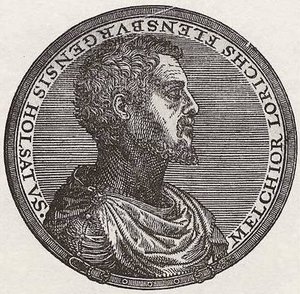
Melchior Lorck
1527 - 1564 , Alemania
Datos clave
- Artistas Que Influyeron:
- Heinrich Aldegrever
- Albrecht Dürer
- Fecha De Fallecimiento: 1583
- Fecha De Nacimiento: 1526/27
- Influenciado A Artistas:
- Wenzel Hollar
- Cornelis de Bruijn
- Lugar De Nacimiento: Flensburg, Alemania
- Movimiento Artístico: Renacimiento
- Nacionalidad: Dano-alemán
- Nombre Completo: Melchior Lorck
- Obras Notables:
- Prospecto de Constantinopla
- La publicación turca
Artículos relacionados
The Nuances of Graphite: Exploring Emotional Depth & Technical Mastery in Pencil Drawing
Explore the captivating world of graphite drawing! Discover its rich history, master essential techniques like chiaroscuro, and learn how artists evoke emotion through this timeless medium. Expert insights for art enthusiasts.
The Enduring Muse: Women as Subject & Symbol in Art History
Explore the rich history of women in art – from iconic muses to groundbreaking artists. Discover feminist movements, global perspectives & reclaim female narratives with ArtsDot.
The Enduring Muse: Women as Subject & Symbol in Art History
Explore the rich history of women in art – from archetypal representations to contemporary voices challenging norms. Discover iconic artists & movements, and learn about reclaiming female narratives through painting and beyond.
Portrayals of Power & Perception: A Historical Survey of Women in Art
Explore the rich history of women in art – from iconic muses to groundbreaking artists. Discover feminist movements & reclaim female narratives with ArtsDot. Expert insights for discerning collectors.
The Enduring Power of Line: Exploring Themes & Techniques in Drawing Across Art History
Explore the rich history of drawing! Discover key techniques like linear perspective & iconic artists from the Renaissance to modern times. Enhance your art appreciation with ArtsDot.

