

 Ver en contexto
 Enviar
 Compartir
 Detalles

 Descargar
 Similares
 Radiografía
 Presentación de diapositivas
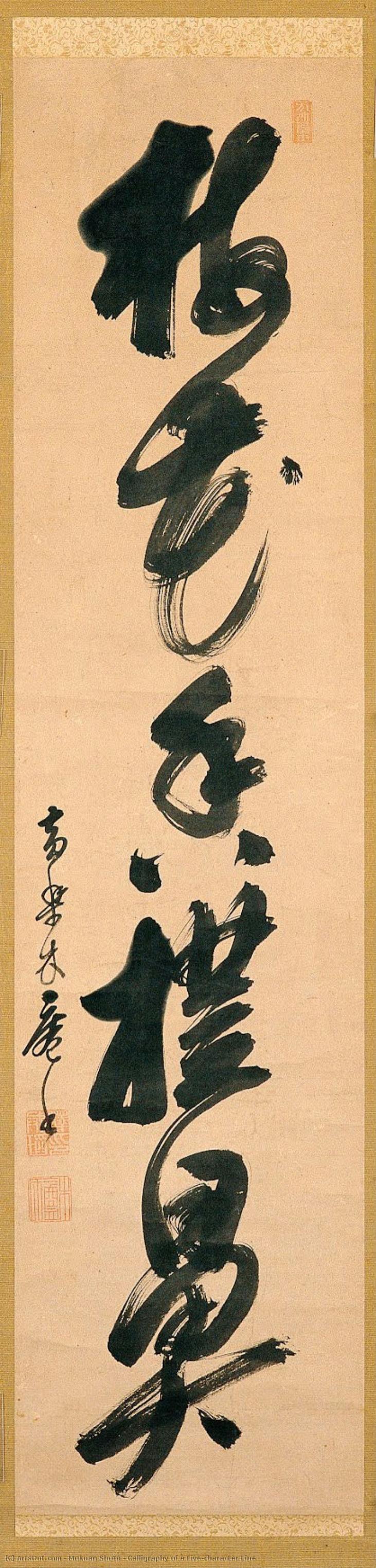
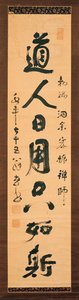
Calligraphy of a Five-character Line

 Ver más
Adquiera una imagen digital de alta resolución y optimizada, muy superior a la vista previa en línea.
Cada archivo es preparado meticulosamente por nuestros especialistas internos mediante el uso de herramientas avanzadas y un experto retoque manual. Nos aseguramos de que cada imagen posea una claridad excepcional, una precisión cromática impecable y un detalle minucioso.
El archivo final se entrega por correo electrónico en un plazo de 72 horas, optimizado para su uso inmediato en entornos profesionales, editoriales y de impresión. Esta es la misma calidad en la que confían los estudios de diseño, las editoriales y las galerías de primer nivel.
Imagen Digital
Descarga un archivo de alta resolución para exhibición personal, impresión y proyectos creativos. ( Comprar impresión Comprar pintura hecha a mano)
Incluido en cada pedido de imágenes digitales
Entrega digital experta, garantizada.
Al elegir ArtsDot.com, no solo está adquiriendo una imagen; está recibiendo una obra de arte digital mejorada profesionalmente, elaborada con precisión y respaldada por una garantía de satisfacción. Esto es todo lo que incluye su pedido, automáticamente:

Entrega rápida por email
Recibirá su archivo de imagen digital en alta resolución por correo electrónico en un plazo de 72 horas tras realizar su pedido, listo para su uso inmediato.

Archivo digital optimizado por IA
Su obra de arte se optimiza profesionalmente mediante herramientas avanzadas de IA y edición manual, garantizando el máximo detalle, claridad y precisión cromática.

Reenvío gratuito de por vida
¿Has borrado o perdido tu archivo por error? No te preocupes: te lo volveremos a enviar en cualquier momento, sin coste adicional.

Sin gastos de importación, siempre
Disfrute de su obra de arte al instante sin aduanas, aranceles ni gastos de envío; las descargas digitales siempre están libres de impuestos.

Garantía de fidelidad de color
Garantizamos que su imagen digital refleje los colores originales con la mayor fidelidad posible, mediante el uso de herramientas profesionales y gestión del color.

Garantía de satisfacción de 60 días
Si no está satisfecho con su imagen digital, la revisaremos o le reembolsaremos el 100% en un plazo de 60 días, sin preguntas.

100% Garantía de devolución de dinero
¿No está satisfecho? Obtenga un reembolso completo dentro de los 60 días posteriores a la recepción de su archivo digital, sin necesidad de explicaciones.

Descuentos por pedidos grandes
Compra 3 imágenes, ahorra 10% - Compra 5, ahorra 15% - Compra 10+, ahorra 20%. Ideal para proyectos creativos, galerías y agencias.
Obras relacionadas




Biografía del artista
Mokuan Shōtō: A Legacy Etched in Ink and Zen
Mokuan Shōtō (木庵性瑫), born Fuzhou, China in 1611, stands as a pivotal figure in the history of Japanese Buddhism and calligraphy. His life’s journey culminated in establishing Ōbaku Zen – a distinct lineage that profoundly shaped Japanese spiritual thought and artistic expression during the Edo Period. This biography delves into his formative years, monastic training, pioneering role in Japan, and enduring influence on subsequent generations of artists and scholars.Early Life and Monastic Training
Muan Xingtao’s origins lie in Quanzhou, Fujian Province – a region steeped in Ming Dynasty Chan tradition. Recognizing his innate aptitude for Buddhist scholarship and contemplative practice, he entered the monastic order at the young age of nineteen under Yongjue Yuanxian (1578–1657) at Mt. Huangbo. This initial training instilled within him the foundational principles of Zen Buddhism – mindfulness, emptiness, and striving for enlightenment—values that would permeate his entire life’s work. Notably, he traveled to Mount Huangbo before returning to Yongjue Yuanxian's guidance where he continued his studies under Feiyin Tongrong and Yinyuan Longqi at Wanfusi Monastery. These mentors imparted invaluable wisdom regarding Chan meditation techniques and the importance of cultivating inner stillness. He diligently practiced Koan contemplation, seeking insight into the paradoxical nature of reality—a cornerstone of Ōbaku Zen’s philosophical framework.Journey to Japan and Founding Ōbaku Zen
In 1654, Muan Xingtao embarked on a transformative voyage to Japan alongside his master Yinyuan Longqi, marking the genesis of Ōbaku Zen’s presence in Japan. Upon arrival in Nagasaki, he served at Fukusaiji Temple before relocating to Mt. Obaku in Uji where he collaborated with Longqi to construct Mampuku-ji – a temple that would become the epicenter of Ōbaku Zen’s spiritual and intellectual revival. Recognizing Longqi's passing in 1673, Muan ascended to the abbatial role at Mampuku-ji in 1664, solidifying Ōbaku Zen’s leadership position within Japan. He championed monastic discipline rigorously, ensuring adherence to strict vows and fostering a contemplative atmosphere conducive to spiritual growth. Furthermore, he skillfully navigated political complexities during Tokugawa rule, securing patronage from the shogun and bolstering Ōbaku Zen's prestige as one of Japan’s most respected Buddhist schools.Artistic Achievements and Legacy
Muan Xingtao’s artistic prowess extended beyond his monastic duties, leaving an indelible mark on Japanese art history. He excelled particularly in semi-cursive calligraphy (流書), a style favored by Chan monks for its ability to convey profound spiritual insights through elegant brushstrokes. Two monumental characters representing “large circle” – symbolizing the heavens and ultimate truth—became emblematic of Ōbaku Zen’s philosophical core. These works, housed in museums across Japan and internationally, exemplify the fusion of artistic mastery and Buddhist contemplation. His influence resonated throughout Edo society, shaping aesthetic sensibilities and promoting intellectual discourse centered on Zen principles. Scholars recognize his contribution to establishing Ōbaku Zen as a distinct lineage—one that prioritized meditative practice alongside scholarly pursuits—a testament to his holistic approach to spiritual life.Historical Significance
Muan Xingtao's legacy extends far beyond the confines of his temple and artistic creations; he fundamentally reshaped the landscape of Zen practice in Japan. By establishing Mampuku-ji and fostering a lineage of disciples—including Chōon and Egoku—he ensured Ōbaku Zen’s continued vitality for decades after his death in 1684. His unwavering devotion earned him the honorific title “Obaku no Sanpitsu” – one of the Three Brushes of Ōbaku – acknowledging his exceptional skill in calligraphy and its symbolic representation of Zen ideals. He secured the patronage from Tokugawa Ietsuna, solidifying Ōbaku Zen's position as a dominant force within Japanese Buddhism—a remarkable achievement considering the turbulent political climate of the time. Today, Muan Xingtao is revered as a visionary monk and artist whose life embodies the transformative potential of blending spiritual contemplation with artistic expression—a beacon of inspiration for generations to come.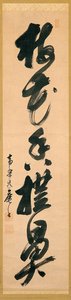
Mokuan Shōtō
1611 - 1684 , China
Breves datos
- Artistic Movement Or Style: Ōbaku Zen calligraphy
- Artists Or Movements Influenced By This Artist: ['Linji School']
- Artists Who Influenced This Artist: ['Yinyuan Longqi']
- Date Of Birth: 1611
- Date Of Death: 1684
- Full Name: Mokuan Shōtō
- Nationality: China
- Notable Artworks: ['Two Large Characters by Muan (Muang) Xingtao']
- Place Of Birth: Fuzhou, China

