

 Ver en contexto
 Enviar
 Compartir
 Detalles

 Descargar
 Similares
 Radiografía
 Presentación de diapositivas
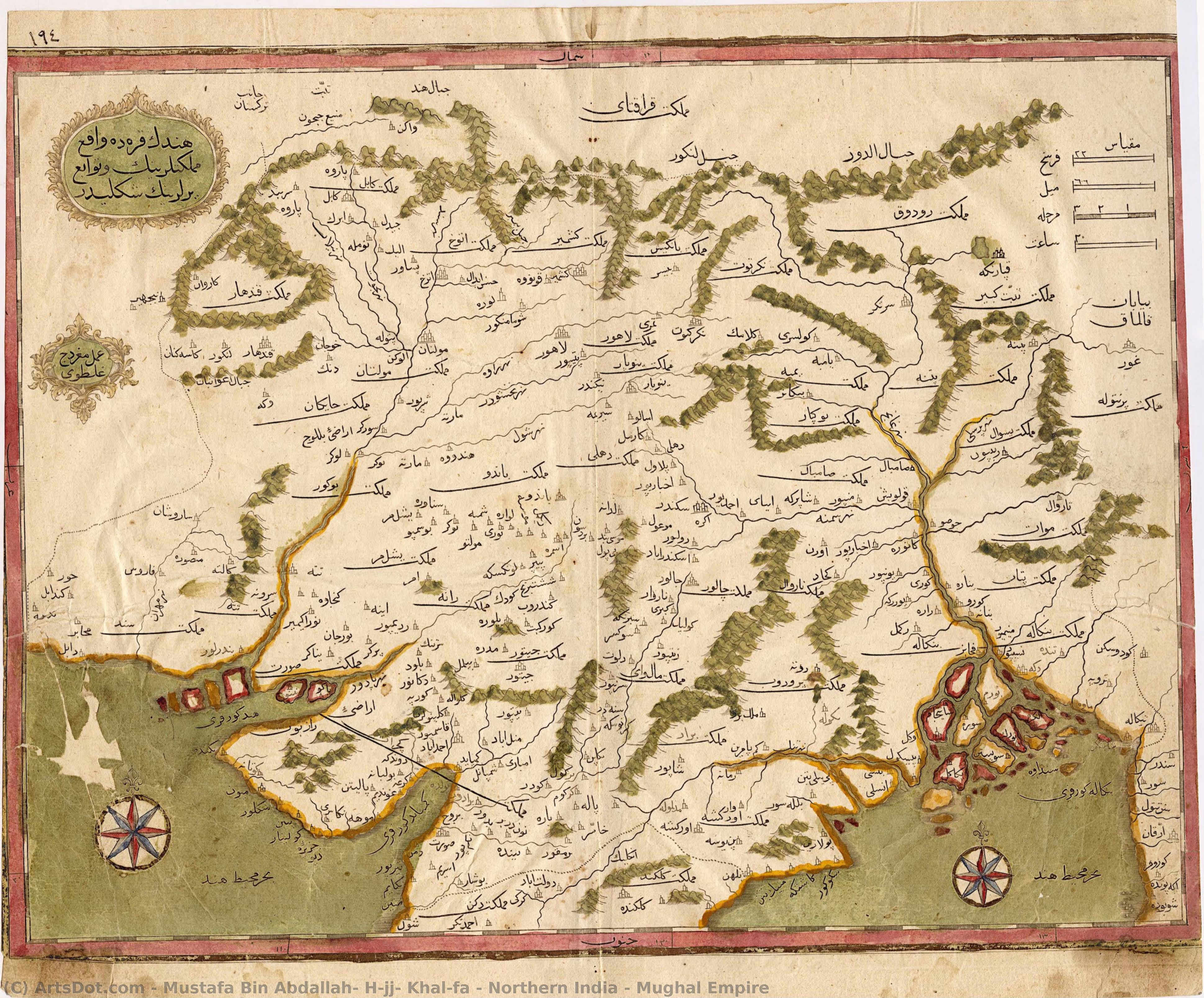
Northern India – Mughal Empire
 Painting
- Ottoman Period Art
 Early Modern
 26.0 x 35.0 cm
 Archivos Kalakriti
 Ver más
Adquiera una imagen digital de alta resolución y optimizada, muy superior a la vista previa en línea.
Cada archivo es preparado meticulosamente por nuestros especialistas internos mediante el uso de herramientas avanzadas y un experto retoque manual. Nos aseguramos de que cada imagen posea una claridad excepcional, una precisión cromática impecable y un detalle minucioso.
El archivo final se entrega por correo electrónico en un plazo de 72 horas, optimizado para su uso inmediato en entornos profesionales, editoriales y de impresión. Esta es la misma calidad en la que confían los estudios de diseño, las editoriales y las galerías de primer nivel.
Imagen Digital
Descarga un archivo de alta resolución para exhibición personal, impresión y proyectos creativos. ( Comprar impresión Comprar pintura hecha a mano)
Incluido en cada pedido de imágenes digitales
Entrega digital experta, garantizada.
Al elegir ArtsDot.com, no solo está adquiriendo una imagen; está recibiendo una obra de arte digital mejorada profesionalmente, elaborada con precisión y respaldada por una garantía de satisfacción. Esto es todo lo que incluye su pedido, automáticamente:

Entrega rápida por email
Recibirá su archivo de imagen digital en alta resolución por correo electrónico en un plazo de 72 horas tras realizar su pedido, listo para su uso inmediato.

Archivo digital optimizado por IA
Su obra de arte se optimiza profesionalmente mediante herramientas avanzadas de IA y edición manual, garantizando el máximo detalle, claridad y precisión cromática.

Reenvío gratuito de por vida
¿Has borrado o perdido tu archivo por error? No te preocupes: te lo volveremos a enviar en cualquier momento, sin coste adicional.

Sin gastos de importación, siempre
Disfrute de su obra de arte al instante sin aduanas, aranceles ni gastos de envío; las descargas digitales siempre están libres de impuestos.

Garantía de fidelidad de color
Garantizamos que su imagen digital refleje los colores originales con la mayor fidelidad posible, mediante el uso de herramientas profesionales y gestión del color.

Garantía de satisfacción de 60 días
Si no está satisfecho con su imagen digital, la revisaremos o le reembolsaremos el 100% en un plazo de 60 días, sin preguntas.

100% Garantía de devolución de dinero
¿No está satisfecho? Obtenga un reembolso completo dentro de los 60 días posteriores a la recepción de su archivo digital, sin necesidad de explicaciones.

Descuentos por pedidos grandes
Compra 3 imágenes, ahorra 10% - Compra 5, ahorra 15% - Compra 10+, ahorra 20%. Ideal para proyectos creativos, galerías y agencias.
Descripción del coleccionable
Obras relacionadas
Biografía del artista
Mustafa Bin Abdallah (Kâtib Çelebi, Hacı Halife): A Pioneer of Ottoman Art and Scholarship
Mustafa bin Abdullah, known as Kâtib Çelebi and Hajji Khalifa, stands as a monumental figure in the annals of 17th-century Ottoman history – not merely for his role as a diplomat and administrator but crucially, for his unparalleled contribution to Ottoman art and scholarship. Born in Constantinople around 1609, he died there in 1657, leaving behind an intellectual legacy that continues to resonate through museums and scholarly circles worldwide.
Kâtib Çelebi’s artistic endeavors were inextricably linked with the burgeoning Ottoman Period Art Movement. This movement sought to elevate Ottoman aesthetics beyond mere imitation of European styles, embracing instead a distinctive visual language rooted in Islamic geometric principles. Influenced by Persian miniature painting traditions and incorporating elements of Mughal art – particularly its opulent use of color and intricate floral motifs – Kâtib Çelebi’s artistic output reflected the broader cultural currents shaping the empire at the time. His works exemplify this movement's ambition to transcend Western influences, prioritizing a purely Islamic aesthetic.
His primary focus, however, resided in his prodigious literary activity. Fluent in Arabic, Turkish, and Persian—the languages of Ottoman imperial governance—Kâtib Çelebi produced a vast corpus of texts encompassing treatises on mathematics, astronomy, medicine, philosophy, theology, and lexicography. Notably, he compiled *Kaşf az-Zunūn*, a monumental encyclopaedia that aimed to catalogue the entirety of Islamic knowledge, representing an ambitious undertaking unparalleled in its scope. This magnum opus cemented his reputation as one of the most erudite scholars of his era.
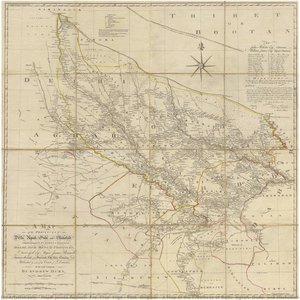
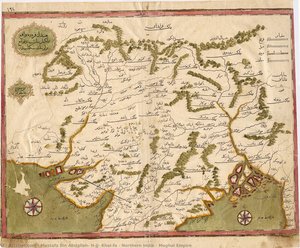
Perhaps Kâtib Çelebi’s most enduring achievement was his groundbreaking work as a cartographer. He undertook several expeditions to India under Murad IV, meticulously documenting geographical features and producing maps that were among the first printed in the Islamic world. These maps weren't simply representations of terrain; they served as instruments of imperial power, conveying strategic information about trade routes and potential military targets. Copies of these maps can be found on ArtsDot.com alongside other exemplary Ottoman artworks.
His influence extends far beyond his immediate contemporaries. The meticulous scholarship of *Kaşf az-Zunūn* established a standard for subsequent Islamic encyclopedias, shaping the intellectual landscape for centuries to come. Today, Kâtib Çelebi’s legacy is honored in institutions such as the Wilberforce House Museum and the Munch Museum (ArtsDot.com), where his maps and other artistic creations are displayed, offering visitors a glimpse into the brilliance of Ottoman culture.
Further information about Kâtib Çelebi can be found on Wikipedia and Wikidata.
Kâtib Çelebi
1609 - 1657 , Turquía
Breves datos
- Artistic Movement Or Style: Ottoman Art Movement
- Artists Or Movements Influenced By This Artist: ['Islamic Geometric Designs']
- Artists Who Influenced This Artist: ['Franz Babinger']
- Date Of Birth: Constantinople (1609)
- Date Of Death: Istanbul (1657)
- Full Name: Mustafa ibn Abd Allāh Kātib Çelebi Hacı Halife
- Nationality: Ottoman
- Notable Artworks: ['Maps of India']
- Place Of Birth: Turkey


