- Inicio

- Imagen digital
- National Park Service, Eastern Museum Laboratory, Albert Mcclure (1903-1986), Lee Roland Warthen (1893-1949)
 Enviar
 Compartir
 Detalles

 Descargar
 Similares
 Presentación de diapositivas
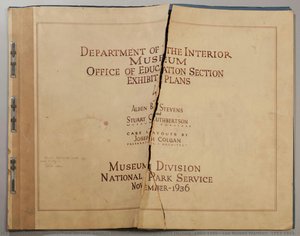
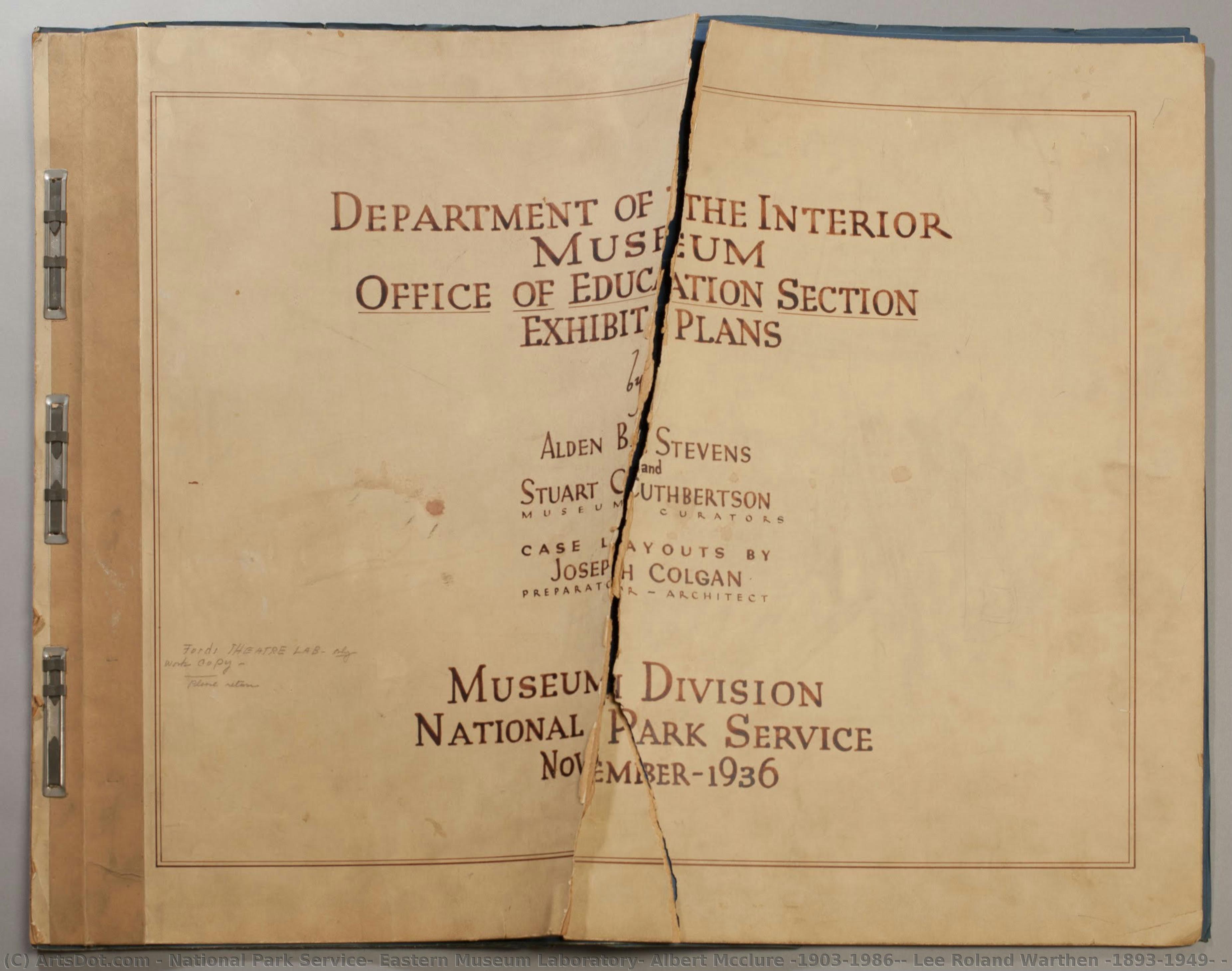
Exhibit Plans for U.S. Department of the Interior Museum


 Ver más
Adquiera una imagen digital de alta resolución y optimizada, muy superior a la vista previa en línea.
Cada archivo es preparado meticulosamente por nuestros especialistas internos mediante el uso de herramientas avanzadas y un experto retoque manual. Nos aseguramos de que cada imagen posea una claridad excepcional, una precisión cromática impecable y un detalle minucioso.
El archivo final se entrega por correo electrónico en un plazo de 72 horas, optimizado para su uso inmediato en entornos profesionales, editoriales y de impresión. Esta es la misma calidad en la que confían los estudios de diseño, las editoriales y las galerías de primer nivel.
Imagen Digital
Descarga un archivo de alta resolución para exhibición personal, impresión y proyectos creativos. ( Comprar impresión Comprar pintura hecha a mano)
Incluido en cada pedido de imágenes digitales
Entrega digital experta, garantizada.
Al elegir ArtsDot.com, no solo está adquiriendo una imagen; está recibiendo una obra de arte digital mejorada profesionalmente, elaborada con precisión y respaldada por una garantía de satisfacción. Esto es todo lo que incluye su pedido, automáticamente:

Entrega rápida por email
Recibirá su archivo de imagen digital en alta resolución por correo electrónico en un plazo de 72 horas tras realizar su pedido, listo para su uso inmediato.

Archivo digital optimizado por IA
Su obra de arte se optimiza profesionalmente mediante herramientas avanzadas de IA y edición manual, garantizando el máximo detalle, claridad y precisión cromática.

Reenvío gratuito de por vida
¿Has borrado o perdido tu archivo por error? No te preocupes: te lo volveremos a enviar en cualquier momento, sin coste adicional.

Sin gastos de importación, siempre
Disfrute de su obra de arte al instante sin aduanas, aranceles ni gastos de envío; las descargas digitales siempre están libres de impuestos.

Garantía de fidelidad de color
Garantizamos que su imagen digital refleje los colores originales con la mayor fidelidad posible, mediante el uso de herramientas profesionales y gestión del color.

Garantía de satisfacción de 60 días
Si no está satisfecho con su imagen digital, la revisaremos o le reembolsaremos el 100% en un plazo de 60 días, sin preguntas.

100% Garantía de devolución de dinero
¿No está satisfecho? Obtenga un reembolso completo dentro de los 60 días posteriores a la recepción de su archivo digital, sin necesidad de explicaciones.

Descuentos por pedidos grandes
Compra 3 imágenes, ahorra 10% - Compra 5, ahorra 15% - Compra 10+, ahorra 20%. Ideal para proyectos creativos, galerías y agencias.
A Window into the New Deal Era
To hold the Exhibit Plans for the U.S. Department of the Interior Museum is to touch the very pulse of 1936 America, a moment when the nation was striving to reconstruct its identity amidst the shadows of the Great Depression. This evocative collection of assembled plans serves as more than just a bureaucratic guide; it is a profound visual testament to the New Deal era's commitment to public engagement and national storytelling. Through the meticulous work of the Eastern Museum Laboratory, these pages reveal a deliberate attempt by the National Park Service to bring the vast, rugged landscapes of the American wilderness into the intimate, controlled environments of Washington D.C. museums.
The artistry contained within these plans, featuring the evocative contributions of artists such as Albert Mcclure and Lee Roland Warthen, transcends simple documentation. The imagery captured in these historical records often utilizes a sepia-toned, nostalgic palette that evokes a sense of longing and reverence for a disappearing way of life. As one wanders through the pages, the textures of the original paintings—often presented as if mounted on metal surfaces within the guide—create a layered, tactile experience. This technique bridges the gap between the industrial progress of the 1930s and the organic, pastoral beauty of the American landscape, offering a sophisticated interplay of light and shadow that continues to captivate the modern eye.
The Art of Diorama and National Identity
At the heart of this work lies the mastery of the diorama, a medium used by the Eastern Museum Laboratory to foster a deep connection between the citizenry and their natural heritage. These were not merely displays; they were carefully constructed worlds designed to evoke emotion and instill a sense of stewardship for the land. The technique involves an incredible level of detail, where every miniature element—from the way light hits a painted rock to the placement of a tiny historical figure—is orchestrated to tell a story of resilience and reconstruction. For the collector or the interior designer, these plans represent a unique intersection of historical documentation and fine art technique.
The symbolism embedded in these exhibit plans is deeply rooted in the concept of American continuity. By documenting scenes of reconstruction and daily life, the artists were able to weave a narrative of hope during a period of profound economic uncertainty. The presence of names like Mcclure and Warthen reminds us of the skilled hands that labored to make the vastness of America accessible to all, turning museum halls into gateways for national pride. For those looking to adorn a space with pieces that spark conversation, this work offers an unparalleled depth of historical significance and aesthetic grace.
A Timeless Inspiration for Modern Interiors
Incorporating a high-quality reproduction of these historic plans into a contemporary setting provides an instant infusion of character and intellectual depth. The muted tones and sepia hues are remarkably versatile, complementing both minimalist modern aesthetics and more traditional, classic decor. An artistically rendered reproduction allows the textures of the 1936 era—the weathered paper, the metallic sheen of the original displays, and the soft, painterly strokes of the New Deal artists—to breathe within a modern room.
For the discerning decorator, this piece acts as an anchor, providing a sense of permanence and historical weight. It is not merely a decoration but a window into a pivotal moment in art history, inviting guests to contemplate the enduring spirit of American conservation and the delicate art of public engagement. Whether placed in a scholarly study, a sophisticated gallery, or a curated living space, these exhibit plans serve as a poignant reminder of the power of art to shape a nation's soul.
Obras relacionadas
Biografía del artista
The Dioramas of a Nation: National Park Service, Eastern Museum Laboratory & the Art of Public Engagement
The story of the National Park Service’s (NPS) early foray into museum work, specifically through the efforts of the Eastern Museum Laboratory and artists like Albert Mcclure and Lee Roland Warthen, is a fascinating chapter in American art history—one often overshadowed by more traditional narratives. It speaks to a deliberate effort during the New Deal era to connect citizens with their national heritage, not through grand monuments alone, but through intimate, meticulously crafted dioramas that brought landscapes and historical scenes directly into the heart of Washington D.C. This wasn’t simply about display; it was about constructing a national identity, fostering appreciation for conservation, and making the vastness of America accessible to all. The genesis of this initiative lies with Harold L. Ickes, Secretary of the Interior in 1935. Recognizing that the Department's growing responsibilities were poorly understood by the public, he envisioned a museum within the new headquarters building as a tool for “government public relations.” The Eastern Museum Laboratory, established in Morristown, New Jersey, became the workshop where this vision took shape. Ned J. Burns, recruited as superintendent, assembled a team of skilled preparators, carpenters, and curators to translate complex ideas into tangible exhibits. This wasn’t about showcasing existing collections; it was largely about *creating* those collections—building miniature worlds that captured the essence of America's natural and historical treasures.Crafting Miniature Realities: The Work of Mcclure & Warthen
Albert Mcclure (1903-1986) and Lee Roland Warthen (1893-1949), though their individual biographies remain somewhat elusive, were central figures in this endeavor. Their work wasn’t about personal artistic expression in the traditional sense; it was a collaborative process deeply rooted in documentary precision and pedagogical intent. The dioramas they helped create weren't simply pretty scenes—they were meticulously researched reconstructions of specific environments and moments in time. Warthen, with his experience in museum work, likely played a key role in the initial planning and conceptualization of exhibits. Mcclure’s expertise seems to have focused on the technical execution – bringing these plans to life through detailed modeling, painting backdrops, and incorporating realistic elements. The surviving photographs reveal scenes ranging from military life to domestic interiors, all rendered with a remarkable attention to detail. A 1938 publicity photo showcases Betty Buzzard amidst a formal scene of military & domestic life, capturing a slice of American society during that period. Another exhibit plan details the meticulous assembly of components in November 1936, highlighting the painstaking effort involved. These weren’t just static displays; they were designed to tell stories—to evoke a sense of place and time, and to connect viewers with the people and events that shaped the nation. The use of black and white photography further lends a documentary feel, emphasizing authenticity and historical accuracy.Influences & Techniques: A Blend of Art Forms
The dioramas produced by the Eastern Museum Laboratory drew upon a diverse range of artistic influences. Traditional landscape painting provided a foundation for creating realistic backdrops and capturing atmospheric effects. The techniques employed in theatrical set design informed the construction of three-dimensional environments, while documentary photography emphasized accuracy and detail. There’s also a clear influence from scientific illustration—a desire to accurately represent natural forms and ecological systems.- Landscape Painting: The use of perspective, light, and shadow to create depth and realism in the backdrops.
- Theatrical Set Design: Techniques for constructing three-dimensional environments and creating a sense of immersion.
- Documentary Photography: Emphasis on accuracy, detail, and capturing authentic moments in time.
- Scientific Illustration: A desire to accurately represent natural forms and ecological systems.