
- Inicio

- Impresión en lienzo
- National Park Service, Eastern Museum Laboratory, Albert Mcclure (1903-1986), Lee Roland Warthen (1893-1949)
 Enviar
 Compartir
 Detalles

 Descargar
 Similares
 Presentación de diapositivas
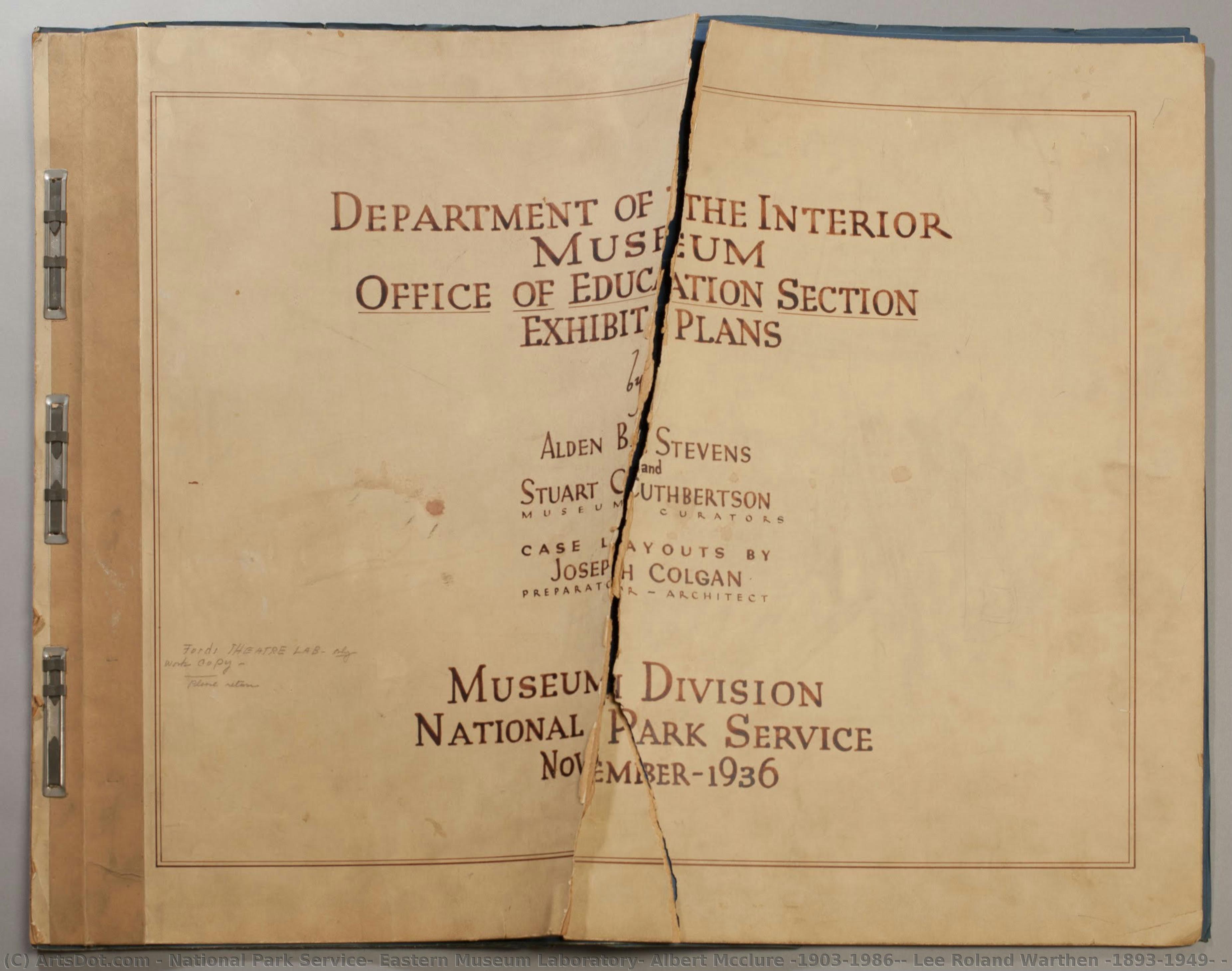
Exhibit Plans for U.S. Department of the Interior Museum


 Ver más
Giclée / Impresión de arte
Impresiones giclée o en lienzo de calidad de museo con producción rápida y opciones de acabado flexibles. ( Comprar pintura hecha a mano Comprar imagen)




































Elija entre nuestros tamaños predefinidos que respetan las proporciones originales de la obra.

Puede introducir sus propias dimensiones para adaptarse a un marco o espacio específico. Si el tamaño seleccionado no coincide con las proporciones de la imagen original, recortaremos la obra de arte o extenderemos la imagen con un borde con efecto espejo o de color sólido. Se enviará una maqueta digital para su aprobación antes de que comience la producción.
Tenga en cuenta que la vista previa en pantalla no refleja el recorte o la extensión real. Solo la maqueta mostrará con precisión la composición final.
Aunque existen tamaños personalizados, recomendamos seleccionar una dimensión de la lista predefinida para preservar las proporciones originales.
Envío a todo el mundo () en 2 semanas en lugar de las 4/5 semanas estándar. (1 septiembre)

Envío exprés gratuito a todo el mundo

Lienzo de lino de alta calidad

Seguro de envío total

Garantía de reembolso de impuestos aduaneros

Garantía de fidelidad cromática exacta

Política de devolución de 60 días (solo por defectos)

Garantía de devolución del 100% del dinero

Descuento por cantidad
 La opción de vidrio solo está disponible en tamaños inferiores a 110 cm.

Exhibit Plans for U.S. Department of the Interior Museum
Giclée / Impresión de arte
Dimensiones de la reproducción
-


Precio total final
$ 62
A Window into the New Deal Era
To hold the Exhibit Plans for the U.S. Department of the Interior Museum is to touch the very pulse of 1936 America, a moment when the nation was striving to reconstruct its identity amidst the shadows of the Great Depression. This evocative collection of assembled plans serves as more than just a bureaucratic guide; it is a profound visual testament to the New Deal era's commitment to public engagement and national storytelling. Through the meticulous work of the Eastern Museum Laboratory, these pages reveal a deliberate attempt by the National Park Service to bring the vast, rugged landscapes of the American wilderness into the intimate, controlled environments of Washington D.C. museums.
The artistry contained within these plans, featuring the evocative contributions of artists such as Albert Mcclure and Lee Roland Warthen, transcends simple documentation. The imagery captured in these historical records often utilizes a sepia-toned, nostalgic palette that evokes a sense of longing and reverence for a disappearing way of life. As one wanders through the pages, the textures of the original paintings—often presented as if mounted on metal surfaces within the guide—create a layered, tactile experience. This technique bridges the gap between the industrial progress of the 1930s and the organic, pastoral beauty of the American landscape, offering a sophisticated interplay of light and shadow that continues to captivate the modern eye.
The Art of Diorama and National Identity
At the heart of this work lies the mastery of the diorama, a medium used by the Eastern Museum Laboratory to foster a deep connection between the citizenry and their natural heritage. These were not merely displays; they were carefully constructed worlds designed to evoke emotion and instill a sense of stewardship for the land. The technique involves an incredible level of detail, where every miniature element—from the way light hits a painted rock to the placement of a tiny historical figure—is orchestrated to tell a story of resilience and reconstruction. For the collector or the interior designer, these plans represent a unique intersection of historical documentation and fine art technique.
The symbolism embedded in these exhibit plans is deeply rooted in the concept of American continuity. By documenting scenes of reconstruction and daily life, the artists were able to weave a narrative of hope during a period of profound economic uncertainty. The presence of names like Mcclure and Warthen reminds us of the skilled hands that labored to make the vastness of America accessible to all, turning museum halls into gateways for national pride. For those looking to adorn a space with pieces that spark conversation, this work offers an unparalleled depth of historical significance and aesthetic grace.
A Timeless Inspiration for Modern Interiors
Incorporating a high-quality reproduction of these historic plans into a contemporary setting provides an instant infusion of character and intellectual depth. The muted tones and sepia hues are remarkably versatile, complementing both minimalist modern aesthetics and more traditional, classic decor. An artistically rendered reproduction allows the textures of the 1936 era—the weathered paper, the metallic sheen of the original displays, and the soft, painterly strokes of the New Deal artists—to breathe within a modern room.
For the discerning decorator, this piece acts as an anchor, providing a sense of permanence and historical weight. It is not merely a decoration but a window into a pivotal moment in art history, inviting guests to contemplate the enduring spirit of American conservation and the delicate art of public engagement. Whether placed in a scholarly study, a sophisticated gallery, or a curated living space, these exhibit plans serve as a poignant reminder of the power of art to shape a nation's soul.
Obras relacionadas
Artículos relacionados

Grahame Sydney: Evoking Otago's Soul Through Light & Landscape
Explore the captivating landscapes of Sir Grahame Sydney, a leading New Zealand artist renowned for his magic realism & evocative depictions of Otago's beauty. Discover key works and delve into his artistic legacy.
Howard Cook: American Regionalism's Pursuit of Artistic Authenticity
Explore the life & art of Howard Cook, a pivotal figure in American Regionalism. Discover his stunning woodcuts, New Deal murals, and evolution from Expressionism – a deep dive for art enthusiasts.
The Magic of Drawing: How Simple Lines and Timeless Art Transform Your New Home into a Curated Sanctuary
Discover how simple lines and timeless art transform your new home into a curated sanctuary. From custom wedding portraits to historical reproductions, learn to decorate with meaning and elegance through the magic of fine art.
La Biennale de Venecia: 25 Obras Maestras para Inspirar tu Hogar | ArtsDot
Descubre las 25 obras maestras de la Bienal de Venecia. Explora la historia, artistas y técnicas detrás de iconos del arte renacentista, moderno y contemporáneo. Encuentra reproducciones de alta calidad e inspira tu hogar con ArtsDot.com.
Alfred Henry Maurer: Reassessing the Pioneer of American Modernist Abstraction
Explore the groundbreaking work of Alfred Henry Maurer, a pivotal figure in American Modernism. Discover his Fauvist & Cubist paintings and understand his lasting influence on abstract art. Expert analysis for collectors.

