
- Inicio

- Reproducción al óleo
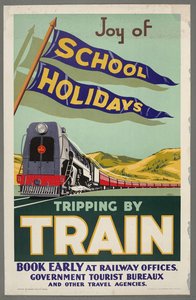
- new zealand railways. publicity branch, new zealand. government printer, stanley davis
 Ver en contexto
 Enviar
 Compartir
 Detalles

 Descargar
 Similares
 Radiografía
 Presentación de diapositivas
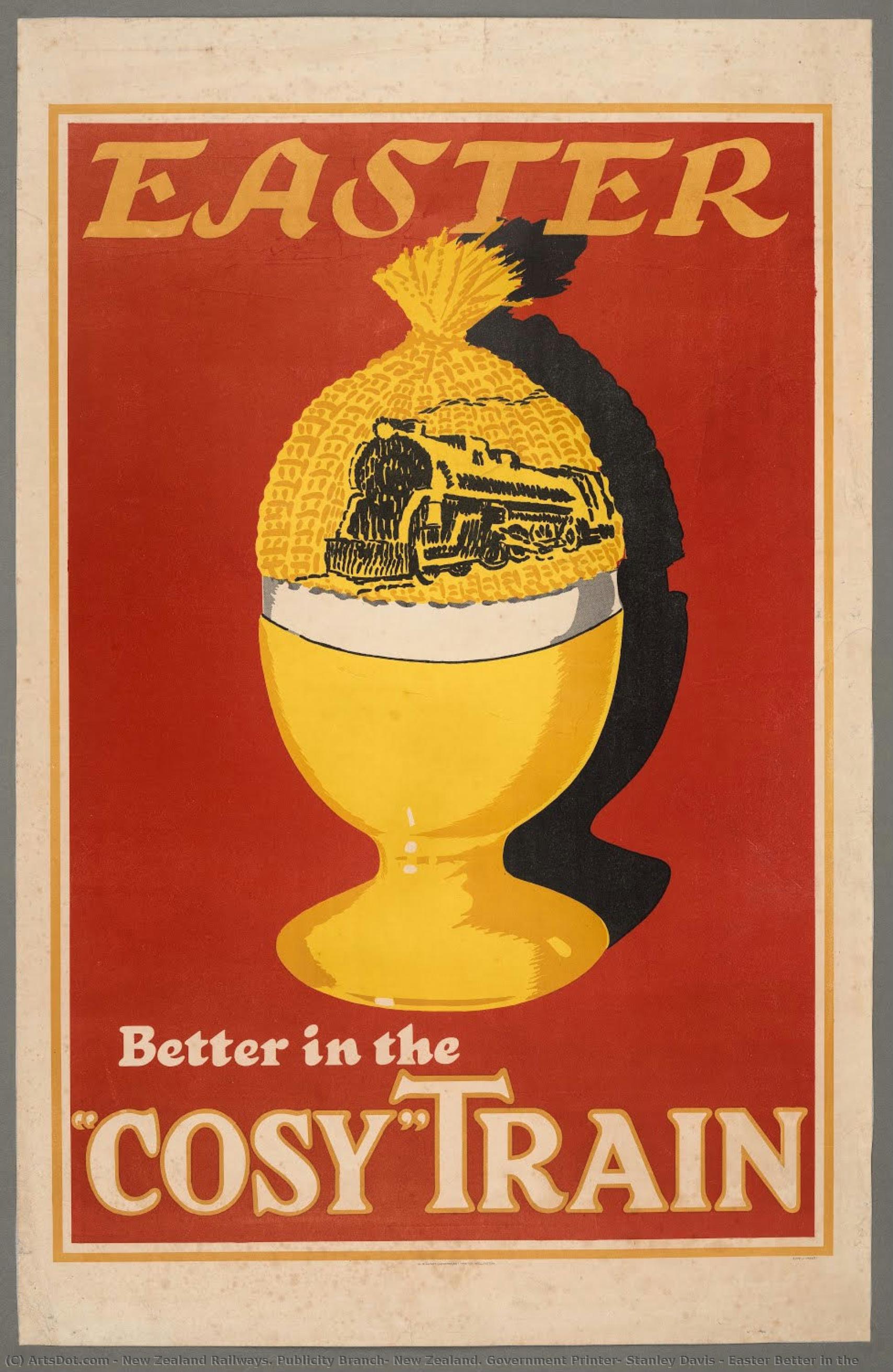
Easter Better in the


 Ver más
Reproducción al óleo hecha a mano
Óleo sobre lienzo pintado a mano en el tamaño y marco de su elección, realizado por encargo por nuestros artistas. ( Comprar impresión Comprar imagen)




































Elija entre nuestros tamaños predefinidos que respetan las proporciones originales de la obra.

Puede ingresar sus propias dimensiones para adaptarse a un marco o espacio específico. Si el tamaño seleccionado no coincide con las proporciones de la imagen original, recortaremos la obra o extenderemos la pintura con elementos adicionales pintados a mano. Se le enviará una maqueta digital para su aprobación antes de comenzar la producción.
Tenga en cuenta que la vista previa en pantalla no refleja el recorte o la extensión reales. Solo la maqueta mostrará con precisión la composición final.
Si bien existen tamaños personalizados, recomendamos seleccionar una dimensión de la lista predefinida para preservar las proporciones originales.
Tras realizar el pedido, el equipo de ArtsDot.com enviará un correo electrónico al cliente para solicitar instrucciones y proporcionarle una vista previa del boceto.
Envío a todo el mundo () en 3-4 semanas en lugar de las 5 semanas estándar. (7 septiembre). Sin comprometer la calidad.

Envío exprés gratuito a todo el mundo

Lienzo de lino de alta calidad

Seguro de envío total

Garantía de reembolso de impuestos aduaneros

Garantía de fidelidad cromática exacta

Política de devolución de 100 días (solo por defectos)

Garantía de devolución del 100% del dinero

Descuento por cantidad
 La opción de vidrio solo está disponible en tamaños inferiores a 110 cm.

Easter Better in the
Técnica de reproducción
Dimensiones de la reproducción
-


Precio total final
$ 263
Obras relacionadas
Biografía del artista
The Visionary Lens of Stanley Davis
Stanley Davis (1907 – 1986) stands as a pivotal figure in New Zealand’s visual culture, primarily recognized for his stunning photographic depictions of the nation's landscapes and railways. His work embodies a humanist aesthetic deeply rooted in the spirit of the mid-20th century, reflecting both artistic innovation and a profound connection to the natural world—a connection that continues to resonate with audiences today. Davis’s career began modestly, initially focusing on commercial photography for railway advertising campaigns. However, he quickly transcended mere promotional material, elevating his images into powerful expressions of New Zealand's beauty and identity. He wasn’t simply documenting scenery; he was striving to convey a feeling—a sense of wonder, tranquility, and the enduring spirit of exploration.
This ambition is evident in every frame of his oeuvre, from sweeping vistas of Fiordland National Park to intimate portraits of rural communities nestled amongst rolling hills. His artistic sensibilities were shaped by European Impressionism and Pictorialism—movements that prioritized capturing fleeting moments of light and emotion over precise representation. Artists like Claude Monet and Alfred Stieglitz served as crucial mentors, instilling in him a belief that photography could be elevated to the level of fine art. Through this lens, Davis viewed the New Zealand landscape not just as geography, but as a living, breathing canvas of light and shadow.
The Legacy of the Railways Publicity Branch
Davis’s most enduring contribution came from his role as Senior Photographer for the Railways Publicity Branch between 1938 and 1967. During this period, he produced an unparalleled body of work—over 500 photographs—that became synonymous with New Zealand tourism. These images weren't merely aesthetically pleasing; they actively promoted railway travel, subtly shaping perceptions of New Zealand as a destination. His photographic technique was characterized by meticulous attention to detail and masterful manipulation of light, creating a sense of invitation that drew travelers into the heart of the country.
His work often blended the mechanical majesty of the rail system with the organic splendor of the wilderness. Whether it was the powerful locomotive KA 931 pulling carriages through lush green hills or more whimsical, illustrative posters, Davis possessed a unique ability to marry commercial necessity with high art. Some of his most charming works even drew inspiration from personal life; for instance, the iconic Easter Better in the "Cosy" Train poster featured an egg cosy knitted by his wife, demonstrating how his intimate personal connections often bled into his professional mastery.
A Lasting Historical Significance
The historical significance of Stanley Davis lies in his ability to have crafted a visual identity for a nation during a transformative era. Through his lens, the New Zealand Railways Department became more than just a transport provider; it became a gateway to discovery. His work helped define the mid-century New Zealand aesthetic, characterized by:
- The Romanticization of Travel: Transforming routine train journeys into epic adventures through scenic vistas.
- National Identity Formation: Using the landscape to foster a sense of pride and belonging among the local population.
- Artistic Elevation: Proving that commercial and promotional photography could possess the depth, soul, and technical sophistication of fine art.
Today, the archives of Davis’s work serve as a nostalgic window into a bygone era of steam and steel, reminding us of a time when the rhythm of the rails was the heartbeat of New Zealand exploration. His legacy remains etched in the very way we perceive the mountains, coasts, and rolling hills of this island nation.
Datos clave
- Artistic Movement Or Style: Scenic Photography
- Date Of Birth: Living
- Full Name: Stanley Davis
- Nationality: New Zealander
- Notable Artworks:
- Napier Carnival
- Joy of School Holidays Tripping by Train
- Xmas and New Year Holidays Low Fares Railways
- Place Of Birth: New Zealand