Menu
FREE ART CONSULTATION

new zealand railways. publicity branch, stanley davis

Quick Facts

  • Copyright status: Under copyright
  • Top 3 works:
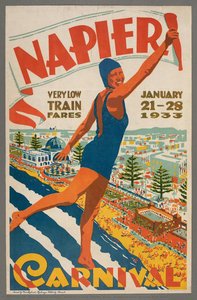
    • Napier Carnival: very low train fares.
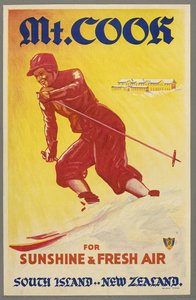
    • Mt. Cook for sunshine & fresh air South Island .. New Zealand
  • Top-ranked work: Napier Carnival: very low train fares.
  • Museums on APS: MOTAT
  • More…
  • Works on APS: 2
  • Born: New Zealand
  • Nationality: New Zealand

Art Quiz

There is only one correct answer for each question.

Question 1:
Q1
Question 2:
Q2
Question 3:
Q3
Question 4:
Q4
Question 5:
Q5

Stanley Davis: Celebrating New Zealand's Railway Heritage Through Vibrant Imagery

Stanley Davis (born 1908, Auckland, New Zealand) emerged as a pivotal figure in the visual arts of mid-century New Zealand, primarily recognized for his prolific contributions to railway advertising campaigns and landscape paintings that captured the spirit of the nation’s burgeoning transportation infrastructure. His artistic career spanned several decades, leaving an indelible mark on both the art world and the collective memory of Kiwi history. Davis's formative years were steeped in a fascination with trains—a passion fueled by early experiences traveling across New Zealand and witnessing firsthand the transformative impact of rail travel on rural communities. This personal connection profoundly influenced his artistic vision, driving him to depict railways not merely as utilitarian transport links but as symbols of progress, exploration, and connection to the natural environment. He honed his skills initially through self-taught study and experimentation before enrolling at Auckland Art School in 1930, where he further refined his technique under the guidance of prominent instructors. His professional artistic journey commenced with a stint designing posters for the New Zealand Railways Publicity Branch (NZRDB), beginning in 1938. During this period, Davis produced an astonishing output of approximately 250 artworks—a remarkable feat considering the constraints of the time and the demands of commercial commissions. These posters weren’t simply advertisements; they were carefully crafted narratives intended to inspire tourism and foster a sense of national pride. Davis skillfully employed bold colors, dynamic compositions, and whimsical illustrations to portray iconic New Zealand landscapes alongside trains, effectively blending art and marketing in an innovative way. Notable examples include depictions of Mount Cook (Aoraki), Milford Sound, and the Otago Peninsula—scenes rendered with breathtaking detail and infused with a palpable optimism about the future. Beyond his advertising work, Davis cultivated a significant body of landscape paintings that showcased his mastery of Impressionistic style. He favored capturing fleeting moments of light and atmosphere, prioritizing emotional resonance over precise representation. His canvases often depict serene rural vistas bathed in golden sunlight—subjects reminiscent of the idyllic countryside celebrated in NZRDB’s promotional materials. Recurring motifs included rolling hills, eucalyptus trees, and distant mountains—elements that reflected Davis's deep appreciation for New Zealand’s natural beauty and his desire to convey its grandeur to viewers. His paintings are characterized by loose brushstrokes, vibrant hues, and a subtle blending of colors that create an immersive sensory experience. Davis’s legacy extends beyond his artistic output; he served as a mentor to younger artists and actively championed the importance of visual storytelling in communicating cultural values. He instilled in them a belief that art could serve as a powerful tool for shaping perceptions and fostering appreciation for New Zealand's heritage. Although Davis largely retreated from public life after World War II, his paintings continue to be exhibited in galleries across New Zealand and internationally, ensuring that his distinctive artistic vision endures. Stanley Davis died peacefully in Auckland in 1983, leaving behind a rich artistic legacy—a testament to the enduring power of observation, imagination, and a heartfelt love for the landscapes and traditions of his homeland.