

 Ver en contexto
 Enviar
 Compartir
 Detalles

 Descargar
 Similares
 Radiografía
 Presentación de diapositivas
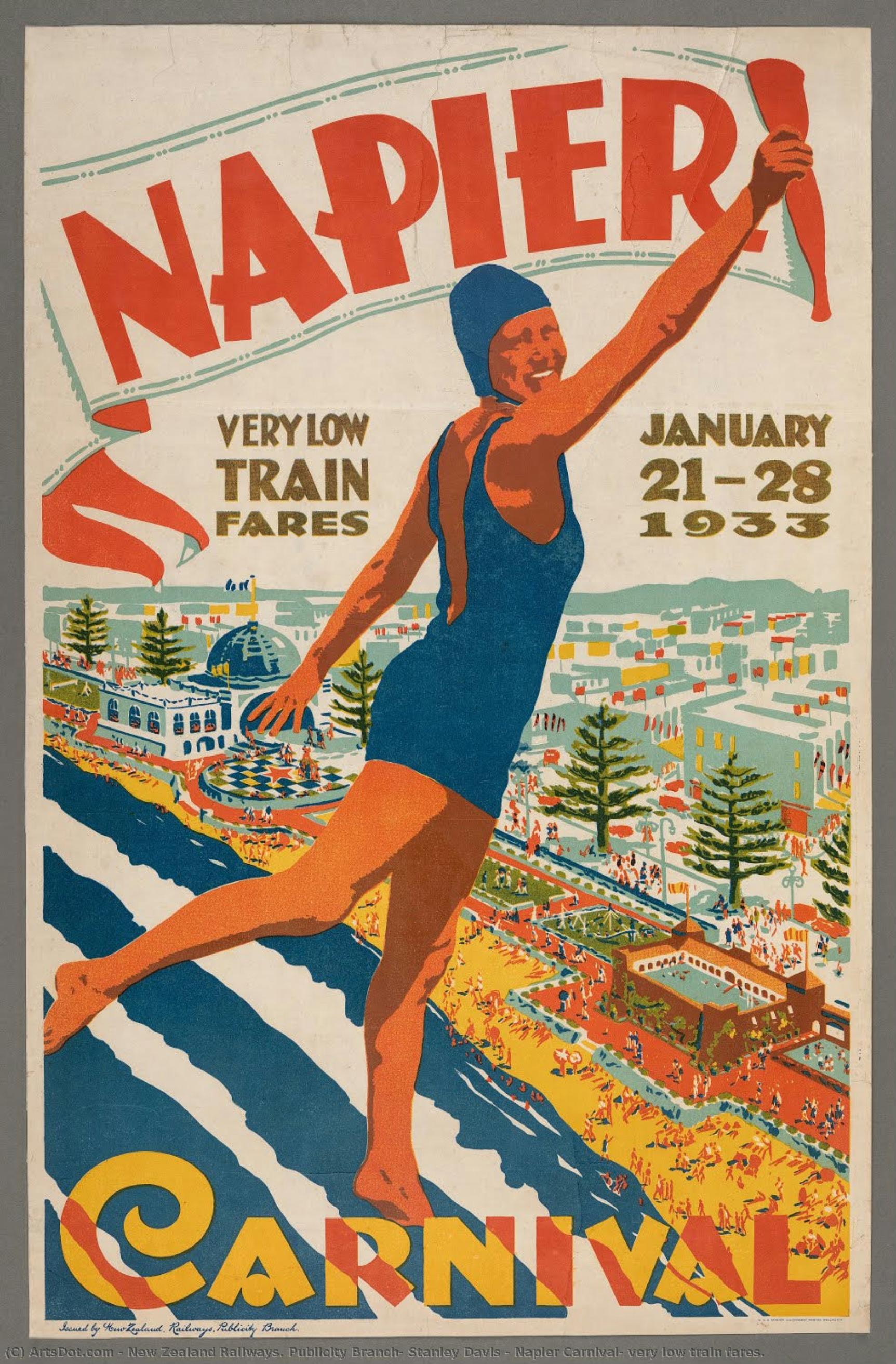
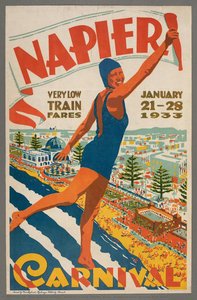
Napier Carnival: very low train fares.


 Ver más
Giclée / Impresión de arte
Impresiones giclée o en lienzo de calidad de museo con producción rápida y opciones de acabado flexibles. ( Comprar pintura hecha a mano Comprar imagen)




































Elija entre nuestros tamaños predefinidos que respetan las proporciones originales de la obra.

Puede introducir sus propias dimensiones para adaptarse a un marco o espacio específico. Si el tamaño seleccionado no coincide con las proporciones de la imagen original, recortaremos la obra de arte o extenderemos la imagen con un borde con efecto espejo o de color sólido. Se enviará una maqueta digital para su aprobación antes de que comience la producción.
Tenga en cuenta que la vista previa en pantalla no refleja el recorte o la extensión real. Solo la maqueta mostrará con precisión la composición final.
Aunque existen tamaños personalizados, recomendamos seleccionar una dimensión de la lista predefinida para preservar las proporciones originales.
Envío a todo el mundo () en 2 semanas en lugar de las 4/5 semanas estándar. (6 septiembre)

Envío exprés gratuito a todo el mundo

Lienzo de lino de alta calidad

Seguro de envío total

Garantía de reembolso de impuestos aduaneros

Garantía de fidelidad cromática exacta

Política de devolución de 100 días (solo por defectos)

Garantía de devolución del 100% del dinero

Descuento por cantidad
 La opción de vidrio solo está disponible en tamaños inferiores a 110 cm.

Napier Carnival: very low train fares.
Giclée / Impresión de arte
Dimensiones de la reproducción
-


Precio total final
$ 62
Obras relacionadas



Biografía del artista
The Visionary of the Rails: The Artistry of Stanley Davis
In the golden era of mid-century New Zealand, as the nation began to truly discover its own breathtaking landscapes, one artist’s brushstrokes served as the primary invitation to adventure. Stanley Davis, born in 1908 in Auckland, was far more than a commercial illustrator; he was a visual storyteller who transformed the utilitarian concept of rail travel into a romantic saga of exploration. His work, deeply intertwined with the New Zealand Railways Publicity Branch, captured a burgeoning national identity, turning train journeys into gateways for discovery. Through his eyes, the iron tracks were not merely steel and timber but veins of progress that pulsed through the heart of the rugged Kiwi wilderness.
Davis’s artistic journey was rooted in a profound, lifelong fascination with the locomotive. This passion, nurtured by childhood travels across the diverse terrains of New Zealand, instilled in him a unique ability to depict the transformative power of the railway on rural communities. After honing his technical skills through self-directed study and formal training at the Auckland Art School in 1930, he began to merge his personal passion with professional precision. His arrival at the New Zealand Railways Publicity Branch in 1938 marked the beginning of a prolific era where art met industry, allowing him to shape the visual vocabulary of an entire nation’s tourism.
A Master of Narrative and Color
The true magic of Davis’s work lies in his ability to blend bold, modern aesthetics with a whimsical sense of wonder. As the Supervising Artist for the Outdoor Advertising Branch, he produced an astonishing repertoire of approximately 250 artworks. These were not mere advertisements; they were carefully composed narratives designed to stir the soul. He utilized vibrant color palettes and dynamic compositions to elevate the scenery of the South and North Islands, making destinations like Mount Cook (Aoraki), Milford Sound, and the Otago Peninsula feel both accessible and legendary.
His technique often involved a sophisticated layering of imagery that captured both the grandeur of nature and the human element of travel. In his famous posters, one might find:
- Dynamic Landscapes: Sweeping aerial views of coastlines and mountain ranges that emphasized the scale of the New Zealand wilderness.
- Human Connection: The inclusion of figures—often modeled after those close to him, such as his wife—which added a sense of intimacy and relatability to the vast scenery.
- Symbolic Progress: The depiction of trains not just as machines, but as symbols of connection, linking remote seaside resorts like Napier to the bustling urban centers.
Legacy of a National Icon
The historical significance of Stanley Davis extends far beyond the walls of art galleries; his work remains a vital window into the collective memory of New Zealand. During a period when the country was defining its domestic tourism market, his posters acted as a cultural compass, guiding Kiwis to explore their own "backyard." His ability to evoke the "cosy" atmosphere of rail travel helped foster a sense of national pride and a shared appreciation for the country's natural heritage.
Today, the works of Davis are cherished as much for their historical value as for their aesthetic brilliance. They stand as vibrant relics of a time when the rhythm of the rails dictated the pace of life and exploration. Through his mastery of color and composition, Stanley Davis ensured that the spirit of New Zealand’s railway heritage would remain eternally etched in the minds of all who behold his magnificent, sun-drenched landscapes.
Datos clave
- Artistic Movement Or Style: Railway Art
- Full Name: Stanley Davis
- Nationality: New Zealander
- Notable Artworks:
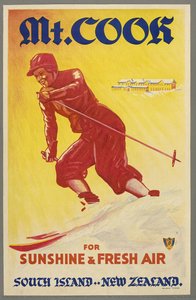
- Mount Cook for sunshine & fresh air South Island
- Napier Carnival: very low train fares.
- Place Of Birth: New Zealand