 Ver en contexto
 Enviar
 Compartir
 Detalles

 Descargar
 Similares
 Radiografía
 Presentación de diapositivas
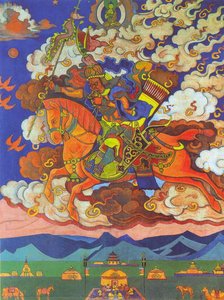
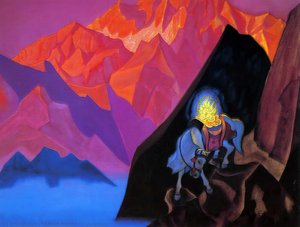
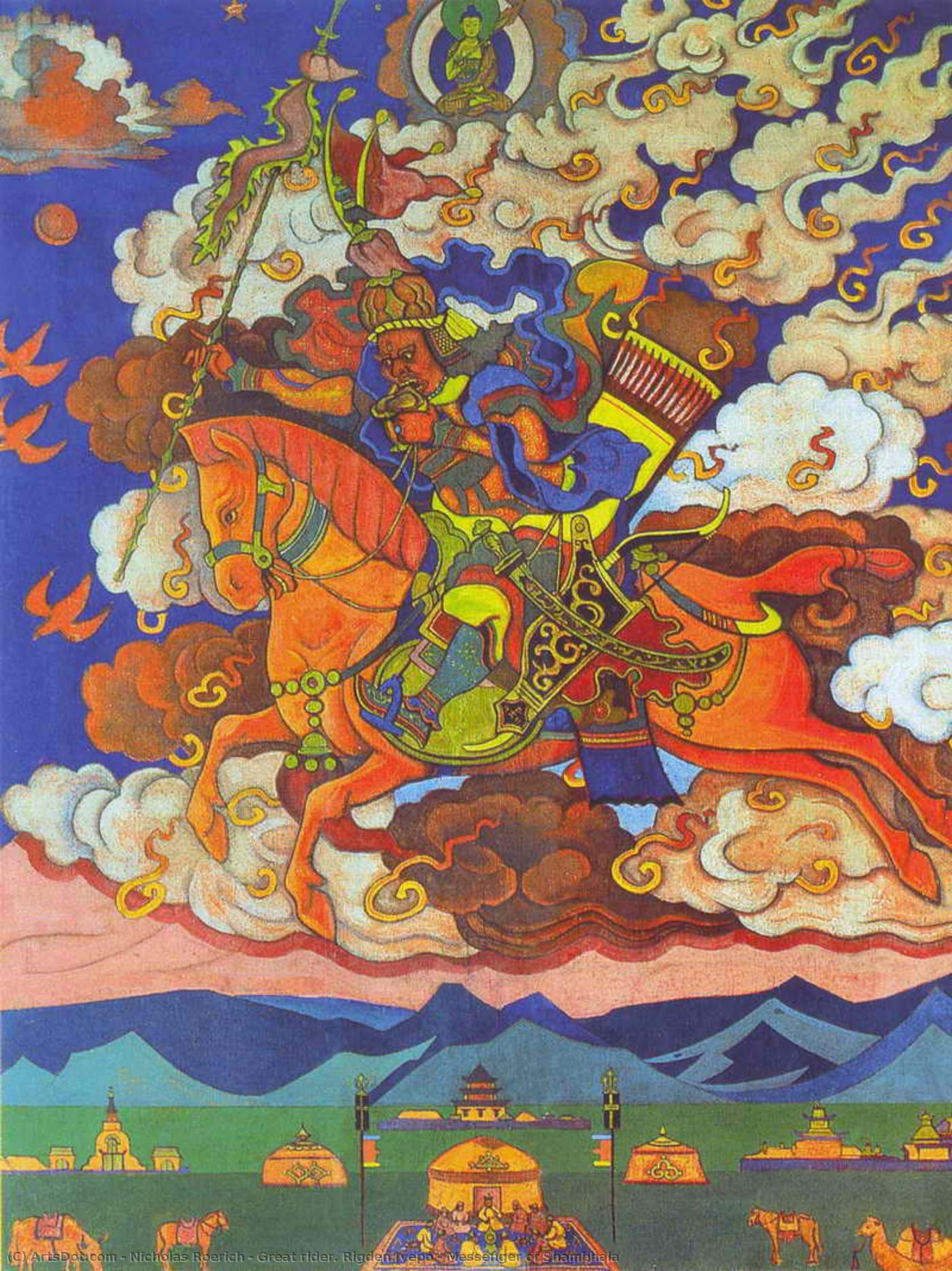
Gran jinete. Rigden Jyepo - Mensajero de Shambhala


 Ver más
Reproducción al óleo hecha a mano
Óleo sobre lienzo pintado a mano en el tamaño y marco de su elección, realizado por encargo por nuestros artistas. ( Comprar impresión Comprar imagen)




P118B $10

P118H $10

P118W $10

P438Z $10

P508JH $12

P508YH $12

P805H $10

P805Z $10

P919BZ $10

P919G $10

P919XJ $10

P959ZH $10

P968JZ $12

W106C $8

W218G $10

W218JH $8

W218Y $10

W307PJ $10

W316G $10

W316PJ $8

W316Y $10

W398PJ $8

W4111J $10

W500HY $15

W500JH $15

W692G $12

W849H $8

W940BG $15

W953PJ $8




Elija entre nuestros tamaños predefinidos que respetan las proporciones originales de la obra.

Puede ingresar sus propias dimensiones para adaptarse a un marco o espacio específico. Si el tamaño seleccionado no coincide con las proporciones de la imagen original, recortaremos la obra o extenderemos la pintura con elementos adicionales pintados a mano. Se le enviará una maqueta digital para su aprobación antes de comenzar la producción.
Tenga en cuenta que la vista previa en pantalla no refleja el recorte o la extensión reales. Solo la maqueta mostrará con precisión la composición final.
Si bien existen tamaños personalizados, recomendamos seleccionar una dimensión de la lista predefinida para preservar las proporciones originales.
Tras realizar el pedido, el equipo de ArtsDot.com enviará un correo electrónico al cliente para solicitar instrucciones y proporcionarle una vista previa del boceto.
Envío a todo el mundo () en 3-4 semanas en lugar de las 5 semanas estándar. (26 agosto). Sin comprometer la calidad.

Envío exprés gratuito a todo el mundo

Lienzo de lino de alta calidad

Seguro de envío total

Garantía de reembolso de impuestos aduaneros

Garantía de fidelidad cromática exacta

Política de devolución de 60 días (solo por defectos)

Garantía de devolución del 100% del dinero

Descuento por cantidad
 La opción de vidrio solo está disponible en tamaños inferiores a 110 cm.

Gran jinete. Rigden Jyepo - Mensajero de Shambhala
Técnica de reproducción
Dimensiones de la reproducción
-


Precio total final
$ 263
Descripción de la obra
A Vision of Celestial Power: Nicholas Roerich’s “Great Rider”
Nicholas Roerich's "Great Rider. Rigden Jyepo – Messenger of Shambhala," painted in 1927, isn’t merely a depiction of a horse and rider; it’s an immersive journey into the heart of Tibetan mysticism and a testament to the artist’s profound spiritual quest. This monumental oil on canvas, now residing within the Mongolia Museum of Art in Ulaanbaatar, pulsates with a vibrant energy that transcends its surface appearance, inviting viewers into a realm where earthly concerns dissolve amidst celestial grandeur.
Roerich, a figure whose life was inextricably intertwined with art, archaeology, and esoteric philosophies – particularly Theosophy and Vedanta – approached his work not as a simple representation of reality but as a vehicle for conveying deeper spiritual truths. His artistic trajectory shifted dramatically after the Russian Revolution, leading him to the remote Himalayan region of Kullu Valley in India, where he dedicated himself to capturing the essence of Shambhala, a mythical kingdom representing enlightenment and universal harmony. “Great Rider” embodies this shift, reflecting Roerich’s evolving understanding of Shambhala as a tangible, yet ultimately transcendent, realm.
Symbolism Woven into the Canvas
The painting is firmly rooted in the Symbolist movement, characterized by its emphasis on subjective experience and the exploration of hidden meanings. However, Roerich’s symbolism goes far beyond typical Symbolist conventions. The central figure, Rigden Jyepo – a Tibetan deity often depicted as a messenger or protector – dominates the composition, riding a magnificent horse that seems to surge upwards through swirling clouds. This upward trajectory is crucial; it symbolizes ascension and the journey towards enlightenment. The rider’s crown and sword are not emblems of earthly power but rather symbols of spiritual authority and protection.
Notice the intricate details: the elaborate trappings on the horse, reminiscent of ancient Tibetan iconography, the serene figure within the mandorla (a halo-like shape) above the rider – a representation of a divine being or enlightened master. The landscape below, featuring yurts and figures engaged in what appears to be a ritual gathering, grounds the scene in earthly reality while simultaneously suggesting a connection between the material world and the spiritual realm. The color palette is deliberately rich and luminous, employing layers of pigment to create an almost shimmering effect – a technique that Roerich frequently utilized to evoke a sense of otherworldly beauty.
Technique and Artistic Vision
Roerich’s masterful brushwork contributes significantly to the painting's dynamic quality. He employed a layering technique, building up color gradually to achieve depth and luminosity. The clouds are rendered with swirling patterns that seem to move and shift before the viewer’s eyes, creating a sense of movement and energy. The use of tempera alongside oil paints adds to the richness and texture of the surface, giving the painting a tactile quality. It's important to note Roerich’s background as an architect; this is reflected in his careful composition and attention to spatial relationships.
A Legacy of Spiritual Art
"Great Rider. Rigden Jyepo – Messenger of Shambhala" stands as a powerful example of Roerich's unique artistic vision, blending elements of Tibetan mythology, Symbolist aesthetics, and his own deeply held spiritual beliefs. It’s more than just a beautiful painting; it’s an invitation to contemplate the mysteries of existence and the possibility of transcendence. Reproductions of this artwork offer a captivating glimpse into a world where art serves as a conduit for spiritual exploration – a legacy that continues to resonate with viewers today.
Obras relacionadas
Biografía del artista
Nicholas Roerich: Vida, Arte y Legado
Primeros Años y Educación
- Nikolai Konstantinovich Roerich nació el 9 de octubre de 1874 en San Petersburgo, Rusia.
- Su padre, un notario alemán del Báltico, y su madre, una mujer rusa, fomentaron una temprana apreciación por las artes en él.
- Roerich estudió tanto derecho como arte simultáneamente, matriculándose en la Universidad de San Petersburgo y la Academia Imperial de Artes en 1893.
- Recibió el título de “Artista” en 1897 y un título de abogado al año siguiente.
Deseos Artísticos e Influencias
- El desarrollo artístico de Roerich fue significativamente influenciado por el Simbolismo Ruso, un movimiento que enfatizaba la espiritualidad y la profundidad emocional.
- Se involucró con la sociedad “Arte del Mundo” de Serguéi Diáguilev, eventualmente convirtiéndose en su presidente desde 1910 hasta 1916.
- Su trabajo temprano mostró una fascinación por la arqueología y el diseño teatral, lo que llevó a colaboraciones en producciones para los Ballets Russes.
- También se vio influenciado por apócrifos y escrituras secretistas medievales como el Libro de la Paloma.
Colaboración con los Ballets Russes
- Los diseños de Roerich para los Ballets Russes fueron muy elogiados, particularmente su trabajo en Príncipe Igor de Alexander Borodin (1909) e El Ritual de la Primavera de Igor Stravinsky (1913).
- Sus diseños escénicos combinaban la investigación histórica con el arte imaginativo, creando producciones visualmente impresionantes.
- Esta colaboración lo estableció como una figura destacada en el diseño teatral a principios del siglo XX.
Desarrollo Artístico y Temas
- Las pinturas de Roerich evolucionaron para incorporar temas cada vez más místicos y espirituales, reflejando su creciente interés en la Teosofía y las religiones orientales.
- Su serie Estudios Arquitectónicos (1904–1905) demostró su destreza arquitectónica y su compromiso con la preservación del patrimonio cultural.
- Motivos recurrentes en su obra incluyen paisajes majestuosos, ciudades antiguas y figuras religiosas como San Panteleimon y Kuan Yin.
- A menudo representaba el Himalaya, una región que tenía un profundo significado espiritual para él.
Logros y Reconocimientos Principales
- Roerich fue un defensor dedicado de la protección del arte y la arquitectura durante los tiempos de guerra.
- Sus esfuerzos llevaron a la creación del Pacto Roerich (1935), un tratado internacional para la preservación de objetos culturales, lo que le valió múltiples nominaciones al Premio Nobel de la Paz.
- Viajó extensamente por Asia Central, realizando investigaciones arqueológicas y documentando culturas antiguas.
- Su obra se exhibe en importantes colecciones museísticas en todo el mundo, incluida la Galería de Pinturas Estatal de Astrakhan.
Significado Histórico y Legado
- El impacto de Nicholas Roerich en el arte y la cultura rusos es inmensurable.
- Puenteó la brecha entre la expresión artística y la exploración espiritual, influyendo a generaciones de artistas e intelectuales.
- Su compromiso con la preservación cultural sigue siendo relevante hoy en día, destacando la importancia de proteger nuestro patrimonio compartido.
- El legado de Roerich se extiende más allá de sus pinturas; es recordado como un artista visionario, erudito y humanitario.
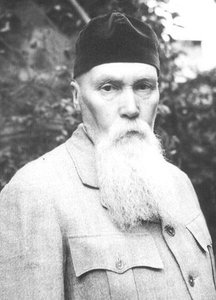
Nicolás Roerich
1874 - 1947 , Rusia
Datos clave
- Artistas Que Influyeron:
- León Tolstói
- Arjip Kuindzhi
- Fecha De Muerte: 13 de diciembre de 1947
- Fecha De Nacimiento: 9 de octubre de 1874
- Influenciado A Artistas: ['Artistas e intelectuales']
- Lugar De Nacimiento: San Petersburgo, Rusia
- Movimiento Artístico: Simbolismo Ruso
- Nacionalidad: Ruso
- Nombre Completo: Nicolás Roerich
- Obras Notables:
- Camino al Kailas 4
- Monte de cinco tesoros
- Puente de Gloria
- Lago de las Nagas
- Tempe-jal-tzen-baykin
Artículos relacionados
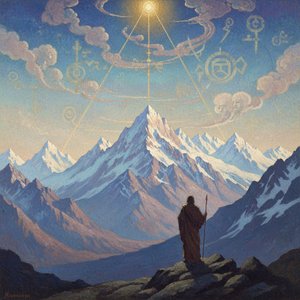
Nicholas Roerich: Mysticism, Mountains & the Search for Ageless Wisdom in Art
Explore the captivating art of Nicholas Roerich – a visionary painter whose Himalayan landscapes blend spiritual mysticism with cultural preservation. Discover his legacy & symbolism.

Katsushika Hokusai: Las 25 Obras Maestras del Ukiyo-e que Transformaron el Arte Japonés | ArtsDot
Descubre las 25 obras maestras de Katsushika Hokusai, el genio del ukiyo-e. Explora 'La Gran Ola', paisajes japoneses y su impacto en el arte moderno. Reproducciones de alta calidad para tu hogar en ArtsDot.com.
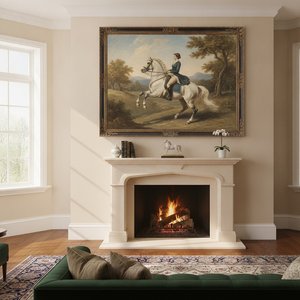
Equestrian Elegance: Discovering Captivating Horseback Rider Art to Anchor Your New Home with Timeless Grace
Anchor your new home with the timeless grace of equestrian art. ArtsDot.com offers exquisite, hand-painted oil reproductions of horse rider masterpieces, perfect for newlyweds seeking sophisticated decor. Discover bespoke commissions and museum-quality classics to enrich your sanctuary.
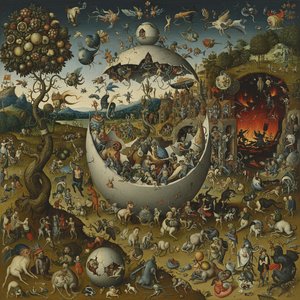
Hieronymus Bosch: Las 25 Obras Maestras del Genio Medieval | Arte y Decoración
Descubre las 25 obras maestras de Hieronymus Bosch, el enigmático pintor medieval. Explora 'El Jardín de las Delicias' y su simbolismo único. Reproducciones de arte de alta calidad para tu hogar en ArtsDot.com.
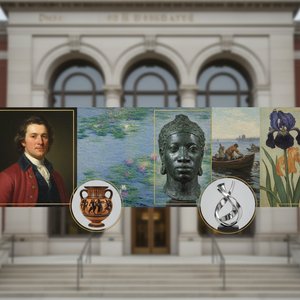
Las 25 Obras Maestras del MFA Boston: Arte, Historia y Decoración Exclusiva
Descubre las 25 obras maestras del Museo de Bellas Artes Boston. Explora la historia, el arte y las emociones detrás de Sargent, Monet, Degas y más. Reproducciones de alta calidad para tu hogar en ArtsDot.com.