

 Ver en contexto
 Enviar
 Compartir
 Detalles

 Descargar
 Similares
 Radiografía
 Presentación de diapositivas
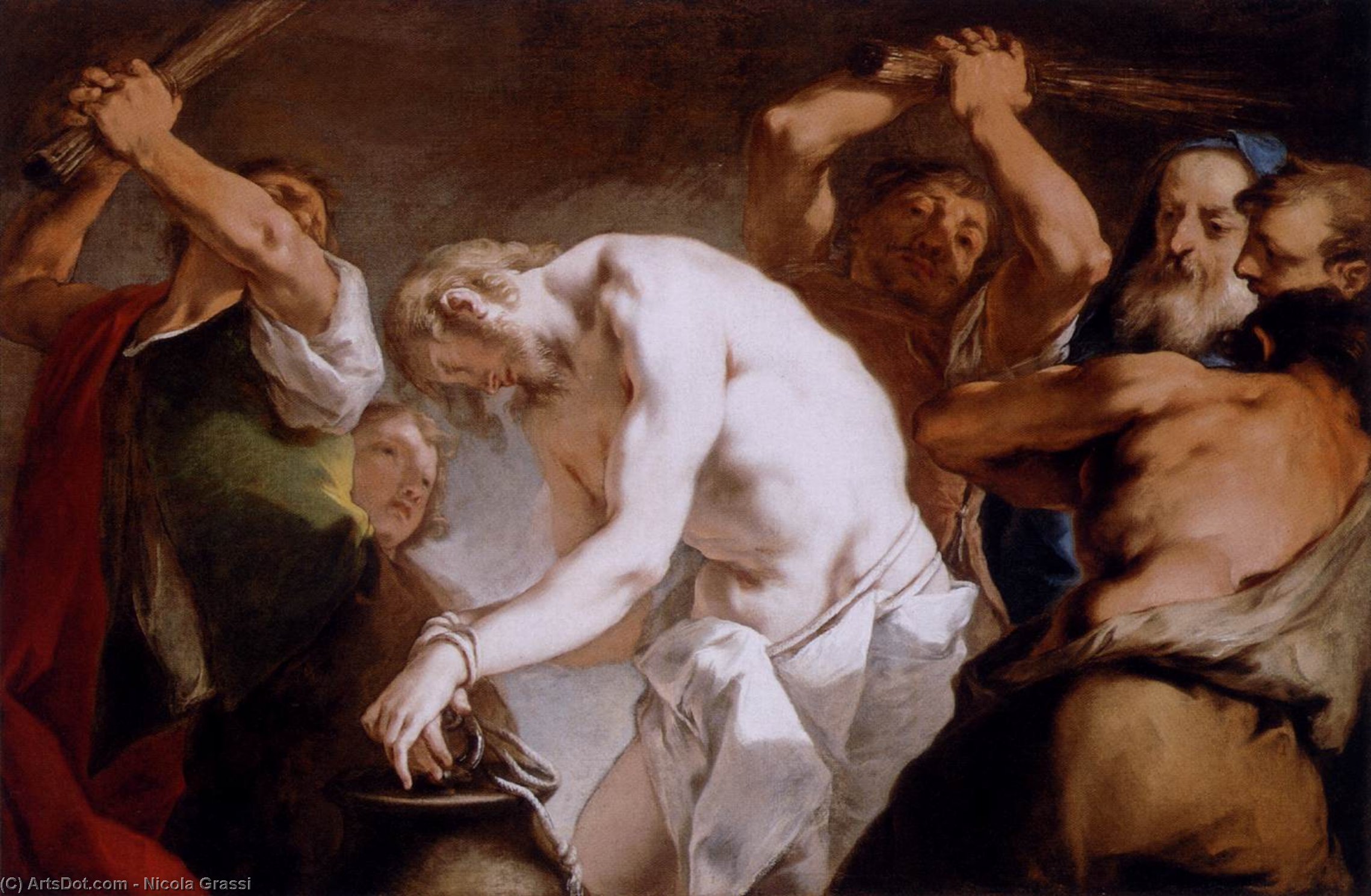
The Flagellation of Christ
 Oil
Oil- WallArt
- Baroque
 1720
1720- Early Modern
 105.0 x 159.0 cm
 Museo de las Artes de Budapest
 Ver más
Reproducción al óleo hecha a mano
Óleo sobre lienzo pintado a mano en el tamaño y marco de su elección, realizado por encargo por nuestros artistas. ( Comprar impresión Comprar imagen)




P118B $10

P118H $10

P118W $10

P438Z $10

P508JH $12

P508YH $12

P805H $10

P805Z $10

P919BZ $10

P919G $10

P919XJ $10

P959ZH $10

P968JZ $12

W106C $8

W218G $10

W218JH $8

W218Y $10

W307PJ $10

W316G $10

W316PJ $8

W316Y $10

W398PJ $8

W4111J $10

W500HY $15

W500JH $15

W692G $12

W849H $8

W940BG $15

W953PJ $8




Elija entre nuestros tamaños predefinidos que respetan las proporciones originales de la obra.

Puede ingresar sus propias dimensiones para adaptarse a un marco o espacio específico. Si el tamaño seleccionado no coincide con las proporciones de la imagen original, recortaremos la obra o extenderemos la pintura con elementos adicionales pintados a mano. Se le enviará una maqueta digital para su aprobación antes de comenzar la producción.
Tenga en cuenta que la vista previa en pantalla no refleja el recorte o la extensión reales. Solo la maqueta mostrará con precisión la composición final.
Si bien existen tamaños personalizados, recomendamos seleccionar una dimensión de la lista predefinida para preservar las proporciones originales.
Tras realizar el pedido, el equipo de ArtsDot.com enviará un correo electrónico al cliente para solicitar instrucciones y proporcionarle una vista previa del boceto.
Envío a todo el mundo () en 3-4 semanas en lugar de las 5 semanas estándar. (23 agosto). Sin comprometer la calidad.

Envío exprés gratuito a todo el mundo

Lienzo de lino de alta calidad

Seguro de envío total

Garantía de reembolso de impuestos aduaneros

Garantía de fidelidad cromática exacta

Política de devolución de 60 días (solo por defectos)

Garantía de devolución del 100% del dinero

Descuento por cantidad
 La opción de vidrio solo está disponible en tamaños inferiores a 110 cm.

The Flagellation of Christ
Técnica de reproducción
Dimensiones de la reproducción
-


Precio total final
$ 263
Descripción de la obra
A Symphony of Suffering and Baroque Grandeur
In the dramatic landscape of the late Venetian Baroque, few works capture the raw, visceral essence of human agony and divine sacrifice as profoundly as Nicola Grassi’s The Flagellation of Christ. Painted in 1720, this masterpiece serves as a window into a period where art was not merely meant to be observed, but to be felt within the very marrow of the viewer. The scene unfolds with a theatrical intensity, characteristic of the Venetian school, where light and shadow dance in a perpetual struggle. As the eye traverses the canvas, it is immediately drawn to the central figure of Christ, whose vulnerability is juxtaposed against the brutal, rhythmic motion of his tormentors. Grassi employs a masterful command of chiaroscuro, using deep, enveloping shadows to push the figures toward the viewer, creating an immersive experience that blurs the line between the historical event and the present moment.
The composition is a complex tapestry of human emotion and physical tension. Beyond the central act of violence, Grassi populates the scene with a diverse assembly of onlookers—men and women whose expressions range from detached indifference to profound sorrow. This layering of gazes creates a psychological depth that invites the observer to contemplate their own role as a witness to injustice. The presence of subtle symbolic elements, such as the humble bowls resting at the periphery and the heavy religious text positioned near the base of the scene, grounds the divine tragedy in a tangible, earthly reality. These details suggest a narrative of record and remembrance, implying that the suffering depicted is not just a singular moment in time, but a foundational pillar of faith and history.
For the discerning collector or interior designer, this painting offers more than mere decoration; it provides a profound focal point for spaces that demand character and intellectual weight. The technique utilized by Grassi—likely influenced by his apprenticeship under Antonio Carneo—displays a sophisticated handling of texture, from the soft, wounded flesh of the subject to the heavy, tactile folds of the period attire. The color palette, rich with the earthy tones and dramatic highlights typical of the 18th-century Italian tradition, allows the piece to integrate seamlessly into classical or even contemporary avant-garde settings. A high-quality reproduction of this work brings a sense of historical gravity and an undeniable aura of prestige to any room, serving as a conversation piece that evokes the enduring power of the human spirit amidst the darkest of trials.
Obras relacionadas
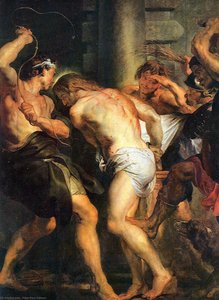
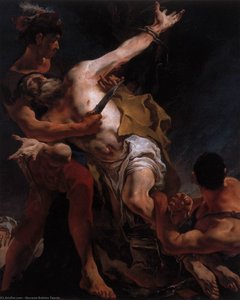
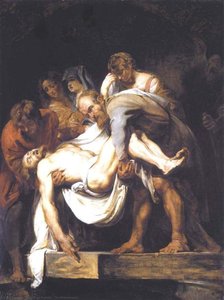
Biografía del artista
Nicola Grassi: Venetian Baroque Drama
Nicola Grassi (1682 – 1748) stands as a pivotal figure in the late Baroque artistic landscape of Venice, Italy—a city renowned for its opulent patronage and masterful painters. Born in Formosa, near Trieste, Grassi’s formative years were spent honing his craft under the tutelage of Antonio Carneo, establishing him firmly within the Venetian tradition before embarking on an independent career that would yield remarkable results. His artistic journey began with a meticulous apprenticeship, absorbing the stylistic nuances of Carneo's oeuvre and preparing for the challenges of navigating the competitive Venetian art world. Moving to Venice in 1697, Grassi quickly established connections with fellow artists like Nicolo Cassana, collaborating on projects that showcased his burgeoning talent. This partnership proved fruitful, fostering artistic growth and exposing him to diverse influences—particularly Cassana’s embrace of Rococo aesthetics. However, Grassi's ambition extended beyond collaborative endeavors; he sought recognition for his own singular vision. The acknowledgment of “The Flagellation of Christ” in 1710 cemented his reputation as a painter capable of conveying profound emotion and dramatic narrative through meticulously rendered detail—a testament to the Venetian Baroque’s penchant for theatricality and grandeur. Between 1722 and 1725, Grassi ventured beyond Venice’s artistic confines, traveling to Bavaria and Dalmatia—experiences that undoubtedly broadened his artistic horizons and enriched his understanding of European art currents. These expeditions fueled his creativity and allowed him to absorb new techniques and stylistic approaches, contributing to the evolution of his distinctive style. His work continued to impress discerning collectors and cemented his place as one of Venice’s most celebrated Baroque painters. Grassi's artistic legacy resides primarily in his captivating depictions of religious subjects—particularly biblical narratives imbued with palpable emotion. He excelled at capturing the psychological depth of his figures, utilizing chiaroscuro – dramatic contrasts between light and dark – to heighten visual impact and convey spiritual fervor. His paintings are characterized by a masterful command of color palettes, often favoring rich hues that evoke atmosphere and enhance emotional resonance. The Venetian Baroque’s emphasis on theatricality and grandeur found its embodiment in Grassi's canvases, reflecting the artistic sensibilities of his time. He skillfully blended classical influences with Rococo ornamentation, creating compositions that were both intellectually stimulating and aesthetically pleasing. His enduring fame is largely attributable to masterpieces such as “St. Paul the Apostle” and “Rebecca at the Well,” which exemplify his stylistic prowess and thematic preoccupation with conveying spiritual contemplation. These works demonstrate Grassi’s ability to transform biblical stories into emotionally charged visual experiences—a testament to his artistic vision and a lasting contribution to Venetian Baroque art history. His paintings continue to inspire admiration for their expressive power and technical brilliance, securing his place as an artist of considerable historical significance. He is remembered not merely for his skill in technique but also for his profound understanding of the human condition and his ability to communicate complex theological ideas through visual imagery—a remarkable achievement that solidified his position among Venice’s artistic elite.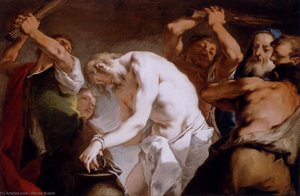
Nicola Grassi
1682 - 1748 , Italia
Datos clave
- Artistic Movement Or Style: Baroque/Rococo
- Artists Or Movements Influenced By This Artist: ['Nicolo Cassana']
- Artists Who Influenced This Artist: ['Antonio Carneo']
- Date Of Birth: April 7, 1682
- Date Of Death: October 6, 1748
- Full Name: Nicola Grassi
- Nationality: Italian
- Notable Artworks:
- The Flagellation of Christ
- St. Paul the Apostle
- Rebecca at the Well
- Place Of Birth: Formosa, Italy
Artículos relacionados

Jacopo Tintoretto: Las 25 Obras Maestras del Genio Veneciano | Arte y Decoración en ArtsDot
Descubre las 25 obras maestras de Jacopo Tintoretto, el genio veneciano del Renacimiento. Explora su arte dramático, composiciones innovadoras y paleta vibrante. Reproducciones de alta calidad en ArtsDot.com para transformar tu hogar.

The Visceral Stage: Exploring Dramatic Narratives & Emotional Intensity in Baroque Art
Explore the dramatic world of Baroque art! Discover iconic masters like Caravaggio & Rembrandt, their techniques, and the movement's lasting impact. Expert insights for collectors & enthusiasts at ArtsDot.

Drama Barroca: Llevando la Grandeza y la Emoción a los Interiores Contemporáneos
Descubre cómo el drama y la grandeza del arte barroco pueden transformar tus interiores. Guía experta, inspiración y reproducciones de alta calidad en .

The Dramatic Flourish: Exploring the Baroque Movement's Enduring Legacy in Art History
Explore the dramatic world of Baroque art! Discover iconic artists like Caravaggio & Rubens, defining techniques, and its lasting impact on art history. Expert insights for collectors & enthusiasts at ArtsDot.

Barroco Sublime: 10 Obras Maestras que Definieron una Época |
Descubre las 10 obras maestras del Barroco que marcaron una época. Caravaggio, Bernini y Velázquez cobran vida en . Reproducciones de arte de calidad museo para decorar tu hogar con elegancia. ¡Explora la colección online!

