

 Ver en contexto
 Enviar
 Compartir
 Detalles

 Descargar
 Similares
 Radiografía
 Presentación de diapositivas
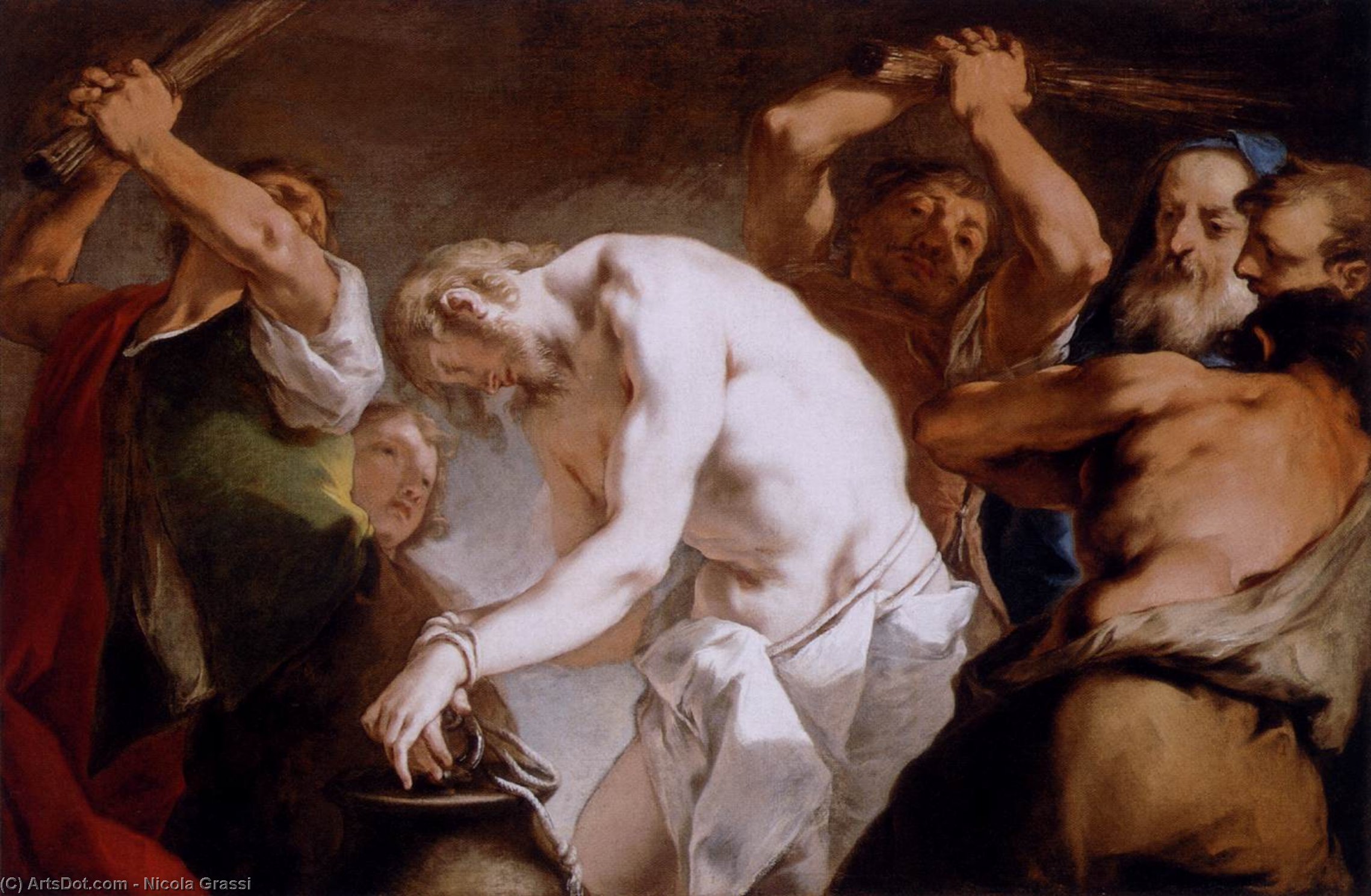
The Flagellation of Christ
 Oil
Oil- WallArt
- Baroque
 1720
1720- Early Modern
 105.0 x 159.0 cm
 Museo de las Artes de Budapest
 Ver más
Adquiera una imagen digital de alta resolución y optimizada, muy superior a la vista previa en línea.
Cada archivo es preparado meticulosamente por nuestros especialistas internos mediante el uso de herramientas avanzadas y un experto retoque manual. Nos aseguramos de que cada imagen posea una claridad excepcional, una precisión cromática impecable y un detalle minucioso.
El archivo final se entrega por correo electrónico en un plazo de 72 horas, optimizado para su uso inmediato en entornos profesionales, editoriales y de impresión. Esta es la misma calidad en la que confían los estudios de diseño, las editoriales y las galerías de primer nivel.
Imagen Digital
Descarga un archivo de alta resolución para exhibición personal, impresión y proyectos creativos. ( Comprar impresión Comprar pintura hecha a mano)
Incluido en cada pedido de imágenes digitales
Entrega digital experta, garantizada.
Al elegir ArtsDot.com, no solo está adquiriendo una imagen; está recibiendo una obra de arte digital mejorada profesionalmente, elaborada con precisión y respaldada por una garantía de satisfacción. Esto es todo lo que incluye su pedido, automáticamente:

Entrega rápida por email
Recibirá su archivo de imagen digital en alta resolución por correo electrónico en un plazo de 72 horas tras realizar su pedido, listo para su uso inmediato.

Archivo digital optimizado por IA
Su obra de arte se optimiza profesionalmente mediante herramientas avanzadas de IA y edición manual, garantizando el máximo detalle, claridad y precisión cromática.

Reenvío gratuito de por vida
¿Has borrado o perdido tu archivo por error? No te preocupes: te lo volveremos a enviar en cualquier momento, sin coste adicional.

Sin gastos de importación, siempre
Disfrute de su obra de arte al instante sin aduanas, aranceles ni gastos de envío; las descargas digitales siempre están libres de impuestos.

Garantía de fidelidad de color
Garantizamos que su imagen digital refleje los colores originales con la mayor fidelidad posible, mediante el uso de herramientas profesionales y gestión del color.

Garantía de satisfacción de 60 días
Si no está satisfecho con su imagen digital, la revisaremos o le reembolsaremos el 100% en un plazo de 60 días, sin preguntas.

100% Garantía de devolución de dinero
¿No está satisfecho? Obtenga un reembolso completo dentro de los 60 días posteriores a la recepción de su archivo digital, sin necesidad de explicaciones.

Descuentos por pedidos grandes
Compra 3 imágenes, ahorra 10% - Compra 5, ahorra 15% - Compra 10+, ahorra 20%. Ideal para proyectos creativos, galerías y agencias.
Descripción del coleccionable
A Symphony of Suffering and Baroque Grandeur
In the dramatic landscape of the late Venetian Baroque, few works capture the raw, visceral essence of human agony and divine sacrifice as profoundly as Nicola Grassi’s The Flagellation of Christ. Painted in 1720, this masterpiece serves as a window into a period where art was not merely meant to be observed, but to be felt within the very marrow of the viewer. The scene unfolds with a theatrical intensity, characteristic of the Venetian school, where light and shadow dance in a perpetual struggle. As the eye traverses the canvas, it is immediately drawn to the central figure of Christ, whose vulnerability is juxtaposed against the brutal, rhythmic motion of his tormentors. Grassi employs a masterful command of chiaroscuro, using deep, enveloping shadows to push the figures toward the viewer, creating an immersive experience that blurs the line between the historical event and the present moment.
The composition is a complex tapestry of human emotion and physical tension. Beyond the central act of violence, Grassi populates the scene with a diverse assembly of onlookers—men and women whose expressions range from detached indifference to profound sorrow. This layering of gazes creates a psychological depth that invites the observer to contemplate their own role as a witness to injustice. The presence of subtle symbolic elements, such as the humble bowls resting at the periphery and the heavy religious text positioned near the base of the scene, grounds the divine tragedy in a tangible, earthly reality. These details suggest a narrative of record and remembrance, implying that the suffering depicted is not just a singular moment in time, but a foundational pillar of faith and history.
For the discerning collector or interior designer, this painting offers more than mere decoration; it provides a profound focal point for spaces that demand character and intellectual weight. The technique utilized by Grassi—likely influenced by his apprenticeship under Antonio Carneo—displays a sophisticated handling of texture, from the soft, wounded flesh of the subject to the heavy, tactile folds of the period attire. The color palette, rich with the earthy tones and dramatic highlights typical of the 18th-century Italian tradition, allows the piece to integrate seamlessly into classical or even contemporary avant-garde settings. A high-quality reproduction of this work brings a sense of historical gravity and an undeniable aura of prestige to any room, serving as a conversation piece that evokes the enduring power of the human spirit amidst the darkest of trials.
Obras relacionadas

Biografía del artista
Nicola Grassi: Venetian Baroque Drama
Nicola Grassi (1682 – 1748) stands as a pivotal figure in the late Baroque artistic landscape of Venice, Italy—a city renowned for its opulent patronage and masterful painters. Born in Formosa, near Trieste, Grassi’s formative years were spent honing his craft under the tutelage of Antonio Carneo, establishing him firmly within the Venetian tradition before embarking on an independent career that would yield remarkable results. His artistic journey began with a meticulous apprenticeship, absorbing the stylistic nuances of Carneo's oeuvre and preparing for the challenges of navigating the competitive Venetian art world. Moving to Venice in 1697, Grassi quickly established connections with fellow artists like Nicolo Cassana, collaborating on projects that showcased his burgeoning talent. This partnership proved fruitful, fostering artistic growth and exposing him to diverse influences—particularly Cassana’s embrace of Rococo aesthetics. However, Grassi's ambition extended beyond collaborative endeavors; he sought recognition for his own singular vision. The acknowledgment of “The Flagellation of Christ” in 1710 cemented his reputation as a painter capable of conveying profound emotion and dramatic narrative through meticulously rendered detail—a testament to the Venetian Baroque’s penchant for theatricality and grandeur. Between 1722 and 1725, Grassi ventured beyond Venice’s artistic confines, traveling to Bavaria and Dalmatia—experiences that undoubtedly broadened his artistic horizons and enriched his understanding of European art currents. These expeditions fueled his creativity and allowed him to absorb new techniques and stylistic approaches, contributing to the evolution of his distinctive style. His work continued to impress discerning collectors and cemented his place as one of Venice’s most celebrated Baroque painters. Grassi's artistic legacy resides primarily in his captivating depictions of religious subjects—particularly biblical narratives imbued with palpable emotion. He excelled at capturing the psychological depth of his figures, utilizing chiaroscuro – dramatic contrasts between light and dark – to heighten visual impact and convey spiritual fervor. His paintings are characterized by a masterful command of color palettes, often favoring rich hues that evoke atmosphere and enhance emotional resonance. The Venetian Baroque’s emphasis on theatricality and grandeur found its embodiment in Grassi's canvases, reflecting the artistic sensibilities of his time. He skillfully blended classical influences with Rococo ornamentation, creating compositions that were both intellectually stimulating and aesthetically pleasing. His enduring fame is largely attributable to masterpieces such as “St. Paul the Apostle” and “Rebecca at the Well,” which exemplify his stylistic prowess and thematic preoccupation with conveying spiritual contemplation. These works demonstrate Grassi’s ability to transform biblical stories into emotionally charged visual experiences—a testament to his artistic vision and a lasting contribution to Venetian Baroque art history. His paintings continue to inspire admiration for their expressive power and technical brilliance, securing his place as an artist of considerable historical significance. He is remembered not merely for his skill in technique but also for his profound understanding of the human condition and his ability to communicate complex theological ideas through visual imagery—a remarkable achievement that solidified his position among Venice’s artistic elite.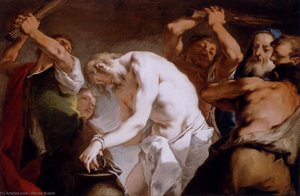
Nicola Grassi
1682 - 1748 , Italia
Breves datos
- Artistic Movement Or Style: Baroque/Rococo
- Artists Or Movements Influenced By This Artist: ['Nicolo Cassana']
- Artists Who Influenced This Artist: ['Antonio Carneo']
- Date Of Birth: April 7, 1682
- Date Of Death: October 6, 1748
- Full Name: Nicola Grassi
- Nationality: Italian
- Notable Artworks:
- The Flagellation of Christ
- St. Paul the Apostle
- Rebecca at the Well
- Place Of Birth: Formosa, Italy

