 Ver en contexto
 Enviar
 Compartir
 Detalles

 Descargar
 Similares
 Radiografía
 Presentación de diapositivas
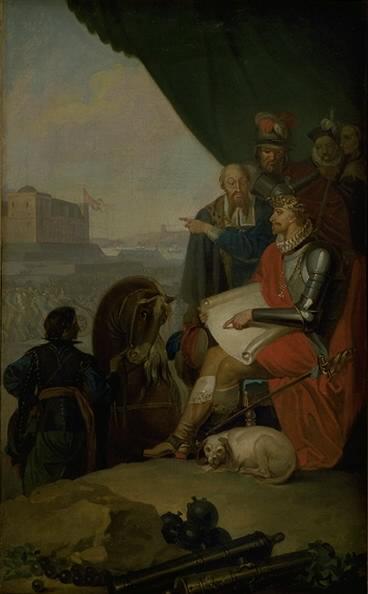
Frederik II Builds Kronberg Castle at Elsinore


 Ver más
Reproducción al óleo hecha a mano
Óleo sobre lienzo pintado a mano en el tamaño y marco de su elección, realizado por encargo por nuestros artistas. ( Comprar impresión Comprar imagen)




P118B $10

P118H $10

P118W $10

P438Z $10

P508JH $12

P508YH $12

P805H $10

P805Z $10

P919BZ $10

P919G $10

P919XJ $10

P959ZH $10

P968JZ $12

W106C $8

W218G $10

W218JH $8

W218Y $10

W307PJ $10

W316G $10

W316PJ $8

W316Y $10

W398PJ $8

W4111J $10

W500HY $15

W500JH $15

W692G $12

W849H $8

W940BG $15

W953PJ $8




Elija entre nuestros tamaños predefinidos que respetan las proporciones originales de la obra.

Puede ingresar sus propias dimensiones para adaptarse a un marco o espacio específico. Si el tamaño seleccionado no coincide con las proporciones de la imagen original, recortaremos la obra o extenderemos la pintura con elementos adicionales pintados a mano. Se le enviará una maqueta digital para su aprobación antes de comenzar la producción.
Tenga en cuenta que la vista previa en pantalla no refleja el recorte o la extensión reales. Solo la maqueta mostrará con precisión la composición final.
Si bien existen tamaños personalizados, recomendamos seleccionar una dimensión de la lista predefinida para preservar las proporciones originales.
Tras realizar el pedido, el equipo de ArtsDot.com enviará un correo electrónico al cliente para solicitar instrucciones y proporcionarle una vista previa del boceto.
Envío a todo el mundo () en 3-4 semanas en lugar de las 5 semanas estándar. (29 agosto). Sin comprometer la calidad.

Envío exprés gratuito a todo el mundo

Lienzo de lino de alta calidad

Seguro de envío total

Garantía de reembolso de impuestos aduaneros

Garantía de fidelidad cromática exacta

Política de devolución de 60 días (solo por defectos)

Garantía de devolución del 100% del dinero

Descuento por cantidad
 La opción de vidrio solo está disponible en tamaños inferiores a 110 cm.

Frederik II Builds Kronberg Castle at Elsinore
Técnica de reproducción
Dimensiones de la reproducción
-


Precio total final
$ 263
A Royal Vision: Nicolai Abildgaard’s “Frederik II Builds Kronberg Castle at Elsinore”
Nicolai Abraham Abildgaard's "Frederik II Builds Kronberg Castle at Elsinore," painted in 1781, is more than a historical record; it’s a meticulously crafted tableau of power, ambition, and the burgeoning Romantic sensibility taking hold in Denmark. The canvas breathes with a palpable sense of occasion, transporting the viewer to a pivotal moment in Danish history – the construction of Kronborg Castle, a formidable fortress that would become synonymous with Shakespeare's *Hamlet*. Abildgaard, a key figure in shaping the Danish artistic landscape, masterfully blends Neoclassical precision with an emerging emotional depth, creating an image both regal and profoundly human.
The scene unfolds within a carefully orchestrated composition. At its heart stands Frederik II, King of Denmark and Norway, depicted not as a distant sovereign but as an active participant in the castle’s genesis. He is seated upon a rearing horse, his armor gleaming under a dramatic, twilight sky – a deliberate choice that elevates him to a heroic stature, reminiscent of classical equestrian portraits. Around him cluster a group of advisors and builders, their postures conveying a sense of focused deliberation and shared purpose. The figures are rendered with remarkable detail; each face is etched with character, reflecting the weight of responsibility and the excitement of undertaking such an ambitious project. Notably, a loyal dog stands attentively at the King’s side, a subtle yet poignant symbol of fidelity and companionship within the realm of power.
The Brushstrokes of Romanticism
Abildgaard's technique is characterized by a remarkable ability to capture both the grandeur of the subject matter and the nuances of human emotion. He employs a rich, layered application of paint – a hallmark of his style – creating a sense of depth and texture that draws the eye into the scene. The use of light and shadow is particularly effective, casting dramatic highlights on Frederik II’s armor and highlighting the faces of the figures, imbuing them with an almost theatrical intensity. The artist skillfully utilizes atmospheric perspective, blurring the distant elements to create a sense of vastness and emphasizing the immediate foreground, anchoring the viewer within the scene.
Crucially, Abildgaard’s work transcends mere historical documentation. It's infused with Romantic ideals – an emphasis on emotion, imagination, and the sublime beauty of nature. The stormy sky, the imposing castle walls, and the heroic posture of Frederik II all contribute to a sense of awe and wonder. This is not simply a depiction of construction; it’s a celebration of human endeavor, ambition, and the enduring legacy of a king.
Symbolism and Historical Context
The painting's symbolism is layered and rich in meaning. Kronborg Castle itself represents Danish power, resilience, and strategic importance – a testament to Frederik II’s vision for his kingdom. The horse symbolizes strength, nobility, and the warrior spirit. Frederik II’s book, held with deliberate poise, suggests wisdom, governance, and intellectual pursuits alongside martial prowess. The inclusion of the dog is particularly noteworthy; it speaks to loyalty, protection, and the intimate connection between a ruler and his people.
Painted in 1781, the work reflects the political climate of Denmark at the time. Frederik II was a complex figure – a military leader, a patron of the arts, and a staunch defender of Danish autonomy. The construction of Kronborg Castle was not merely an architectural undertaking; it was a powerful statement of national pride and a symbol of his reign. The painting served as both a historical record and a carefully crafted propaganda piece, glorifying the king’s achievements and reinforcing his image as a benevolent and capable ruler.
A Legacy in Reproduction
Today, “Frederik II Builds Kronberg Castle at Elsinore” stands as a cornerstone of Danish art history. Reproductions offer an accessible way to appreciate Abildgaard's masterful artistry and the profound historical context of this iconic image. When selecting a reproduction, consider the quality of materials and printing techniques – ensuring that the colors and details faithfully capture the nuances of the original painting. This artwork’s enduring appeal lies not only in its aesthetic beauty but also in its ability to transport us back in time, offering a glimpse into the heart of Danish history and the visionary spirit of its most celebrated rulers.
Obras relacionadas
Biografía del artista
Primeros Años y Educación
- Nacido: 11 de septiembre de 1743, Copenhague, Dinamarca
- Padres: Søren Abildgaard (cartógrafo antiguo) y Anne Margrethe Bastholm
- Recibió formación temprana con un maestro pintor.
- Se unió a la Nueva Real Academia de Arte de Dinamarca (Det Kongelige Danske Kunstakademi) en Copenhague en 1764.
- Ganó varias medallas en la academia desde 1764 hasta 1767, demostrando una brillantez temprana.
- Recibió una beca de viaje en 1767, que utilizó cinco años después.
- Estudió bajo Johan Edvard Mandelberg y Johannes Wiedewelt en la Academia.
Período Romano y Desarrollo Artístico (1772-1777)
- Viajó a Roma desde 1772 hasta 1777, un período crucial en su desarrollo artístico.
- Estudió escultura, arquitectura, decoración, frescos (en el Palacio Farnesio) y murales.
- Visitó Nápoles en 1776 con Jens Juel.
- Se centró en desarrollar habilidades en la pintura histórica.
- Sacó inspiración de los frescos de Annibale Carracci, Rafael, Tiziano y Miguel Ángel.
- Se alejó del clasicismo estricto, influenciado por artistas como Johan Tobias Sergel y Johann Heinrich Füssli.
- Desarrolló una apreciación por la literatura que incluía a Shakespeare, Homero y Ossian.
Regreso a Dinamarca y Comisiones Reales
- Regresó a Copenhague en diciembre de 1777.
- Fue nombrado profesor en la Academia en 1778.
- Se convirtió en pintor histórico real alrededor de 1780.
- Recibió una comisión significativa del gobierno danés: pintar una historia de Dinamarca para la Sala de los Caballeros (Riddersal) en el Palacio Christiansborg.
- Este proyecto implicó obras monumentales que combinaban representaciones históricas, elementos alegóricos y referencias mitológicas diseñadas para glorificar a la monarquía.
- Trabajó con Johan Edvard Mandelberg en las decoraciones del Palacio de Fredensborg.
Obras Principales y Estilo Artístico
- Pinturas Notables: "Cristián I Eleva Holstein al Ducado en 1474", "La Pesadilla", "Retrato de Nicolai Abraham Abildgaard", "El Fantasma de Culmin Aparece a su Madre", "Escenas de 'El Viaje Subterráneo de Niels Klim'", "La Comadrona se Despide de la Chica de Andros (de Terencio)", "Magnus Stenbock se Rinde a Frederik IV en 1714", "Nudo masculino sentado con la cara parcialmente cubierta por sus brazos levantados", “Audhumla”, y "El Filoctetes Herido".
- Estilo Artístico: El estilo de Abildgaard combinaba elementos neoclásicos con influencias románticas emergentes. Incorporó alegoría pictórica, utilizando símbolos para transmitir ideas a un público culto. Sus obras a menudo presentaban una iluminación dramática, colores ricos y detalles meticulosos.
- Temas: Exploró temas de la mitología griega y nórdica, eventos históricos y narrativas literarias.
Legado e Influencia
- Fue director de la Academia durante 1789–1791 y 1801–1809.
- Enseñó a artistas influyentes como Asmus Jacob Carstens, Bertel Thorvaldsen, J. L. Lund y Christoffer Wilhelm Eckersberg.
- Eckersberg, su alumno, se hizo conocido como el "padre de la pintura danesa" y sentó las bases para la Edad Dorada de la Pintura Danesa.
- Falleció el 14 de noviembre de 1809 en Copenhague.
- Su trabajo influyó significativamente en el desarrollo del Romanticismo nórdico y contribuyó al panorama artístico de Dinamarca.
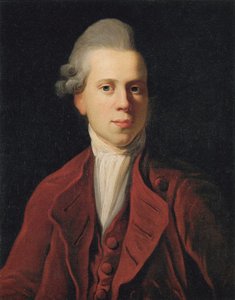
Nicolai Abraham Abildgaard
1743 - 1809 , Dinamarca
Datos clave
- Artistas Influenciados:
- Asmus Jacob Carstens
- Bertel Thorvaldsen
- Christoffer Wilhelm Eckersberg
- Artistas Que Influyeron:
- Annibale Carracci
- Rafael
- Tiziano
- Miguel Ángel
- Fecha De Nacimiento: 11 de septiembre de 1743
- Lugar De Nacimiento: Copenhague, Dinamarca
- Movimiento Artístico: Neoclasicismo, pintura histórica real
- Nacionalidad: Danés
- Nombre Completo: Nicolai Abraham Abildgaard
- Obras Notables:
- Christian I Eleva Holstein
- La pesadilla
- Retrato de N. A. Abildgaard
- El fantasma de Culmin
- Escenas de 'Viaje subterráneo'
- La partera se despide
- Magnus Stenbock se rinde
- Nude masculino sentado
- Audhumla
- El herido Filoctetes
Artículos relacionados
John Francis Sartorius II: Equestrian Elegance & the Rise of British Portraiture
Explore the captivating world of Francis Sartorius II (1734-1804), a leading British painter renowned for his exquisite equestrian portraits and hunting scenes. Discover his life, techniques & enduring legacy.
Peder Mørk Mønsted: Capturing the Danish Golden Age Landscape – A Study in Atmospheric Realism
Explore the captivating landscapes of Peder Mørk Mønsted, a master of Danish Golden Age realism. Discover his atmospheric techniques, influences, and enduring legacy in our expert analysis.
Peder Severin Krøyer: Capturing the Ephemeral Light of Danish Modern Life
Explore the luminous world of Peder Severin Krøyer, a master of Danish Impressionism. Discover his iconic Skagen paintings, artistic evolution, and lasting legacy. Learn about collecting Krøyer's works & find museum-quality reproductions.
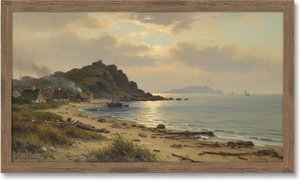
Søren Emil Carlsen: A Study in Danish Luminism & Atmospheric Realism
Explore the captivating world of Søren Emil Carlsen, a master of Danish Luminism and American Impressionism. Discover his exquisite still lifes & landscapes – a study in realism, atmosphere, and enduring artistic beauty.
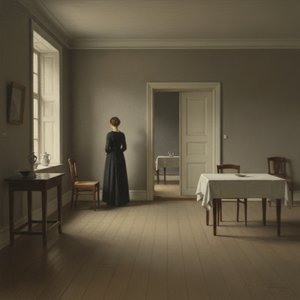
Vilhelm Hammershøi: Exploring Interiority, Light & Absence – A Danish Master for the Elite Collector
Discover the captivating world of Vilhelm Hammershøi with ArtsDot. Explore his serene interiors, masterful use of light & symbolism. Expert insights for discerning collectors and art enthusiasts.