 Ver en contexto
 Enviar
 Compartir
 Detalles

 Descargar
 Similares
 Radiografía
 Presentación de diapositivas
 Estadísticas
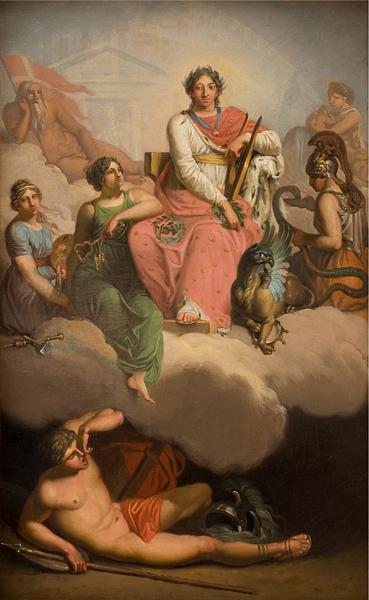
Frederik V as Patron of Science and Arts


 Ver más
Giclée / Impresión de arte
Impresiones giclée o en lienzo de calidad de museo con producción rápida y opciones de acabado flexibles. ( Comprar pintura hecha a mano Cambiar a imagen digital)




P118B $10

P118H $10

P118W $10

P438Z $10

P508JH $12

P508YH $12

P805H $10

P805Z $10

P919BZ $10

P919G $10

P919XJ $10

P959ZH $10

P968JZ $12

W106C $8

W218G $10

W218JH $8

W218Y $10

W307PJ $10

W316G $10

W316PJ $8

W316Y $10

W398PJ $8

W4111J $10

W500HY $15

W500JH $15

W692G $12

W849H $8

W940BG $15

W953PJ $8




Elija entre nuestros tamaños predefinidos que respetan las proporciones originales de la obra.

Puede introducir sus propias dimensiones para adaptarse a un marco o espacio específico. Si el tamaño seleccionado no coincide con las proporciones de la imagen original, recortaremos la obra de arte o extenderemos la imagen con un borde con efecto espejo o de color sólido. Se enviará una maqueta digital para su aprobación antes de que comience la producción.
Tenga en cuenta que la vista previa en pantalla no refleja el recorte o la extensión real. Solo la maqueta mostrará con precisión la composición final.
Aunque existen tamaños personalizados, recomendamos seleccionar una dimensión de la lista predefinida para preservar las proporciones originales.
Envío a todo el mundo () en 2 semanas en lugar de las 4/5 semanas estándar. (9 septiembre)

Envío exprés gratuito a todo el mundo

Lienzo de lino de alta calidad

Seguro de envío total

Garantía de reembolso de impuestos aduaneros

Garantía de fidelidad cromática exacta

Política de devolución de 100 días (solo por defectos)

Garantía de devolución del 100% del dinero

Descuento por cantidad
 La opción de vidrio solo está disponible en tamaños inferiores a 110 cm.

Frederik V as Patron of Science and Arts
Giclée / Impresión de arte
Dimensiones de la reproducción
-


Precio total final
$ 62
A Royal Vision of Enlightenment
In the grand tapestry of Danish Neoclassicism, few works capture the harmonious intersection of power and intellect as gracefully as Nicolai Abraham Abildgaard’s "Frederik V as Patron of Science and Arts." Painted in 1787, this masterpiece serves as more than a mere portrait; it is a profound visual manifesto of the Age of Enlightenment. Through his masterful brushwork, Abildgaard invites the viewer into a world where the monarch is not merely a ruler of men, but a guardian of human progress. The composition breathes with a sense of noble purpose, presenting Frederik V not through the lens of military conquest, but as a sophisticated steward of the sciences and the fine arts.
The scene unfolds with a captivating complexity that draws the eye across a landscape of symbolic richness. At first glance, one might be struck by the dynamic presence of figures—a woman mounted upon a horse, surrounded by an assembly that suggests both courtly elegance and scholarly gathering. Abildargard utilizes a sophisticated palette to weave these elements together, creating a sense of depth and movement. The inclusion of animals, such as the watchful dogs positioned near the center and the periphery, adds a layer of naturalistic vitality to the formal setting, grounding the lofty themes of the painting in a tangible, living reality.
Symbolism and the Language of Progress
Every object meticulously placed within this composition serves as a silent orator, speaking to the virtues of the era. Abildgaard, deeply influenced by his classical training at the New Royal Danish Academy of Art, embeds subtle allegories throughout the frame. A book rests near the heart of the scene, representing the enduring weight of knowledge and the preservation of history. Nearby, a sword stands as a reminder of the sovereign's duty to protect the realm, yet it is balanced by more delicate symbols of culture, such as the presence of birds in the upper reaches of the canvas, which evoke the fleeting beauty of inspiration and the soaring heights of creative thought.
For the discerning collector or interior designer, these details offer an endless well of narrative depth. The interplay between the ruggedness of the sword and the refinement of the scholarly objects creates a tension that is both intellectually stimulating and visually arresting. This duality makes the piece an extraordinary focal point for any curated space, particularly those seeking to evoke an atmosphere of heritage, wisdom, and timeless sophistication. It is a work that does not merely decorate a wall; it commands the room with its historical gravity.
A Legacy for the Modern Collector
To possess a reproduction of this caliber is to bring a piece of European history into the contemporary home. Abildgaard’s technique, characterized by a seamless blend of Neoclassical precision and burgeoning Romantic emotion, ensures that the painting remains visually relevant across centuries. The way light dances upon the textures of fabric, metal, and nature provides a sensory experience that elevates the aesthetic quality of any interior design scheme.
Whether placed in a grand library, a formal dining hall, or a modern study, "Frederik V as Patron of Science and Arts" acts as a window into a golden age of discovery. It offers an emotional resonance that speaks to our shared human desire for enlightenment and the pursuit of excellence. For those who appreciate art that tells a story of leadership, intellect, and the enduring beauty of the human spirit, this work stands as an incomparable treasure.
Obras relacionadas
Biografía del artista
Primeros Años y Educación
- Nacido: 11 de septiembre de 1743, Copenhague, Dinamarca
- Padres: Søren Abildgaard (cartógrafo antiguo) y Anne Margrethe Bastholm
- Recibió formación temprana con un maestro pintor.
- Se unió a la Nueva Real Academia de Arte de Dinamarca (Det Kongelige Danske Kunstakademi) en Copenhague en 1764.
- Ganó varias medallas en la academia desde 1764 hasta 1767, demostrando una brillantez temprana.
- Recibió una beca de viaje en 1767, que utilizó cinco años después.
- Estudió bajo Johan Edvard Mandelberg y Johannes Wiedewelt en la Academia.
Período Romano y Desarrollo Artístico (1772-1777)
- Viajó a Roma desde 1772 hasta 1777, un período crucial en su desarrollo artístico.
- Estudió escultura, arquitectura, decoración, frescos (en el Palacio Farnesio) y murales.
- Visitó Nápoles en 1776 con Jens Juel.
- Se centró en desarrollar habilidades en la pintura histórica.
- Sacó inspiración de los frescos de Annibale Carracci, Rafael, Tiziano y Miguel Ángel.
- Se alejó del clasicismo estricto, influenciado por artistas como Johan Tobias Sergel y Johann Heinrich Füssli.
- Desarrolló una apreciación por la literatura que incluía a Shakespeare, Homero y Ossian.
Regreso a Dinamarca y Comisiones Reales
- Regresó a Copenhague en diciembre de 1777.
- Fue nombrado profesor en la Academia en 1778.
- Se convirtió en pintor histórico real alrededor de 1780.
- Recibió una comisión significativa del gobierno danés: pintar una historia de Dinamarca para la Sala de los Caballeros (Riddersal) en el Palacio Christiansborg.
- Este proyecto implicó obras monumentales que combinaban representaciones históricas, elementos alegóricos y referencias mitológicas diseñadas para glorificar a la monarquía.
- Trabajó con Johan Edvard Mandelberg en las decoraciones del Palacio de Fredensborg.
Obras Principales y Estilo Artístico
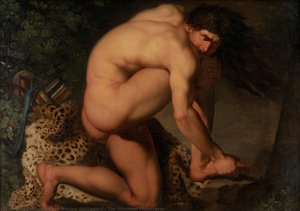
- Pinturas Notables: "Cristián I Eleva Holstein al Ducado en 1474", "La Pesadilla", "Retrato de Nicolai Abraham Abildgaard", "El Fantasma de Culmin Aparece a su Madre", "Escenas de 'El Viaje Subterráneo de Niels Klim'", "La Comadrona se Despide de la Chica de Andros (de Terencio)", "Magnus Stenbock se Rinde a Frederik IV en 1714", "Nudo masculino sentado con la cara parcialmente cubierta por sus brazos levantados", “Audhumla”, y "El Filoctetes Herido".
- Estilo Artístico: El estilo de Abildgaard combinaba elementos neoclásicos con influencias románticas emergentes. Incorporó alegoría pictórica, utilizando símbolos para transmitir ideas a un público culto. Sus obras a menudo presentaban una iluminación dramática, colores ricos y detalles meticulosos.
- Temas: Exploró temas de la mitología griega y nórdica, eventos históricos y narrativas literarias.
Legado e Influencia
- Fue director de la Academia durante 1789–1791 y 1801–1809.
- Enseñó a artistas influyentes como Asmus Jacob Carstens, Bertel Thorvaldsen, J. L. Lund y Christoffer Wilhelm Eckersberg.
- Eckersberg, su alumno, se hizo conocido como el "padre de la pintura danesa" y sentó las bases para la Edad Dorada de la Pintura Danesa.
- Falleció el 14 de noviembre de 1809 en Copenhague.
- Su trabajo influyó significativamente en el desarrollo del Romanticismo nórdico y contribuyó al panorama artístico de Dinamarca.
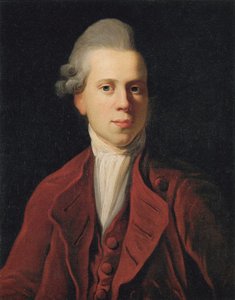
Nicolai Abraham Abildgaard
1743 - 1809 , Dinamarca
Datos clave
- Artistas Influenciados:
- Asmus Jacob Carstens
- Bertel Thorvaldsen
- Christoffer Wilhelm Eckersberg
- Artistas Que Influyeron:
- Annibale Carracci
- Rafael
- Tiziano
- Miguel Ángel
- Fecha De Nacimiento: 11 de septiembre de 1743
- Lugar De Nacimiento: Copenhague, Dinamarca
- Movimiento Artístico: Neoclasicismo, pintura histórica real
- Nacionalidad: Danés
- Nombre Completo: Nicolai Abraham Abildgaard
- Obras Notables:
- Christian I Eleva Holstein
- La pesadilla
- Retrato de N. A. Abildgaard
- El fantasma de Culmin
- Escenas de 'Viaje subterráneo'
- La partera se despide
- Magnus Stenbock se rinde
- Nude masculino sentado
- Audhumla
- El herido Filoctetes
Artículos relacionados

The Visceral Stage: Exploring Dramatic Narratives & Emotional Intensity in Baroque Art
Explore the dramatic world of Baroque art! Discover iconic masters like Caravaggio & Rembrandt, their techniques, and the movement's lasting impact. Expert insights for collectors & enthusiasts at ArtsDot.

The Dramatic Flourish: Exploring the Baroque Movement's Enduring Legacy in Art History
Explore the dramatic world of Baroque art! Discover iconic artists like Caravaggio & Rubens, defining techniques, and its lasting impact on art history. Expert insights for collectors & enthusiasts at ArtsDot.

Drama Barroca: Llevando la Grandeza y la Emoción a los Interiores Contemporáneos
Descubre cómo el drama y la grandeza del arte barroco pueden transformar tus interiores. Guía experta, inspiración y reproducciones de alta calidad en .

Barroco Sublime: 10 Obras Maestras que Definieron una Época |
Descubre las 10 obras maestras del Barroco que marcaron una época. Caravaggio, Bernini y Velázquez cobran vida en . Reproducciones de arte de calidad museo para decorar tu hogar con elegancia. ¡Explora la colección online!
Theatricality & Triumph: Baroque Drama in Painting & Sculpture
Explore the dramatic world of Baroque art! Discover its history, defining characteristics, & lasting influence on painting & sculpture. Expert insights into Caravaggio, Zurbarán, and Bernini – plus high-quality reproductions at ArtsDot.