 Ver en contexto
 Enviar
 Compartir
 Detalles

 Descargar
 Similares
 Radiografía
 Presentación de diapositivas
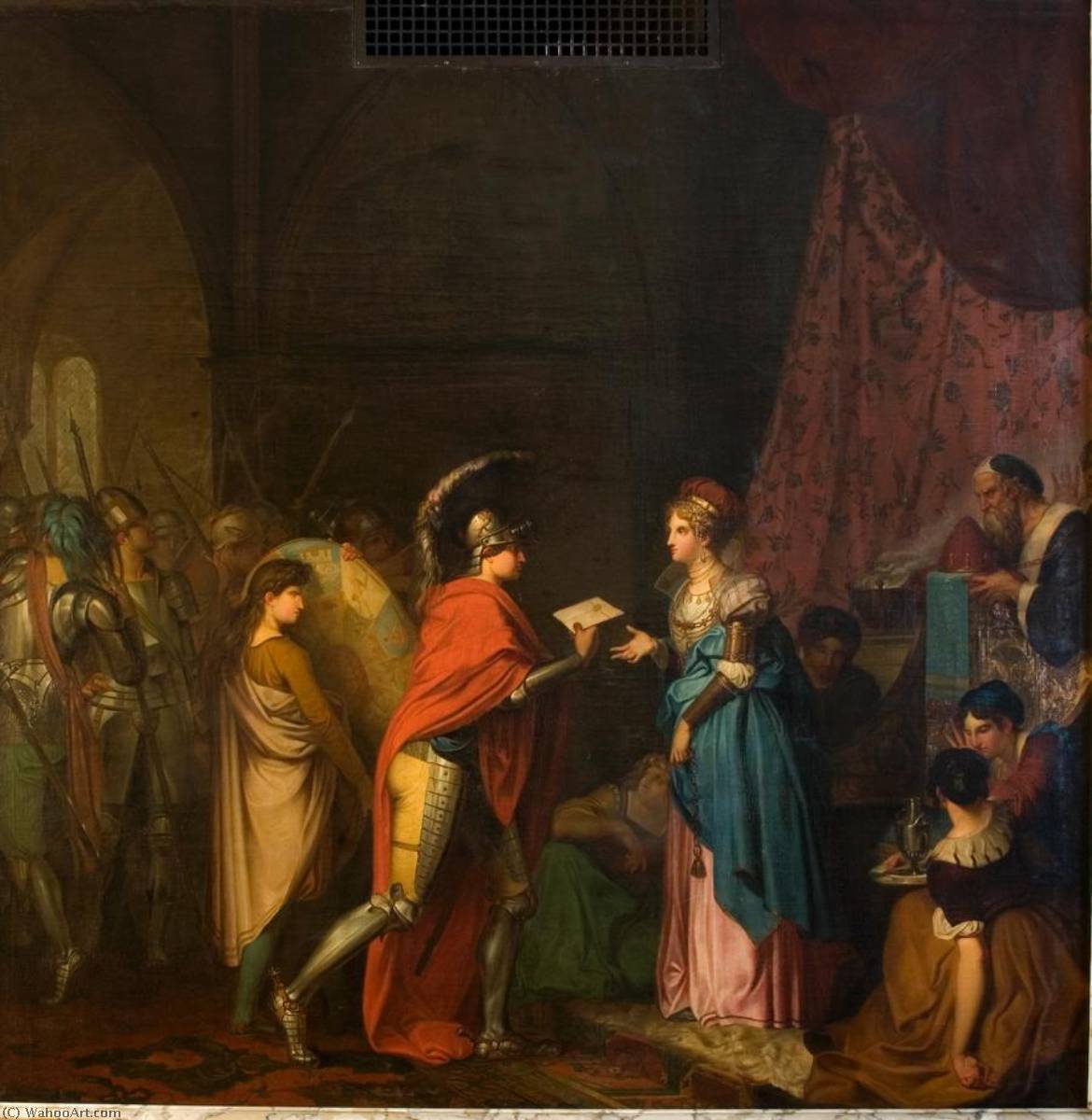
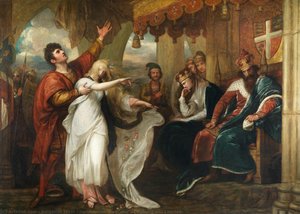
Hamlet Delivering a Letter Written by Himself to the Queen of Scotland
 Oil On Canvas
- WallArt
- Neoclassical Romanticism
 1776
1776- 19th Century
 255.0 x 257.0 cm
 Museo Nacional de Dinamarca
 Ver más
Giclée / Impresión de arte
Impresiones giclée o en lienzo de calidad de museo con producción rápida y opciones de acabado flexibles. ( Comprar pintura hecha a mano Comprar imagen)




P118B $10

P118H $10

P118W $10

P438Z $10

P508JH $12

P508YH $12

P805H $10

P805Z $10

P919BZ $10

P919G $10

P919XJ $10

P959ZH $10

P968JZ $12

W106C $8

W218G $10

W218JH $8

W218Y $10

W307PJ $10

W316G $10

W316PJ $8

W316Y $10

W398PJ $8

W4111J $10

W500HY $15

W500JH $15

W692G $12

W849H $8

W940BG $15

W953PJ $8




Elija entre nuestros tamaños predefinidos que respetan las proporciones originales de la obra.

Puede introducir sus propias dimensiones para adaptarse a un marco o espacio específico. Si el tamaño seleccionado no coincide con las proporciones de la imagen original, recortaremos la obra de arte o extenderemos la imagen con un borde con efecto espejo o de color sólido. Se enviará una maqueta digital para su aprobación antes de que comience la producción.
Tenga en cuenta que la vista previa en pantalla no refleja el recorte o la extensión real. Solo la maqueta mostrará con precisión la composición final.
Aunque existen tamaños personalizados, recomendamos seleccionar una dimensión de la lista predefinida para preservar las proporciones originales.
Envío a todo el mundo () en 2 semanas en lugar de las 4/5 semanas estándar. (26 agosto)

Envío exprés gratuito a todo el mundo

Lienzo de lino de alta calidad

Seguro de envío total

Garantía de reembolso de impuestos aduaneros

Garantía de fidelidad cromática exacta

Política de devolución de 60 días (solo por defectos)

Garantía de devolución del 100% del dinero

Descuento por cantidad
 La opción de vidrio solo está disponible en tamaños inferiores a 110 cm.

Hamlet Delivering a Letter Written by Himself to the Queen of Scotland
Giclée / Impresión de arte
Dimensiones de la reproducción
-


Precio total final
$ 62
Descripción de la pieza
A Moment Frozen in Time: Exploring Abildgaard’s Hamlet Delivering a Letter
Nicolai Abraham Abildgaard's monumental canvas, “Hamlet Delivering a Letter Written by Himself to the Queen of Scotland,” transcends mere depiction; it embodies the spirit of Neoclassical idealism intertwined with burgeoning Romantic emotion. Painted in 1776, this artwork isn’t simply a visual representation of Shakespeare’s iconic drama but rather a carefully constructed dialogue between artistic tradition and emerging sensibilities—a conversation that continues to resonate with audiences today. Measuring an impressive 255 x 257 cm, the painting commands attention, transporting viewers back to Copenhagen's Royal Academy during Abildgaard’s formative years as an artist.The Canvas of Classical Idealism
Abildgaard’s stylistic allegiance firmly rests within the Neoclassical movement, a reaction against the excesses of Rococo and championed by figures like Jacques-Louis David. However, subtle hints of Romantic fervor permeate the composition—particularly evident in the dramatic lighting and expressive gestures of the central characters. The artist meticulously adheres to classical principles of proportion and balance, mirroring the grandeur of Roman sculpture and architecture. Notice how the figures are positioned with deliberate precision, conveying nobility and dignity – characteristics synonymous with the era’s artistic vision. This careful attention to form speaks volumes about Abildgaard's dedication to mastering the techniques honed by his predecessors.A Scene from Shakespeare Brought to Life
The painting captures a pivotal scene from Hamlet—the clandestine exchange between Prince Hamlet and Queen Elizabeth I, orchestrated by Hamlet himself. The letter symbolizes Hamlet’s determination to confront the queen directly regarding Claudius’s usurpation of the throne and Gertrude's complicity in his father’s murder. This gesture embodies intellectual courage and moral conviction – themes central to Shakespeare’s exploration of human psychology. Abildgaard skillfully portrays Elizabeth I as a regal figure, radiating authority and composure, while Hamlet exudes vulnerability beneath his armor—a juxtaposition that underscores the complexities inherent in the narrative.Symbolism Woven into Detail
Beyond the immediate depiction of the characters, numerous symbolic elements enrich the artwork’s meaning. The swords flanking the scene represent justice and retribution – mirroring Hamlet's quest for vengeance. Simultaneously, the book symbolizes knowledge and contemplation—suggesting that this royal audience is convened to grapple with weighty moral dilemmas. Furthermore, Abildgaard’s masterful use of chiaroscuro—the dramatic interplay between light and shadow—creates an atmosphere of solemn grandeur, amplifying the emotional impact of the scene. The artist expertly manipulates tonal values to heighten tension and convey a sense of profound seriousness.Emotional Resonance: A Legacy Enduring Through Reproduction
“Hamlet Delivering a Letter Written by Himself to the Queen of Scotland” isn’t merely a historical record; it's an emotionally charged portrayal of human ambition, morality, and responsibility. Abildgaard succeeds in capturing the essence of Shakespeare’s drama—a timeless exploration of grief, betrayal, and the struggle for truth. Today, reproductions of this masterpiece offer art lovers and interior designers alike the opportunity to experience its grandeur and contemplate its enduring themes. Bringing Abildgaard's vision into your home allows you to engage with a pivotal moment in artistic history and appreciate the profound beauty of Neoclassical idealism infused with Romantic passion.Obras relacionadas



Biografía del artista
Primeros Años y Educación
- Nacido: 11 de septiembre de 1743, Copenhague, Dinamarca
- Padres: Søren Abildgaard (cartógrafo antiguo) y Anne Margrethe Bastholm
- Recibió formación temprana con un maestro pintor.
- Se unió a la Nueva Real Academia de Arte de Dinamarca (Det Kongelige Danske Kunstakademi) en Copenhague en 1764.
- Ganó varias medallas en la academia desde 1764 hasta 1767, demostrando una brillantez temprana.
- Recibió una beca de viaje en 1767, que utilizó cinco años después.
- Estudió bajo Johan Edvard Mandelberg y Johannes Wiedewelt en la Academia.
Período Romano y Desarrollo Artístico (1772-1777)
- Viajó a Roma desde 1772 hasta 1777, un período crucial en su desarrollo artístico.
- Estudió escultura, arquitectura, decoración, frescos (en el Palacio Farnesio) y murales.
- Visitó Nápoles en 1776 con Jens Juel.
- Se centró en desarrollar habilidades en la pintura histórica.
- Sacó inspiración de los frescos de Annibale Carracci, Rafael, Tiziano y Miguel Ángel.
- Se alejó del clasicismo estricto, influenciado por artistas como Johan Tobias Sergel y Johann Heinrich Füssli.
- Desarrolló una apreciación por la literatura que incluía a Shakespeare, Homero y Ossian.
Regreso a Dinamarca y Comisiones Reales
- Regresó a Copenhague en diciembre de 1777.
- Fue nombrado profesor en la Academia en 1778.
- Se convirtió en pintor histórico real alrededor de 1780.
- Recibió una comisión significativa del gobierno danés: pintar una historia de Dinamarca para la Sala de los Caballeros (Riddersal) en el Palacio Christiansborg.
- Este proyecto implicó obras monumentales que combinaban representaciones históricas, elementos alegóricos y referencias mitológicas diseñadas para glorificar a la monarquía.
- Trabajó con Johan Edvard Mandelberg en las decoraciones del Palacio de Fredensborg.
Obras Principales y Estilo Artístico
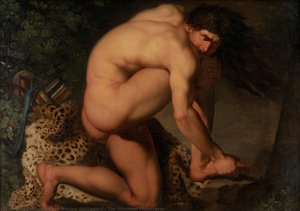
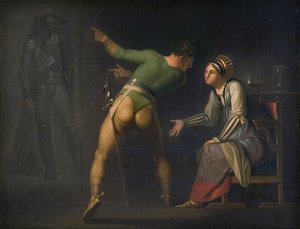
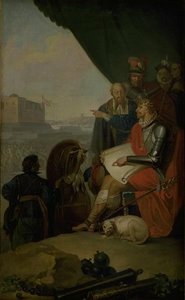
- Pinturas Notables: "Cristián I Eleva Holstein al Ducado en 1474", "La Pesadilla", "Retrato de Nicolai Abraham Abildgaard", "El Fantasma de Culmin Aparece a su Madre", "Escenas de 'El Viaje Subterráneo de Niels Klim'", "La Comadrona se Despide de la Chica de Andros (de Terencio)", "Magnus Stenbock se Rinde a Frederik IV en 1714", "Nudo masculino sentado con la cara parcialmente cubierta por sus brazos levantados", “Audhumla”, y "El Filoctetes Herido".
- Estilo Artístico: El estilo de Abildgaard combinaba elementos neoclásicos con influencias románticas emergentes. Incorporó alegoría pictórica, utilizando símbolos para transmitir ideas a un público culto. Sus obras a menudo presentaban una iluminación dramática, colores ricos y detalles meticulosos.
- Temas: Exploró temas de la mitología griega y nórdica, eventos históricos y narrativas literarias.
Legado e Influencia
- Fue director de la Academia durante 1789–1791 y 1801–1809.
- Enseñó a artistas influyentes como Asmus Jacob Carstens, Bertel Thorvaldsen, J. L. Lund y Christoffer Wilhelm Eckersberg.
- Eckersberg, su alumno, se hizo conocido como el "padre de la pintura danesa" y sentó las bases para la Edad Dorada de la Pintura Danesa.
- Falleció el 14 de noviembre de 1809 en Copenhague.
- Su trabajo influyó significativamente en el desarrollo del Romanticismo nórdico y contribuyó al panorama artístico de Dinamarca.
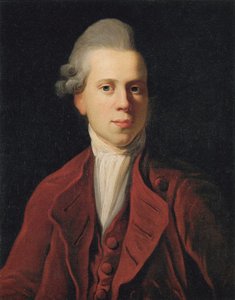
Nicolai Abraham Abildgaard
1743 - 1809 , Dinamarca
Datos clave
- Artistas Influenciados:
- Asmus Jacob Carstens
- Bertel Thorvaldsen
- Christoffer Wilhelm Eckersberg
- Artistas Que Influyeron:
- Annibale Carracci
- Rafael
- Tiziano
- Miguel Ángel
- Fecha De Nacimiento: 11 de septiembre de 1743
- Lugar De Nacimiento: Copenhague, Dinamarca
- Movimiento Artístico: Neoclasicismo, pintura histórica real
- Nacionalidad: Danés
- Nombre Completo: Nicolai Abraham Abildgaard
- Obras Notables:
- Christian I Eleva Holstein
- La pesadilla
- Retrato de N. A. Abildgaard
- El fantasma de Culmin
- Escenas de 'Viaje subterráneo'
- La partera se despide
- Magnus Stenbock se rinde
- Nude masculino sentado
- Audhumla
- El herido Filoctetes
Artículos relacionados

The Enduring Legacy of Oil on Canvas: Technique, History & Aesthetic Impact
Explore the rich history & techniques of oil painting – from Renaissance masters to Impressionism. Discover pigments, layering methods, and why this timeless medium endures. Expert insights for artists & art enthusiasts.

El Óleo sobre Lienzo: Historia, Técnica y la Persistencia de un Medio Artístico Atemporal
Descubre la historia y técnica del óleo sobre lienzo. Explora reproducciones fieles hechas a mano, personalización artística y consejos de expertos con ArtsDot. ¡Colecciona arte con confianza!

The Enduring Power of Painting: A Historical & Contemporary Exploration of Form and Emotion
Explore the rich history & enduring techniques of oil painting with ArtsDot. Discover masterpieces, learn about art collecting, and find authentic handmade reproductions crafted by skilled artists.

El Legado Duradero del Óleo sobre Lienzo: Técnica, Historia y Práctica Contemporánea
Descubre la historia y técnica del óleo sobre lienzo. Explora reproducciones fieles hechas a mano, personalización artística y consejos de expertos con .
10 Obras Maestras al Óleo sobre Tabla que Revolucionaron la Historia del Arte | ArtsDot
Descubre 10 obras maestras al óleo sobre tabla que revolucionaron el arte. Explora la historia de Van Gogh, Monet y otros artistas clave. Encuentra reproducciones de alta calidad e inspírate para decorar tu hogar con ArtsDot.com.