 Ver en contexto
 Enviar
 Compartir
 Detalles

 Descargar
 Similares
 Radiografía
 Presentación de diapositivas
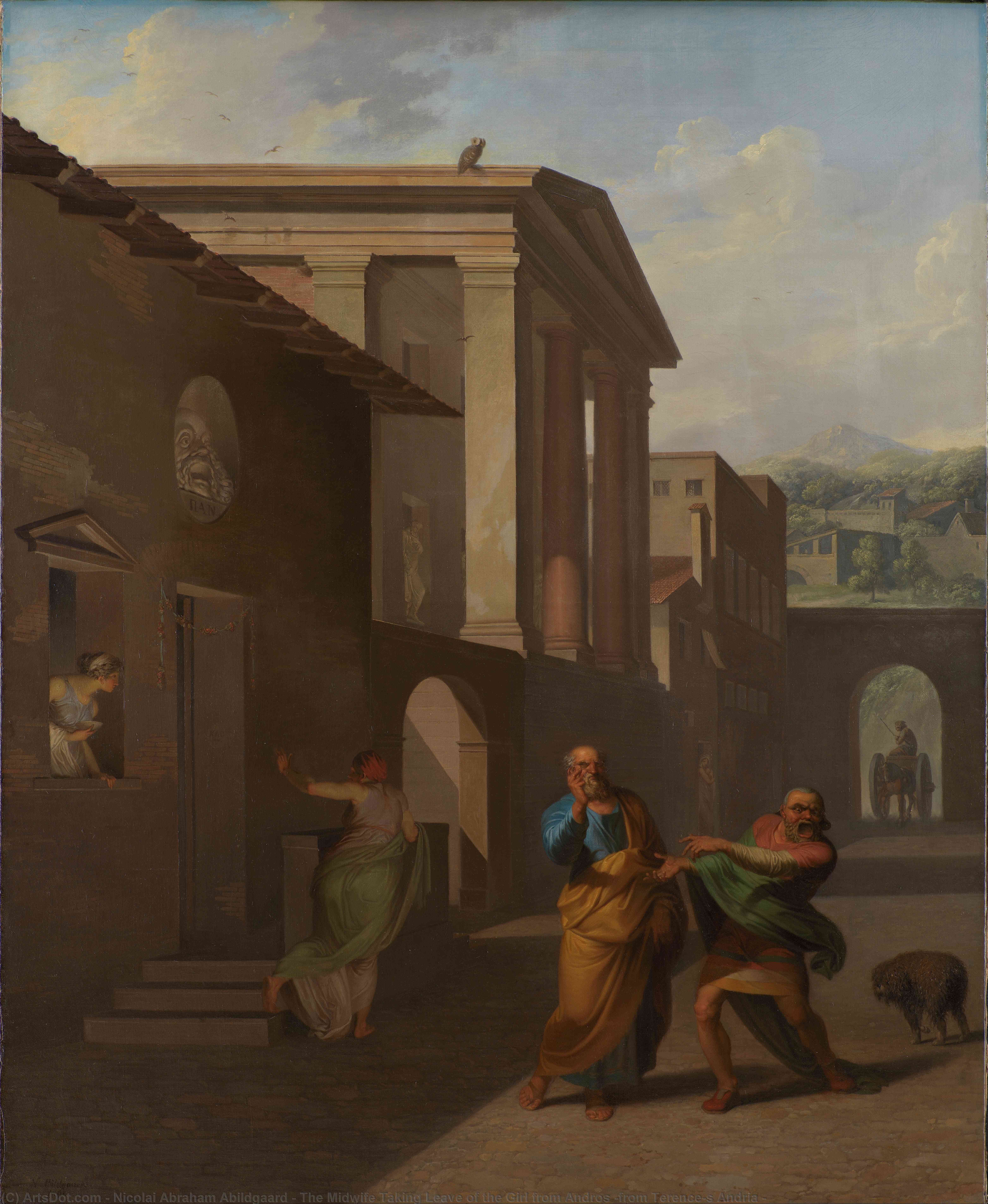
The Midwife Taking Leave of the Girl from Andros (from Terence's Andria )


 Ver más
Reproducción al óleo hecha a mano
Óleo sobre lienzo pintado a mano en el tamaño y marco de su elección, realizado por encargo por nuestros artistas. ( Comprar impresión Comprar imagen)




P118B $10

P118H $10

P118W $10

P438Z $10

P508JH $12

P508YH $12

P805H $10

P805Z $10

P919BZ $10

P919G $10

P919XJ $10

P959ZH $10

P968JZ $12

W106C $8

W218G $10

W218JH $8

W218Y $10

W307PJ $10

W316G $10

W316PJ $8

W316Y $10

W398PJ $8

W4111J $10

W500HY $15

W500JH $15

W692G $12

W849H $8

W940BG $15

W953PJ $8




Elija entre nuestros tamaños predefinidos que respetan las proporciones originales de la obra.

Puede ingresar sus propias dimensiones para adaptarse a un marco o espacio específico. Si el tamaño seleccionado no coincide con las proporciones de la imagen original, recortaremos la obra o extenderemos la pintura con elementos adicionales pintados a mano. Se le enviará una maqueta digital para su aprobación antes de comenzar la producción.
Tenga en cuenta que la vista previa en pantalla no refleja el recorte o la extensión reales. Solo la maqueta mostrará con precisión la composición final.
Si bien existen tamaños personalizados, recomendamos seleccionar una dimensión de la lista predefinida para preservar las proporciones originales.
Tras realizar el pedido, el equipo de ArtsDot.com enviará un correo electrónico al cliente para solicitar instrucciones y proporcionarle una vista previa del boceto.
Envío a todo el mundo () en 3-4 semanas en lugar de las 5 semanas estándar. (6 septiembre). Sin comprometer la calidad.

Envío exprés gratuito a todo el mundo

Lienzo de lino de alta calidad

Seguro de envío total

Garantía de reembolso de impuestos aduaneros

Garantía de fidelidad cromática exacta

Política de devolución de 100 días (solo por defectos)

Garantía de devolución del 100% del dinero

Descuento por cantidad
 La opción de vidrio solo está disponible en tamaños inferiores a 110 cm.

The Midwife Taking Leave of the Girl from Andros (from Terence's Andria )
Técnica de reproducción
Dimensiones de la reproducción
-


Precio total final
$ 338
A Dramatic Echo of Roman Life: Nicolai Abildgaard’s “The Midwife Taking Leave”
Nicolai Abraham Abildgaard's "The Midwife Taking Leave of the Girl from Andros," painted in 1801, is more than just a depiction of a scene from Terence’s Roman comedy; it’s a meticulously crafted tableau brimming with theatrical drama, classical allusion, and a subtle yet potent exploration of human emotion. This monumental oil painting transports the viewer to a bustling corner of ancient Rome, capturing a fleeting moment of farewell and hinting at unspoken narratives within a complex social tapestry. Abildgaard, a pivotal figure in Danish art history, masterfully blends elements of Neoclassicism with Romantic sensibilities, creating an artwork that resonates powerfully even today.
The scene unfolds within a grand architectural setting – likely a Roman atrium or courtyard – dominated by imposing columns and arches. A midwife, her face etched with a mixture of sorrow and determination, stands poised to depart, leaving behind a young girl who appears heartbroken. A man, presumably the girl’s father, is being carried away by attendants, his expression conveying a blend of grief and resignation. Another figure, seemingly an observer or perhaps a witness to this poignant exchange, watches from the background, adding another layer of intrigue to the composition. A dog, a common symbol in Roman art, completes the group, its presence suggesting loyalty and companionship amidst the unfolding drama.
Baroque Drama and Neoclassical Precision
Abildgaard’s style is immediately recognizable as Baroque, yet tempered with the precision and clarity of Neoclassicism. The painting's dynamism is evident in the figures’ gestures – the midwife’s emphatic farewell, the father’s slumped posture, and the observer’s watchful gaze. Strong contrasts of light and shadow, a hallmark of chiaroscuro, dramatically illuminate key elements, drawing attention to the central figures and emphasizing the theatricality of the scene. The meticulous rendering of textures—the folds of fabric, the rough stone of the architecture, and the delicate skin of the characters—demonstrates Abildgaard’s technical skill and his commitment to realism.
Despite its Baroque flair, the composition adheres to Neoclassical principles of linear perspective, creating a sense of depth and spatial coherence. The receding architectural elements guide the viewer's eye through the scene, while atmospheric haze in the background subtly softens the distance. This careful balance between dramatic intensity and controlled structure is characteristic of Abildgaard’s artistic approach.
Symbolism and Narrative Resonance
Beyond its surface narrative, “The Midwife Taking Leave” is rich in symbolic meaning. The departure of the midwife represents not just a simple farewell but also a transition – perhaps to a new life or a difficult journey. The girl’s sorrow speaks volumes about familial bonds and the pain of separation. The father's resignation suggests acceptance of fate, while the observer embodies contemplation and perhaps even regret. The inclusion of the dog adds an element of loyalty and companionship, reminding us that even in moments of sadness, connection endures.
Furthermore, the painting’s roots lie firmly within classical literature. The title itself refers to a scene from Terence's Andria, a comedy exploring themes of love, loss, and social customs. By depicting this specific moment, Abildgaard invites viewers to engage with the play’s underlying narrative and consider its timeless themes.
A Legacy in Oil and Canvas
Created using oil paints on canvas, “The Midwife Taking Leave” showcases Abildgaard's mastery of color and texture. The muted earth tones—browns, beiges, and grays—evoke the atmosphere of ancient Rome, while subtle variations within these hues create a sense of realism and depth. The painting’s scale – unknown but substantial – further enhances its dramatic impact, immersing the viewer in the scene's emotional intensity. Today, reproductions of this captivating artwork continue to inspire appreciation for Abildgaard’s artistic vision and his ability to capture the essence of human experience within a timeless historical setting.
Obras relacionadas

Biografía del artista
Primeros Años y Educación
- Nacido: 11 de septiembre de 1743, Copenhague, Dinamarca
- Padres: Søren Abildgaard (cartógrafo antiguo) y Anne Margrethe Bastholm
- Recibió formación temprana con un maestro pintor.
- Se unió a la Nueva Real Academia de Arte de Dinamarca (Det Kongelige Danske Kunstakademi) en Copenhague en 1764.
- Ganó varias medallas en la academia desde 1764 hasta 1767, demostrando una brillantez temprana.
- Recibió una beca de viaje en 1767, que utilizó cinco años después.
- Estudió bajo Johan Edvard Mandelberg y Johannes Wiedewelt en la Academia.
Período Romano y Desarrollo Artístico (1772-1777)
- Viajó a Roma desde 1772 hasta 1777, un período crucial en su desarrollo artístico.
- Estudió escultura, arquitectura, decoración, frescos (en el Palacio Farnesio) y murales.
- Visitó Nápoles en 1776 con Jens Juel.
- Se centró en desarrollar habilidades en la pintura histórica.
- Sacó inspiración de los frescos de Annibale Carracci, Rafael, Tiziano y Miguel Ángel.
- Se alejó del clasicismo estricto, influenciado por artistas como Johan Tobias Sergel y Johann Heinrich Füssli.
- Desarrolló una apreciación por la literatura que incluía a Shakespeare, Homero y Ossian.
Regreso a Dinamarca y Comisiones Reales
- Regresó a Copenhague en diciembre de 1777.
- Fue nombrado profesor en la Academia en 1778.
- Se convirtió en pintor histórico real alrededor de 1780.
- Recibió una comisión significativa del gobierno danés: pintar una historia de Dinamarca para la Sala de los Caballeros (Riddersal) en el Palacio Christiansborg.
- Este proyecto implicó obras monumentales que combinaban representaciones históricas, elementos alegóricos y referencias mitológicas diseñadas para glorificar a la monarquía.
- Trabajó con Johan Edvard Mandelberg en las decoraciones del Palacio de Fredensborg.
Obras Principales y Estilo Artístico
- Pinturas Notables: "Cristián I Eleva Holstein al Ducado en 1474", "La Pesadilla", "Retrato de Nicolai Abraham Abildgaard", "El Fantasma de Culmin Aparece a su Madre", "Escenas de 'El Viaje Subterráneo de Niels Klim'", "La Comadrona se Despide de la Chica de Andros (de Terencio)", "Magnus Stenbock se Rinde a Frederik IV en 1714", "Nudo masculino sentado con la cara parcialmente cubierta por sus brazos levantados", “Audhumla”, y "El Filoctetes Herido".
- Estilo Artístico: El estilo de Abildgaard combinaba elementos neoclásicos con influencias románticas emergentes. Incorporó alegoría pictórica, utilizando símbolos para transmitir ideas a un público culto. Sus obras a menudo presentaban una iluminación dramática, colores ricos y detalles meticulosos.
- Temas: Exploró temas de la mitología griega y nórdica, eventos históricos y narrativas literarias.
Legado e Influencia
- Fue director de la Academia durante 1789–1791 y 1801–1809.
- Enseñó a artistas influyentes como Asmus Jacob Carstens, Bertel Thorvaldsen, J. L. Lund y Christoffer Wilhelm Eckersberg.
- Eckersberg, su alumno, se hizo conocido como el "padre de la pintura danesa" y sentó las bases para la Edad Dorada de la Pintura Danesa.
- Falleció el 14 de noviembre de 1809 en Copenhague.
- Su trabajo influyó significativamente en el desarrollo del Romanticismo nórdico y contribuyó al panorama artístico de Dinamarca.
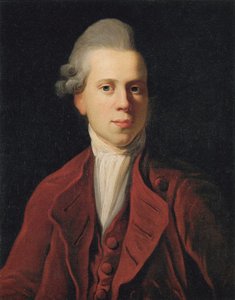
Nicolai Abraham Abildgaard
1743 - 1809 , Dinamarca
Datos clave
- Artistas Influenciados:
- Asmus Jacob Carstens
- Bertel Thorvaldsen
- Christoffer Wilhelm Eckersberg
- Artistas Que Influyeron:
- Annibale Carracci
- Rafael
- Tiziano
- Miguel Ángel
- Fecha De Nacimiento: 11 de septiembre de 1743
- Lugar De Nacimiento: Copenhague, Dinamarca
- Movimiento Artístico: Neoclasicismo, pintura histórica real
- Nacionalidad: Danés
- Nombre Completo: Nicolai Abraham Abildgaard
- Obras Notables:
- Christian I Eleva Holstein
- La pesadilla
- Retrato de N. A. Abildgaard
- El fantasma de Culmin
- Escenas de 'Viaje subterráneo'
- La partera se despide
- Magnus Stenbock se rinde
- Nude masculino sentado
- Audhumla
- El herido Filoctetes
Artículos relacionados

Baroque Classicism: Reconciling Drama & Order in 17th-Century Art
Explore the captivating world of Baroque Classicism! Discover its history, key artists like Caravaggio & Rubens, and defining characteristics. Expert insights & high-quality reproductions at ArtsDot.

Drama Barroca: Llevando la Grandeza y la Emoción a los Interiores Contemporáneos
Descubre cómo el drama y la grandeza del arte barroco pueden transformar tus interiores. Guía experta, inspiración y reproducciones de alta calidad en .

The Enduring Power of Painting: A Historical & Contemporary Exploration of Form and Emotion
Explore the rich history & enduring techniques of oil painting with ArtsDot. Discover masterpieces, learn about art collecting, and find authentic handmade reproductions crafted by skilled artists.
El Legado Perenne del Clasicismo: Principios Fundamentales, Evolución e Influencia en el Arte Occidental
Descubre la historia del arte clásico occidental: desde sus orígenes en Grecia y Roma hasta su influencia en el Renacimiento y las corrientes contemporáneas. Análisis experto, artistas clave y obras maestras imperdibles.
The Enduring Echo of Antiquity: Classical Ideals in Art from Renaissance to Modernism
Explore the lasting impact of classical ideals on art from the Renaissance to Modernism. Discover key movements, iconic artists & find museum-quality reproductions at ArtsDot.