 Ver en contexto
 Enviar
 Compartir
 Detalles

 Descargar
 Similares
 Radiografía
 Presentación de diapositivas
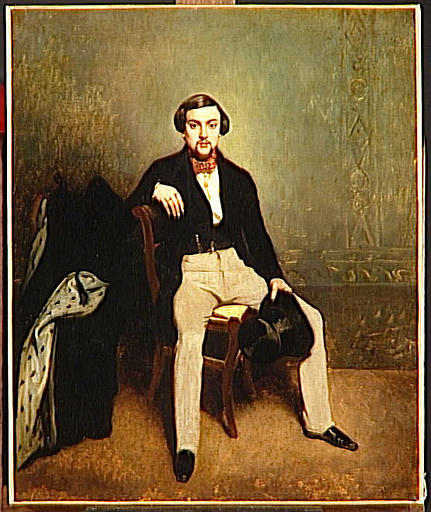
MONSIEUR DUBREUIL


 Ver más
Giclée / Impresión de arte
Impresiones giclée o en lienzo de calidad de museo con producción rápida y opciones de acabado flexibles. ( Comprar pintura hecha a mano Comprar imagen)




P118B $10

P118H $10

P118W $10

P438Z $10

P508JH $12

P508YH $12

P805H $10

P805Z $10

P919BZ $10

P919G $10

P919XJ $10

P959ZH $10

P968JZ $12

W106C $8

W218G $10

W218JH $8

W218Y $10

W307PJ $10

W316G $10

W316PJ $8

W316Y $10

W398PJ $8

W4111J $10

W500HY $15

W500JH $15

W692G $12

W849H $8

W940BG $15

W953PJ $8




Elija entre nuestros tamaños predefinidos que respetan las proporciones originales de la obra.

Puede introducir sus propias dimensiones para adaptarse a un marco o espacio específico. Si el tamaño seleccionado no coincide con las proporciones de la imagen original, recortaremos la obra de arte o extenderemos la imagen con un borde con efecto espejo o de color sólido. Se enviará una maqueta digital para su aprobación antes de que comience la producción.
Tenga en cuenta que la vista previa en pantalla no refleja el recorte o la extensión real. Solo la maqueta mostrará con precisión la composición final.
Aunque existen tamaños personalizados, recomendamos seleccionar una dimensión de la lista predefinida para preservar las proporciones originales.
Envío a todo el mundo () en 2 semanas en lugar de las 4/5 semanas estándar. (3 septiembre)

Envío exprés gratuito a todo el mundo

Lienzo de lino de alta calidad

Seguro de envío total

Garantía de reembolso de impuestos aduaneros

Garantía de fidelidad cromática exacta

Política de devolución de 60 días (solo por defectos)

Garantía de devolución del 100% del dinero

Descuento por cantidad
 La opción de vidrio solo está disponible en tamaños inferiores a 110 cm.

MONSIEUR DUBREUIL
Giclée / Impresión de arte
Dimensiones de la reproducción
-


Precio total final
$ 62
A Portrait of Quiet Dignity: Monsieur Dubreuil by Nicolas Tassaert
The canvas before you presents not merely a likeness, but an embodiment of the mid-19th century – a portrait of Monsieur Dubreuil, rendered with remarkable sensitivity and technical mastery by Nicolas François Octave Tassaert. More than just a depiction of a man, this painting captures a fleeting moment of contemplation, hinting at a life lived within the constraints and expectations of his era. Tassaert, a painter often overshadowed by the brighter lights of the Impressionist movement, possessed a unique ability to imbue his subjects with an almost palpable sense of atmosphere and psychological depth – qualities powerfully evident in this intimate study.
The painting’s composition is deceptively simple yet profoundly effective. Seated comfortably within a dark wooden chair, Monsieur Dubreuil occupies the majority of the frame, drawing the viewer's immediate attention. His posture, relaxed yet dignified, speaks volumes about his character – a quiet confidence tempered by an underlying awareness. The blurred background, rendered in soft, muted tones, skillfully directs focus to the figure, creating a sense of intimacy and immediacy. The strategic placement of the draped coat and hat subtly reinforces his social standing, suggesting a man accustomed to respect and perhaps even authority, while simultaneously hinting at a certain weariness, a subtle acknowledgement of the burdens of responsibility.
A Palette of Restrained Elegance
Tassaert’s color palette is a testament to his academic training and his keen eye for detail. Dominated by browns, grays, blacks, and creams, the painting avoids dramatic contrasts, instead relying on subtle gradations of tone to create depth and texture. The rich velvet of the coat, the worn wood of the chair, and even the delicate folds of Monsieur Dubreuil’s cravat are rendered with meticulous precision. The inclusion of touches of red – in the cravat and a hint within the coat – provides subtle focal points, preventing the composition from becoming overly somber. The overall effect is one of understated elegance and quiet sophistication, reflecting the prevailing aesthetic sensibilities of the time.
Crafting Realism with Delicate Brushstrokes
The painting’s technical execution showcases Tassaert's mastery of oil paint and his understanding of light and shadow. He employs a technique characterized by smooth, blended brushstrokes – a hallmark of academic portraiture – to create the illusion of three-dimensionality. Stronger lines delineate the edges of the chair and hat, providing structure and definition, while softer strokes define the contours of Monsieur Dubreuil’s face and body. The lighting, originating from the left side of the frame, casts subtle shadows that model his features and add a sense of volume to the composition. This careful attention to detail – from the texture of the fabric to the play of light on the skin – elevates the painting beyond a simple likeness, transforming it into a compelling work of art.
Symbolism and the Weight of Expectation
Beyond its technical merits, “Monsieur Dubreuil” is rich in symbolic meaning. The man’s relaxed posture, while suggesting confidence, also hints at a certain weariness – perhaps reflecting the pressures of maintaining social standing or fulfilling familial obligations. The draped coat and hat are not merely decorative elements; they represent status and refinement, but also subtly underscore the constraints imposed upon men of his class. The painting can be interpreted as an exploration of the complexities of identity within a rigid societal framework, capturing a moment of quiet contemplation amidst the weight of expectation.
A Window into a Bygone Era
Created in the mid-19th century, “Monsieur Dubreuil” offers a poignant glimpse into a bygone era – a time of industrial growth, social upheaval, and evolving artistic sensibilities. Tassaert’s work stands as a testament to the enduring power of portraiture to capture not only physical likeness but also the essence of human character. Whether displayed in a private collection or a public gallery, this painting continues to resonate with viewers today, inviting us to contemplate the complexities of human experience and the timeless beauty of art.
Obras relacionadas

Biografía del artista
La sombra de la industria: Explorando el arte de William Frederick Lutkin (1800-1874)
William Frederick Lutkin, nacido en 1800 y fallecido trágicamente en 1874, se erige como una figura fundamental que tiende un puente entre la era del Romanticismo tardío y el Realismo naciente que dominaría gran parte del siglo XIX. Aunque a menudo ha quedado a la sombra de sus contemporáneos —como Turner, Constable y los florecientes impresionistas—, la obra de Lutkin ofrece una perspectiva única y cautivante sobre el paisaje de Gran Bretaña en plena transformación, durante un periodo de inmenso crecimiento industrial y agitación social. Sus lienzos no son meras representaciones de escenarios; están impregnados de una atmósfera palpable, una conciencia inquietante de la relación de la humanidad tanto con la naturaleza como con la maquinaria emergente que estaba rediseñando su mundo.Primeros años y formación artística
Los inicios de Lutkin permanecen envueltos en cierto misterio, si bien se sabe que recibió su formación artística inicial de manos de su padre, William Lutkin Sr., un pintor de paisajes que inculcó en él un profundo aprecio por la belleza de la campiña inglesa. Esta base fundacional en el Romanticismo tradicional —caracterizado por una luz dramática, paisajes sublimes y un énfasis en la respuesta emocional— moldeó profundamente la obra temprana del artista. Sin embargo, a diferencia de muchos de sus contemporáneos que permanecieron firmemente arraigados en esta estética, Lutkin demostró una creciente fascinación por el mundo industrial que lo rodeaba, particularmente por las fundiciones y fábricas que comenzaban a proliferar en el paisaje británico. Este interés incipiente acabaría por definir su trayectoria artística definitiva.Un pintor de paisajes atmosféricos
Las obras más celebradas de Lutkin son, sin duda, sus paisajes atmosféricos, que a menudo retratan escenas de páramos, costas y condiciones meteorológicas dramáticas. Poseía una capacidad extraordinaria para capturar los efectos fugaces de la luz y la sombra, creando pinturas que poseen una cualidad casi alucinatoria. Su uso del color es particularmente notable: favorecía tonos apagados de gris, marrón y azul, superponiéndolos en sutiles gradaciones para evocar una sensación de estado de ánimo y atmósfera. Su técnica implicaba una observación meticulosa combinada con la voluntad de experimentar con pinceladas inusuales y técnicas de veladura, lo que resultaba en superficies que centelleaban con la luz reflejada. Aunque estuvo profundamente influenciado por las obras de J.M.W. Turner, especialmente en su capacidad para transmitir el poder y el drama de la naturaleza a través de efectos atmosféricos, Lutkin desarrolló un estilo distintivamente personal, caracterizado por un mayor énfasis en el elemento humano dentro del paisaje.- Obras notables: The Moorland Scene, Storm Over the Coast, Evening on the Moors, The Ironworks at Coalbrookdale
- Técnica: Veladuras por capas, observación meticulosa de la luz y la sombra, uso de paletas de colores apagados.
La influencia de la industrialización y el comentario social
A medida que avanzaba el siglo XIX, el enfoque artístico de Lutkin se desplazó cada vez más hacia la representación del impacto de la industrialización en el paisaje inglés. No se limitaba a documentar fábricas; exploraba los efectos psicológicos de esta transformación: el sentido de alienación, aislamiento y pérdida que acompañaba al declive de la vida rural tradicional. Sus pinturas de fundiciones y minas de carbón suelen estar impregnadas de un tono melancólico, reflejando sus propias ansiedades sobre las consecuencias sociales y ambientales del progreso industrial. Con frecuencia representaba figuras solitarias dentro de estos paisajes, sugiriendo una profunda desconexión entre la humanidad y su entorno. Este comentario sutil pero poderoso sobre los cambios sociales de la época distingue a Lutkin de muchos de sus contemporáneos, quienes en gran medida ignoraron los drásticos cambios que ocurrían a su alrededor.Legado y trascendencia histórica
La obra de William Frederick Lutkin representa un momento de transición fascinante en la historia del arte británico. Encarna la influencia persistente del Romanticismo mientras prefigura simultáneamente el movimiento Realista que surgiría poco después. Sus paisajes atmosféricos, junto con sus representaciones sutiles pero conmovedoras de la industrialización, ofrecen una visión valiosa del panorama social y emocional de la Gran Bretaña del siglo XIX. Aunque puede que no sea tan ampliamente reconocido como algunos de sus contemporáneos más célebres, las pinturas de Lutkin continúan resonando hoy en día, recordándonos la compleja relación entre la humanidad y el mundo natural en una era de rápidos cambios tecnológicos. Su trabajo sirve como un recordatorio conmovedor de que, incluso en medio del progreso, la belleza y la melancolía pueden coexistir.
Nicolas François Octave Tassaert
1800 - 1874 , Francia
Datos clave
- Artistas O Movimientos Influenciados Por Este Artista: ['Artistas posteriores en WahooArt']
- Artistas Que Influyeron En Este Artista:
- Caspar David Friedrich
- J.M.W. Turner
- John Constable
- Fecha De Fallecimiento: 1874
- Movimiento O Estilo Artístico: Arte del siglo XIX
- Nacionalidad: WahooArt
Artículos relacionados
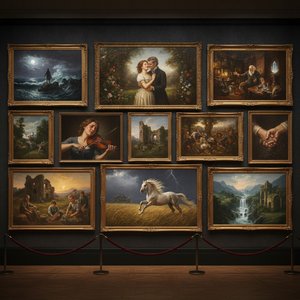
Romantic Realism's Finest: 10 Masterpieces for Your Home | ArtsDot
Explore 10 defining masterpieces of Romantic Realism! Discover Courbet, Millet & Daumier's powerful paintings—capturing emotion and social realities. Find museum-quality reproductions for your home at ArtsDot.com.
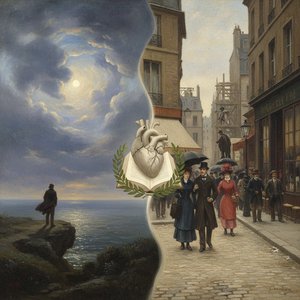
The Evocative Embrace of Reality: Exploring Romantic Realism in 19th-Century Painting
Explore the captivating world of Romantic Realism! Discover key artists like Courbet & Millet, masterpieces, and the social context behind this influential art movement. Expert insights for collectors at ArtsDot.
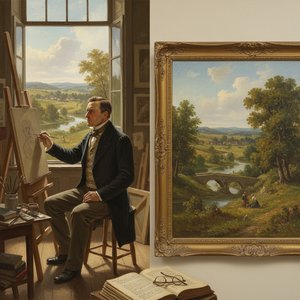
The Poetic Truth of Observation: Exploring 19th-Century Realism in Painting
Explore the captivating world of 19th-century Realism! Discover key artists like Courbet & Millet, masterpieces, and the powerful social commentary behind this influential art movement. Expert insights at ArtsDot.
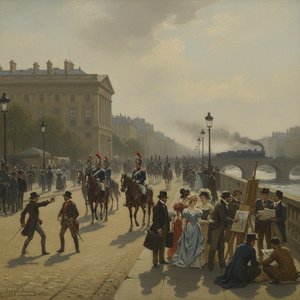
Émile Jean Horace Vernet: Romantic Realism & Depicting 19th-Century Life
Explore the life & art of Émile Jean Horace Vernet, a master of Romantic Realism. Discover his captivating battle scenes, portraits, and Orientalist works – a window into 19th-century France. Learn about his techniques & enduring legacy.
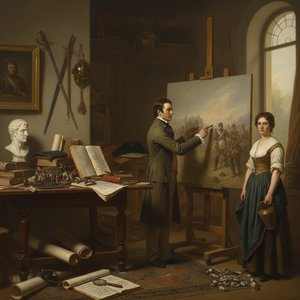
El Realismo Histórico del Siglo XIX: Una Búsqueda de la Verdad en el Arte
Descubre el Realismo del siglo XIX: su contexto histórico, artistas clave como Courbet y Millet, técnicas innovadoras y legado perdurable. Guía experta para coleccionistas y amantes del arte.