

 Ver en contexto
 Enviar
 Compartir
 Detalles

 Descargar
 Similares
 Radiografía
 Presentación de diapositivas
 Estadísticas
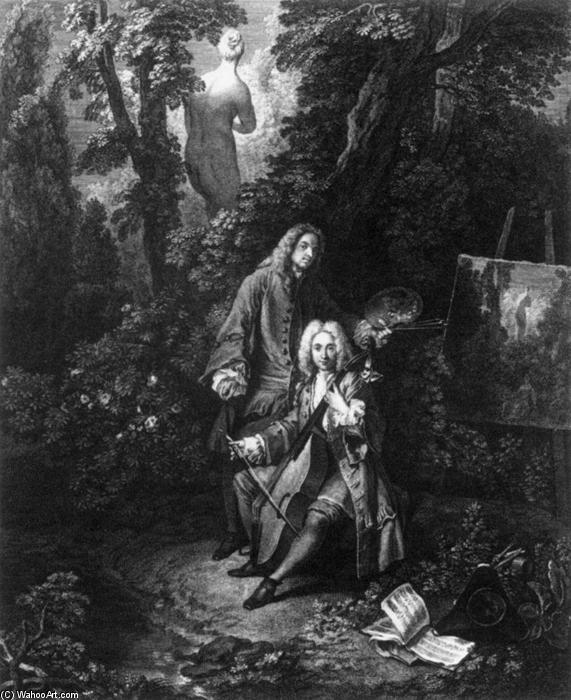
Watteau and his Friend Monsieur de Jullienne


 Ver más
Reproducción al óleo hecha a mano
Óleo sobre lienzo pintado a mano en el tamaño y marco de su elección, realizado por encargo por nuestros artistas. ( Cambiar a Impresión Cambiar a imagen digital)




P118B $10

P118H $10

P118W $10

P438Z $10

P508JH $12

P508YH $12

P805H $10

P805Z $10

P919BZ $10

P919G $10

P919XJ $10

P959ZH $10

P968JZ $12

W106C $8

W218G $10

W218JH $8

W218Y $10

W307PJ $10

W316G $10

W316PJ $8

W316Y $10

W398PJ $8

W4111J $10

W500HY $15

W500JH $15

W692G $12

W849H $8

W940BG $15

W953PJ $8




Elija entre nuestros tamaños predefinidos que respetan las proporciones originales de la obra.

Puede ingresar sus propias dimensiones para adaptarse a un marco o espacio específico. Si el tamaño seleccionado no coincide con las proporciones de la imagen original, recortaremos la obra o extenderemos la pintura con elementos adicionales pintados a mano. Se le enviará una maqueta digital para su aprobación antes de comenzar la producción.
Tenga en cuenta que la vista previa en pantalla no refleja el recorte o la extensión reales. Solo la maqueta mostrará con precisión la composición final.
Si bien existen tamaños personalizados, recomendamos seleccionar una dimensión de la lista predefinida para preservar las proporciones originales.
Tras realizar el pedido, el equipo de ArtsDot.com enviará un correo electrónico al cliente para solicitar instrucciones y proporcionarle una vista previa del boceto.
Envío a todo el mundo () en 3-4 semanas en lugar de las 5 semanas estándar. (9 septiembre). Sin comprometer la calidad.

Envío exprés gratuito a todo el mundo

Lienzo de lino de alta calidad

Seguro de envío total

Garantía de reembolso de impuestos aduaneros

Garantía de fidelidad cromática exacta

Política de devolución de 100 días (solo por defectos)

Garantía de devolución del 100% del dinero

Descuento por cantidad
 La opción de vidrio solo está disponible en tamaños inferiores a 110 cm.

Watteau and his Friend Monsieur de Jullienne
Técnica de reproducción
Dimensiones de la reproducción
-


Precio total final
$ 288
A Moment of Parisian Grace: Tardieu’s “Watteau and his Friend”
Nicolas-Henri Tardieu's engraving, "Watteau and his Friend Monsieur de Jullienne," isn’t merely a portrait; it’s a carefully constructed window into the heart of 18th-century Parisian life. Captured in a quiet moment within a refined salon garden, the scene unfolds with an intimacy that speaks volumes about the era's artistic and intellectual currents. The image invites us to step back in time and witness a conversation between two men – the celebrated painter Jean-Antoine Watteau and his esteemed companion, Monsieur de Jullienne – a gathering steeped in the atmosphere of the fashionable salons that defined Parisian society.
Tardieu’s genius lies not just in his technical skill but in his ability to distill the essence of Watteau's original painting onto a new medium. He wasn’t simply copying brushstrokes; he was translating the mood, the light, and the subtle social dynamics into a meticulously rendered engraving. The composition is masterfully balanced, with the figures positioned beneath a classical statue – a deliberate nod to centuries of artistic tradition – while a partially visible easel hints at the creative spirit that permeated these gatherings. The scene feels frozen in time, capturing a fleeting moment of shared contemplation and intellectual exchange.
Decoding the Technique: Hatching, Tone, and Texture
As an engraving, “Watteau and his Friend” is a testament to Tardieu’s exceptional mastery of line and texture. The entire image is built upon a foundation of incredibly fine lines – hatching and cross-hatching techniques are deployed with astonishing precision. These interwoven lines create not just outlines but also a remarkable illusion of volume and depth, mimicking the effects of light and shadow found in oil painting. Notice how the artist uses varying densities of line to suggest the smooth surfaces of clothing, the rough texture of stone, and even the delicate folds of fabric. The monochrome palette – a symphony of whites, grays, and blacks – amplifies this effect, creating a sense of quiet drama and understated elegance.
The careful attention to detail extends beyond mere representation; it’s an active process of interpretation. Tardieu doesn't simply record Watteau and Jullienne; he imbues them with a palpable sense of personality through subtle shifts in expression and posture. The way their hands are positioned, the slight tilt of their heads – these small gestures convey a quiet intimacy that draws the viewer into the scene.
The Salon: A Crucible of Art and Ideas
To truly appreciate “Watteau and his Friend,” it’s crucial to understand the context in which it was created – the vibrant salon culture of 18th-century Paris. Salons were far more than just social gatherings; they were vital hubs for intellectual discourse, artistic patronage, and the dissemination of new ideas. Figures like Jean de Jullienne, where Watteau frequently spent his time, hosted these salons, attracting artists, writers, philosophers, and aristocrats alike. These spaces served as incubators for creativity, providing a platform for challenging conventional wisdom and exploring radical concepts.
The presence of Monsieur de Jullienne is particularly significant. He was a prominent art collector and connoisseur, deeply involved in the artistic circles of Paris. His salon provided Watteau with access to influential patrons and fellow artists, fostering a dynamic environment of collaboration and exchange. The engraving, therefore, offers a glimpse into this world of intellectual ferment – a world where beauty, wit, and conversation intertwined.
Symbolism and Emotional Resonance
The classical statue in the background serves as a subtle reminder of the enduring influence of antiquity on 18th-century art. It anchors the scene to a tradition of idealized beauty and harmonious proportions, while simultaneously suggesting the timeless nature of artistic pursuit. The quiet intimacy between Watteau and Jullienne evokes feelings of tranquility, contemplation, and perhaps even a touch of melancholy – a recognition that even in the midst of social grace, moments of solitude and reflection are essential.
“Watteau and his Friend” is more than just a depiction of two men; it’s a portrait of an era—a testament to the power of art, conversation, and the enduring allure of Parisian society. It invites us to pause, observe, and appreciate the subtle beauty of a moment captured in time.
Obras relacionadas

Biografía del artista
Vida Temprana y Educación
- Nacimiento: París, Francia el 18 de enero de 1674, y bautizado tres días después.
- Antecedentes Familiares: Su padre, Nicolas Tardieu, era calderero, al igual que sus dos hermanos menores. Se especula que el joven Nicolas-Henri pudo haber utilizado restos de cobre del taller de su padre para practicar grabados en sus inicios.
- Formación Artística: Estudió con destacados grabadores como Pierre Lepautre, Gérard Audran y Benoit Audran, sentando una base sólida en las técnicas del oficio.
Carrera como ‘Graveur du Roi’ y Estilo Artístico
- Nombramiento Real: Tardieu alcanzó un reconocimiento significativo cuando fue nombrado *graveur du roi* (Grabador del Rey) para el rey Luis XV el 29 de noviembre de 1720. Esta prestigiosa posición consolidó su estatus como uno de los grabadores más importantes de Francia.
- Grabado Reproductivo: Se hizo particularmente conocido por sus reproducciones sensibles y hábiles de pinturas, especialmente las de Antoine Watteau. Sus grabados capturaron la delicada atmósfera y el espíritu rococó de la obra de Watteau con una fidelidad excepcional.
- Trabajos Encargados: Como grabador muy solicitado, Tardieu recibió encargos para planchas utilizadas en importantes publicaciones como la Colección Crozat y la Galerie de Versailles.
- Principios Artísticos: Adhirió a los principios tradicionales del grabado, oponiéndose a las tendencias emergentes hacia temas menos serios. Se propuso transmitir estos valores a sus alumnos.
Legado Familiar e Influencia
- Matrimonios y Familia: Tardieu se casó dos veces: primero con Louise-Françoise Aveline en 1706, y luego con Marie-Anne Horthemels en 1712. Marie-Anne también era una grabadora consumada.
- Dinastía de Grabadores: Nicolas-Henri y Marie-Anne Tardieu tuvieron numerosos descendientes que se convirtieron en artistas notables, principalmente como grabadores, estableciendo un legado familiar duradero dentro del mundo del arte.
- Alumnos Notables: Enseñó grabado a su hijo Jacques-Nicolas Tardieu (quien también se convirtió en *graveur ordinaire du roi*), a su sobrino Pierre François Tardieu y a otros grabadores destacados como Bernard Baron, Laurent Cars y Jacques-Philippe Le Bas. Su influencia se extendió a través de generaciones de artistas.
Obras Principales e Importancia Histórica
- Grabados Clave: Algunas de sus estampas más celebradas incluyen reproducciones de *Champs Élysées* y *Embarcation for Cythera* de Watteau, elogiadas por su capacidad para retener la calidad "plateada" de las pinturas originales.
- Otras Obras Notables: También grabó retratos, temas clásicos y escenas religiosas. Ejemplos incluyen grabados de Marc-René de Voyer de Paulmy, d'Argenson y representaciones de obras de Domenichino.
- Impacto Duradero: Nicolas-Henri Tardieu es recordado como uno de los grabadores más prominentes del siglo XVIII en Francia. Su habilidad técnica, dedicación a las técnicas tradicionales y su influencia en generaciones posteriores de artistas aseguraron su lugar en la historia del arte. Su obra proporciona información valiosa sobre los gustos artísticos y la cultura visual del período rococó.
- Retrato: Jean-Baptiste van Loo pintó un retrato de Tardieu que se exhibió en las galerías de Versalles, reconociendo aún más su importancia.
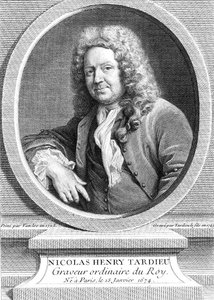
Nicolas-Henri Tardieu
1674 - 1749 , Francia
Datos clave
- Artistas Influenciados:
- J.N. Tardieu
- Baron
- Artistas Que Influyeron:
- Lepautre
- Audran
- Fecha De Fallecimiento: 27 de enero de 1749
- Fecha De Nacimiento: 18 de enero de 1674
- Lugar De Nacimiento: París, Francia
- Movimiento Artístico: Rococó
- Nacionalidad: Francés
- Nombre Completo: Nicolas-Henri Tardieu
- Obras Notables:
- Champs Élysées
- Cythera
Artículos relacionados

Rococó: 10 Obras Maestras que Definieron una Época | Arte y Decoración en
Descubre las 10 obras maestras del Rococó que marcaron una época. Explora la elegancia de Fragonard, Boucher y Watteau en . Reproducciones de arte de calidad museo para decorar tu hogar con estilo.
Los 10 Grabados Legendarios que Transformaron la Historia del Arte | ArtsDot
Descubre los 10 grabados legendarios de Dürer, Rembrandt y Goya que revolucionaron el arte. Explora la historia, técnicas y belleza atemporal de estas obras maestras. Reproducciones de alta calidad en ArtsDot.com para decorar tu hogar con arte clásico.
The Allure of Elegance in Art: A Historical & Aesthetic Exploration of Refinement & Grace
Explore the exquisite world of Rococo art! Discover its history, masters (Watteau, Boucher & more), and defining elegance. Expert insights for collectors seeking museum-quality reproductions & custom portraits.
La Estética Rococó: Opulencia, Rebelión y Placer en el Arte del Siglo XVIII
Descubre la fascinante estética rococó: su historia, características clave y los artistas más influyentes del siglo XVIII. Un análisis profundo para amantes del arte y coleccionistas.
Engraving: A Historical Survey of Technique, Artistic Expression & Enduring Legacy
Explore the rich history of engraving with ArtsDot. Discover techniques, iconic artists like Dürer & Callot, collecting tips, and expert guidance for preserving your art investment. Learn about intaglio printing & more!