 Ver en contexto
 Enviar
 Compartir
 Detalles

 Descargar
 Similares
 Radiografía
 Presentación de diapositivas
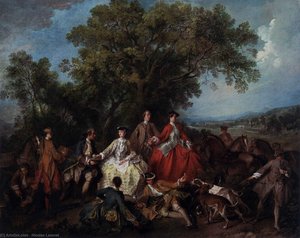
LA REMISE DE L'ORDRE DU SAINT ESPRIT


 Ver más
Reproducción al óleo hecha a mano
Óleo sobre lienzo pintado a mano en el tamaño y marco de su elección, realizado por encargo por nuestros artistas. ( Comprar impresión Comprar imagen)




P118B $10

P118H $10

P118W $10

P438Z $10

P508JH $12

P508YH $12

P805H $10

P805Z $10

P919BZ $10

P919G $10

P919XJ $10

P959ZH $10

P968JZ $12

W106C $8

W218G $10

W218JH $8

W218Y $10

W307PJ $10

W316G $10

W316PJ $8

W316Y $10

W398PJ $8

W4111J $10

W500HY $15

W500JH $15

W692G $12

W849H $8

W940BG $15

W953PJ $8




Elija entre nuestros tamaños predefinidos que respetan las proporciones originales de la obra.

Puede ingresar sus propias dimensiones para adaptarse a un marco o espacio específico. Si el tamaño seleccionado no coincide con las proporciones de la imagen original, recortaremos la obra o extenderemos la pintura con elementos adicionales pintados a mano. Se le enviará una maqueta digital para su aprobación antes de comenzar la producción.
Tenga en cuenta que la vista previa en pantalla no refleja el recorte o la extensión reales. Solo la maqueta mostrará con precisión la composición final.
Si bien existen tamaños personalizados, recomendamos seleccionar una dimensión de la lista predefinida para preservar las proporciones originales.
Tras realizar el pedido, el equipo de ArtsDot.com enviará un correo electrónico al cliente para solicitar instrucciones y proporcionarle una vista previa del boceto.
Envío a todo el mundo () en 3-4 semanas en lugar de las 5 semanas estándar. (28 agosto). Sin comprometer la calidad.

Envío exprés gratuito a todo el mundo

Lienzo de lino de alta calidad

Seguro de envío total

Garantía de reembolso de impuestos aduaneros

Garantía de fidelidad cromática exacta

Política de devolución de 60 días (solo por defectos)

Garantía de devolución del 100% del dinero

Descuento por cantidad
 La opción de vidrio solo está disponible en tamaños inferiores a 110 cm.

LA REMISE DE L'ORDRE DU SAINT ESPRIT
Técnica de reproducción
Dimensiones de la reproducción
-


Precio total final
$ 738
La Remise de l'Ordre du Saint Esprit: A Tapestry of Power and Grace
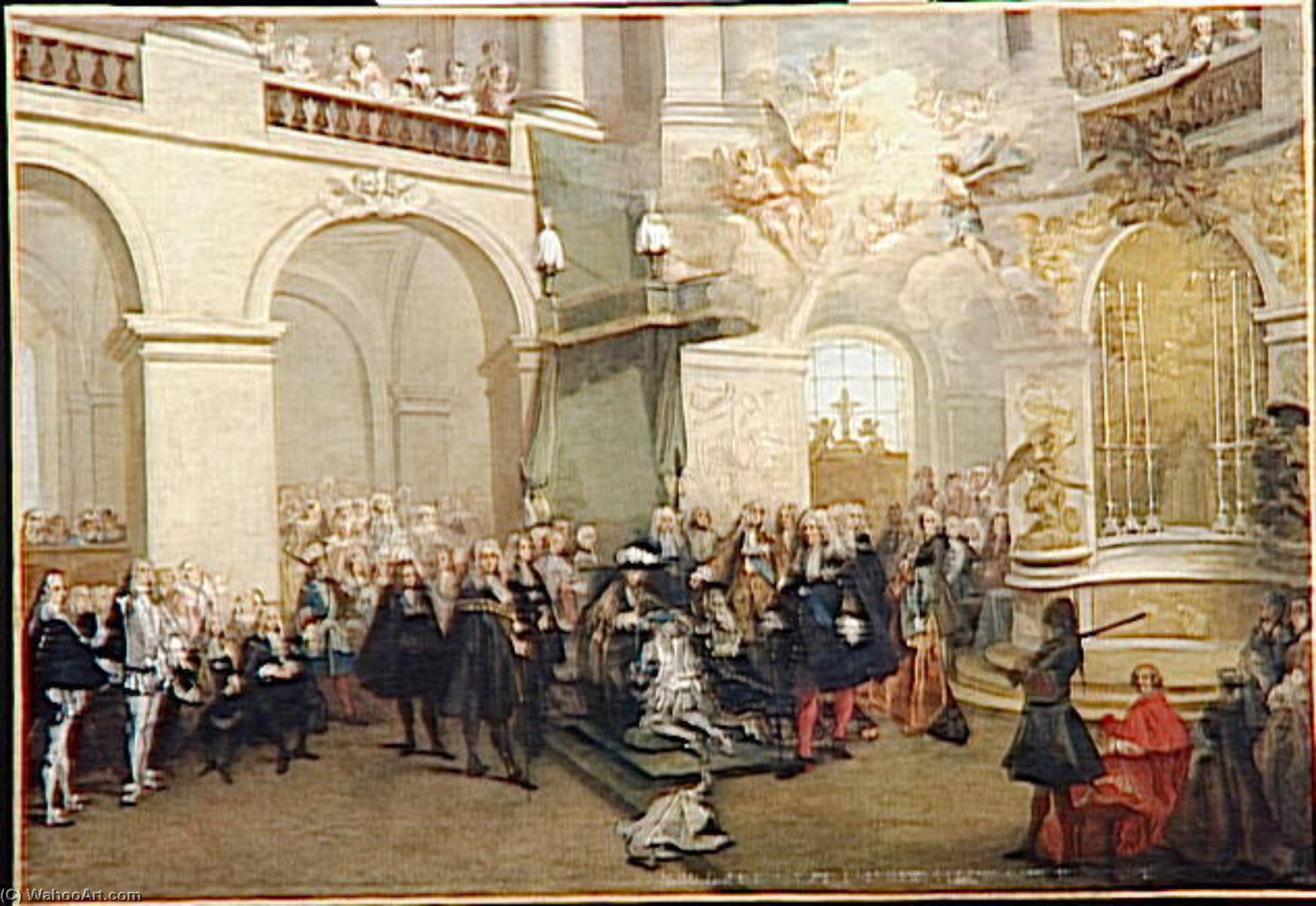
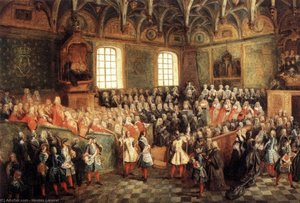
Nicolas Lancret’s “La Remise de l’Ordre du Saint Esprit” is not merely a painting; it’s a meticulously crafted tableau vivant, a frozen moment of opulent ceremony within the heart of Versailles. Completed around 1724, this work offers a rare glimpse into the intricate rituals and profound symbolism that underpinned French courtly life during the reign of Louis XV. More than just depicting an event, Lancret masterfully captures the atmosphere of solemnity, authority, and restrained elegance that defined the Order of the Holy Spirit – a prestigious military order established by Henry III in 1578, later revived under Louis XIV and then again under his successor.
The scene unfolds within a vast, richly decorated hall, its architecture—characterized by soaring arches, imposing columns, and delicate balustrades—establishing a sense of monumental grandeur. Lancret’s skill lies not just in rendering the physical space but in imbuing it with an almost palpable weight of history and tradition. The muted palette – dominated by creams, beiges, and subtle hints of red and blue – contributes to this atmosphere of dignified restraint. It's a color scheme that speaks of wealth and status without resorting to overt flamboyance, perfectly aligning with the Rococo aesthetic’s preference for understated luxury.
A Dance of Figures: Composition and Movement
Lancret employs a masterful use of perspective to draw the viewer into the heart of the ceremony. The central figure, seated on an elevated platform or throne, immediately commands attention – likely a high-ranking member of the Order being invested. Around him swirl a multitude of figures, arranged in carefully orchestrated layers that create a dynamic sense of movement and depth. The composition isn’t static; Lancret uses diagonal lines created by the arrangement of individuals to suggest a continuous flow of activity, as if capturing a fleeting moment within a larger, ongoing event.
Notice how Lancret subtly guides our eye through the scene. The foreground is densely populated with onlookers – nobles, clergy, and courtiers – their faces largely obscured, yet conveying an air of respectful attention. The receding background reveals tiers of balconies and galleries, further amplifying the sense of scale and complexity. This layering isn’t haphazard; it's a deliberate strategy to immerse the viewer in the scene and emphasize the importance of the central figure.
Symbolism Woven into the Fabric
Beyond its visual appeal, “La Remise de l’Ordre du Saint Esprit” is rich in symbolic meaning. The Order itself represented military prowess and loyalty to the crown – a potent combination during an era marked by ongoing conflicts and political maneuvering. The elaborate costumes worn by the figures are not simply decorative; they signify rank, status, and allegiance. The fabrics—velvet, silk, and brocade—are rendered with exquisite detail, showcasing the wealth and power of those involved.
Furthermore, the setting within the opulent halls of Versailles reinforces the painting’s message. The palace itself was a symbol of royal authority and divine right – a tangible representation of the king's absolute power. By placing the ceremony within this iconic space, Lancret elevates it to a grand spectacle, underscoring the Order’s significance in maintaining order and upholding the monarchy.
The Rococo Touch: Technique and Artistic Style
Lancret’s style is quintessential Rococo – characterized by its delicate brushwork, graceful figures, and emphasis on lightheartedness. While the subject matter—a formal ceremony—might seem weighty, Lancret imbues it with a subtle sense of charm and wit. The faces are rendered with an almost playful quality, suggesting that even within the confines of courtly protocol, there’s room for amusement and social interaction.
The artist's technique is notable for its smooth blending of colors and meticulous attention to detail. Brushstrokes are largely invisible, creating a seamless surface that enhances the painting’s overall sense of refinement. Lancret masterfully utilizes light and shadow to sculpt the figures and define the architectural space, adding depth and realism to the scene. The use of muted tones contributes to the painting's atmosphere of restrained elegance, perfectly capturing the spirit of the Rococo era.
A Legacy of Elegance
“La Remise de l’Ordre du Saint Esprit” stands as a testament to Nicolas Lancret’s artistic skill and his ability to capture the essence of French courtly life. It's a painting that invites contemplation, offering viewers a glimpse into a bygone era of ceremony, power, and exquisite beauty. Reproductions of this captivating work continue to resonate with collectors and interior designers alike, serving as a reminder of the enduring appeal of Rococo artistry.
Obras relacionadas
Biografía del artista
Nicolas Lancret: Un Viaje a la Elegancia Rococó
- Nacido: París, Francia (22 de enero de 1690)
- Fallecido: París, Francia (14 de septiembre de 1743)
Primeros Años y Formación
La trayectoria artística de Nicolas Lancret comenzó en París, donde nació en 1690. Aunque los registros detallados de sus primeros años son escasos, se sabe que recibió su formación inicial bajo la tutela de Pierre d’Ulin, un respetado pintor de historia. Un momento crucial llegó cuando conoció la obra de Antoine Watteau, cuya influencia moldeó profundamente la dirección artística de Lancret. Posteriormente estudió con Jean-Baptiste Gillot, quien a su vez había sido alumno de Watteau, solidificando aún más su conexión con esta influyente línea artística. Este período de formación sentó las bases para el estilo distintivo de Lancret, caracterizado por sus alegres representaciones de la sociedad parisina y celebraciones de *fêtes galantes*.Estilo Artístico y Obras Destacadas
Lancret se hizo famoso como un brillante retratista de la vida cotidiana dentro de la sociedad francesa durante el reinado del Duque de Orleans y los primeros años del rey Luis XV. Su estilo artístico se caracteriza por encantadoras escenas de bailes, ferias, bodas de aldea y otros encuentros sociales, reflejando los gustos y las costumbres de su época. Destacó en capturar el espíritu de la elegancia y la frivolidad rococó.- Obras Destacadas:
- *Le Déjeuner de Jambon* (Chantilly, Musée Condé, 1735): Un ejemplo paradigmático de sus escenas de género, que representa un animado desayuno con jamón y figuras vivaces.
- *La Servante Justifiée* (1735-1740): Demuestra la habilidad de Lancret para retratar escenas domésticas con ingenio y encanto.
- *Le Jeu des Quatre-Coins*: Una representación juguetona de un popular juego, capturando la energía y el entretenimiento de la interacción social.
- *Marie-Anne de Camargo* (1730): Un retrato que demuestra su habilidad para representar figuras a la moda.
Influencias y Legado
El estilo artístico de Lancret guarda una clara semejanza con el de Watteau, lo que a menudo lleva a los historiadores del arte a comparar a ambos. Si bien algunos críticos han considerado la obra de Lancret como algo menos profunda que la de Watteau, su capacidad para capturar la esencia de la sociedad francesa en el siglo XVIII le ha asegurado un lugar significativo en la historia del arte. Sus pinturas son celebradas por su alegría y encanto, ofreciendo valiosas perspectivas sobre las costumbres sociales y la estética del período rococó. La influencia de Lancret puede verse en artistas posteriores como François Boucher. Sus obras se encuentran en prestigiosas colecciones de todo el mundo, incluyendo la Galería Nacional y el Musée d'Orsay, asegurando que su legado continúe inspirando a apreciar el arte rococó francés.Desarrollo e Importancia Histórica
A lo largo de su carrera, Lancret demostró una evolución gradual en su enfoque artístico. Si bien inicialmente estuvo fuertemente influenciado por Watteau, desarrolló un estilo más distintivo caracterizado por colores más vivos y una mayor armonía entre las figuras y sus alrededores. Sus obras posteriores, como *Montreir de lanterne magique* y *Familia en un Jardín*, se consideran la cumbre de su logro artístico, mostrando una creciente capacidad para crear profundidad e intimidad dentro de sus composiciones. La importancia histórica de Lancret radica en su contribución al movimiento rococó y en su habilidad para documentar la vida social y los valores culturales de la Francia del siglo XVIII a través de sus pinturas encantadoras y accesibles.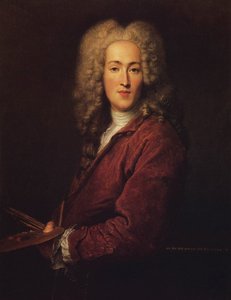
Nicolás Lancret
1690 - 1743 , Francia
Datos clave
- Artistas Influenciados Por Este Artista: ['François Boucher']
- Artistas Que Influyeron:
- Pierre d’Ulin
- Jean-Baptiste Gillot
- Antoine Watteau
- Fecha De Fallecimiento: 14 de septiembre de 1743
- Fecha De Nacimiento: 22 de enero de 1690
- Lugar De Nacimiento: París, Francia
- Movimiento Artístico: Rococó
- Nacionalidad: Francés
- Nombre Completo: Nicolas Lancret
- Obras Notables:
- Le Déjeuner de Jambon
- La Servante Justifiée
- Le Jeu des Quatre-Coins
- Marie-Anne de Camargo
Artículos relacionados

Rococó: 10 Obras Maestras que Definieron una Época | Arte y Decoración en
Descubre las 10 obras maestras del Rococó que marcaron una época. Explora la elegancia de Fragonard, Boucher y Watteau en . Reproducciones de arte de calidad museo para decorar tu hogar con estilo.

La Estética Rococó: Opulencia, Rebelión y Placer en el Arte del Siglo XVIII
Descubre la fascinante estética rococó: su historia, características clave y los artistas más influyentes del siglo XVIII. Un análisis profundo para amantes del arte y coleccionistas.
The Rococo Style: Aristocratic Leisure & the Pursuit of Delight in 18th-Century Art
Explore the opulent world of Rococo art! Discover Watteau, Boucher & Nattier's masterpieces. Expert insights for collectors seeking museum-quality reproductions and custom portraits at ArtsDot.
The Allure of Elegance in Art: A Historical & Aesthetic Exploration of Refinement & Grace
Explore the exquisite world of Rococo art! Discover its history, masters (Watteau, Boucher & more), and defining elegance. Expert insights for collectors seeking museum-quality reproductions & custom portraits.
Illuminating the Enlightenment: A Comprehensive Exploration of 18th-Century Painting
Explore the captivating world of 18th-century painting! Discover Rococo's playful elegance & Neoclassicism’s Enlightenment ideals with expert insights into Fragonard, David, and more. A comprehensive guide for art enthusiasts.