 Ver en contexto
 Enviar
 Compartir
 Detalles

 Descargar
 Similares
 Radiografía
 Presentación de diapositivas
 Stats
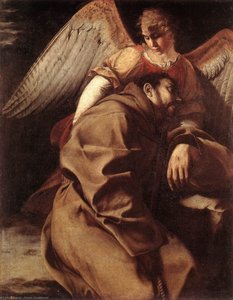
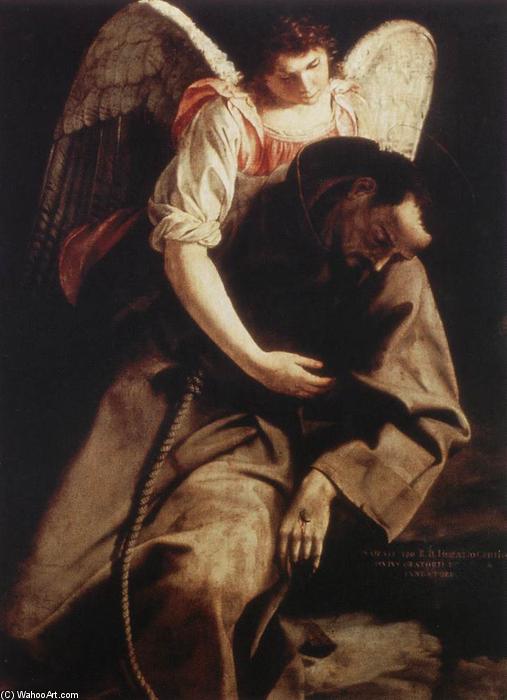
StatsSt Francis and the Angel
 Oil On Canvas
- WallArt
- Baroque
 1612
1612 133.0 x 98.0 cm
 Galleria Nazionale d’Arte Antica
 Ver más
Reproducción al óleo hecha a mano
Óleo sobre lienzo pintado a mano en el tamaño y marco de su elección, realizado por encargo por nuestros artistas. ( Switch to Print Switch to Digital Image)




P118B $10

P118H $10

P118W $10

P438Z $10

P508JH $12

P508YH $12

P805H $10

P805Z $10

P919BZ $10

P919G $10

P919XJ $10

P959ZH $10

P968JZ $12

W106C $8

W218G $10

W218JH $8

W218Y $10

W307PJ $10

W316G $10

W316PJ $8

W316Y $10

W398PJ $8

W4111J $10

W500HY $15

W500JH $15

W692G $12

W849H $8

W940BG $15

W953PJ $8




Elija entre nuestros tamaños predefinidos que respetan las proporciones originales de la obra.

Puede ingresar sus propias dimensiones para adaptarse a un marco o espacio específico. Si el tamaño seleccionado no coincide con las proporciones de la imagen original, recortaremos la obra o extenderemos la pintura con elementos adicionales pintados a mano. Se le enviará una maqueta digital para su aprobación antes de comenzar la producción.
Tenga en cuenta que la vista previa en pantalla no refleja el recorte o la extensión reales. Solo la maqueta mostrará con precisión la composición final.
Si bien existen tamaños personalizados, recomendamos seleccionar una dimensión de la lista predefinida para preservar las proporciones originales.
Tras realizar el pedido, el equipo de ArtsDot.com enviará un correo electrónico al cliente para solicitar instrucciones y proporcionarle una vista previa del boceto.
Envío a todo el mundo () en 3-4 semanas en lugar de las 5 semanas estándar. (7 septiembre). Sin comprometer la calidad.

Envío exprés gratuito a todo el mundo

Lienzo de lino de alta calidad

Seguro de envío total

Garantía de reembolso de impuestos aduaneros

Garantía de fidelidad cromática exacta

Política de devolución de 100 días (solo por defectos)

Garantía de devolución del 100% del dinero

Descuento por cantidad
 La opción de vidrio solo está disponible en tamaños inferiores a 110 cm.

St Francis and the Angel
Técnica de reproducción
Dimensiones de la reproducción
-


Precio total final
$ 263
A Moment of Divine Grace: Exploring Orazio Gentileschi’s St Francis and the Angel
The Galleria Nazionale d'Arte Antica in Rome holds within its walls a painting that transcends mere visual representation—Orazio Gentileschi’s “St Francis and the Angel,” completed in 1612, is an embodiment of Baroque spirituality and artistic mastery. More than just depicting a biblical narrative, Gentileschi’s masterpiece delves into themes of humility, faith, and divine compassion, capturing a pivotal moment in St Francis's life – his receiving the stigmata, marks of Christ’s suffering, from an angelic messenger. This profound scene resonates with viewers centuries later due to its masterful execution and enduring symbolic significance.The Baroque Vision: Light and Shadow as Instruments of Emotion
Gentileschi’s artistic approach firmly establishes him within the Baroque movement, a stylistic revolution that prioritized dramatic emotion and theatrical grandeur over the refined elegance of Mannerism. He skillfully employs chiaroscuro—the deliberate juxtaposition of light and dark—a technique championed by Caravaggio himself—to sculpt the figures against a somber backdrop. This masterful manipulation of illumination isn’t merely decorative; it serves as an emotional conduit, drawing attention to St Francis's kneeling posture and emphasizing the angel’s radiant luminescence. The darkness surrounding them amplifies the spiritual intensity of the encounter, conveying a palpable sense of reverence and awe.Compositional Harmony: Balance and Symbolism in Detail
The painting’s composition is meticulously balanced, reflecting the Baroque preoccupation with order and harmony. St Francis occupies the central position, dominating the canvas with his unwavering gaze directed upwards towards the angel. The angel’s outstretched wings ascend diagonally across the frame, creating a dynamic visual pathway that guides the viewer's eye. Notably, Gentileschi incorporates several symbolic elements—the lily held aloft by the angel represents purity and divine grace, mirroring St Francis’s own devotion to Mary and embodying Christian virtues. The artist’s meticulous attention to detail extends beyond mere representation; he painstakingly renders the textures of clothing and skin, conveying a remarkable realism that underscores the sanctity of the depicted scene.Historical Context: Rome Under Papal Patronage
“St Francis and the Angel” emerged during a period of fervent religious fervor in Rome under papal patronage—the Catholic Church actively commissioned artworks intended to inspire piety and reaffirm its authority. Gentileschi’s painting aligns perfectly with this artistic climate, reflecting the Baroque desire to communicate theological truths through visual splendor. The commission itself speaks volumes about the importance placed on biblical narratives within the cultural landscape of the time, demonstrating a commitment to portraying sacred stories with dramatic flair and emotional depth.Emotional Resonance: A Legacy of Spiritual Reflection
Ultimately, Gentileschi’s “St Francis and the Angel” transcends its historical context to evoke a powerful emotional response in viewers. The painting captures not only the physical act of stigmata but also the profound spiritual transformation experienced by St Francis—a testament to faith, humility, and acceptance of divine will. Its enduring appeal lies in its ability to convey timeless themes of compassion and devotion, prompting contemplation on the nature of spirituality and reminding us of the transformative power of grace. A reproduction of this iconic artwork can be found at https://ArtsDot.com for those seeking to experience the beauty and majesty of Baroque art firsthand.Obras relacionadas

Biografía del artista
Primeros Años y Formación
- Nacido: Toscana, Italia (1563)
- Fallecido: 1639
- Orazio Gentileschi comenzó su carrera en Roma, pintando en un estilo manierista. Gran parte de su trabajo inicial consistió en pintar figuras dentro de los esquemas decorativos de otros artistas.
- Se formó con el pintor umbro, Cola dell'Amata.
- Gentileschi también se vio influenciado por la obra de Francesco da Sangallo, un destacado arquitecto y escultor de la época.
Estilo Artístico e Influencias
- Su estilo se caracterizó por colores brillantes y composiciones dramáticas.
- Tras 1600, quedó bajo la influencia del estilo más naturalista de Caravaggio, adoptando una nueva sensibilidad.
- Las pinturas de Gentileschi a menudo representaban escenas bíblicas y temas mitológicos.
- Influencias Clave: Manierismo, Caravaggio
Obras Principales y Logros
- "Danae": Considerada una de sus obras más importantes, que muestra su habilidad para capturar la esencia de las historias mitológicas.
- "El Anuncio": Se encuentra en la Galleria Borghese en Roma.
- "La Virgen María": También se encuentra en la Galleria Borghese en Roma.
- Sus frescos y mosaicos para iglesias como Santa Maria Maggiore y San Giovanni Laterano demuestran su dominio de la pintura decorativa a gran escala.
Desarrollo y Evolución
- Inicialmente trabajó dentro de un estilo manierista, incorporando gradualmente elementos del naturalismo de Caravaggio.
- Desarrolló una versión más suave y refinada del estilo dramático de Caravaggio, caracterizada por una paleta más clara y detalles precisos.
- Sus obras posteriores muestran un estilo elegante y cortesano, que refleja su patrocinio en las cortes de María de Médici en París y Carlos I en Londres.
Significado Histórico y Legado
- El uso de colores brillantes y composiciones dramáticas por parte de Gentileschi influyó en el desarrollo del arte barroco.
- Fue uno de los primeros practicantes del caravaggismo en Inglaterra, impactando significativamente el panorama artístico allí.
- Su hija, Artemisia Gentileschi, se convirtió en una artista renombrada por derecho propio, continuando su legado y desarrollando aún más la tradición artística familiar.
- Sus obras se encuentran en museos y galerías de todo el mundo, incluyendo la Galería Uffizi en Florencia y la Galería Accademia en Venecia.
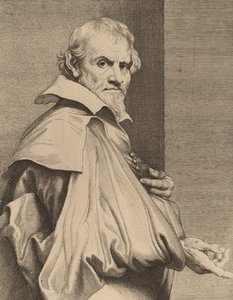
Orazio Gentileschi
1563 - 1639 , Italia
Datos clave
- Artistas Que Influyeron:
- Cola dell'Amata
- Francesco da Sangallo
- Caravaggio
- Fecha De Muerte: 7 de febrero de 1639
- Fecha De Nacimiento: 9 de julio de 1563
- Lugar De Nacimiento: Toscana, Italia
- Movimiento Artístico: Barroco
- Movimientos Influenciados: ['Caravaggismo']
- Nacionalidad: Italiana
- Nombre Completo: Orazio Gentileschi
- Obras Notables:
- Danae
- El Anuncio
- La Virgen María
- Santa Cecilia con un Ángel
Artículos relacionados
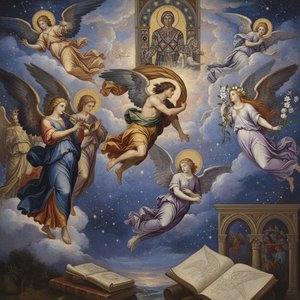
Celestial Messengers: Angels in Painting – A Historical & Artistic Exploration
Explore the captivating history of angels in painting! Discover symbolism, iconic Renaissance & Byzantine masterpieces, and renowned artists. Expert insights for art lovers & collectors at ArtsDot.

The Dramatic Flourish: Exploring the Baroque Movement's Enduring Legacy in Art History
Explore the dramatic world of Baroque art! Discover iconic artists like Caravaggio & Rubens, defining techniques, and its lasting impact on art history. Expert insights for collectors & enthusiasts at ArtsDot.
Francis Bacon: Las 25 Obras Maestras del Expresionismo y su Impacto en el Arte Moderno
Explora las 25 obras maestras de Francis Bacon, el expresionismo visceral y la angustia humana. Descubre retratos icónicos, trípticos impactantes y su legado en el arte moderno. Reproducciones de museo en ArtsDot.com.
El Greco: Las 25 Obras Maestras que Definen un Genio del Arte y la Fe
Descubre las 25 obras maestras de El Greco, el genio del Renacimiento español. Explora su arte religioso, manierismo y la historia detrás de cuadros icónicos como 'El Entierro del Conde de Orgaz'. Encuentra reproducciones de alta calidad en ArtsDot.com.
Celestial Messengers: A Comprehensive Exploration of Angelic Representation in Art History
Explore the captivating history of angels in art! Discover symbolism, iconic Renaissance masterpieces & renowned artists. Expert insights for art lovers & collectors at ArtsDot.