 Ver en contexto
 Enviar
 Compartir
 Detalles

 Descargar
 Similares
 Radiografía
 Presentación de diapositivas
Infância de Giotto [Giotto
 Acrylic On Canvas
- WallArt
- Antique Style Painting
 1895
1895 138.0 x 75.0 cm
 Pinacoteca do Estado de São Paulo
 Ver más
Giclée / Impresión de arte
Impresiones giclée o en lienzo de calidad de museo con producción rápida y opciones de acabado flexibles. ( Comprar pintura hecha a mano Comprar imagen)




P118B $10

P118H $10

P118W $10

P438Z $10

P508JH $12

P508YH $12

P805H $10

P805Z $10

P919BZ $10

P919G $10

P919XJ $10

P959ZH $10

P968JZ $12

W106C $8

W218G $10

W218JH $8

W218Y $10

W307PJ $10

W316G $10

W316PJ $8

W316Y $10

W398PJ $8

W4111J $10

W500HY $15

W500JH $15

W692G $12

W849H $8

W940BG $15

W953PJ $8




Elija entre nuestros tamaños predefinidos que respetan las proporciones originales de la obra.

Puede introducir sus propias dimensiones para adaptarse a un marco o espacio específico. Si el tamaño seleccionado no coincide con las proporciones de la imagen original, recortaremos la obra de arte o extenderemos la imagen con un borde con efecto espejo o de color sólido. Se enviará una maqueta digital para su aprobación antes de que comience la producción.
Tenga en cuenta que la vista previa en pantalla no refleja el recorte o la extensión real. Solo la maqueta mostrará con precisión la composición final.
Aunque existen tamaños personalizados, recomendamos seleccionar una dimensión de la lista predefinida para preservar las proporciones originales.
Envío a todo el mundo () en 2 semanas en lugar de las 4/5 semanas estándar. (23 agosto)

Envío exprés gratuito a todo el mundo

Lienzo de lino de alta calidad

Seguro de envío total

Garantía de reembolso de impuestos aduaneros

Garantía de fidelidad cromática exacta

Política de devolución de 60 días (solo por defectos)

Garantía de devolución del 100% del dinero

Descuento por cantidad
 La opción de vidrio solo está disponible en tamaños inferiores a 110 cm.

Infância de Giotto [Giotto
Giclée / Impresión de arte
Dimensiones de la reproducción
-


Precio total final
$ 62
Descripción de la pieza
The Genesis of a Vision: Oscar Pereira da Silva’s “Infância de Giotto”
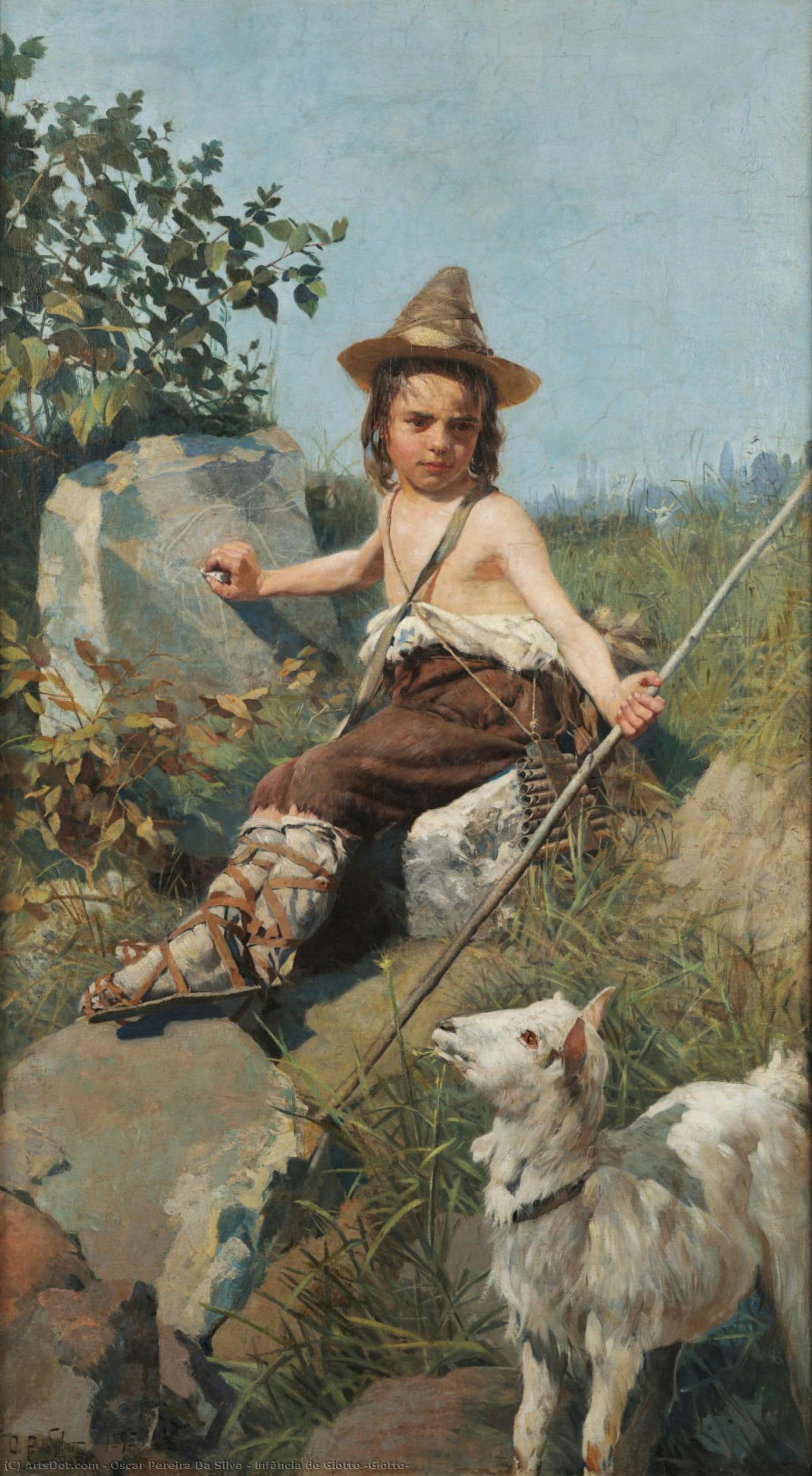
Oscar Pereira da Silva's "Infância de Giotto" (1895) isn’t merely a portrait; it’s a carefully constructed narrative, a poignant meditation on artistic lineage and the enduring spirit of innovation. The painting captures a young Giotto di Bondone, born in Tuscany around 1266, as he sketches a goat amidst the rolling hills of his childhood village – a scene meticulously rendered by Silva with a distinctively antique style that harkens back to the idealized forms of the Renaissance masters.
Silva’s choice to depict Giotto at such a formative age is profoundly significant. It's not a straightforward likeness, but rather an evocation of the artist’s early passion for observation and drawing – a foundational element that would ultimately shape his revolutionary approach to painting. The boy’s posture, alert yet contemplative, suggests a nascent talent, a spark of genius already evident in his hand poised over the chalk.
A Dialogue with Vasari: Reimagining History
The painting is deeply rooted in Giorgio Vasari's “Lives of the Most Excellent Painters,” which served as Silva’s primary source. Vasari famously recounted how Giotto, a humble shepherd boy, discovered his artistic abilities by sketching animals on the hillsides near Florence – a story that Silva brilliantly translates onto canvas. While acknowledging this foundational tale, Silva subtly diverges from Vasari's account, replacing the sharp stone with a piece of chalk and swapping the sheep for goats, injecting a touch of Brazilian realism into the Italian narrative.
This reimagining isn’t simply decorative; it reflects Silva’s own artistic sensibilities and his desire to connect the legacy of Giotto with the burgeoning art scene in Brazil. He skillfully blends elements of Italian Renaissance idealism with a distinctly Brazilian atmosphere, creating a unique visual dialogue between two distinct cultural traditions.
Technique and Atmosphere: A Symphony of Color
Silva’s masterful technique is immediately apparent in the painting's subdued yet luminous palette. Dominated by cool blues and greens, the composition exudes a sense of tranquility and serenity. The artist employs a delicate layering of paint, creating subtle gradations of tone that imbue the scene with depth and atmosphere. Notice how the light catches on the boy’s face and the goats’ fur, adding a tactile quality to the image.
The background, rendered in broad strokes, establishes a sense of rural simplicity – a timeless landscape that anchors the narrative within its historical context. The inclusion of two dogs further enhances the scene's charm, suggesting companionship and a connection to nature. Silva’s attention to detail is remarkable, particularly in capturing the boy’s expressive eyes and the subtle nuances of his posture.
Symbolism and Emotional Resonance
“Infância de Giotto” transcends its literal depiction to become a powerful symbol of artistic inspiration and the transformative power of observation. The painting speaks to the enduring legacy of Giotto, not just as a painter but as a pioneer who liberated art from the constraints of medieval tradition. It also celebrates the potential for creativity to emerge from humble beginnings – a message that resonates deeply with viewers today.
Beyond its historical and artistic significance, the painting evokes a sense of nostalgia and wonder. The image invites us to reflect on our own childhoods, our earliest encounters with art, and the moments when we first discovered our passions. “Infância de Giotto” is more than just a beautiful painting; it’s a timeless testament to the human spirit.
Obras relacionadas
![[hercule Florence] — Oscar Pereira Da Silva, Academic Portraiture](/media/artworks/images-thumb/6e/59/6e59d1f45a12e06cc4a46aa211b8e19f.jpg)
![L’enlèvement De Psyché [the Abduction Of Psyche] — Oscar Pereira Da Silva, Academic Historicism](/media/artworks/images-thumb/5f/a0/5fa0456cb481bd203147aae9eef9336a.jpg)
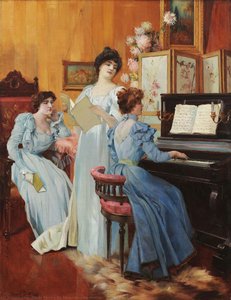
![Pas Mèche [nothing Doing] — Jules Bastien-lepage, Naturalist Painting](/media/artworks/images-thumb/01/c8/01c885499ff56bb2e6383eef008f6c1b.jpg)
![Autorretrato [self-portrait] — Oscar Pereira Da Silva](/media/artworks/images-thumb/f8/2c/f82c36e3c45761e537cad75f812a5b33.jpg)
Biografía del artista
Primeros Años y Formación
Oscar Pereira da Silva nació el 29 de agosto de 1867 en São Fidélis, Brasil. Comenzó su formación artística como estudiante en la Academia Imperial de Bellas Artes en 1882, donde estudió bajo la tutela de artistas destacados como Eliseu Visconti, Eduardo de Sá y João Batista da Costa. Su origen familiar era parte de la aristocracia portuguesa, lo que influyó en su educación y oportunidades.Carrera Artística y Estilo
La obra de Pereira da Silva se caracteriza por su atención a los eventos históricos brasileños, así como por numerosos retratos, obras religiosas, escenas de género, bodegones y paisajes. Un rasgo distintivo de su trabajo fue su desinterés por la tradición folclórica brasileña, optando en cambio por un estilo "antiguo" o neoclásico. Después de un período de estudio en Francia, donde fue alumno de Jean-Léon Gérôme y Léon Bonnat en la École des Beaux-Arts, desarrolló una carrera exitosa en São Paulo. Su formación académica francesa se evidencia en su técnica y temática.Obras Destacadas y Exposiciones
- Paisagem (55 x 46 cm, Pinacoteca do Estado de São Paulo): Un ejemplo notable de su trabajo paisajístico.
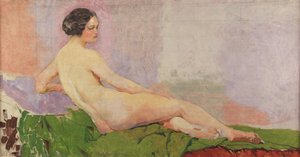
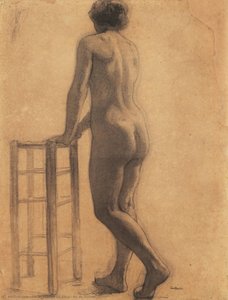
- Nu de mulher (62 x 47 cm, Pinacoteca do Estado de São Paulo): Demuestra su habilidad para capturar la figura humana.
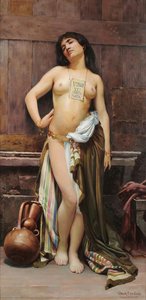
- Escrava Romana (146 x 72 cm, Pinacoteca do Estado de São Paulo): Una obra significativa que muestra sus representaciones históricas.
Legado e Importancia Histórica
El legado de Pereira da Silva se define por su singular combinación de pintura histórica y de género, lo que lo convierte en una figura clave en la historia del arte brasileño. Su obra refleja un período de transición en el arte brasileño, combinando influencias europeas con temas locales. Sus pinturas son exhibidas actualmente en la Pinacoteca do Estado de São Paulo y el Museu do Ipiranga, permitiendo a las generaciones futuras apreciar su contribución al patrimonio artístico nacional. Su elección de representar eventos históricos y figuras importantes lo posiciona como un cronista visual de su época.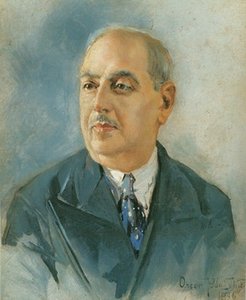
Oscar Pereira da Silva
1867 - 1939 , Brasil
Datos clave
- Artistas Influyentes:
- Eliseu Visconti
- Eduardo de Sá
- João Batista da Costa
- Jean-Léon Gérôme
- Léon Bonnat
- Fecha De Fallecimiento: 17 de enero de 1939
- Fecha De Nacimiento: 29 de agosto de 1867
- Lugar De Nacimiento: São Fidélis, Brasil
- Movimiento Artístico: Estilo antiguo
- Nacionalidad: Brasilera
- Nombre Completo: Oscar Pereira da Silva
- Obras Notables:
- Paisagem
- Nu de mulher
- Escrava Romana
Artículos relacionados

Giotto di Bondone: Las 25 Obras Maestras que Definieron el Renacimiento | ArtsDot
Descubre las 25 obras maestras de Giotto di Bondone, el pionero del Renacimiento. Explora la historia, técnica y simbolismo de sus frescos italianos más icónicos. Encuentra reproducciones de arte exclusivas para decorar tu hogar en ArtsDot.com.
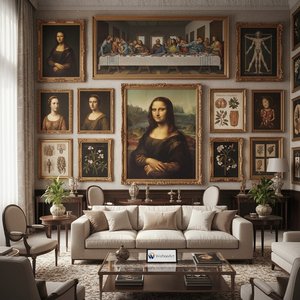
Leonardo da Vinci: Las 25 Obras Maestras que Definieron un Genio | ArtsDot
Descubre las 25 obras maestras de Leonardo da Vinci, desde la Mona Lisa hasta La Última Cena. Explora su arte renacentista, técnicas innovadoras y el legado del genio italiano. Reproducciones de alta calidad para decorar tu hogar con belleza y historia en ArtsDot.com.
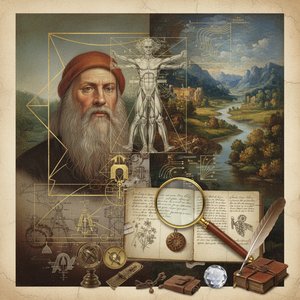
Leonardo da Vinci: Síntesis del Arte, la Ciencia y la Observación Humana en el Renacimiento – Una Reinterpretación para el Coleccionista
Descubra la síntesis del arte y la ciencia en Leonardo da Vinci. Análisis profundo de sus obras maestras, técnicas innovadoras y legado para coleccionistas exigentes. Una reinterpretación experta.
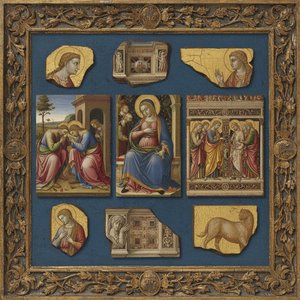
Proto-Renacimiento: 10 Obras Maestras que Cambiaron la Historia del Arte | ArtsDot
Descubre las 10 obras maestras del Proto Renacimiento que revolucionaron el arte italiano. Explora la historia de Giotto, Duccio y Cimabue. Reproducciones de arte en ArtsDot.com para decorar tu hogar con belleza atemporal.
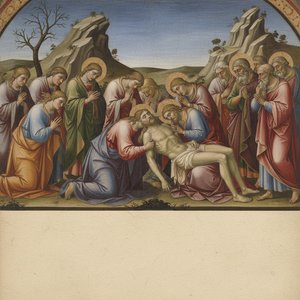
Giotto di Bondone: Revolutionizing Late Medieval Painting through Narrative Innovation
Explore the revolutionary art of Giotto di Bondone! Discover his groundbreaking techniques, iconic frescoes like those in the Arena Chapel, and lasting impact on Renaissance painting. A deep dive for art enthusiasts.