 Ver en contexto
 Enviar
 Compartir
 Detalles

 Descargar
 Similares
 Radiografía
 Presentación de diapositivas
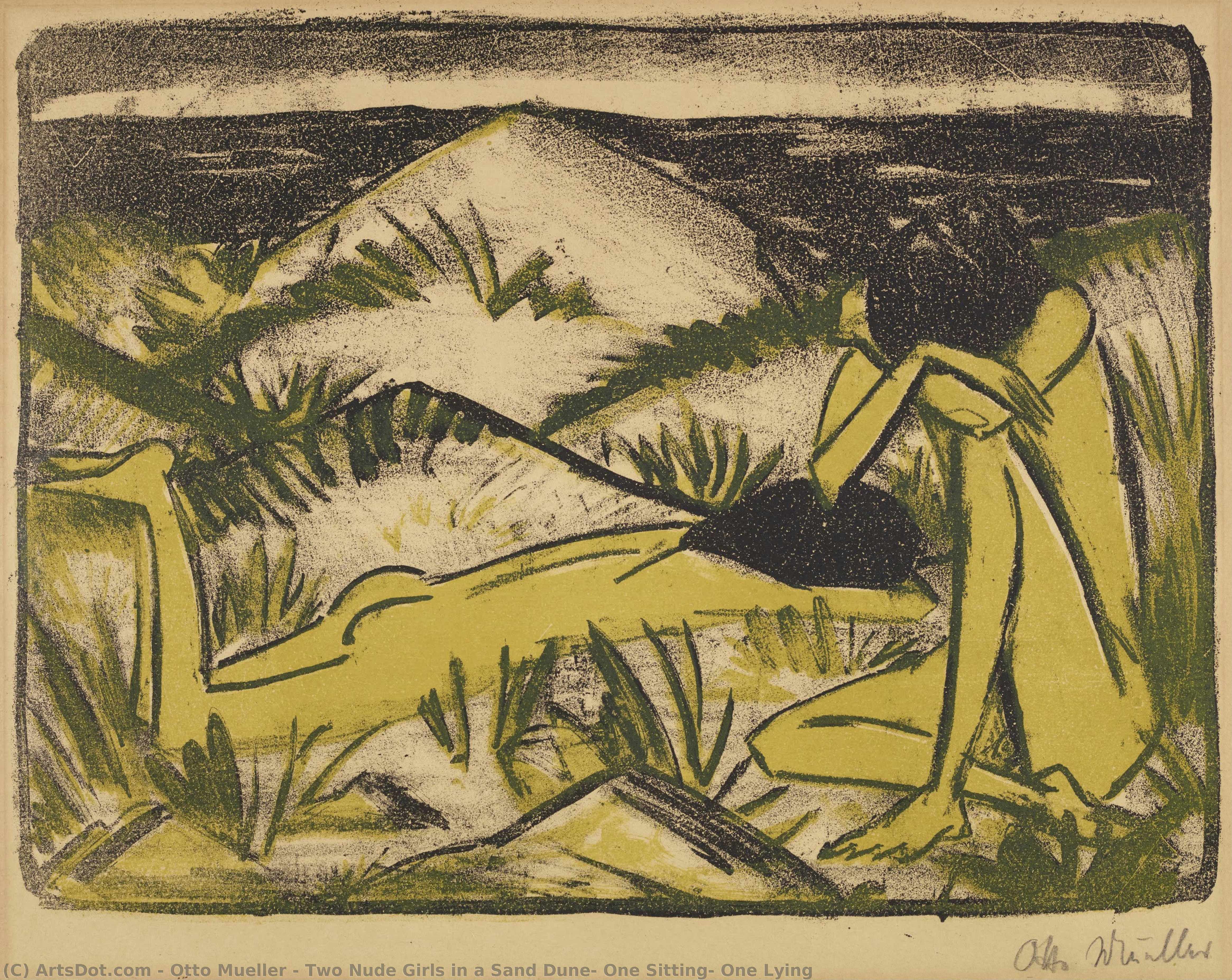
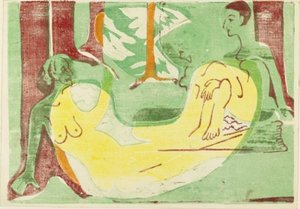
Dos chicas desnudas en una duna de arena, una sentada, otra tumbada


 Ver más
Giclée / Impresión de arte
Impresiones giclée o en lienzo de calidad de museo con producción rápida y opciones de acabado flexibles. ( Comprar pintura hecha a mano Comprar imagen)




P118B $10

P118H $10

P118W $10

P438Z $10

P508JH $12

P508YH $12

P805H $10

P805Z $10

P919BZ $10

P919G $10

P919XJ $10

P959ZH $10

P968JZ $12

W106C $8

W218G $10

W218JH $8

W218Y $10

W307PJ $10

W316G $10

W316PJ $8

W316Y $10

W398PJ $8

W4111J $10

W500HY $15

W500JH $15

W692G $12

W849H $8

W940BG $15

W953PJ $8




Elija entre nuestros tamaños predefinidos que respetan las proporciones originales de la obra.

Puede introducir sus propias dimensiones para adaptarse a un marco o espacio específico. Si el tamaño seleccionado no coincide con las proporciones de la imagen original, recortaremos la obra de arte o extenderemos la imagen con un borde con efecto espejo o de color sólido. Se enviará una maqueta digital para su aprobación antes de que comience la producción.
Tenga en cuenta que la vista previa en pantalla no refleja el recorte o la extensión real. Solo la maqueta mostrará con precisión la composición final.
Aunque existen tamaños personalizados, recomendamos seleccionar una dimensión de la lista predefinida para preservar las proporciones originales.
Envío a todo el mundo () en 2 semanas en lugar de las 4/5 semanas estándar. (24 agosto)

Envío exprés gratuito a todo el mundo

Lienzo de lino de alta calidad

Seguro de envío total

Garantía de reembolso de impuestos aduaneros

Garantía de fidelidad cromática exacta

Política de devolución de 60 días (solo por defectos)

Garantía de devolución del 100% del dinero

Descuento por cantidad
 La opción de vidrio solo está disponible en tamaños inferiores a 110 cm.

Dos chicas desnudas en una duna de arena, una sentada, otra tumbada
Giclée / Impresión de arte
Dimensiones de la reproducción
-


Precio total final
$ 62
Descripción de la pieza
A Moment Frozen in Time: Exploring Otto Mueller’s “Two Nude Girls in a Sand Dune”
Otto Mueller's "Two Nude Girls in a Sand Dune, One Sitting, One Lying," painted in 1924, stands as a poignant emblem of German Expressionism’s fascination with the raw beauty and inherent melancholy of the natural world. More than just a depiction of two figures amidst dunes at sunset; it's an artwork steeped in psychological depth and imbued with symbolic resonance that continues to captivate viewers today. Mueller’s artistic trajectory was marked by a profound connection to landscapes—particularly those inhabited by marginalized communities—a preoccupation that finds its fullest expression in this evocative composition.Style and Technique: Embracing Distortion for Emotional Truth
Mueller eschewed the polished surfaces of Impressionism, opting instead for a deliberately distorted style characteristic of Expressionist painters like Edvard Munch and Ernst Ludwig Kirchner. The artist employed thick impasto brushstrokes—a technique where paint is applied in layers to create texture—to convey not merely visual information but also palpable emotion. These bold strokes sculpt the sand dune itself, mirroring the undulating contours of the women’s bodies, creating a dynamic interplay between form and feeling. The muted palette – dominated by browns, ochres, and hints of crimson – reinforces this sense of subdued drama, prioritizing tonal variation over precise color representation. This stylistic choice wasn't merely aesthetic; it was a deliberate attempt to bypass rational observation and tap into the subconscious mind, mirroring the Expressionist impulse to confront anxieties about modernity and human vulnerability.Historical Context: The Expressionist Spirit Amidst Weimar Germany
Painted during the turbulent years of Weimar Republic Germany (1918-1933), “Two Nude Girls” reflects the broader artistic currents of the era—a reaction against academic conventions and a yearning for authenticity. Expressionism sought to express inner emotional states rather than objective reality, responding to the disillusionment following World War I and grappling with societal anxieties surrounding urbanization and industrialization. Mueller’s work aligns perfectly with this movement's core tenets, portraying figures rendered as vulnerable and exposed—a deliberate contrast to idealized representations prevalent in earlier artistic traditions. The painting speaks to a deeper concern for human experience, capturing not just the visual splendor of sunset but also the unspoken intimacy between the two women.Symbolism: Desert Landscape as Metaphor for Isolation and Vulnerability
The desolate sand dune serves as more than just a backdrop; it functions as a powerful symbol representing isolation, vulnerability, and perhaps even spiritual yearning. The positioning of the figures—one seated passively, one lying prone—suggests a state of contemplation and surrender to circumstance. The bird perched atop the dune adds another layer of symbolism – often interpreted as representing freedom or aspiration, yet simultaneously hinting at fragility and potential danger. Mueller’s masterful use of light enhances these symbolic implications, casting long shadows that emphasize the figures' vulnerability against the expansive expanse of the desert sky.Emotional Impact: A Quiet Resonance of Melancholy Beauty
Ultimately, “Two Nude Girls in a Sand Dune” transcends mere visual representation to evoke a profound emotional response. The painting’s understated palette and textured surface combine to create an atmosphere of quiet melancholy—a feeling that lingers long after viewing the artwork. Mueller's ability to convey complex psychological states through simplified forms speaks to the enduring power of art to communicate unspoken truths about human existence. It invites contemplation on themes of solitude, resilience, and the beauty found within moments of vulnerability – qualities that resonate powerfully with collectors and interior designers seeking pieces that inspire reflection and evoke a sense of timeless elegance.Obras relacionadas
Biografía del artista
**Primeros años y formación**
Otto Müller, pintor e impresor alemán, nació el 16 de octubre de 1874 en Liebau (actualmente Lubawka, condado de Kamienna Góra), Kreis Landeshut, Silesia, Polonia. Entre 1890 y 1892, se formó en litografía en Görlitz y Breslau. De 1894 a 1896, Müller estudió en la Academia de Bellas Artes de Dresde y continuó sus estudios en Múnich desde 1898.**Evolución artística y expresionismo**
Los primeros trabajos de Müller estuvieron influenciados por el impresionismo, el Jugendstil y el simbolismo. Sin embargo, al establecerse en Berlín en 1908, su estilo se volvió más expresionista. Durante este período, interactuó con figuras notables como Wilhelm Lehmbruck, Rainer Maria Rilke y Erich Heckel. En 1910, Müller se unió al grupo de Dresde 'Die Brücke', un momento crucial en su viaje expresionista.**Obras destacadas y estilo**
Las pinturas de Müller a menudo presentaban la unidad de los humanos y la naturaleza, caracterizadas por una simplificación armoniosa de la forma, el color y los contornos. Sus obras notables incluyen:- Paisajes inspirados en 'La noche estrellada'.
- Nudos expresivos y mujeres romaníes (gitanas), lo que le valió el apodo de "Gypsy Müller".
- Uso de témpera sobre lienzo grueso para un acabado superficial mate.
- Un prolífico impresor con casi todas sus grabados siendo litografías, junto con algunos grabados y aguafortas.
**Legado e impacto posterior a la guerra**
Müller luchó como soldado alemán en Francia y Rusia durante la Primera Guerra Mundial. Después de la guerra, se convirtió en profesor de la Akademie der Bildenden Künste en Breslau hasta su muerte el 24 de septiembre de 1930. En 1937, los nazis incautaron 357 de sus obras de museos alemanes, considerándolas "arte degenerado".**Influencias y desarrollo artístico**
La obra de Müller muestra una fascinación por la figura humana, especialmente las mujeres romaníes, retratadas con una sensibilidad única que combina elementos expresionistas y simbolistas. Su estilo se desarrolló a partir de influencias iniciales impresionistas y Jugendstil, pero evolucionó hacia una expresión más personal y emotiva al unirse a 'Die Brücke'. La simplificación de las formas, el uso audaz del color y la representación de figuras en entornos naturales son características distintivas de su obra. Su interés por la cultura romaní no solo se reflejó en sus retratos, sino también en su búsqueda de una conexión más profunda entre el ser humano y la naturaleza.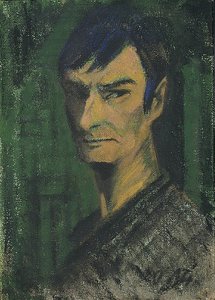
Otto Müller
1874 - 1930 , Polonia
Datos clave
- Artistas Que Influyeron:
- Wilhelm Lehmbruck
- Rainer Maria Rilke
- Erich Heckel
- Fecha De Fallecimiento: 24 de septiembre de 1930
- Fecha De Nacimiento: 16 de octubre de 1874
- Lugar De Nacimiento: Liebau, Polonia
- Movimiento Artístico: Expresionismo
- Nacionalidad: Alemán
- Nombre Completo: Otto Mueller
- Obras Notables:
- Paisajes inspirados en La noche estrellada
- Retratos de mujeres romaníes (gitanas)
Artículos relacionados

Blanco Sublime: Los 10 Cuadros Más Famosos Dominados por la Luz y el Color
Descubre los 10 cuadros blancos más emblemáticos de la historia del arte. Explora Monet, Van Gogh y Klimt, y su magistral uso de la luz y el color. Encuentra reproducciones de alta calidad e inspírate para tu decoración en .

Las 10 Pinturas Más Famosas Dominadas por el Negro | Arte y Decoración
Descubre las 10 pinturas más impactantes dominadas por el negro. Explora obras maestras de Rembrandt, Goya y Rothko, su historia y significado. Encuentra reproducciones de arte exclusivas para transformar tu hogar en .

Monochrome Visions: Exploring the Aesthetic & Historical Significance of Black & White Photography
Explore the rich history & artistic power of black and white photography. From early techniques to iconic masters like Ansel Adams, discover why monochrome continues to captivate art lovers today. Expert insights for collectors.
Las 10 Obras Maestras Dominadas por el Negro Marsella: Arte y Decoración
Descubre las 10 pinturas más famosas dominadas por el negro marsella. Explora la historia, técnica y simbolismo de obras maestras del expresionismo alemán, gótico y arte moderno. Reproducciones de museos en .
The Enduring Allure of the Nude: A Historical & Artistic Exploration of the Human Form
Explore the captivating history of nude art! Discover iconic paintings & artists from classical to modern eras. Uncover symbolism, techniques & find museum-quality reproductions at ArtsDot.