

 Vista previa
 Compartir
 Compartir
 Ver detalles

 Descargar
 Ver similares
 Radiografía
 Presentación de diapositivas
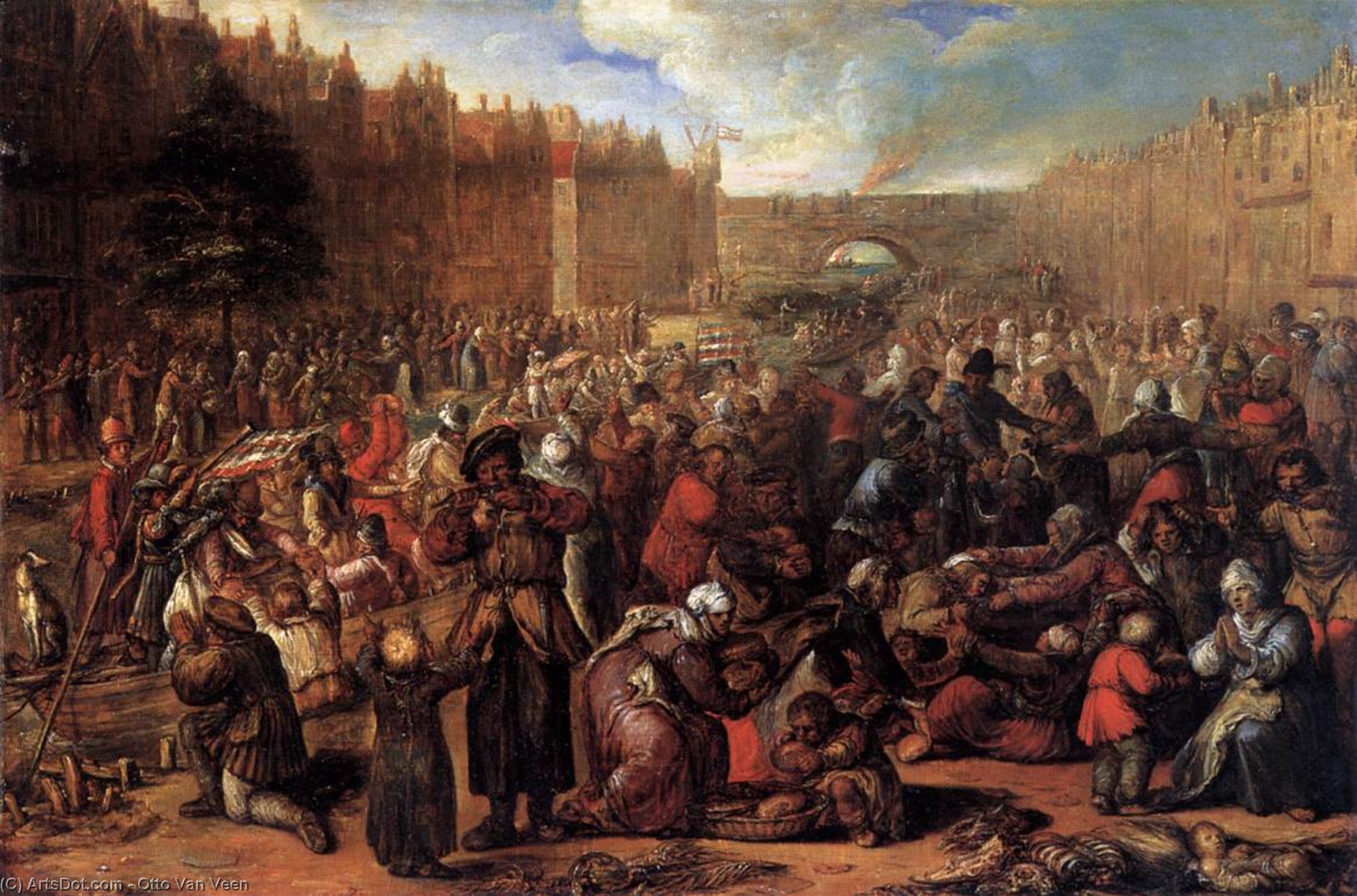
Distribution of Herring and White Bread during the Siege of Leiden
 Acrylic On Canvas
- WallArt
- Late Mannerism
 1574
1574 40.0 x 60.0 cm
 Rijksmuseum
 Leer más
Reproducción al óleo hecha a mano
Óleo sobre lienzo pintado a mano en el tamaño y marco de su elección, realizado por encargo por nuestros artistas. ( Pedir impresión Comprar descarga)




P118B $10

P118H $10

P118W $10

P438Z $10

P508JH $12

P508YH $12

P805H $10

P805Z $10

P919BZ $10

P919G $10

P919XJ $10

P959ZH $10

P968JZ $12

W106C $8

W218G $10

W218JH $8

W218Y $10

W307PJ $10

W316G $10

W316PJ $8

W316Y $10

W398PJ $8

W4111J $10

W500HY $15

W500JH $15

W692G $12

W849H $8

W940BG $15

W953PJ $8




Elija entre nuestros tamaños predefinidos que respetan las proporciones originales de la obra.

Puede ingresar sus propias dimensiones para adaptarse a un marco o espacio específico. Si el tamaño seleccionado no coincide con las proporciones de la imagen original, recortaremos la obra o extenderemos la pintura con elementos adicionales pintados a mano. Se le enviará una maqueta digital para su aprobación antes de comenzar la producción.
Tenga en cuenta que la vista previa en pantalla no refleja el recorte o la extensión reales. Solo la maqueta mostrará con precisión la composición final.
Si bien existen tamaños personalizados, recomendamos seleccionar una dimensión de la lista predefinida para preservar las proporciones originales.
Tras realizar el pedido, el equipo de ArtsDot.com enviará un correo electrónico al cliente para solicitar instrucciones y proporcionarle una vista previa del boceto.
Envío a todo el mundo () en 3-4 semanas en lugar de las 5 semanas estándar. (22 agosto). Sin comprometer la calidad.

Envío exprés gratuito a todo el mundo

Lienzo de lino de alta calidad

Seguro de envío completo

Garantía de reembolso de aranceles aduaneros

Garantía de fidelidad cromática exacta

Política de devolución de 60 días (solo por defectos)

Garantía de devolución del 100% del dinero

Oferta por volumen
 La opción de vidrio solo está disponible en tamaños inferiores a 110 cm.

Distribution of Herring and White Bread during the Siege of Leiden
Técnica de reproducción
Tamaño de la reproducción
-


Precio total
$ 263
Descripción de la obra
A Frozen Moment of Resilience: Otto van Veen’s “Distribution of Herring and White Bread”
Otto van Veen's "Distribution of Herring and White Bread during the Siege of Leiden," painted in 1574, isn’t merely a historical depiction; it’s a poignant tableau of human endurance amidst chaos. The scene unfolds within the besieged city of Leiden, a microcosm of the turbulent religious conflicts gripping the Netherlands at the time. Van Veen masterfully captures a pivotal moment – the arrival of relief supplies, specifically herring and white bread, offered by the rebel army to the starving populace trapped within the city walls. This painting transcends its historical subject matter, becoming an enduring symbol of community spirit, shared hardship, and the tenacious will to survive.
The composition is remarkably dynamic, a carefully orchestrated arrangement of figures and elements that draws the viewer directly into the heart of the scene. The foreground is dominated by a throng of people – men, women, and children – their faces etched with hunger and exhaustion. They are depicted in various postures: some kneeling in supplication, others reaching eagerly for the offered sustenance, while still others stand, supporting those less able to bear the weight of their ordeal. A few individuals, identifiable as soldiers, distribute the food, their gestures conveying a sense of urgency and compassion. The horses, strategically placed throughout the composition, add to the scene’s energy and movement, further emphasizing the immediacy of the event.
The Mannerist Palette: Style and Technique
Van Veen's style firmly resides within the Mannerism period, a distinctly European artistic movement that flourished in the late 16th century. Unlike the idealized forms of the High Renaissance, Mannerism favored elongated figures, dramatic poses, and an emphasis on emotional intensity over realistic representation. In “Distribution of Herring and White Bread,” this is evident in the subtly distorted proportions of some figures, particularly those reaching for the bread – a deliberate choice that amplifies their desperation. The artist employs a rich, layered technique, utilizing impasto—thickly applied paint—to create texture and depth, especially noticeable in the folds of clothing and the rough surfaces of the loaves themselves. The color palette is muted yet vibrant, dominated by earthy tones—ochres, browns, and grays—contrasted with the pale yellows and whites of the bread and the silvery sheen of the fish.
Van Veen’s use of light is particularly noteworthy. He employs a dramatic chiaroscuro effect – strong contrasts between light and shadow – to heighten the sense of drama and focus attention on key figures within the scene. The light source, seemingly originating from an unseen window or doorway, casts long shadows across the street, creating a theatrical atmosphere that underscores the precariousness of the situation.
Historical Context: Leiden Under Siege
To fully appreciate “Distribution of Herring and White Bread,” it’s crucial to understand the historical context in which it was created. The siege of Leiden (1574) was a defining moment in the Eighty Years' War, a protracted conflict between the Dutch Republic and Spain for independence. Leiden, a strategically important city located on the Rhine River, had been besieged by Spanish forces under the command of the Duke of Parma. The prolonged blockade resulted in severe food shortages and widespread suffering among the civilian population. The painting captures this desperate situation with remarkable accuracy, offering a visceral glimpse into the hardships endured by the people of Leiden during that tumultuous period.
The event depicted is documented as having occurred on October 3rd, 1574, when the rebel army finally broke through the siege lines and brought much-needed supplies to the starving citizens. The painting serves as a powerful reminder of this pivotal moment in Dutch history – a testament to the resilience of the people of Leiden and their determination to resist oppression.
Symbolism and Emotional Resonance
Beyond its historical accuracy, “Distribution of Herring and White Bread” is laden with symbolism. The bread and fish represent sustenance—not just physical nourishment but also hope and salvation. The act of distribution symbolizes generosity, compassion, and the bonds of community. The faces of the people in the painting – etched with hunger, weariness, and yet a flicker of gratitude – evoke a profound sense of empathy within the viewer. Van Veen’s masterful portrayal transforms a simple scene of relief efforts into a timeless meditation on human suffering, resilience, and the enduring power of shared humanity. The work continues to resonate today as an iconic image of hope amidst adversity.
Obras relacionadas
Biografía del artista
Primeros Años y Formación (1556-1579)
- Nacimiento y Familia: Otto van Veen nació alrededor de 1556 en Leiden, Países Bajos. Su padre, Cornelis Jansz. van Veen, ocupaba el cargo de burgomaestre en Leiden.
- Formación Temprana: Comenzó su formación artística bajo la tutela de Isaac Claesz van Swanenburg hasta 1572.
- Traslado a Amberes y Cambio Religioso: La familia se trasladó a Amberes en 1572, marcando un cambio hacia el catolicismo. Van Veen estudió entonces con Dominicus Lampsonius y Jean Ramée.
- Viajes e Influencia Romana: Alrededor de 1574 o 1575, viajó a Roma durante aproximadamente cinco años, posiblemente estudiando bajo Federico Zuccari. Este período influyó significativamente en su estilo artístico, exponiéndolo al arte del Renacimiento italiano.
Desarrollo Profesional y Patronazgo Real (1580-1600)
- Pintor de la Corte en Bruselas: Van Veen sirvió como pintor de la corte para Alejandro Farnesio, duque de Parma, el gobernador de los Países Bajos Meridionales, con sede en Bruselas. Este puesto le proporcionó un importante patrocinio y oportunidades.
- Regreso a Amberes y Membresía del Gremio: Regresó a Amberes y se convirtió en maestro del Gremio de San Lucas en 1593, consolidando su posición profesional.
- Enseñanza a Peter Paul Rubens: Un aspecto crucial de este período fue el papel de Van Veen como maestro del joven Peter Paul Rubens desde 1594 o 1595 hasta 1598. Inculcó en Rubens una educación clásica y una perspectiva humanista, que más tarde se convertirían en características distintivas de la propia carrera artística de Rubens.
- Comisiones Religiosas: Van Veen recibió numerosas comisiones para decoraciones eclesiásticas, incluyendo retablos para la Catedral de Amberes y una capilla dentro del ayuntamiento, demostrando su versatilidad y reputación.
Estilo Artístico y Libros de Emblemas (1600-1620)
- Influencias Manieristas: El estilo de Van Veen se caracteriza por el manierismo, evidente en las figuras alargadas, las poses elegantes y una estética refinada. Su obra refleja la influencia del arte del Renacimiento italiano que conoció durante su estancia en Roma.
- Temas Humanistas: Como "pictor doctus" (pintor erudito), Van Veen incorporó temas humanistas a su obra de arte, reflejando sus búsquedas intelectuales.
- Libros de Emblemas: Una contribución significativa a su legado fue la creación de varios libros de emblemas, incluyendo Quinti Horatii Flacci Emblemata (1607), Amorum Emblemata (1608) y Amoris Divini Emblemata (1615). Estas obras combinaban imágenes con texto, transmitiendo mensajes morales y filosóficos.
- Popularidad de *Amorum Emblemata*: El Amorum Emblemata demostró ser particularmente influyente, sirviendo como modelo para otros libros de emblemas e inspirando a artistas en diversos campos. Presentaba numerosos putti (pequeños cupidos) representando lemas y citas de fuentes clásicas sobre el tema del amor.
Años Posteriores y Legado (1620-1629)
- Continuo Servicio Real: Van Veen continuó trabajando para los archiduques Alberto e Isabel, aunque nunca ostentó el título formal de pintor de la corte.
- Serie sobre Historia Romana y Batava: Produjo una serie de doce pinturas que representan batallas entre romanos y bátavos, basadas en grabados que había publicado previamente. Este proyecto fue encargado por las Provincias Unidas.
- Roles del Gremio y Cívicos: Van Veen ocupó posiciones destacadas dentro de la comunidad artística de Amberes, sirviendo como decano del Gremio de San Lucas (1602) y entre los Romanistas (1606).
- Familia de Artistas: Provenía de una familia con talento artístico; su hermano Gijsbert fue grabador, y su hija Gertruid también fue pintora. Sus sobrinos fueron pastelistas.
- Muerte y Reconocimiento: Otto van Veen murió en Bruselas en 1629. Arnold Houbraken lo reconoció como el artista y erudito más impresionante de su día, incluyendo su retrato en la página del título de su libro, De Groote Schouburgh der Nederlantsche Konstschilders en Schildersessen.
Significado Histórico
- Influencia en Rubens: Su papel como maestro de Peter Paul Rubens fue profundamente significativo, moldeando el desarrollo intelectual y artístico del joven artista.
- Pionero de los Libros de Emblemas: Los libros de emblemas de Van Veen fueron innovadores e influyentes, contribuyendo a la popularidad de este género a principios del siglo XVII.
- Representante del Manierismo: Representa una figura clave dentro del movimiento manierista flamenco, uniendo el Renacimiento y los períodos barrocos.
- Artista Humanista: Su compromiso con el aprendizaje clásico y los ideales humanistas lo distinguen como una importante figura intelectual en el mundo del arte.
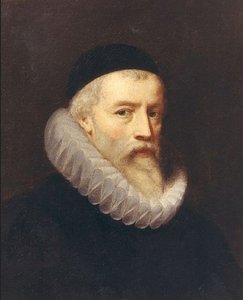
Otto van Veen
1556 - 1629 , Países Bajos
Datos clave
- Artistas Influenciados: ['Peter Paul Rubens']
- Artistas Que Influyeron:
- Isaac Claesz van Swanenburg
- Dominicus Lampsonius
- Jean Ramey
- Federico Zuccari
- Fecha De Fallecimiento: 1629
- Fecha De Nacimiento: 1556
- Lugar De Nacimiento: Leiden, Países Bajos
- Movimiento Artístico: Manierismo
- Nacionalidad: Flamenco
- Nombre Completo: Otto van Veen
- Obras Notables:
- La decapitación de Claudio Paulo
- Los romanos casi vencen al ejército
- Las negociaciones de paz entre Julio
- Los bátavos sitian al ejército romano
- Los bátavos derrotan a los romanos
Artículos relacionados

Los 10 Maestros del Barroco Holandés: Obras que Definen una Época | ArtsDot
Descubre los 10 imprescindibles del Barroco holandés: Rembrandt, Vermeer y más. Explora la historia, técnica y belleza de estas obras maestras. Reproducciones de arte en ArtsDot.com para decorar tu hogar con elegancia.

Rembrandt van Rijn: Las 25 Obras Maestras que Definen un Genio | Arte, Historia y Decoración
Descubre las 25 obras maestras de Rembrandt van Rijn, el genio del barroco holandés. Explora su historia, técnica y simbolismo en retratos icónicos como 'La Ronda Nocturna'. Encuentra reproducciones de arte exclusivas para decorar tu hogar con ArtsDot.com.
Cornelis van Poelenburch: Bridging Mannerism & the Dutch Baroque Landscape
Discover Cornelis van Poelenburch, a pivotal Dutch Baroque landscape painter bridging Mannerism & Italianate styles. Explore his life, key works, and lasting influence on 17th-century art with ArtsDot.

Reflejos de una Época Dorada: La Pintura Barroca Holandesa y la Innovación Cultural
Descubra la riqueza y el detalle de la pintura barroca holandesa del Siglo de Oro. Explore las obras maestras de Rembrandt, Vermeer y otros artistas clave. Análisis experto e historia cultural.
Adriaen van Ostade: A Master of Dutch Genre Painting & Social Commentary
Explore the life & work of Adriaen van Ostade, a leading Dutch Golden Age painter. Discover his realistic genre scenes, social commentary, and lasting influence on art history. Learn more at ArtsDot.

