

 Ver en contexto
 Enviar
 Compartir
 Detalles

 Descargar
 Similares
 Radiografía
 Presentación de diapositivas
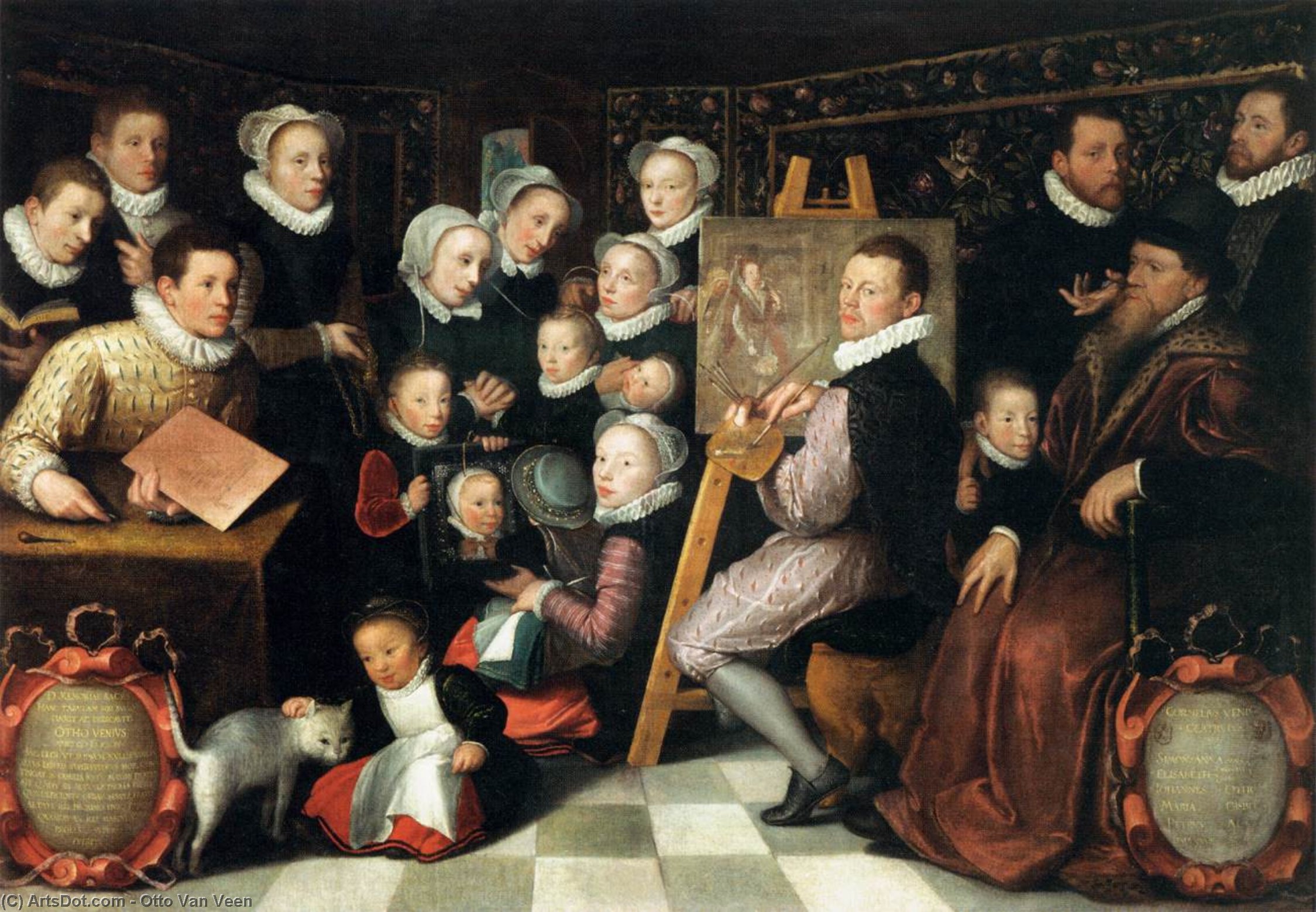
The Artist Painting, Surrounded by his Family
 Oil On Canvas
- WallArt
- Baroque
 1584
1584- Early Modern
 176.0 x 250.0 cm
 Museo del Louvre
 Ver más
Giclée / Impresión de arte
Impresiones giclée o en lienzo de calidad de museo con producción rápida y opciones de acabado flexibles. ( Comprar pintura hecha a mano Comprar imagen)




P118B $10

P118H $10

P118W $10

P438Z $10

P508JH $12

P508YH $12

P805H $10

P805Z $10

P919BZ $10

P919G $10

P919XJ $10

P959ZH $10

P968JZ $12

W106C $8

W218G $10

W218JH $8

W218Y $10

W307PJ $10

W316G $10

W316PJ $8

W316Y $10

W398PJ $8

W4111J $10

W500HY $15

W500JH $15

W692G $12

W849H $8

W940BG $15

W953PJ $8




Elija entre nuestros tamaños predefinidos que respetan las proporciones originales de la obra.

Puede introducir sus propias dimensiones para adaptarse a un marco o espacio específico. Si el tamaño seleccionado no coincide con las proporciones de la imagen original, recortaremos la obra de arte o extenderemos la imagen con un borde con efecto espejo o de color sólido. Se enviará una maqueta digital para su aprobación antes de que comience la producción.
Tenga en cuenta que la vista previa en pantalla no refleja el recorte o la extensión real. Solo la maqueta mostrará con precisión la composición final.
Aunque existen tamaños personalizados, recomendamos seleccionar una dimensión de la lista predefinida para preservar las proporciones originales.
Envío a todo el mundo () en 2 semanas en lugar de las 4/5 semanas estándar. (5 septiembre)

Envío exprés gratuito a todo el mundo

Lienzo de lino de alta calidad

Seguro de envío total

Garantía de reembolso de impuestos aduaneros

Garantía de fidelidad cromática exacta

Política de devolución de 60 días (solo por defectos)

Garantía de devolución del 100% del dinero

Descuento por cantidad
 La opción de vidrio solo está disponible en tamaños inferiores a 110 cm.

The Artist Painting, Surrounded by his Family
Giclée / Impresión de arte
Dimensiones de la reproducción
-


Precio total final
$ 62
A Domestic Tableau of Creative Genius
To gaze upon this magnificent scene is to step directly into the vibrant, bustling heart of an artistic household in the late sixteenth century. The composition centers around a figure who embodies the very act of creation—the artist himself, poised with his brush before a waiting canvas. Yet, what elevates this portrait beyond a mere depiction of skill is the profound sense of community surrounding him. He is not isolated in his genius; rather, he is enveloped by the warmth and varied gazes of his family. The sheer number of figures, numbering at least thirteen souls, creates an immediate, almost palpable atmosphere of domestic life intersecting with professional endeavor. One can almost hear the murmur of conversation, the gentle rustle of garments, and the focused silence that accompanies deep contemplation.
Historical Echoes: Life in the Late Renaissance
Dating to 1584, this work captures a moment steeped in the cultural ferment of the late Northern Renaissance period. The life of Otto van Veen, the presumed hand behind such an evocative scene, mirrors the turbulent yet intellectually rich times of the Low Countries. This era was one of profound transition, where humanist ideals wrestled with burgeoning religious and social shifts. Such large-scale group portraits were not merely records; they were carefully constructed statements about lineage, status, and shared values. The gathering itself speaks to a time when art patronage was deeply interwoven with family identity, suggesting that the artist’s success was viewed not just as personal achievement, but as a boon to his entire kin.
Mastery of Group Composition and Technique
The technical brilliance displayed here is remarkable. The handling of light across so many figures—some seated in repose, others standing attentively—demonstrates an extraordinary command over pictorial space. The artist has managed to weave numerous individual narratives into one cohesive whole without allowing any single person or element to feel lost. Observe the varied postures: the casual lean against a chair contrasting with the upright attention of those observing the central action. This complexity requires not only skilled draftsmanship but also a sophisticated understanding of compositional balance, ensuring that despite the crowd, the eye is gently guided back to the focal point—the artist at work.
Symbolism of Observation and Legacy
The symbolism within this painting is rich for contemplation. The family members surrounding the painter are not simply props; they represent the audience, the inspiration, and perhaps the legacy itself. Their collective gaze acts as a mirror to the viewer, inviting us to consider what it means to be witnessed while creating. Is their observation critical, supportive, or merely curious? This ambiguity is key to the painting's enduring emotional resonance. It speaks to the universal human experience of creation—the need for an audience, the weight of expectation, and the quiet joy found in sharing one’s deepest passions with those we love.
Bringing the Masterpiece Home
For collectors or designers seeking a piece that anchors a room with both historical gravitas and intimate warmth, this reproduction offers unparalleled depth. Owning an artwork echoing such a significant moment—the confluence of family life and artistic vocation—is to possess a narrative centerpiece. The rich tonality and the sheer scale (176 x 250 cm) ensure that it commands attention, transforming any space into a gallery worthy of contemplation. It is more than decoration; it is an heirloom conversation starter.
Obras relacionadas



Biografía del artista
Primeros Años y Formación (1556-1579)
- Nacimiento y Familia: Otto van Veen nació alrededor de 1556 en Leiden, Países Bajos. Su padre, Cornelis Jansz. van Veen, ocupaba el cargo de burgomaestre en Leiden.
- Formación Temprana: Comenzó su formación artística bajo la tutela de Isaac Claesz van Swanenburg hasta 1572.
- Traslado a Amberes y Cambio Religioso: La familia se trasladó a Amberes en 1572, marcando un cambio hacia el catolicismo. Van Veen estudió entonces con Dominicus Lampsonius y Jean Ramée.
- Viajes e Influencia Romana: Alrededor de 1574 o 1575, viajó a Roma durante aproximadamente cinco años, posiblemente estudiando bajo Federico Zuccari. Este período influyó significativamente en su estilo artístico, exponiéndolo al arte del Renacimiento italiano.
Desarrollo Profesional y Patronazgo Real (1580-1600)
- Pintor de la Corte en Bruselas: Van Veen sirvió como pintor de la corte para Alejandro Farnesio, duque de Parma, el gobernador de los Países Bajos Meridionales, con sede en Bruselas. Este puesto le proporcionó un importante patrocinio y oportunidades.
- Regreso a Amberes y Membresía del Gremio: Regresó a Amberes y se convirtió en maestro del Gremio de San Lucas en 1593, consolidando su posición profesional.
- Enseñanza a Peter Paul Rubens: Un aspecto crucial de este período fue el papel de Van Veen como maestro del joven Peter Paul Rubens desde 1594 o 1595 hasta 1598. Inculcó en Rubens una educación clásica y una perspectiva humanista, que más tarde se convertirían en características distintivas de la propia carrera artística de Rubens.
- Comisiones Religiosas: Van Veen recibió numerosas comisiones para decoraciones eclesiásticas, incluyendo retablos para la Catedral de Amberes y una capilla dentro del ayuntamiento, demostrando su versatilidad y reputación.
Estilo Artístico y Libros de Emblemas (1600-1620)
- Influencias Manieristas: El estilo de Van Veen se caracteriza por el manierismo, evidente en las figuras alargadas, las poses elegantes y una estética refinada. Su obra refleja la influencia del arte del Renacimiento italiano que conoció durante su estancia en Roma.
- Temas Humanistas: Como "pictor doctus" (pintor erudito), Van Veen incorporó temas humanistas a su obra de arte, reflejando sus búsquedas intelectuales.
- Libros de Emblemas: Una contribución significativa a su legado fue la creación de varios libros de emblemas, incluyendo Quinti Horatii Flacci Emblemata (1607), Amorum Emblemata (1608) y Amoris Divini Emblemata (1615). Estas obras combinaban imágenes con texto, transmitiendo mensajes morales y filosóficos.
- Popularidad de *Amorum Emblemata*: El Amorum Emblemata demostró ser particularmente influyente, sirviendo como modelo para otros libros de emblemas e inspirando a artistas en diversos campos. Presentaba numerosos putti (pequeños cupidos) representando lemas y citas de fuentes clásicas sobre el tema del amor.
Años Posteriores y Legado (1620-1629)
- Continuo Servicio Real: Van Veen continuó trabajando para los archiduques Alberto e Isabel, aunque nunca ostentó el título formal de pintor de la corte.
- Serie sobre Historia Romana y Batava: Produjo una serie de doce pinturas que representan batallas entre romanos y bátavos, basadas en grabados que había publicado previamente. Este proyecto fue encargado por las Provincias Unidas.
- Roles del Gremio y Cívicos: Van Veen ocupó posiciones destacadas dentro de la comunidad artística de Amberes, sirviendo como decano del Gremio de San Lucas (1602) y entre los Romanistas (1606).
- Familia de Artistas: Provenía de una familia con talento artístico; su hermano Gijsbert fue grabador, y su hija Gertruid también fue pintora. Sus sobrinos fueron pastelistas.
- Muerte y Reconocimiento: Otto van Veen murió en Bruselas en 1629. Arnold Houbraken lo reconoció como el artista y erudito más impresionante de su día, incluyendo su retrato en la página del título de su libro, De Groote Schouburgh der Nederlantsche Konstschilders en Schildersessen.
Significado Histórico
- Influencia en Rubens: Su papel como maestro de Peter Paul Rubens fue profundamente significativo, moldeando el desarrollo intelectual y artístico del joven artista.
- Pionero de los Libros de Emblemas: Los libros de emblemas de Van Veen fueron innovadores e influyentes, contribuyendo a la popularidad de este género a principios del siglo XVII.
- Representante del Manierismo: Representa una figura clave dentro del movimiento manierista flamenco, uniendo el Renacimiento y los períodos barrocos.
- Artista Humanista: Su compromiso con el aprendizaje clásico y los ideales humanistas lo distinguen como una importante figura intelectual en el mundo del arte.
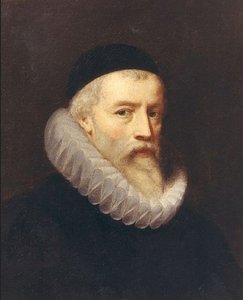
Otto van Veen
1556 - 1629 , Países Bajos
Datos clave
- Artistas Influenciados: ['Peter Paul Rubens']
- Artistas Que Influyeron:
- Isaac Claesz van Swanenburg
- Dominicus Lampsonius
- Jean Ramey
- Federico Zuccari
- Fecha De Fallecimiento: 1629
- Fecha De Nacimiento: 1556
- Lugar De Nacimiento: Leiden, Países Bajos
- Movimiento Artístico: Manierismo
- Nacionalidad: Flamenco
- Nombre Completo: Otto van Veen
- Obras Notables:
- La decapitación de Claudio Paulo
- Los romanos casi vencen al ejército
- Las negociaciones de paz entre Julio
- Los bátavos sitian al ejército romano
- Los bátavos derrotan a los romanos
Artículos relacionados

Rembrandt van Rijn: Las 25 Obras Maestras que Definen un Genio | Arte, Historia y Decoración
Descubre las 25 obras maestras de Rembrandt van Rijn, el genio del barroco holandés. Explora su historia, técnica y simbolismo en retratos icónicos como 'La Ronda Nocturna'. Encuentra reproducciones de arte exclusivas para decorar tu hogar con ArtsDot.com.

Giclée Prints: Archival Quality & Aesthetic Nuances for the Discerning Collector
Explore the world of giclée prints with ArtsDot. Learn about archival quality, aesthetic nuances & investment potential. Expert guidance for discerning art collectors seeking museum-quality reproductions and lasting value.

The Enduring Legacy of Fine Art Prints: Technique, History & Aesthetic Impact
Explore the rich history & techniques of fine art prints. Discover investment potential, assess authenticity, and learn how to preserve your collection with expert guidance. Trusted insights for discerning collectors.
Los 10 Maestros del Primitivo Flamenco: Obras que Definen un Arte Inigualable | ArtsDot
Descubre los 10 imprescindibles del Primitivo Flamenco: Jan van Eyck, Robert Campin y más. Explora la historia, simbolismo y técnica de estas obras maestras renacentistas tempranas. Encuentra reproducciones de arte de museo en ArtsDot.com.

Echoes of Time: Exploring the Enduring Appeal & Historical Context of Vintage Art Prints
Explore the captivating world of vintage art prints! Discover their history, collecting tips & enduring appeal. Expert insights on chromolithography and building a legacy collection with ArtsDot.

