 Ver en contexto
 Enviar
 Compartir
 Detalles

 Descargar
 Similares
 Radiografía
 Presentación de diapositivas
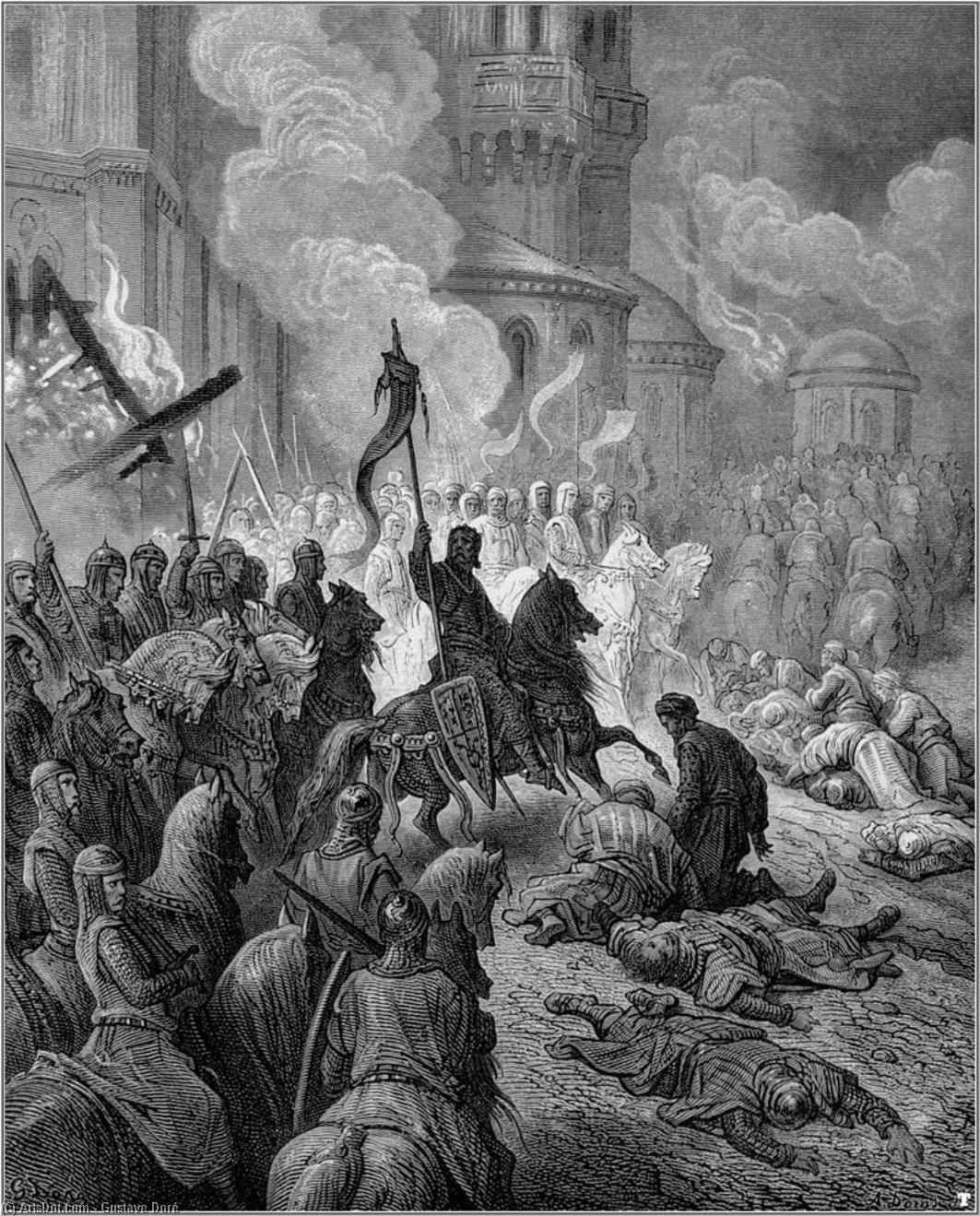
Entrada de los Cruzados en Constantinopla en 1204


 Ver más
Reproducción al óleo hecha a mano
Óleo sobre lienzo pintado a mano en el tamaño y marco de su elección, realizado por encargo por nuestros artistas. ( Comprar impresión Comprar imagen)




P118B $10

P118H $10

P118W $10

P438Z $10

P508JH $12

P508YH $12

P805H $10

P805Z $10

P919BZ $10

P919G $10

P919XJ $10

P959ZH $10

P968JZ $12

W106C $8

W218G $10

W218JH $8

W218Y $10

W307PJ $10

W316G $10

W316PJ $8

W316Y $10

W398PJ $8

W4111J $10

W500HY $15

W500JH $15

W692G $12

W849H $8

W940BG $15

W953PJ $8




Elija entre nuestros tamaños predefinidos que respetan las proporciones originales de la obra.

Puede ingresar sus propias dimensiones para adaptarse a un marco o espacio específico. Si el tamaño seleccionado no coincide con las proporciones de la imagen original, recortaremos la obra o extenderemos la pintura con elementos adicionales pintados a mano. Se le enviará una maqueta digital para su aprobación antes de comenzar la producción.
Tenga en cuenta que la vista previa en pantalla no refleja el recorte o la extensión reales. Solo la maqueta mostrará con precisión la composición final.
Si bien existen tamaños personalizados, recomendamos seleccionar una dimensión de la lista predefinida para preservar las proporciones originales.
Tras realizar el pedido, el equipo de ArtsDot.com enviará un correo electrónico al cliente para solicitar instrucciones y proporcionarle una vista previa del boceto.
Envío a todo el mundo () en 3-4 semanas en lugar de las 5 semanas estándar. (28 agosto). Sin comprometer la calidad.

Envío exprés gratuito a todo el mundo

Lienzo de lino de alta calidad

Seguro de envío total

Garantía de reembolso de impuestos aduaneros

Garantía de fidelidad cromática exacta

Política de devolución de 60 días (solo por defectos)

Garantía de devolución del 100% del dinero

Descuento por cantidad
 La opción de vidrio solo está disponible en tamaños inferiores a 110 cm.

Entrada de los Cruzados en Constantinopla en 1204
Técnica de reproducción
Dimensiones de la reproducción
-


Precio total final
$ 563
Entry of the Crusaders in Constantinople in 1204: Unveiling the Drama of Triumph and Ruin
Paul Gustave Doré’s lithograph, “Entry of the Crusaders in Constantinople in 1204,” transcends mere visual representation; it stands as a visceral embodiment of Romantic drama—a meticulously crafted chronicle of one of history's most tumultuous confrontations. Published in 1877, this artwork commands attention not merely through its depiction of the Fourth Crusade’s siege and conquest of Byzantium but also through Doré’s unparalleled artistic prowess and his masterful command of the lithographic medium. The scene captures the palpable anticipation preceding the assault, reflecting the anxieties surrounding this audacious undertaking by crusading armies led by Richard I (“The Lionheart”), Philip II Augustus, and Frederick Barbarossa—a pivotal moment reshaping European geopolitics and marking the definitive end of Byzantine dominion.Historical Context: A Crusade Driven By Ambition
The Fourth Crusade began with noble aspirations – liberating Jerusalem from Muslim control – yet swiftly spiraled into avarice and ambition as crusaders redirected their gaze toward Constantinople, a city overflowing with wealth and prestige. Doré’s depiction powerfully conveys the atmosphere of apprehension preceding the siege, mirroring the anxieties surrounding this audacious endeavor. The motivations behind the crusade were complex, fueled by religious fervor but equally driven by papal ambitions to expand Christendom's influence and seize imperial riches. Understanding these underlying tensions illuminates the artwork’s dramatic narrative and underscores its significance within the broader context of medieval European history.Style & Technique: Mastering Lithography for Dramatic Impact
Doré’s genius resided in his ability to translate historical narratives into visual form utilizing the lithographic process—a technique that distinguishes itself from painting by prioritizing tonal precision and detail. Unlike pigment-based mediums, lithography employs a stone or metal plate etched with an image, allowing for astonishing tonal variation and capturing textures with remarkable fidelity. The artist’s meticulous hatching and cross-hatching technique dominates the composition, creating surfaces reminiscent of weathered stone buildings and armor—a testament to Doré's unwavering dedication to realism. This painstaking process ensured that every nuance of light and shadow conveyed not only visual information but also psychological depth, elevating “Entry of the Crusaders” beyond a simple illustration into an immersive experience for the viewer.Composition & Visual Narrative: Guiding the Eye Towards Triumph
The artwork’s dynamic arrangement immediately grabs attention. At its core stands Richard I (“The Lionheart”), mounted on horseback and positioned centrally—a commanding figure radiating leadership and ambition. Converging lines skillfully direct the eye upwards toward this focal point, emphasizing his authority amidst a throng of Crusaders eager for battle. Doré meticulously arranges figures and buildings to create depth, layering elements that heighten the dramatic tension inherent in the siege. The inclusion of fallen warriors serves as poignant reminders of the human cost of conquest—a deliberate compositional choice designed to amplify the artwork’s emotional resonance.Symbolism & Emotional Resonance: Darkness Amidst Glory
“Entry of the Crusaders” resonates with profound symbolic meaning, extending far beyond its historical depiction. The triumphant posture of Richard I embodies courage and determination, yet shadowed by the grim reality of violence and loss—a duality that encapsulates the complexities of human ambition. Doré’s masterful manipulation of light and dark—particularly chiaroscuro—amplifies these emotions, creating a palpable sense of suspense and impending doom. The depiction of Constantinople itself symbolizes Byzantine grandeur and resilience, juxtaposed against the encroaching forces of Western avarice—a visual metaphor for the clash between faith and power that defines the era.Concluding Reflection: Doré’s Legacy Endures
Ultimately, “Entry of the Crusaders in Constantinople” secures Gustave Doré's place as one of Romanticism’s most influential illustrators—a masterpiece achieved through unwavering artistic dedication and a profound understanding of visual storytelling. The lithographic process itself serves as an instrument of artistic expression, mirroring the artist’s meticulous attention to detail and tonal nuance. This image continues to captivate audiences today, offering not only a glimpse into history but also a powerful meditation on themes of triumph, ruin, and the enduring human spirit—a testament to Doré's timeless vision.Obras relacionadas

Biografía del artista
Paul Gustave Doré: Una Vida en Ilustración
Primeros Años y Orígenes
- Nacimiento: 6 de enero de 1832, en Estrasburgo, Francia.
- Incluso siendo niño, Doré mostró un talento artístico notable y una personalidad precoz. Hay historias sobre sus bromas tempranas que demostraban una madurez inusual para su edad.
- Inclínaciones Artísticas Tempranas: Comenzó a dibujar a muy temprana edad, mostrando rápidamente una habilidad excepcional.
- A los 15 años, Doré se embarcó en su carrera profesional como caricaturista para el periódico francés Le Journal pour rire.
Desarrollo Artístico y Primeras Obras
- Primeros Encargos: Sus primeras obras incluían libros ilustrados como Los Trabajos de Hércules (1847), Tres artistas incomprendidos y descontentos (1851), y Las Desagradables Aventuras de una Aventura Agradable (1851).
- Influencias: Las ilustraciones de J.J. Grandville fueron una influencia significativa en su estilo temprano.
- Doré rápidamente ganó reconocimiento por sus composiciones dinámicas y el uso dramático de la luz y la sombra, incluso en estas primeras obras.
- Comenzó a recibir encargos para ilustrar la literatura clásica, incluyendo obras de Cervantes, Rabelais, Balzac, Milton y Dante.
Reconocimiento Internacional y Logros Importantes
- Ilustrando a Gigantes Literarios: En 1853, fue encargado de ilustrar las obras de Lord Byron, seguido por un monumental proyecto de Biblia ilustrada.
- El Gitano Errante (1856): Esta obra, aunque popular, contenía undertones antisemitas que reflejaban la época.
- Don Quijote: Sus ilustraciones de 1860 para la Divina Comedia de Cervantes influyeron profundamente en las interpretaciones posteriores de los personajes y la historia.
- El Cuervo (1883): La edición ampliada de Edgar Allan Poe’s “El Cuervo” por Doré le ganó 30,000 francos de Harper & Brothers.
- Londres: Un Peregrinaje (1872): Esta colaboración con Blanchard Jerrold retrataba las duras realidades de la sociedad victoriana y provocó controversia por su enfoque en la pobreza.
Estilo y Técnicas
- Maestría en Grabado en Madera: Doré era un maestro del grabado en madera, creando imágenes increíblemente detalladas y dramáticas.
- Composición Dramática: Su obra se caracteriza por composiciones dinámicas, fuertes contrastes entre la luz y la sombra (claroscuro) y un sentido de grandeza.
- A menudo empleaba un gran equipo de talladores para traducir sus diseños en grabados en madera, lo que permitía la producción masiva.
- Romanticismo: Su estilo está firmemente arraigado en la tradición romántica, enfatizando la emoción, la imaginación y el sublime.
Legado e Importancia Histórica
- Premios y Honores: Doré fue nombrado Chevalier de la Légion d'honneur por el gobierno francés en 1861.
- Sus ilustraciones tuvieron un impacto generalizado en la cultura visual, influyendo a artistas y lectores durante generaciones.
- Influencia en Artistas Posteriores: Inspiró a artistas como Vincent van Gogh, quien admiraba sus representaciones del sufrimiento y la adversidad.
- A pesar de algunas críticas contemporáneas, la obra de Doré es ahora celebrada por su mérito artístico e importancia histórica. Sus ilustraciones siguen dando forma a nuestra comprensión de la literatura clásica y la sociedad victoriana.
- Fallecimiento: Paul Gustave Doré murió el 23 de enero de 1883, dejando atrás un vasto y perdurable legado.
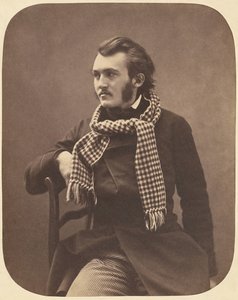
Paul Gustave Doré
1832 - 1883 , Francia
Datos clave
- Artistas Que Influyeron: ['J.J. Grandville']
- Estilo Artístico: Romanticismo
- Fecha De Muerte: 23 de enero de 1883
- Fecha De Nacimiento: 6 de enero de 1832
- Influenciado A Artistas: ['Vincent van Gogh']
- Lugar De Nacimiento: Estrasburgo, Francia
- Nacionalidad: Francés
- Nombre Completo: Paul Gustave Doré
- Obras Notables:
- Los Trabajos de Hércules
- Don Quijote (ilustraciones)
- La Divina Comedia
- El Cuervo
- Londres: Un Peregrinaje