 Ver en contexto
 Enviar
 Compartir
 Detalles

 Descargar
 Similares
 Radiografía
 Presentación de diapositivas
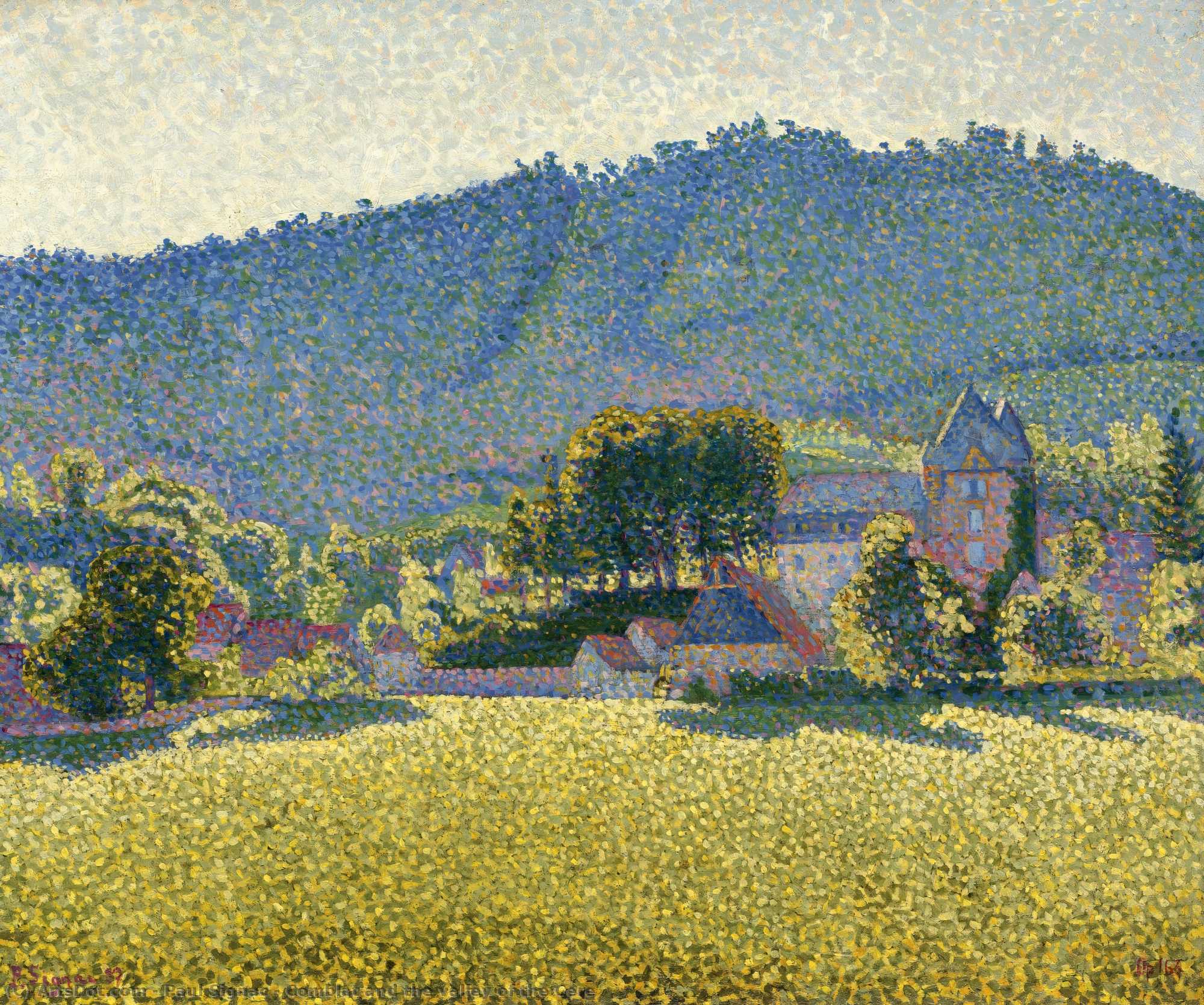
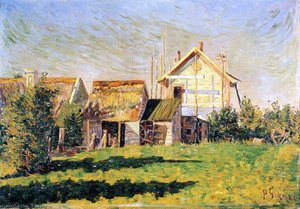
Comblat and the valley of the Cere


 Ver más
Reproducción al óleo hecha a mano
Óleo sobre lienzo pintado a mano en el tamaño y marco de su elección, realizado por encargo por nuestros artistas. ( Comprar impresión Comprar imagen)




P118B $10

P118H $10

P118W $10

P438Z $10

P508JH $12

P508YH $12

P805H $10

P805Z $10

P919BZ $10

P919G $10

P919XJ $10

P959ZH $10

P968JZ $12

W106C $8

W218G $10

W218JH $8

W218Y $10

W307PJ $10

W316G $10

W316PJ $8

W316Y $10

W398PJ $8

W4111J $10

W500HY $15

W500JH $15

W692G $12

W849H $8

W940BG $15

W953PJ $8




Elija entre nuestros tamaños predefinidos que respetan las proporciones originales de la obra.

Puede ingresar sus propias dimensiones para adaptarse a un marco o espacio específico. Si el tamaño seleccionado no coincide con las proporciones de la imagen original, recortaremos la obra o extenderemos la pintura con elementos adicionales pintados a mano. Se le enviará una maqueta digital para su aprobación antes de comenzar la producción.
Tenga en cuenta que la vista previa en pantalla no refleja el recorte o la extensión reales. Solo la maqueta mostrará con precisión la composición final.
Si bien existen tamaños personalizados, recomendamos seleccionar una dimensión de la lista predefinida para preservar las proporciones originales.
Tras realizar el pedido, el equipo de ArtsDot.com enviará un correo electrónico al cliente para solicitar instrucciones y proporcionarle una vista previa del boceto.
Envío a todo el mundo () en 3-4 semanas en lugar de las 5 semanas estándar. (27 agosto). Sin comprometer la calidad.

Envío exprés gratuito a todo el mundo

Lienzo de lino de alta calidad

Seguro de envío total

Garantía de reembolso de impuestos aduaneros

Garantía de fidelidad cromática exacta

Política de devolución de 60 días (solo por defectos)

Garantía de devolución del 100% del dinero

Descuento por cantidad
 La opción de vidrio solo está disponible en tamaños inferiores a 110 cm.

Comblat and the valley of the Cere
Técnica de reproducción
Dimensiones de la reproducción
-


Precio total final
$ 263
Paul Signac’s ‘Comblat and the Valley of the Cere’: A Symphony of Light and Color
Paul Signac's "Comblat and the Valley of the Cere" is more than just a depiction of a rural French landscape; it’s a meticulously constructed meditation on light, color, and the very principles of perception. Painted in 1889, this work exemplifies the artist’s pivotal role in the development of Neo-Impressionism, a movement that sought to revolutionize painting through scientific rigor and an intensely focused exploration of optical mixing. The scene unfolds with remarkable clarity – a charming village nestled within the embrace of the Cere Valley, its houses clustered around a central dwelling, all framed by the imposing presence of distant mountains. A solitary horse adds a touch of pastoral tranquility, suggesting a timeless connection between humanity and nature.
The Pointillist Technique: Decoding Signac’s Vision
- Optical Mixing: At the heart of "Comblat" lies Signac's signature technique – Pointillism. Rather than blending colors on a palette, he applied tiny, distinct dots of pure color directly onto the canvas. These individual points, when viewed from a distance, create an illusion of blended hues through optical mixing, a phenomenon meticulously studied by Signac and his contemporaries.
- Scientific Precision: This method wasn't simply a stylistic choice; it was rooted in scientific principles. Signac, influenced by Seurat’s research into color theory, believed that the human eye could more effectively perceive and synthesize colors when presented as individual points than when mixed conventionally.
- Texture and Depth: The deliberate application of these small dots creates a unique textural quality, adding to the painting's visual complexity and contributing significantly to its sense of depth and atmosphere.
Historical Context and Neo-Impressionism’s Influence
"Comblat" was created during a period of intense artistic experimentation in France. Following the Impressionists’ focus on capturing fleeting moments of light, Signac and Seurat sought to build upon this foundation with a more systematic approach. Neo-Impressionism emerged as a reaction against the perceived subjectivity of Impressionism, advocating for an objective study of color and its effects. This painting demonstrates the movement's commitment to scientific observation and precise execution, reflecting a desire to create art based on demonstrable principles rather than purely subjective impressions. The work’s subject matter – a quintessential French village scene – further aligns with the Neo-Impressionist interest in depicting familiar landscapes with heightened visual clarity.
Symbolism and Emotional Resonance
Beyond its technical brilliance, "Comblat" possesses a quiet emotional resonance. The serene depiction of rural life evokes a sense of peace and tranquility, inviting the viewer to contemplate the beauty of the natural world. The warm tones – predominantly ochres, reds, and yellows – contribute to this feeling of warmth and comfort, while the carefully rendered details—the texture of the houses, the dappled light filtering through the trees—add to the painting’s immersive quality. The inclusion of the horse subtly reinforces the theme of harmony between man and nature, a recurring motif in Signac's work.
A Timeless Masterpiece – Reproduction Options
ArtsDot offers meticulously crafted hand-painted reproductions of Paul Signac’s “Comblat and the Valley of the Cere,” ensuring that you experience the full impact of this remarkable artwork. Our skilled artisans employ traditional techniques to faithfully recreate Signac's Pointillist style, capturing every nuance of color and texture. Whether for your home or office, a reproduction of this iconic painting will undoubtedly become a focal point, adding a touch of artistic sophistication and intellectual depth to any space.
Obras relacionadas
Biografía del artista
Primeros años y formación
Paul victor jules signac, un pintor neoimpresionista francés, nació el 11 de noviembre de 1863 en París. Inicialmente, cursó estudios de arquitectura antes de decidirse a convertirse en pintor a los 18 años. Esta decisión fue influenciada por una exposición de la obra de Claude Monet.Estilo artístico e influencias
El estilo de Signac se caracterizó por el uso de pequeños puntos de color puro, que yuxtapuso para crear una sensación de profundidad y luz. Esta técnica, conocida como puntillismo, se desarrolló en colaboración con Georges Seurat. La obra de Signac también estuvo influenciada por sus viajes a lo largo de la costa europea, donde capturó la belleza de las ciudades portuarias en acuarelas.Obras notables y asociaciones
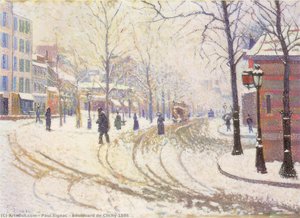
- Boulevard de Clichy (1886), una obra postimpresionista que muestra el meticuloso estilo de Signac.
- El boyero rojo, Saint-Tropez (1895), una vibrante pintura marina con un boi de color rojo anaranjado contra un fondo azul oscuro.
- Miembro fundador de la Société des Artistes Indépendants, que organizó exposiciones anuales que marcaron tendencias en el arte del siglo XX.
Legado e influencia
La obra de Signac tuvo un profundo impacto en el desarrollo del fauvismo, influyendo en artistas como Henri Matisse y André Derain. Como presidente de la Société des Artistes Indépendants, Signac apoyó a los artistas más jóvenes y expuso obras controvertidas de los fauves y los cubistas.- Explore más obras de Paul Signac en https://ArtsDot.com/@/paul-signac
- Descubra la técnica del puntillismo y su influencia en el neoimpresionismo en https://es.wikipedia.org/wiki/Puntillismo
Fechas clave
- 11 de noviembre de 1863: Nacimiento en París
- 1884: Co-fundación de la Société des Artistes Indépendants
- 15 de agosto de 1935: Fallecimiento a los 71 años
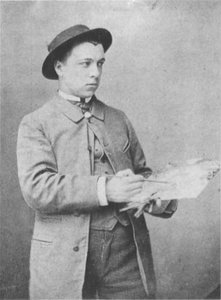
Paul Signac
1863 - 1935 , Francia
Datos clave
- Artistas Que Influyeron:
- Claude Monet
- Eugène Delacroix
- Georges Seurat
- Estilo Artístico: Neoimpresionismo, Puntillismo
- Fecha De Fallecimiento: 15 de agosto de 1935
- Fecha De Nacimiento: 11 de noviembre de 1863
- Influencia En Artistas:
- Henri Matisse
- André Derain
- Lugar De Nacimiento: París, Francia
- Nacionalidad: Francesa
- Nombre Completo: Paul Signac
- Obras Notables:
- Boulevard de Clichy (1886)
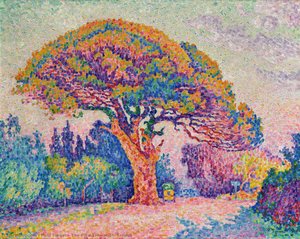
- El Pinar de Saint Tropez
- El Faro, Saint-Tropez
Artículos relacionados

Giclée Prints: Archival Quality & Aesthetic Nuances for the Discerning Collector
Explore the world of giclée prints with ArtsDot. Learn about archival quality, aesthetic nuances & investment potential. Expert guidance for discerning art collectors seeking museum-quality reproductions and lasting value.

The Enduring Legacy of Fine Art Prints: Technique, History & Aesthetic Impact
Explore the rich history & techniques of fine art prints. Discover investment potential, assess authenticity, and learn how to preserve your collection with expert guidance. Trusted insights for discerning collectors.

Echoes of Time: Exploring the Enduring Appeal & Historical Context of Vintage Art Prints
Explore the captivating world of vintage art prints! Discover their history, collecting tips & enduring appeal. Expert insights on chromolithography and building a legacy collection with ArtsDot.

Impresionismo: 10 Obras Maestras que Capturan la Luz y el Momento
Descubre 10 obras maestras del impresionismo de Monet, Renoir y Degas. Explora la luz, el color y las historias detrás de estos icónicos cuadros. Reproducciones de arte en ArtsDot.com para decorar tu hogar con estilo.
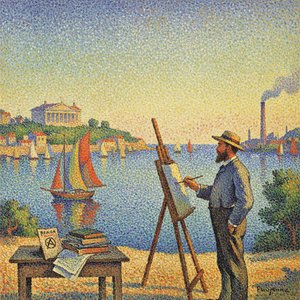
Paul Signac: Pointillism, Politics & the Pursuit of Harmony in Modern Art
Explore the life & art of Paul Signac, a key figure in Neo-Impressionism. Discover his Pointillist technique, anarchist beliefs, and stunning coastal scenes. Learn about his influence on modern art history.